Rocky Georgio
A faint wisp of smoke against a clear August sky was the first sign of trouble in the Sangre de Cristo Mountains of northern New Mexico, marking the ignition of a wildfire that would soon cast a long shadow over a vital regional water source. The blaze, sparked by a lightning strike near the historic village of Cundiyó, rapidly consumed the drought-parched canyons surrounding the Río Frijoles. This seemingly localized event, however, threatened a centuries-old system of water management and the livelihoods of the communities it sustains. The Río Frijoles, a 13-mile stream, along with the Río en Medio, both originate in the Sangre de Cristo range and converge into Santa Cruz Lake, a critical reservoir. From Santa Cruz Lake, their waters flow into the Santa Cruz River, which is further augmented by the Río Quemado.
This intricate network of waterways serves as the lifeblood for several historic agricultural communities, channeling water through approximately 30 hand-dug channels known as acequias. These ancient irrigation channels, collectively owned and managed by around 3,000 parciantes or members, predate the Santa Cruz Dam by many generations. Recognized as political subdivisions of New Mexico, the acequias are overseen by dedicated commissions and individual mayordomos, who are entrusted with the crucial tasks of distributing water and ensuring the ongoing maintenance of these vital arteries. The system’s historical significance is matched by its practical importance, providing the essential water supply for small, family-run farms that have been a cornerstone of the region’s economy and culture for centuries.
The escalating Frijoles Fire, however, placed this delicate ecosystem and its intricate water delivery system in immediate peril. With more than half of the Río Frijoles watershed directly in the fire’s path, the health of the entire watershed, and consequently the future of the area’s irrigation, hung precariously in the balance. Ron Gallegos, chair of the Santa Cruz Irrigation District, which manages water distribution for downstream irrigators, described the anxious wait for news. "Once it started, I was just waiting for a call, a text, a message from somebody to see if they could pump water from the lake," he recalled. "And sure enough, they did."
Within days, U.S. Forest Service aircraft were actively engaged in firefighting efforts, scooping vast quantities of water from Santa Cruz Lake to combat the flames and deploying fire retardant slurry to slow the blaze’s relentless march. Gallegos’s irrigation district entered into a contract with the Forest Service, receiving one cent for every gallon of water utilized for firefighting. While the financial compensation, amounting to approximately $8,500 for around 850,000 gallons, was modest, the overarching objective of safeguarding the watershed, which supports the agricultural endeavors of some 3,000 individuals, rendered the effort deeply meaningful.
As of early October, nearly two months after the Frijoles Fire first ignited, containment efforts had reached approximately 90%. Initial assessments indicated that the majority of the fire had burned at a low intensity, a factor that potentially minimized immediate post-fire ecological damage. Nevertheless, concerns linger regarding the long-term consequences. The possibility of increased sediment runoff due to post-fire flooding could lead to turbidity in Santa Cruz Lake, raising anxieties within local communities about the potential impact of this sediment, along with the fire retardant chemicals, on the quality of the water upon which they critically depend.
Even before the Frijoles Fire erupted, the region had been grappling with increasingly unpredictable weather patterns, characterized by stark shifts between prolonged drought conditions and intense, torrential rainfall in recent years. These extreme weather events had already rendered irrigation practices precarious. This particular year, a combination of minimal snowpack and consistently high temperatures severely curtailed natural water runoff. Hydrogeologist and geochemist Steve Finch, based in Albuquerque, described the situation as potentially "the worst on record," noting that a nearby U.S. Geological Survey gauge registered a mere 4 cubic feet per second throughout the summer, a stark contrast to the typical flow of 20 to 30 cubic feet per second.
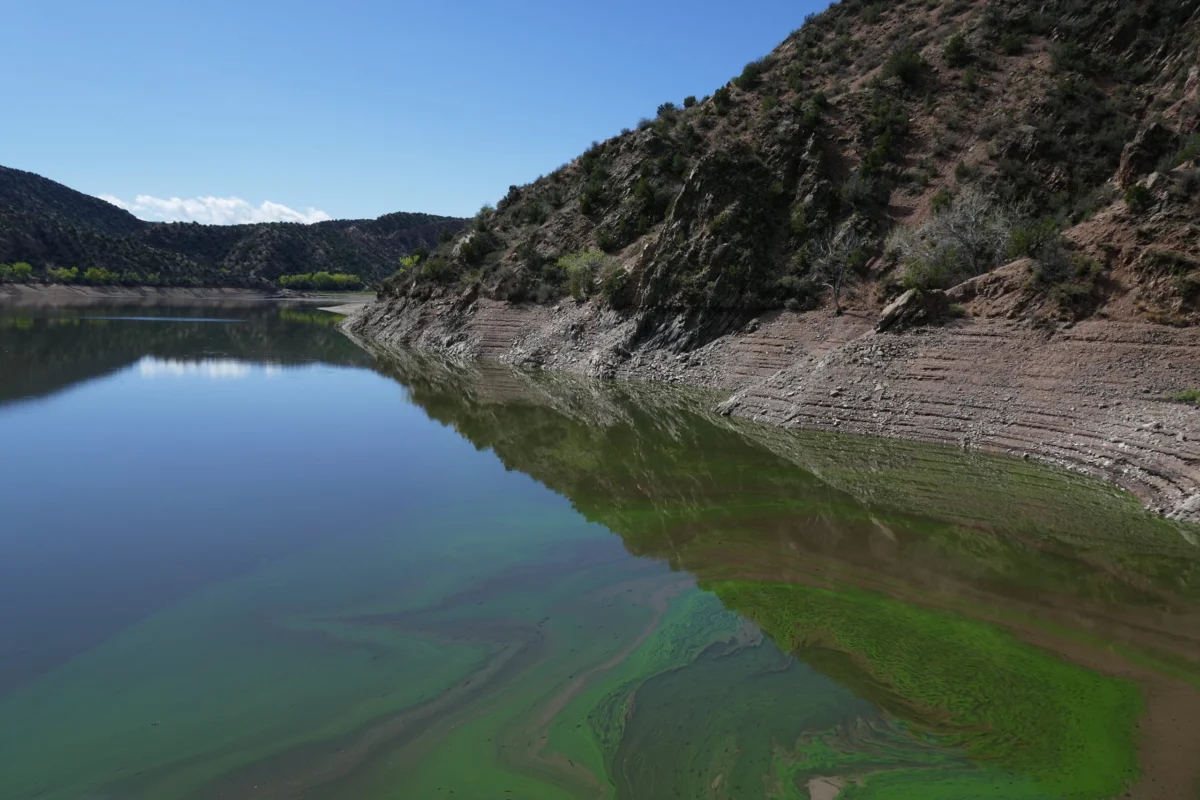
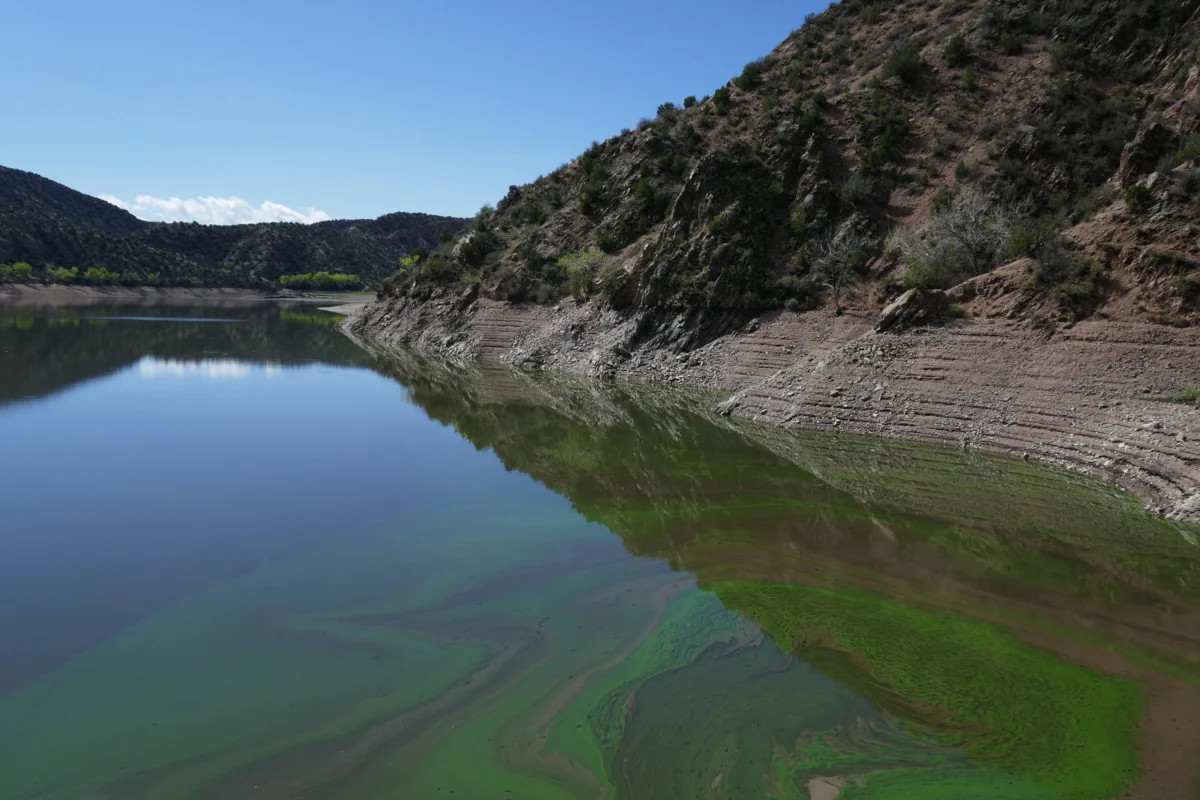
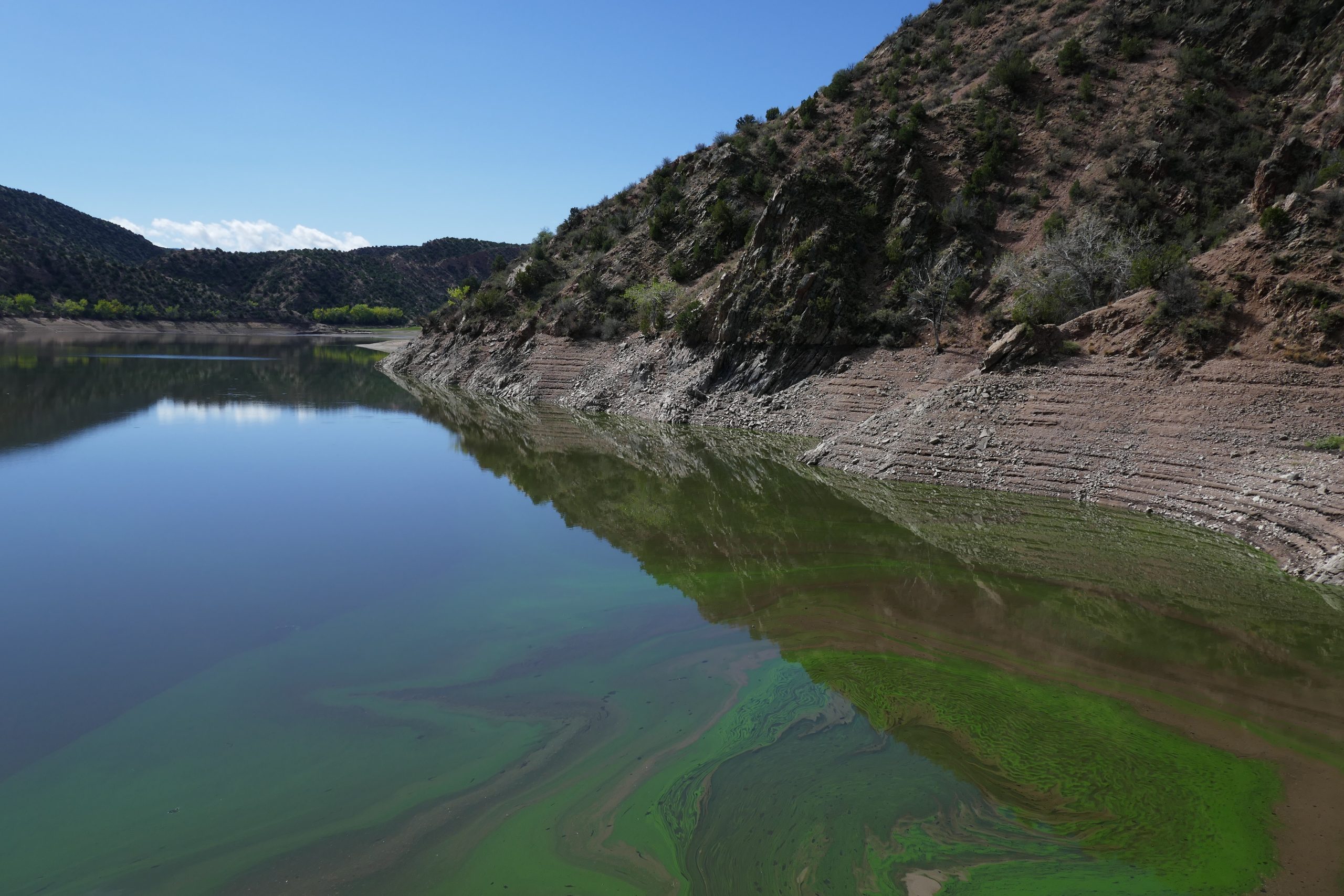
The reduced volume of water, coupled with warmer temperatures, contributed to an early-season algae bloom that transformed Santa Cruz Lake into a murky green expanse, accompanied by a strong, unpleasant odor. Joel Esquibel, who operates and maintains the Santa Cruz Dam, a role inherited from his father, expressed his growing concern as the fire advanced. He monitors the lake’s water level multiple times a week, climbing a concrete buttress to observe the diminishing height. He noted that the lake’s level had only been lower once before, during dredging operations in the late 1980s. Fortunately, by the end of September, a moisture plume associated with Hurricane Polo brought a much-needed 15-foot rise in the lake’s water level.
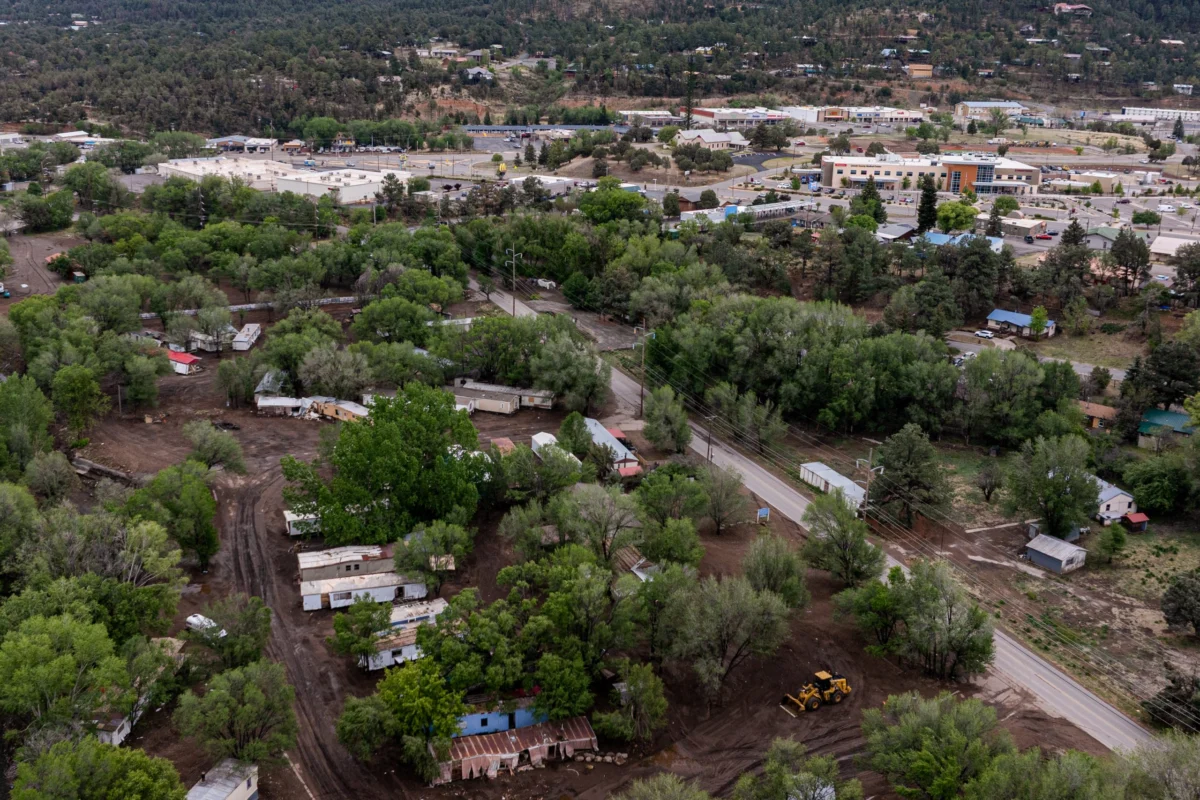
However, the threat of excessive water also presents its own set of challenges. In 2025, a historic flood event wreaked havoc on acequia infrastructure, bringing irrigation to a standstill. The extensive damage necessitated months of painstaking rebuilding of headgates and clearing of debris and silt, a process that incurred hundreds of thousands of dollars in costs for the affected small communities. The torrential rains of September 2023, following the Frijoles Fire, have exacerbated concerns by flushing fire debris and silt directly into Santa Cruz Lake. Finch worries that this influx will inevitably reduce the reservoir’s storage capacity. He estimates that over the past century, Santa Cruz Lake has already accumulated approximately 1,000 acre-feet of silt, representing about a quarter of its total capacity. While the precise amount of silt deposited by the recent post-fire rains remains to be quantified, Finch anticipates that the reservoir will ultimately require dredging to restore its storage capabilities.
The use of fire retardants in aerial firefighting has also come under scrutiny. On August 4th, the same day the Frijoles Fire began, New Mexico Representative Teresa Leger Fernández, a Democrat, formally requested that the Government Accountability Office, a federal watchdog agency, investigate the prevalence and potential environmental effects of toxic metals in fire retardants employed by the Forest Service and the Department of the Interior. Her letter, co-signed by eight other members of Congress, underscored the "essential, lifesaving support" provided by aerial firefighting while acknowledging that "recent reports have raised questions about the safety of fire retardants commonly used by aerial firefighters."
A spokesperson for the Forest Service stated that all fire retardants used by the agency fall into the Environmental Protection Agency’s "practically non-toxic" category for mammals and aquatic species. The Forest Service also maintains a policy prohibiting retardant drops within waterways and designated avoidance areas for sensitive cultural resources or threatened and endangered species. While the primary components of fire retardants are two forms of phosphate, widely utilized in fertilizers, investigations in California following the Palisades, Eaton, and Franklin fires detected the presence of arsenic, cadmium, chromium, and lead in collected samples.
Furthermore, three years after the massive Hermit’s Peak/Calf Canyon Fire scorched over 340,000 acres of forestland in northern New Mexico, independent analyses revealed the presence of heavy metals in private well water. A 2026 report attributed these findings to both naturally occurring ores and the impact of burnt structures and fire suppressants. The Forest Service reported that approximately 453,000 gallons of retardant were deployed on the Frijoles Fire, a significant amount, though considerably less than the 1.6 million gallons used on the much larger Hermit’s Peak/Calf Canyon Fire, which encompassed 16,000 acres, making it less than 5% of the size of the Hermit’s Peak blaze.

When questioned about the presence of heavy metals in the fire retardant used on the Frijoles Fire at a public meeting in early September, Lawrence Lujan, a deputy district ranger for the Santa Fe National Forest, deferred inquiries to the manufacturer. Zak Bollenbacher, president of Perimeter Solutions’ Americas Retardants business, the manufacturer of the retardant, asserted in an email that no heavy metals are intentionally added to PHOS-CHEK fire retardant formulations, and any trace amounts detected are naturally occurring within the raw materials. He added that the phosphate used undergoes multiple processes to reduce heavy metal levels below fertilizer grade.
PHOS-CHEK, a brand of firefighting foam developed by Monsanto in the late 1960s, is applied to prevent wildfires from spreading. While most of its ingredients are publicly available in material safety data sheets, a small percentage remains undisclosed as trade secrets. This lack of full transparency prompted a research team from the University of Southern California to investigate the presence of heavy metals in retardants. Their 2024 study, which analyzed data from fires between 2009 and 2021, examined 14 types of retardants, including three from the Phos-Chek line. The research revealed that one product, Phos-Chek LC95W, used for ground applications and phased out by the Forest Service in 2024, contained heavy metal levels significantly exceeding the EPA’s drinking water standards. The agency confirmed that a formulation within the same Phos-Chek line, differing only in red coloring and aerial application, was used on the Hermit’s Peak/Calf Canyon blaze.
Phos-Chek MVP-Fx, another retardant utilized on the Hermit’s Peak fire and, according to Bollenbacher, instrumental in containing the Frijoles Fire, was also employed in recent major California wildfires. Subsequent analysis by the USC team identified toxic heavy metals in this formulation. Lead researcher Daniel McCurry stated that the team did not analyze a second type of retardant used on the Frijoles Fire, Phos-Chek 259-Fx, due to a lack of access to manufacturer samples.
On the ground, the acequia parciantes remain in a state of anxious anticipation. The entire lake has taken on a dark, ash-like hue, and concerns about water quality persist. With no further water releases planned for the remainder of the year, any debris and silt that has entered the lake will have the winter months to settle. This suggests that the immediate distribution of this sediment into the acequias is unlikely this year, offering a temporary respite.