Rocky Gerung
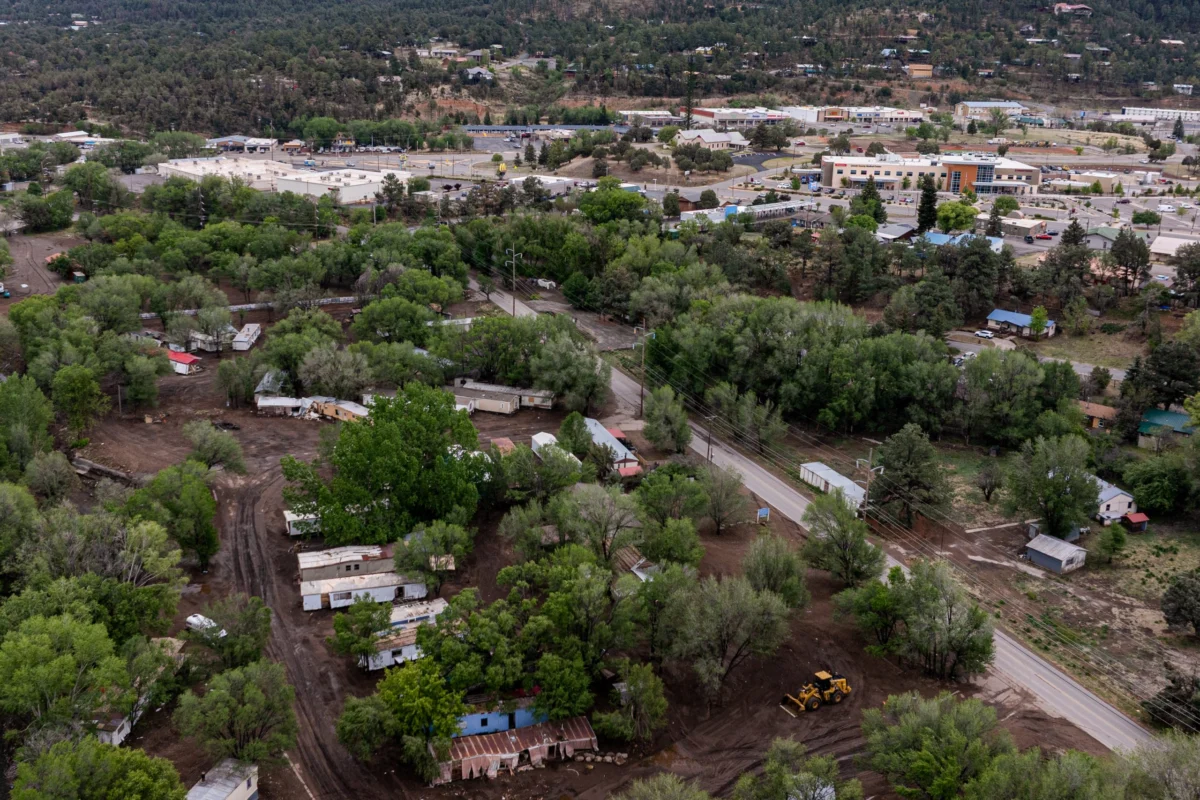
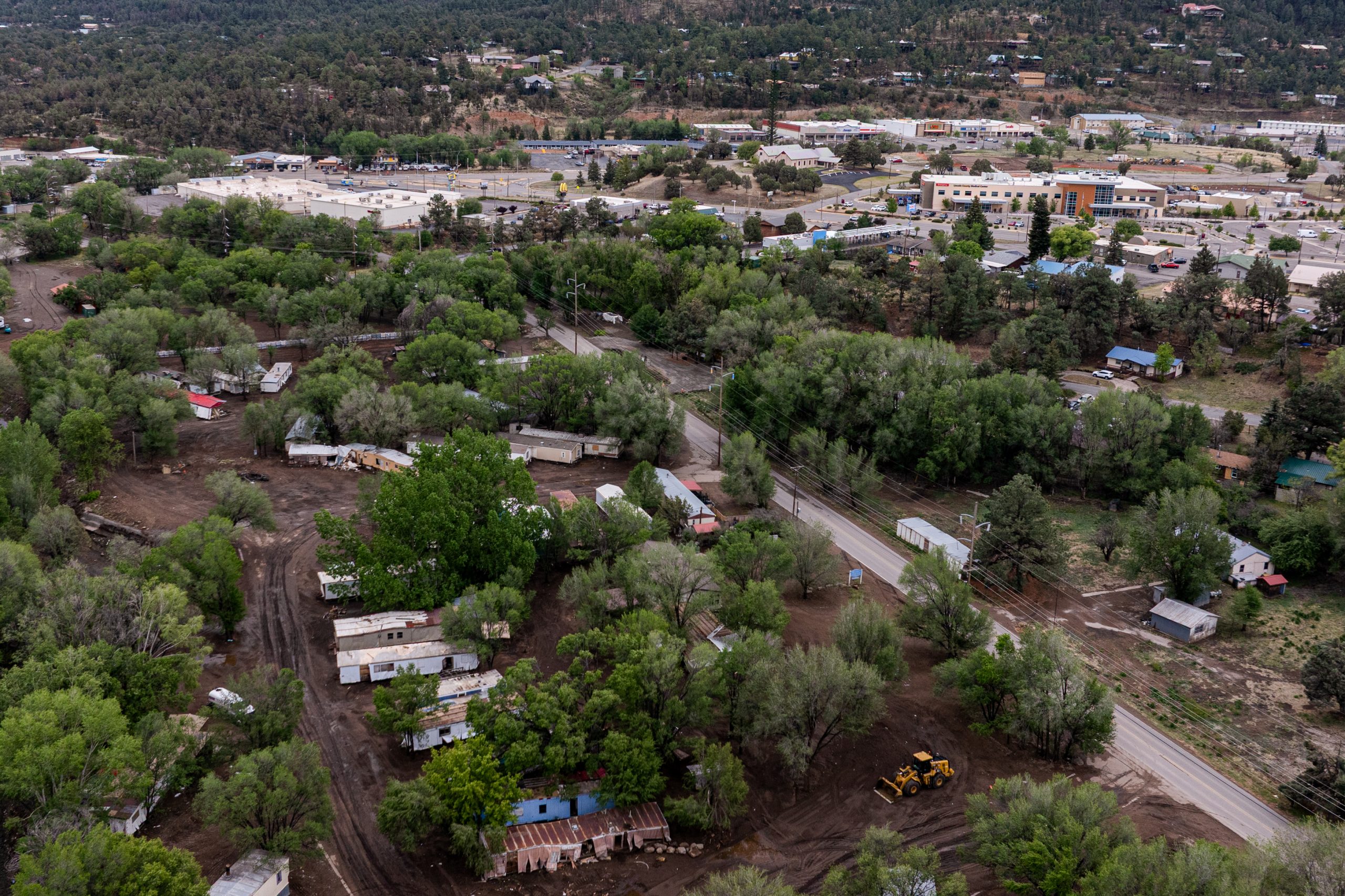
Jennifer Brewer’s nights in Ruidoso, New Mexico, have been consumed by the anxious sounds of the Rio Ruidoso for years, a stark contrast to the peaceful creek that drew her to the mountain town in 2017. The once-sleepy waterway, a picturesque element of her retirement after nearly three decades of teaching, has transformed into a source of constant dread. In the summer of 2024, twin wildfires ravaged the surrounding pine forests, leaving the mountainsides scarred and vulnerable. Subsequent monsoon rains unleashed torrents of mud and debris, forcing Brewer to evacuate her cabin as thick river sludge engulfed her patio. The following year, the situation escalated dramatically; the Rio Ruidoso swelled into a twenty-foot wall of brown water, tearing entire houses from their foundations and tragically claiming three lives.
Though Brewer’s own cabin miraculously survived, a neighboring home was wedged into a tree, a chilling testament to the river’s destructive power. She navigated months of bureaucratic hurdles, attempting to secure disaster aid while tirelessly working to restore her property. Her efforts—shoveling out mud, battling mold with bleach, and erecting a six-foot flood wall—were repeatedly undone by subsequent floodwaters. This cycle, she anticipates, will continue until the scorched earth can recover and new vegetation can stabilize the hillsides. Now, every rainfall triggers sleepless nights, punctuated by the roar of the rising river. "This morning, I heard it at 3:30," Brewer recounted, her voice tinged with exhaustion. "I laid there listening and thought, you know what? You’re not going back to sleep." She described alternating between watching television and anxiously monitoring the water’s surge, eventually dozing off only to be jolted awake again. "That’s not a way to live," she lamented. "That’s just crazy."
Fortunately, Brewer’s vigil may soon end. Just a week prior to her sleepless night, she became one of the first Ruidoso residents to participate in a new program offering a way out of the escalating flood risk. Launched in the spring of 2026 with support from the U.S. Department of Agriculture, Lincoln County initiated an emergency buyout program designed to acquire hundreds of properties threatened by flooding in the aftermath of the devastating fires. This voluntary initiative, administered by the USDA’s Natural Resources Conservation Service (NRCS), offers homeowners pre-fire property values. The purchased structures are then demolished or relocated, permanently transforming the land into open space. Lincoln County has secured approval for up to $220 million in buyout funds, with the NRCS covering 75% of the costs. "What we’re kind of betting on is that as we get some of these bought, we can manage this floodway and prevent further damage," Lincoln County Manager Jason Burns explained. "My hope is that as these floods continue, as we know they’re going to, that it’s not a dire emergency."
Brewer promptly applied upon learning of the program. Following an appraisal and a series of environmental and cultural assessments, she received an offer in September that significantly exceeded her expectations for her property’s post-flooding market value. With the sale finalized and her move-out date rapidly approaching, she expressed "overwhelming relief." "Climate change is here," she stated with conviction. "I’m just tired of being worried."
Brewer acknowledged her immense good fortune. In the spring, county officials identified over 1,000 properties at risk in and around Ruidoso, and public meetings regarding the buyout program were standing-room-only. More than 350 homeowners applied, with over 260 deemed eligible. However, the county’s ability to access the full federal grant is contingent on state matching funds, of which they have only received an initial installment of approximately $100 million. Burns estimated this amount would cover around 130 properties, and by mid-September, the county had extended four offers. While hopeful that the upcoming legislative session will secure the remaining funding, he informed state lawmakers in June that the county would need to make "strategic decisions on which properties will be of the most benefit."
As communities across the Western United States confront the escalating threat of climate-related disasters, buyout programs present a rare avenue for safeguarding both residents and valuable land. For rural communities, often struggling with limited resources to navigate complex administrative processes, simply gaining approval for such a program represents a significant victory. "Around the country, there’s a waiting list of people who want to be bought out, and there just isn’t funding," noted A.R. Siders, a researcher specializing in buyouts at the University of Delaware’s Disaster Research Center. Yet, even after a community overcomes the initial hurdle, further challenges arise. In a population composed of survivors, the process of determining who receives a fresh start and ensuring fairness becomes paramount.
The federal buyout system inherently contains limitations. The NRCS mandates that buyout recipients be U.S. citizens and possess clear title to their properties, with permanent access. This criterion automatically excludes many of the most vulnerable individuals following a disaster; renters, for instance, are ineligible, as are non-citizens, including legal permanent residents. For multigenerational or multi-family households, the application process can be particularly intricate. Furthermore, cost-benefit analyses required by other federal buyout programs, such as those managed by the Federal Emergency Management Agency (FEMA), can inadvertently prioritize lower-value homes. Wealthier homeowners might receive assistance to remain, while low-income neighborhoods are cleared out.
In Lincoln County, Burns affirmed that his team would not consider home value in their decision-making. Their buyout program operates on a first-come, first-served basis, with a deliberate prioritization of properties that have sustained significant damage. "What we’re going to do is try to take the highest risk first," he stated. Among the properties most severely impacted by flooding in Ruidoso are several mobile home and RV parks. The three individuals who perished in the July 2025 flood—two children and an adult—were camping at an RV park when the water surged. Swiftwater rescues saved numerous residents at a nearby mobile home park the following week when the river overflowed again. A spokesperson for the Village of Ruidoso confirmed that the state has since declared both parks uninhabitable, with dozens of trailers red-tagged and residents given deadlines to relocate. However, at other parks, residents continue to occupy flood-damaged trailers. Burns indicated that several park owners have applied for buyouts, though as of mid-September, none had yet received an offer.
Despite the disproportionate flood risk faced by mobile homes nationwide, the federal buyout system was not designed with them in mind. While park residents own their homes, they lease the land they occupy, meaning only the park owners are eligible for a buyout. This situation places residents in a precarious position: they face potential forced displacement or are left without an exit strategy, as many mobile homes are difficult to move. Mobile home owners are "really kind of disadvantaged within the decision-making process," commented Andrew Rumbach, who researches housing and disaster recovery at the Urban Institute. "They’re kind of left in between." This is the predicament Cristina Obregón faces. In 2024, flooding undermined the cinder blocks supporting her trailer at Cherokee Mobile Village in Ruidoso. She spent six months in a hotel before returning, only to evacuate approximately fifteen times in the subsequent year. "Every single time it rained from that point forward, I had anxiety to the point where I was physically shaking," she said.
Obregón learned of her ineligibility to apply for the buyout program at a community meeting. If her park owners accept a buyout, she might qualify for relocation assistance, which would be necessary to move her trailer. However, Obregón has no control over her park owners’ decision. "Unless they say yes," she stated, "there’s really nothing the buyout can do." Buyouts can also be a difficult proposition for park owners. Federal programs compensate only for the land, not for lost rent or the business’s value. Moreover, mobile home parks are classified as commercial properties, not residential, potentially leading owners to receive post-disaster property valuations. A representative for Endeavor Communities, the owner of Cherokee Mobile Village, declined to comment on the buyout program.
Burns mentioned that New Mexico offers state disaster aid programs better equipped to support Ruidoso’s mobile home residents. Elsewhere, communities affected by flooding have adopted creative approaches to prioritize park residents in buyouts, seeking out less restrictive funding sources to help them relocate to newer, safer housing. According to Rumbach, creating a more equitable buyout system requires viewing mobile home parks primarily as housing, rather than as businesses. Mobile homes constitute 15% of New Mexico’s housing stock and represent the nation’s largest source of affordable housing. A successful buyout, he emphasized, depends on "recognizing that residents need to have a voice."

If Obregón could participate in the buyout, she is uncertain where she would go. "I love my little trailer. If there were land, I would move it in a heartbeat," she said, but "unless you own land where it’s cleared and you can put it, there’s no options." Obregón has recently moved in with her mother outside of town and is in the process of selling her trailer to a friend who is more willing to assume the stress of flood risk. Both Obregón’s son and her ex-partner, Ralph Gonzales, continue to reside at the park. Gonzales expressed a desire to move but has found affordable housing scarce in Ruidoso, where many homes have been converted into vacation rentals for visitors from Las Cruces and West Texas. "If you work here, you really can’t afford to own a home—a big, nice house like these retired people have," Gonzales observed. "You gotta live where you can."
Disasters such as fires and floods frequently exacerbate housing shortages. Without careful planning, a buyout program can worsen this issue, according to Kris Smith, who studies flood adaptation and rural communities at Headwaters Economics. "When you’re talking about a buyout, that is bringing up two fundamentally massive and complex challenges: Both how do we live with flood risk, and also, how do we maintain affordability in our communities?" she explained. "Sometimes that solution can solve both of those, but often those two problems are in tension with each other." This dilemma weighs heavily on Jason Burns. "Unfortunately, Ruidoso and Lincoln County is not a cheap place to live," he acknowledged. "That’s another nuance to the buyout: trying to make people as whole as possible, to keep them here." He noted that the decision to offer pre-disaster home values was partly intended to help homeowners afford to remain in the area. Additionally, Ruidoso is developing multiple new affordable housing projects, including workforce housing and mobile homes initially intended for families displaced by the 2022 McBride Fire. Local officials have strong incentives to address affordability; the relocation of hundreds of property owners can significantly impact the tax base. "For rural communities in particular, it doesn’t take many people to leave to have an impact," Smith remarked.
Many of the most successful buyout programs have invested in assisting homeowners with planning their subsequent steps. In Texas and New Jersey, established programs employ counselors who work directly with buyout participants to resolve challenges, such as securing debt forgiveness or identifying suitable housing options that allow them to remain close to work or school. Unfortunately, comprehensive support for such wrap-around services is not a standard component of most federal buyout programs. "We don’t have a lot of support systems about how to keep people and social fabrics together," Smith stated. In most locations, local officials possess limited institutional knowledge, forcing them to guide their communities through unprecedented transformations.
In 2021, a coalition of researchers formed the Better Buyouts Working Group, connecting communities that have previously undergone buyouts with those implementing them for the first time. Participants include local officials, academics, and residents who have themselves experienced buyouts. "They want to pay it forward, so that their neighbors and whoever comes next don’t have to learn the same things that they had to from scratch," said Anna Weber, a co-convener of the group. She hopes this collaborative approach can assist communities nationwide in navigating disaster aftermaths with greater equity. A key objective is to encourage a shift in perspective, viewing buyouts as an integral part of long-term climate change adaptation strategies. The fundamental questions raised about people’s relationships to land and to one another, she believes, are ones that "a lot of us around the country are going to need to grapple with more and more." For buyouts to be truly successful, A.R. Siders suggests, they must focus on the future as much as on the past. "If the plan is all about leaving, then that’s harder to build community around," she posited. "If it’s about where are we going next, what do we do with the land, what kind of community do we want to be in 50 years? That’s different."
In late September, Jennifer Brewer prepared to bid farewell to her cabin in Ruidoso, with plans to relocate to Santa Fe and reside in her family home. "I’m finally to a point where I don’t cry like every day," she shared, "because I love it here." She will miss the sight of elk and wild horses gracing her yard and the festive atmosphere of Ruidoso’s annual December Festival of Lights. She will also miss the sense of security in a small town where doors could be left unlocked. However, she feels confident in her decision. "The purpose of the whole buyout is to make a healthy riverbed," she explained, "so I’m more grateful to have the opportunity to move and have gotten paid a fair amount than I am regretful." Brewer hopes the land will be managed responsibly, with ample signage to alert visitors to its potential dangers. The prospect of wildflowers blooming where her house once stood appeals to her. "It doesn’t bother me a bit for it to be all grass and trees and open," she concluded.