Rocky Gerung
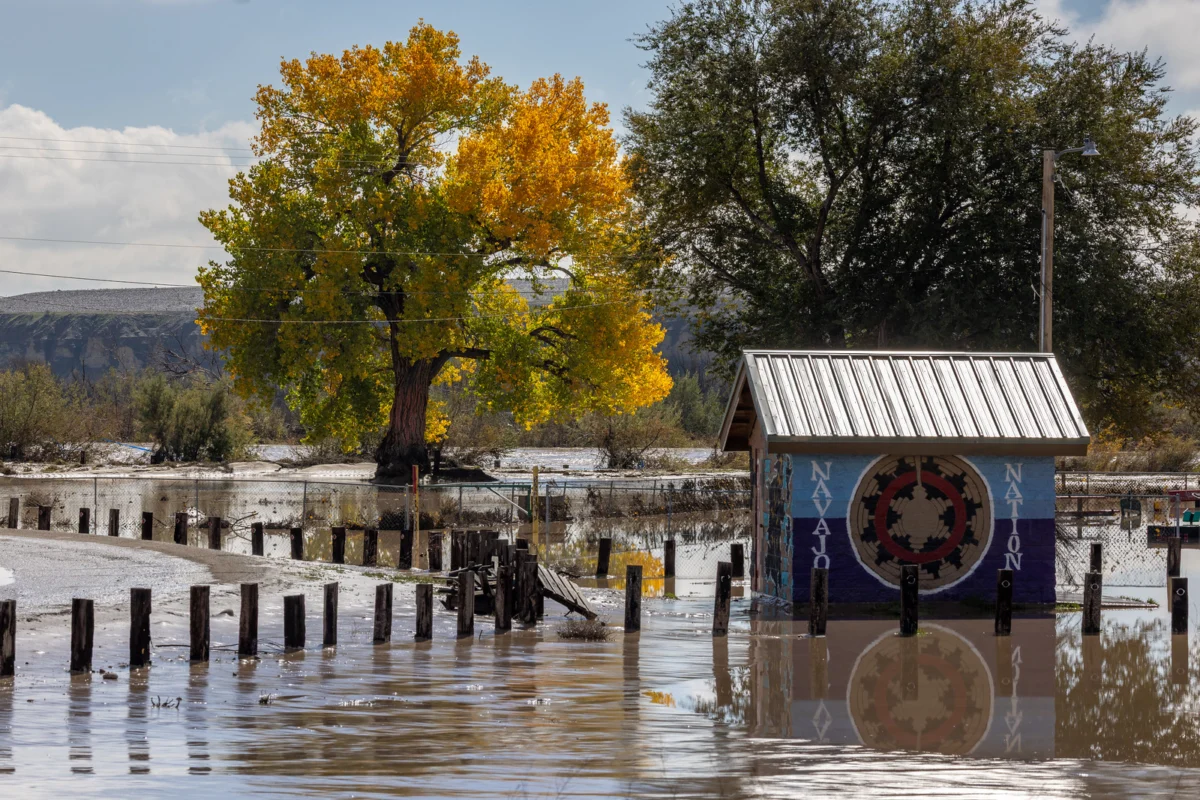
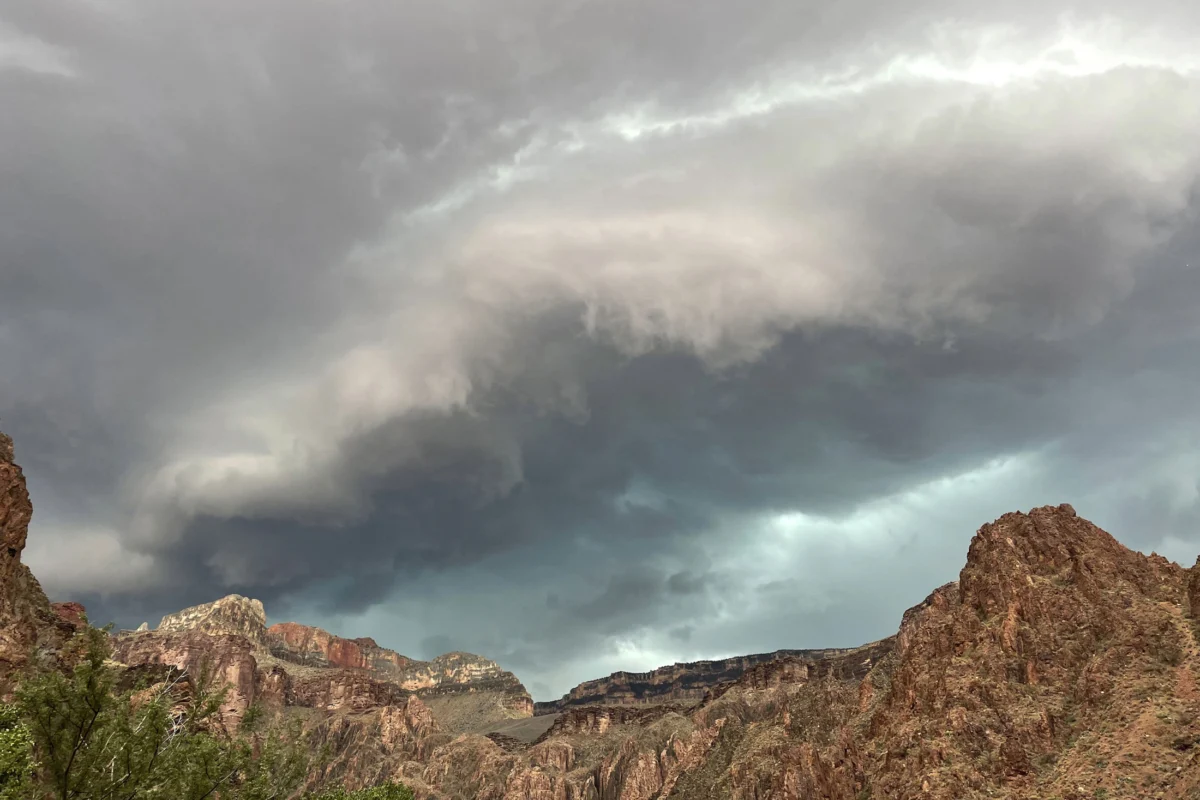
A series of powerful storms have inundated communities across the Southwest, resulting in fatalities and widespread destruction, as scientists attribute the extreme weather event to the intensifying El Niño phenomenon. In Arizona, at least four lives were lost amidst torrential rains that delivered two to three months’ worth of precipitation in mere days, overwhelming the region’s infrastructure. Clovis, New Mexico, has experienced an astonishing 28.84 inches of rain since September 20, a stark contrast to its historical average of 3.3 inches, highlighting the exceptional nature of the current weather patterns.
Experts indicate that the El Niño, a warming of the Pacific Ocean’s surface waters, is a significant driver of this increased precipitation. "This weekend was just adding more on the rough times that those communities in Southwest Colorado and Arizona and Utah and New Mexico have been having recently," stated Russ Schumacher, director of the Colorado Climate Center at Colorado State University and state climatologist. He further elaborated, "I think the El Niño connection is pretty clear." The National Oceanic and Atmospheric Administration’s seasonal outlook confirms this, suggesting a winter of increased rainfall for much of the southern United States due to the El Niño’s influence. Michael A. Crimmins, a climatologist at the University of Arizona, noted that while such events could occur in non-El Niño years, the conditions are significantly more likely and easier to assemble simultaneously during an El Niño cycle.

The current El Niño is already recognized as one of the strongest on record and has the potential to intensify further in the coming months. While a few degrees of warming in the Pacific may seem minor, it injects substantial energy into the atmosphere, disrupting weather systems globally. This atmospheric disruption has notably suppressed hurricane activity in the Atlantic. This year, the Atlantic hurricane season shattered the record for the latest first hurricane, with only one storm forming by this point, whereas typically six are expected. This unusual quiet in the Atlantic is directly linked to El Niño’s influence on upper-level winds.
Conversely, the Southwest is experiencing no such reprieve from severe weather. The warmer Pacific waters associated with El Niño not only contribute to atmospheric heat but also increase moisture content. This heightened atmospheric moisture, even beyond the direct El Niño influence, is evident in the Pacific Ocean’s higher-than-average temperatures, which have fueled a more active Eastern Pacific hurricane season with ten storms, while the Atlantic remains subdued. This phenomenon underscores the ocean’s role in absorbing excess heat; over 90% of the heat humanity has added to the atmosphere is now stored in the oceans.
This abundance of atmospheric moisture has been consistently directed towards the Southwest. In late October, a separate weather system delivered one of the most extreme rainstorms in Colorado’s history, drenching higher elevations with up to 8 inches of rain over four days, causing widespread devastation. "It’s just really extreme amounts of water vapor in the atmosphere that have been aimed into the Southwest in each of those storms," Schumacher observed.

The autumn precipitation has created a precarious situation in Arizona, Colorado, and other Southwestern states, leaving them highly vulnerable to further flooding. Rivers were already running high from earlier rains, and the subsequent storms exacerbated these conditions. When soils are saturated, any additional rainfall rapidly becomes runoff, leading to severe flooding. "We get the second storm, just a little bit after the first one, then everything was primed for even worse flooding this time around," Schumacher explained.
In mountainous terrain, this phenomenon is particularly dangerous, as the landscape channels rainwater into powerful, fast-moving torrents. "If you hike around the Southwest, you’re going to see out-of-place boulders all over the place," Crimmins remarked. "Water put it there. Maybe it was 5,000 years ago or something like that, but water moves. We can have really epic flash flooding."
Despite the destructive flooding, there is a potential silver lining: the increased precipitation forecasted for this El Niño winter could provide much-needed drought relief to large parts of the southern United States. Climate change has intensified existing dry spells, with higher temperatures accelerating evaporation from reservoirs. Simultaneously, the growing populations in the Southwest are placing increasing demands on already strained water resources, making drought relief a critical concern.

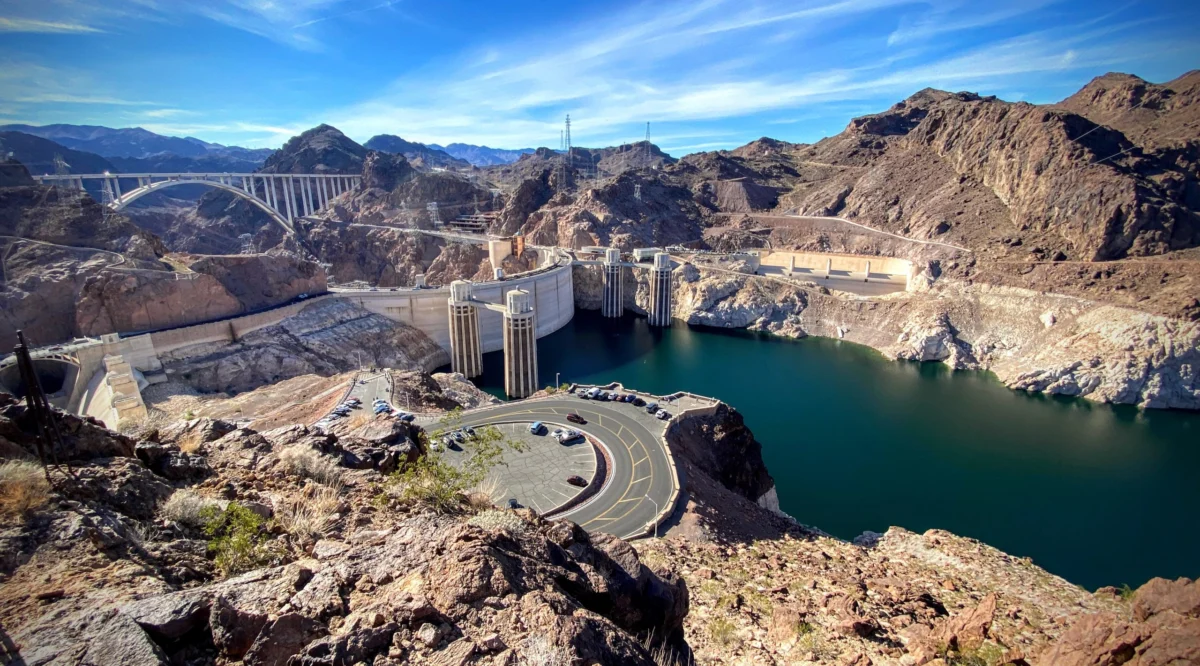
The combined pressures of increasing demand and diminished supply have brought the Colorado River’s two largest reservoirs, Lake Powell and Lake Mead, to the brink of collapse. While the anticipated rainfall this winter may offer some replenishment, it is unlikely to reverse the long-term precipitous decline of these vital water sources. "It’s a long way to go to get even back to where we were a year ago," Schumacher stated, emphasizing the significant recovery needed to return to even recent historical levels, let alone the conditions of decades past.
A significant unknown factor for the current season is the anticipated snowpack in Colorado. It remains too early to determine the extent of snowfall in the coming months. Unlike rainwater, which flows rapidly into rivers and can overwhelm infrastructure, snowpack gradually releases water as it melts in the spring, providing a more sustainable and storable water resource. Following a record-low snowpack earlier this year, Colorado is in urgent need of substantial snowfall to bolster its water reserves.
While water agencies cannot control the weather, they can adapt their management strategies to better handle precipitation. In Arizona, cities like Tucson are implementing green infrastructure solutions, such as permeable surfaces that absorb water and support native vegetation, to slow down water flow and mitigate flooding. "There’s really cool and clever ways of thinking about stormwater as a resource," Crimmins observed, "rather than a nuisance." These innovative approaches aim to transform a potentially destructive force into a valuable resource for communities facing water scarcity and extreme weather events. The long-term implications of these weather patterns and the strategies employed to manage them will be crucial for the resilience of the Southwest in the face of a changing climate.