Rocky Gerung
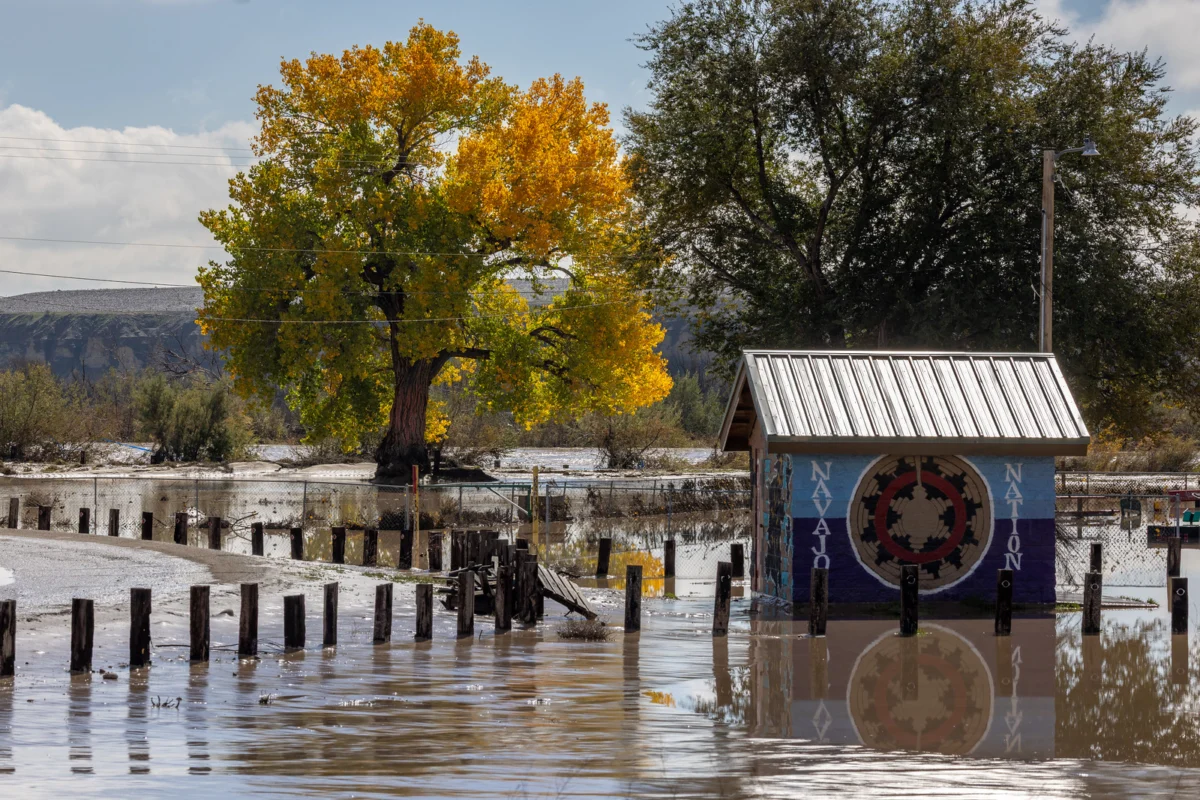
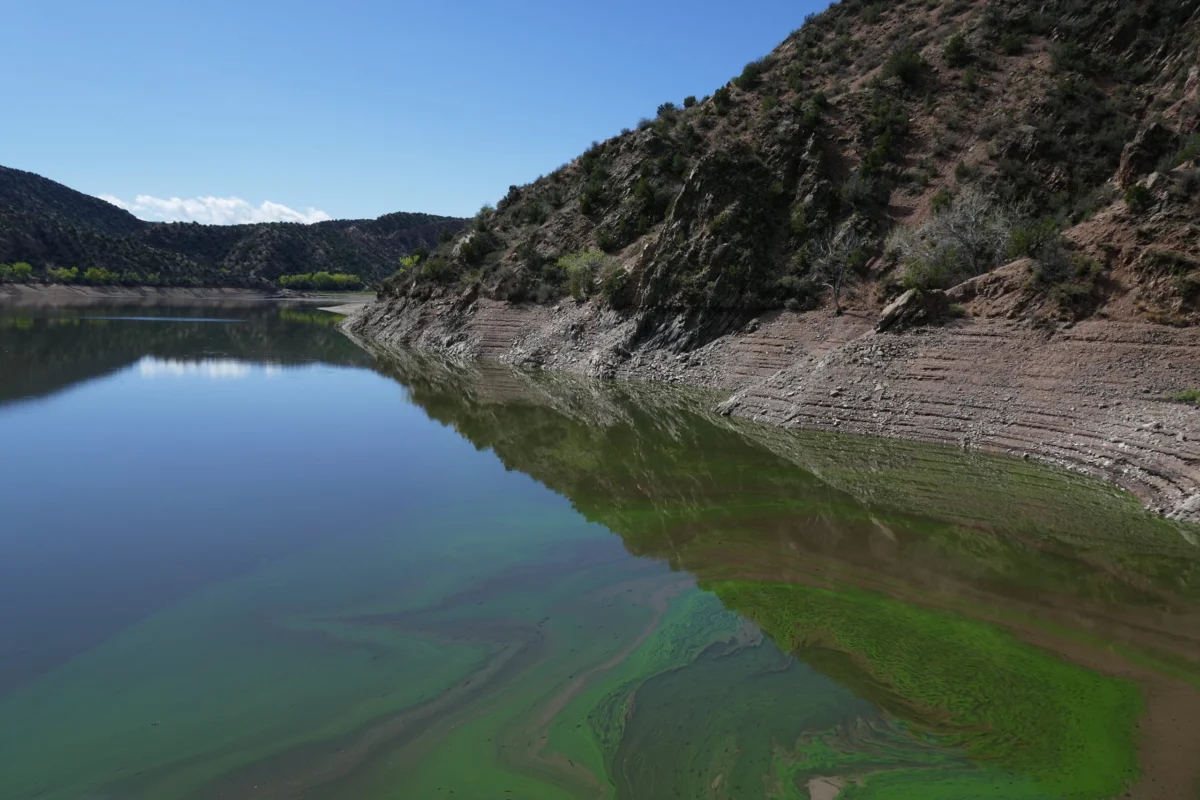
On July 11, the Rio Grande, a vital artery for the American Southwest, dwindled to a trickle at a streamflow gauge located approximately 18 miles upstream from Truth or Consequences, New Mexico. This was a particularly stark observation, as this very stretch of riverbed once lay submerged beneath the waters of Elephant Butte Reservoir, the largest reservoir in the state and a crucial water storage facility for downstream agricultural operations. However, by the summer of 2026, two decades of persistent drought had reduced Elephant Butte to a mere 1.7% of its 652 billion-gallon capacity, transforming its once-vast expanse into a parched mudflat that soon gave way to a dry, dusty riverbed. Astonishingly, by September, this formerly barren landscape was revitalized, with the river flowing at a rate exceeding 3,000 cubic feet per second. Elephant Butte Reservoir’s surface level surged by several feet, bringing much-needed relief to the green chile-growing communities of the Lower Rio Grande Valley, which experienced severe flooding directly attributed to record-breaking rainfall, further intensified by a Pacific hurricane.
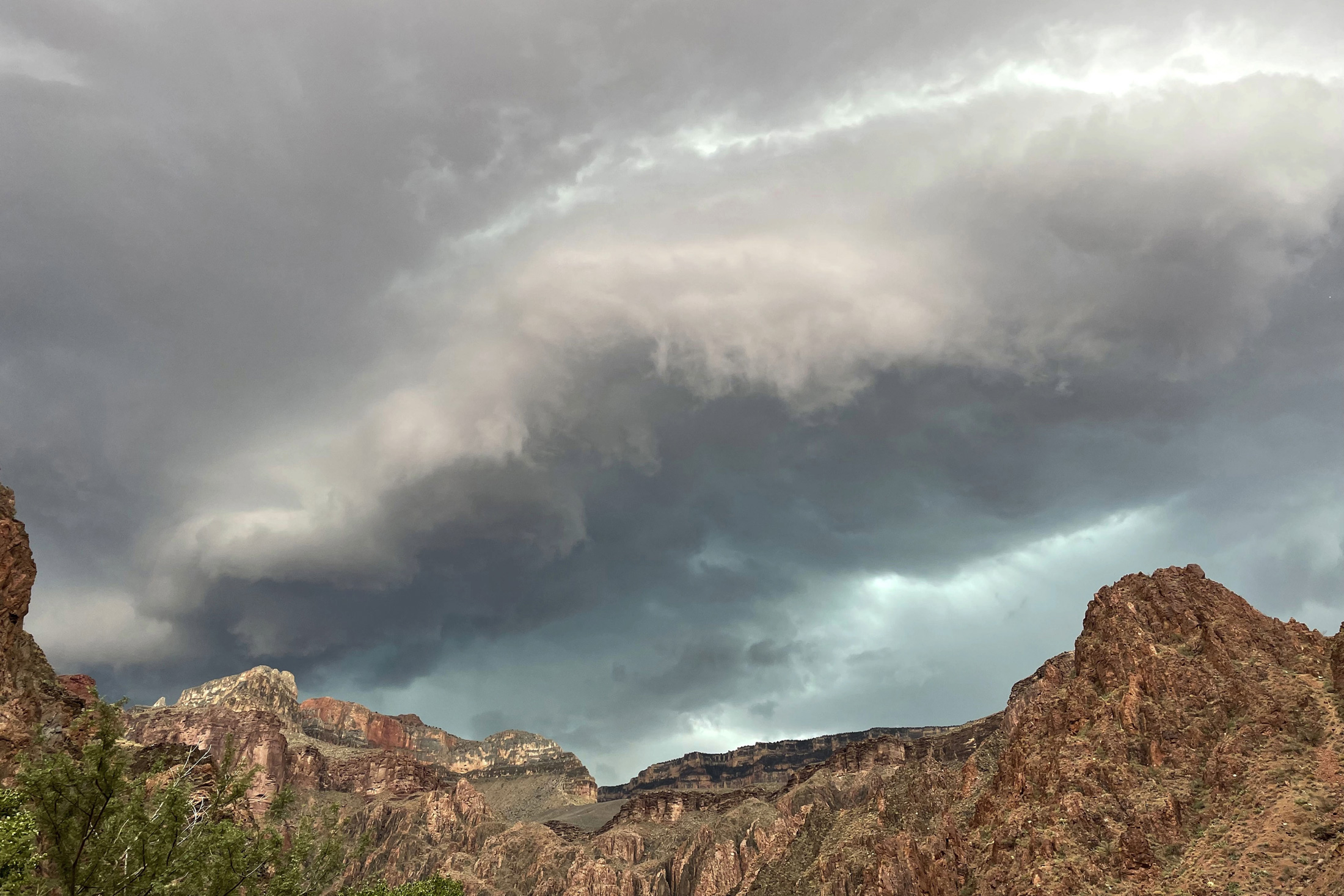
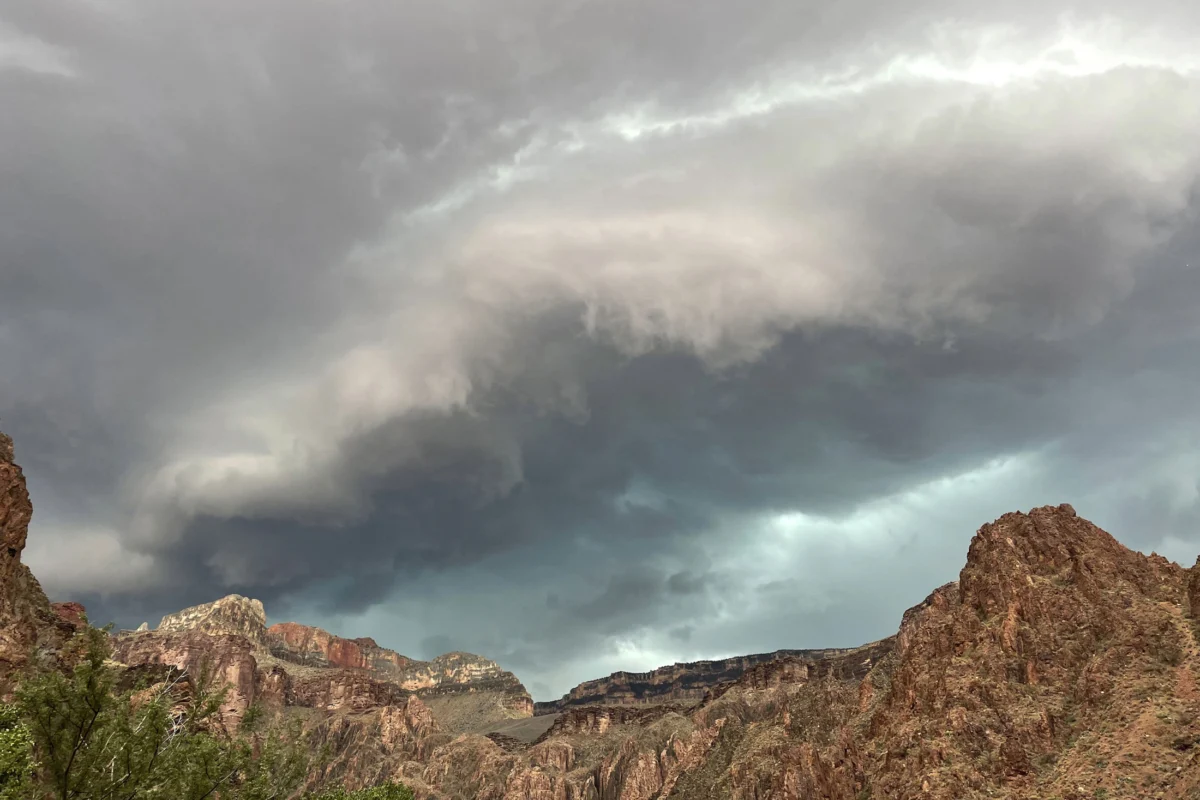
In many respects, this dramatic swing from extreme aridity to overwhelming moisture encapsulates the character of the 2026 water year, which concluded on September 30th. Across both the Colorado River and Rio Grande watersheds, this period was defined by a paradoxical combination of intense drought and unprecedented rainfall events, which in turn fueled devastating wildfires only to be followed by catastrophic flooding. The year was bookmarked by record-breaking precipitation, even as it included one of the ten driest months on record.
The water year commenced with significant rainfall, particularly in the San Juan River Basin of southwestern Colorado, a primary source for one of the Colorado River’s major tributaries. Remnants of a tropical storm delivered over six inches of rain within approximately 48 hours at Wolf Creek Pass, near the headwaters of both the San Juan and Rio Grande rivers. This deluge caused the San Juan River to swell dramatically, exceeding 8,000 cubic feet per second, breaching its banks, and inflicting considerable damage upon the town of Pagosa Springs. The event also significantly boosted the surface elevation of Navajo Reservoir, situated on the Colorado-New Mexico border, by roughly 50 feet.

This early season precipitation initially offered promising signs for the approaching winter. The hope was that such moisture, if falling as snow, would establish a substantial snowpack, benefiting winter sports enthusiasts and, more critically, providing ample runoff for the spring melt. This runoff is essential for replenishing the nation’s second-largest reservoir, Lake Powell, and preventing it from reaching critically low levels. However, contrary to expectations, the anticipated heavy snowfall failed to materialize during the heart of winter. When snow did fall, it often melted rapidly, sometimes even before reaching the ground.
A key factor contributing to this phenomenon was the timing of the precipitation; the abundant moisture arrived too early in the season to be deposited as snow. However, the most significant influence was undoubtedly temperature. Data from the National Oceanic and Atmospheric Administration indicates that the majority of the Western United States experienced its warmest autumn and winter on record. The only region to deviate from this trend was the Pacific Northwest, which recorded its second-warmest autumn and winter over a 130-year period. Consequently, even areas that received near-normal precipitation levels and were not technically classified as being in drought endured one of the most severe snow droughts in recorded history.

The water systems of the West – encompassing streams, rivers, reservoirs, irrigation networks, and municipal water supplies – are heavily reliant on snowmelt, which accounts for at least 80% of their water flow. A deficit in snowfall directly translates to reduced runoff, leading to the depletion of reservoir levels. By September, Lake Powell had reached its lowest point since the 1960s, triggering widespread alarm among the tens of millions of people who depend on its water.
Droughts, including the phenomenon of "snow drought," are not uncommon in the Western United States, nor are extreme fluctuations in weather patterns. However, the drought experienced in 2026 stood out as one of the most severe in over a century. A peer-reviewed study published in the summer of 2026 by researchers at the Colorado School of Mines concluded with high confidence that this extreme drought was a direct consequence of human-induced climate change.

The authors of this study found that, across the Western United States as a whole, the probability of experiencing such a severe snow drought in the current climate is approximately four times greater than it was during the pre-industrial period of 1850-1900. The situation was even more dire in the Upper Colorado River Basin, the epicenter of the drought, where the likelihood of these extreme conditions occurring in our present climate is estimated to be about 14 times higher than in pre-industrial times.
While these findings do not suggest that severe snow droughts will become an annual occurrence, they underscore a clear trend. As global temperatures continue to rise, residents of the Western United States must prepare for increasingly extreme, unpredictable, and often destructive weather events. The year 2026 served as a potent reminder of the profound impact of climate change on the region’s most precious resource: water. The stark contrast between the parched riverbeds and the sudden, overwhelming floods highlights the urgent need for adaptive strategies and robust water management policies in the face of a rapidly changing climate. The delicate balance of the Western ecosystem, heavily dependent on predictable snowpack and timely melt, is being profoundly disrupted, demanding innovative solutions and a collective commitment to mitigating further environmental degradation. The implications extend beyond agriculture and urban water supplies, impacting biodiversity, recreational economies, and the very cultural identity of communities shaped by the availability and rhythm of water.