Johny Prima
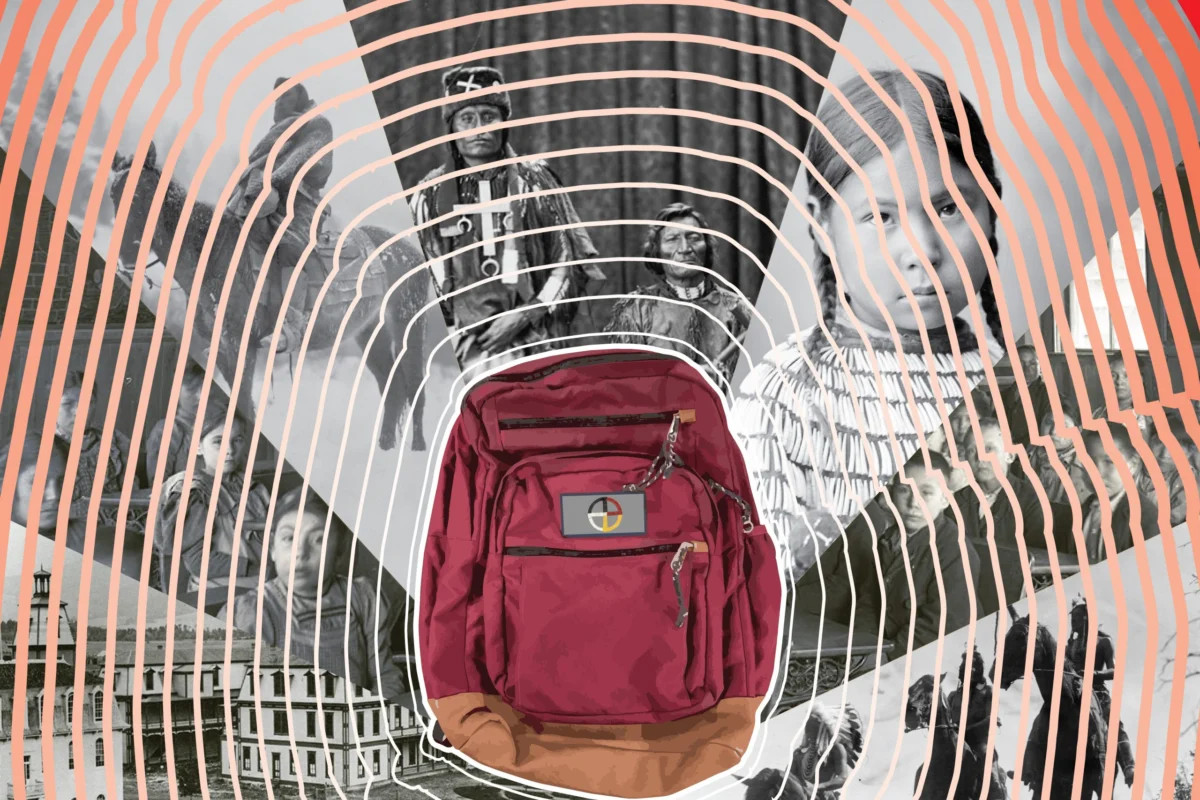
Montana, the sole U.S. state constitutionally mandated to educate its students on Native cultures and contributions, recently reached a pivotal settlement in a lawsuit challenging its inconsistent implementation of this critical directive. This landmark agreement, forged between the state, the American Civil Liberties Union (ACLU), several tribal nations, the Native American Rights Fund (NARF), and a coalition of students and parents, aims to transform a decades-old constitutional promise into a tangible educational reality for all Montanans, offering a potential blueprint for other jurisdictions grappling with similar issues of historical and cultural inclusion.
The state’s unique obligation stems from Article X of its 1972 Constitution, which unequivocally guarantees equal educational opportunity for all while simultaneously recognizing "the distinct and unique cultural heritage of the American Indians" and committing "in its educational goals to the preservation of their cultural integrity." This visionary provision stands in stark contrast to most other Western state constitutions, which offer limited explicit protections for Indigenous cultures, with the notable exception of Hawai’i. To operationalize this constitutional promise, Montanans enacted the Indian Education for All (IEFA) statute in 1999. This legislation compels educators to collaborate directly with tribal nations to develop curricula that accurately present "the cultural heritage and contemporary contributions of American Indians, with particular emphasis on Montana Indian tribal groups and governments." The stated goals, as outlined by the Office of Public Instruction, extend beyond mere historical instruction to encompass cultural enrichment, enhanced academic engagement, and equitable teaching practices for both Native and non-Native students.
Despite the clear constitutional and statutory framework, the implementation of IEFA has been notably inconsistent. While some public school districts have successfully integrated high-quality Indian education, a significant number—more than half, according to Samantha Blencke, a senior staff attorney with NARF—have fallen short. This disparity persisted despite the program’s long-standing nature and its non-optional status, signaling a systemic failure in oversight and accountability. Concerns about this lack of compliance prompted Alex Rate, legal director of ACLU Montana, to initiate an investigation in 2019 following anecdotal reports and growing community outrage. The inquiry unearthed alarming findings: millions of dollars annually appropriated by the state Legislature for Indian education were often unaccounted for or egregiously misspent. Investigations revealed instances of funds being diverted to unrelated expenditures, such as general library acquisitions or even football stadium scoreboards, starkly betraying the constitutional intent. This glaring lack of transparency and proper stewardship fueled a collective desire among affected communities to seek legal redress.
The ensuing lawsuit, filed in 2021, brought together a powerful alliance of plaintiffs, including the Northern Cheyenne Tribe, the Fort Belknap Indian Community, the Fort Peck Assiniboine and Sioux Tribes, the Confederated Salish and Kootenai Tribes, the Little Shell Tribe of Chippewa Indians of Montana, and later, the Crow Tribe, alongside the ACLU, NARF, students, and parents. Rather than targeting individual school districts, the plaintiffs strategically sued two state agencies with overarching supervisory responsibilities for Montana’s public education system: the Office of Public Instruction (OPI) and the Board of Public Education (BPE). This approach aimed to ensure a statewide impact, transforming constitutional rhetoric into a legally binding commitment that permeated every corner of the state’s educational apparatus.
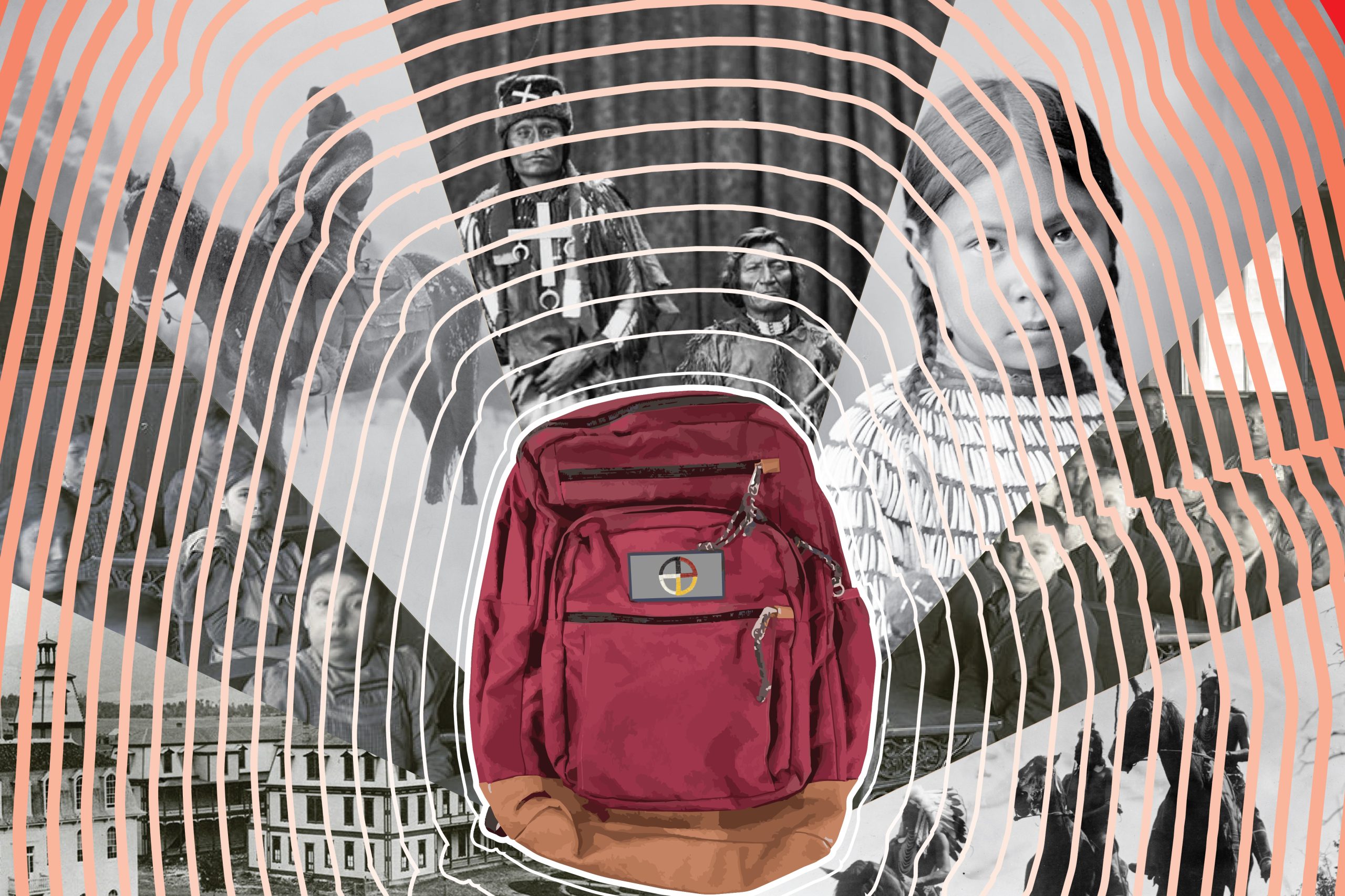
The stakes of this educational equity battle extend far beyond Montana’s borders. Across the United States, Indigenous students disproportionately face educational environments that often ignore or misrepresent their histories and cultures. Jason Dropik, executive director of the National Indian Education Association (NIEA) and a member of the Bad River Band of Lake Superior Chippewa Indians, recounts his own experience of a fourth-grade textbook dedicating only a single paragraph to Native people, followed by a teacher’s misguided request for him to educate the class. This narrative is echoed in broader NIEA research, which reveals that while over 90% of Native students attend public schools nationwide, the majority of their teachers, even in predominantly Native schools, are white. Compounding this, Native students are approximately three times more likely than the average American child to report fearing attacks at school. Dropik emphasizes that fostering a sense of identity and belonging through culturally relevant education is fundamental to ensuring student safety, which in turn leads to improved attendance and higher educational attainment. He underscores the critical need for state leaders, districts, and schools to cultivate genuine, trust-based relationships with local tribal nations.
While Montana stands out with its constitutional mandate, other Western states have also begun to address the historical neglect of Indigenous education through various legislative and departmental initiatives. Oregon and Washington require collaborative curriculum development with tribal nations for K-12 education. California and New Mexico have established Indian Education Acts. Arizona, Colorado, Idaho, and Alaska host dedicated offices or departments focused on Indigenous education. Wyoming, in 2018, mandated the inclusion of "the history, traditional culture and contemporary contributions of Wyoming and regional Native American tribes" within its social studies standards. Nevada also has a history of Indian education legislative efforts, albeit with fluctuating funding. However, the constitutional bedrock in Montana, as highlighted by Alex Rate, offers a more resilient and foundational protection against the shifting sands of political landscapes, providing a potentially more enduring framework for educational equity. This sentiment resonates with a growing global movement advocating for Indigenous self-determination and culturally appropriate education, seen in nations like Canada, Australia, and New Zealand, which are also working to integrate Indigenous knowledge and perspectives into their national curricula, often as part of broader reconciliation efforts.
The recent two-part settlement, with the Board of Public Education in May and the Office of Public Instruction last month, marks a significant turning point. It unequivocally affirms the state’s responsibility for actively overseeing IEFA implementation at both the district and individual school levels, a responsibility Montana had initially denied. Samantha Blencke views this accountability framework as a crucial model for other states, stressing that a mere legal or policy statement is insufficient. Effective implementation, she argues, demands robust systems that clearly delineate responsibilities, mandate evidence of compliance, establish rigorous review processes, and outline consequences for non-compliance. Critically, the settlement emphasizes the cultivation of lasting government-to-government relationships between state authorities and tribal nations, moving beyond transactional engagements to genuine partnership.
The settlement’s terms focus on systemic improvements rather than monetary compensation. Key provisions include enhanced teacher training programs to ensure cultural competency and accurate historical instruction, stringent spending documentation requirements, comprehensive audits to prevent misuse of funds, and mandatory tribal consultation in curriculum development. While neither state agency admitted wrongdoing, both committed to undertaking more proactive oversight to ensure districts and schools meet state-mandated requirements. Montana Superintendent Susie Hedalen, leading the OPI, expressed her satisfaction with the agreement, stating, "We can move forward with ensuring every Montana student receives authentic instruction on our state’s tribal nations. In Montana, we support all students and work to ensure they are seen and supported." Michael Dolson, Council Chairman of the Confederated Salish and Kootenai Tribes, echoed this sentiment, emphasizing that "Indian Education for All builds the understanding and respect that all of our communities need."
This resolution underscores the powerful impact of legal action in holding states accountable to their constitutional and statutory obligations. Jason Dropik of NIEA reinforces the idea that state entities must approach tribal nations with a spirit of genuine relationship-building, grounded in curiosity and mutual support, rather than mere transactional interactions. When the common good is elevated through inclusive and respectful education, he concludes, everyone ultimately benefits, fostering a more informed, empathetic, and unified society.