Joko Susilo
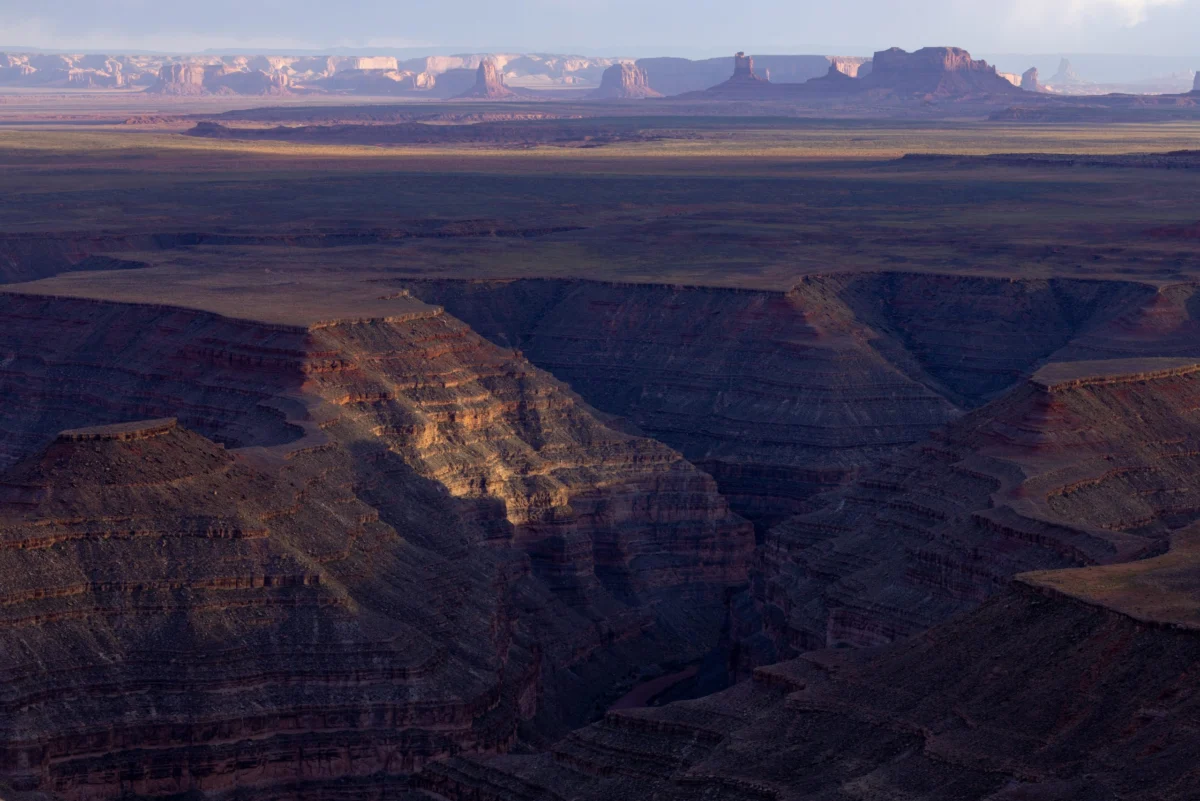
Established in 2016 by President Barack Obama, the original Bears Ears National Monument spanned 1.35 million acres, a designation celebrated as a landmark achievement in conservation and a testament to collaborative land management. Crucially, its founding proclamation was the first ever to incorporate Native languages and explicitly recognized the deep spiritual, cultural, and historical ties of five sovereign tribal nations—the Hopi Tribe, Navajo Nation, Ute Mountain Ute Tribe, Ute Indian Tribe of the Uintah and Ouray Reservation, and Zuni Tribe—to the land. This collaborative spirit led to the formation of the Bears Ears Inter-Tribal Coalition, a pioneering alliance that advocated for and then co-managed the monument, embodying a progressive vision of federal-tribal partnership rooted in shared stewardship and respect for traditional ecological knowledge. The monument’s name itself, "Bears Ears," refers to two prominent buttes that stand as natural landmarks, sacred to many Indigenous communities.
In stark contrast to this spirit of collaboration and reverence, the Trump administration’s 2017 proclamation significantly diminished the monument’s scope, reducing Bears Ears to two separate, smaller units totaling just over 200,000 acres. Critics argue that this revised proclamation deliberately sought to downplay the land’s unique significance, describing it as an "unremarkable" landscape common across the Southwest and framing land protection as an act of federal "theft" rather than preservation. This narrative, widely condemned by conservationists and tribal leaders, directly contradicted the foundational principles of the Antiquities Act of 1906, which empowers presidents to designate national monuments for the protection of historic landmarks, historic and prehistoric structures, and other objects of historic or scientific interest. The Bears Ears region, with its unparalleled density of archaeological sites, including cliff dwellings, petroglyphs, and ancient artifacts dating back thousands of years, along with its rich biodiversity and geological formations, unequivocally meets these criteria, its profound history and cultural significance woven into every canyon and mesa.
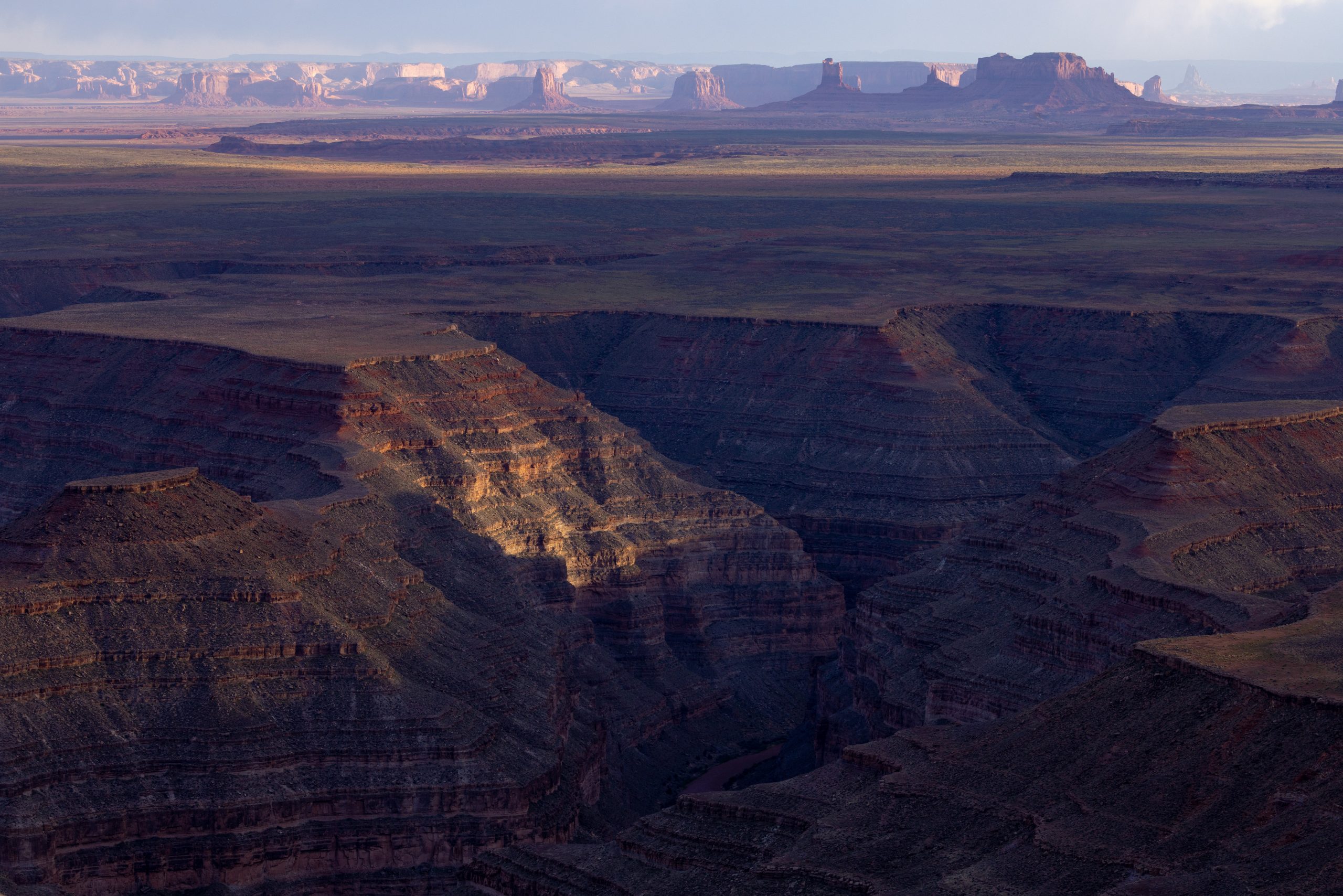
The urgency surrounding these reductions extends beyond philosophical disagreements. Immediately following the proclamation, mining claims began to appear within the areas stripped of monument protection, particularly for valuable resources such as uranium, oil, and gas. This rapid pivot towards industrial development highlights the administration’s aggressive intent to open these ancestral lands to extraction, posing an irreversible threat to fragile ecosystems and irreplaceable cultural heritage sites. Once disturbed by drilling rigs, bulldozers, and mining operations, these landscapes can never fully revert to their pristine state, erasing millennia of human history and natural processes. This potential for irreparable damage underscores the high stakes of the ongoing legal battle, as every passing month under the reduced designation brings the possibility of permanent alteration closer.
At the heart of this dispute lies a fundamental challenge to tribal sovereignty and the very notion of meaningful consultation. Tribal nations, whose presence on these lands predates the formation of the United States by thousands of years, argue that no sitting president holds the unilateral right to disregard their voices, leadership, and time-honored land-management practices. The dissolution of the Bears Ears Commission, which represented a model for empowering Indigenous communities in federal land decisions, was perceived as a direct affront to tribal self-determination and a betrayal of trust built over decades. This sentiment resonates far beyond the borders of Utah, echoing concerns among Indigenous peoples worldwide who continue to fight for recognition of their inherent rights to manage and protect their ancestral territories against external pressures.
Opponents of the monument’s original designation often cited concerns about federal overreach and restrictions on local land use, fueled by what monument proponents describe as "fearmongering" and the false suggestion that protecting these lands necessitates a loss for others. However, the original proclamation explicitly allowed for traditional uses by Indigenous peoples, including ceremonial practices, gathering of medicinal plants, and hunting, all under a framework designed to protect the monument’s values. The current administration’s actions, instead, have sown widespread uncertainty and distrust, actively dismantling a vision of cooperative land management that tribes painstakingly developed over a decade in good faith with the Bureau of Land Management and other federal agencies.

In response to the proclamations, a broad coalition of tribal nations and conservation organizations swiftly launched legal challenges. Major plaintiffs, including the Navajo Nation, Hopi Tribe, Ute Mountain Ute Tribe, Zuni Tribe, Ute Indian Tribe of the Uintah and Ouray Reservation, alongside environmental groups such as the Southern Utah Wilderness Alliance, Grand Canyon Trust, and the Natural Resources Defense Council, and even outdoor retailer Patagonia, filed multiple lawsuits. Their central legal argument is straightforward: the Antiquities Act grants presidents the authority to establish national monuments, but it does not confer the power to revoke or substantially reduce them. This interpretation draws upon a century of legal precedent and congressional intent, asserting that only Congress can modify a monument once it has been designated. The cases are currently making their way through federal courts, with the potential to reach the Supreme Court, creating a pivotal legal showdown that could redefine the scope of presidential power over public lands for generations.
The fight for Bears Ears and Grand Staircase-Escalante transcends a mere policy disagreement; it represents a profound struggle for cultural survival, environmental justice, and the defense of public lands. The vast coalition supporting the full restoration of these monuments includes millions of Americans from diverse backgrounds, all united in demanding that these sacred landscapes remain protected. While the legal battles unfold, the call for public engagement remains paramount. Advocates emphasize that litigation alone, however crucial, cannot fully safeguard these irreplaceable places. It will require sustained public awareness, advocacy, and a collective commitment from all Americans to speak out against actions that threaten to erase invaluable cultural heritage and degrade pristine natural environments. The continued existence of Bears Ears, in its full and intended glory, stands as a symbol of respect for Indigenous traditions, a commitment to environmental stewardship, and the enduring power of collaborative conservation.