Johny Prima
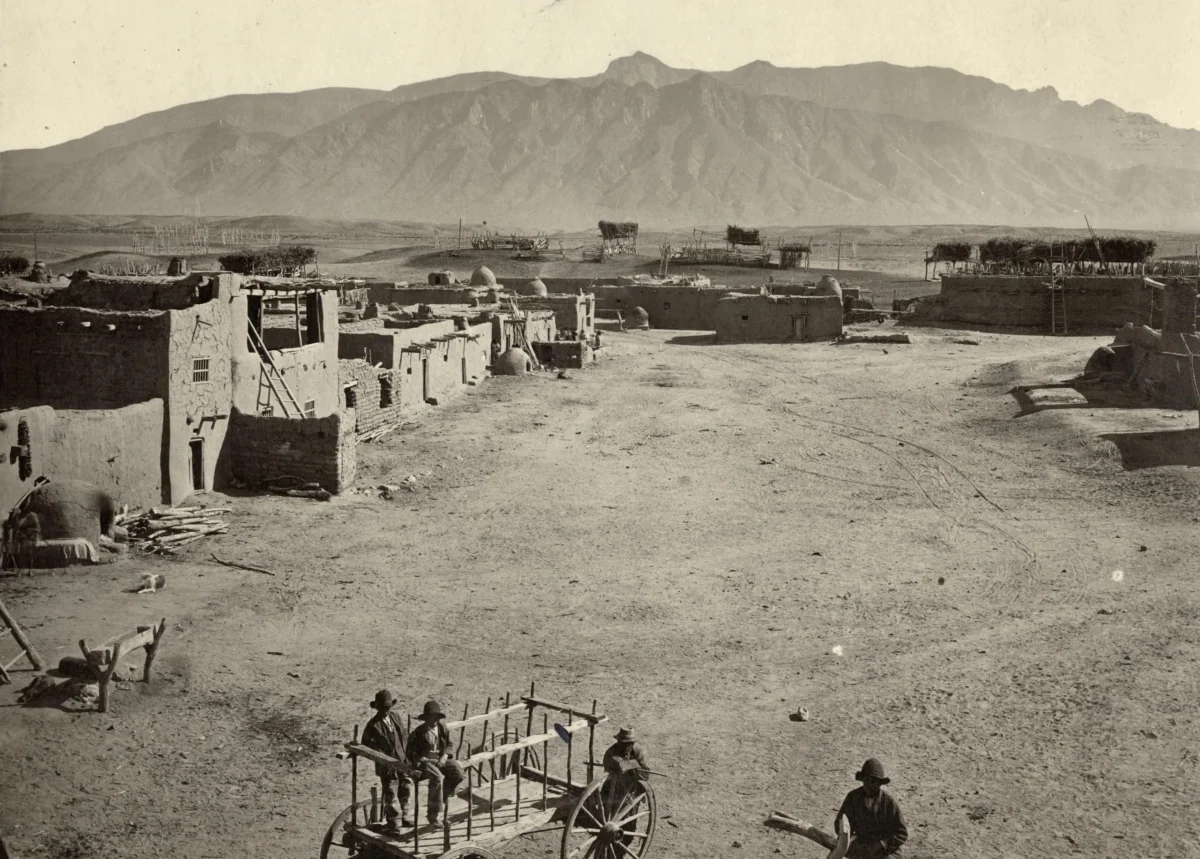
The Pueblo of Sandia is urging Congress to enact a pivotal land transfer, shifting control of the T’uf Shur Bien Preservation Area from the U.S. Forest Service to the Bureau of Indian Affairs, a move they assert is vital for the enduring protection of the sacred Sandia Mountain and the cultural heritage intertwined with it. This plea comes from a community that has stewarded these lands for millennia, maintaining an unbroken relationship with the iconic Sandia Mountain and the life-giving Rio Grande in what is now New Mexico, even through centuries of profound geopolitical shifts and existential threats from Spanish, Mexican, and American governmental incursions. For the people of Sandia, the mountain is not merely a geographic feature; it stands as their profound spiritual sanctuary, their ancestral protector, and the irreplaceable source of their community’s well-being, simultaneously providing critical habitat for diverse wildlife, sustaining vital ecosystems, and offering unparalleled beauty and recreational opportunities for hundreds of thousands across the Middle Rio Grande Valley.
The current appeal to lawmakers and the public underscores a critical juncture where respect for Indigenous culture, traditional knowledge, and inherent sovereignty must translate into concrete action, particularly amidst the accelerating challenges of a rapidly changing global climate and increasing human pressure on natural resources. This proposed transfer represents a significant step towards rectifying historical injustices and empowering the Pueblo to apply its time-honored stewardship practices more effectively. The T’uf Shur Bien Preservation Area, established by Congress in 2022, was a legislative acknowledgment of the Pueblo’s ancestral claims and cultural ties, yet the current management structure under the U.S. Department of Agriculture’s Forest Service has proven insufficient to fully protect its sacred and ecological integrity.
Despite the dedicated efforts of local Forest Service employees, who have navigated shifting political landscapes to safeguard this special region, the Pueblo has consistently observed escalating degradation. Evidence of this includes pervasive litter and graffiti, significant deferred maintenance, compromised fence lines, the proliferation of illegal trails, consistent violations of occupancy regulations, and widespread disrespect from individuals who disregard both the spiritual sanctity and natural splendor of Sandia Mountain. Compounding these issues, the destruction of irreplaceable cultural sites and relentless encroachment into sensitive ecological zones continue unabated, directly undermining the federal government’s stated commitment to protection enshrined within the T’uf Shur Bien Preservation Trust Area Act.
This contemporary struggle is deeply rooted in a history of dispossession and administrative oversight that dates back centuries. The Pueblo’s inherent right to these lands was first formally recognized by the King of Spain in a 1748 land grant, which explicitly defined the eastern boundary as the "main ridge" of Sandia Mountain. This grant was subsequently affirmed by the U.S. Congress in 1858, following the Treaty of Guadalupe Hidalgo in 1848, which concluded the Mexican-American War and transferred vast territories, including New Mexico, to the United States. The treaty stipulated that the U.S. would honor existing land grants made by Spain and Mexico. However, a crucial 1859 survey, hastily conducted over just four days, arbitrarily deviated from the established "main ridge" boundary, instead tracing an inconsistent line along the foothills adjacent to the Pueblo. This arbitrary re-delineation resulted in the unjust loss of approximately 10,000 acres from the Pueblo’s ancestral domain, a foundational injustice that has resonated through generations.

The 2022 T’uf Shur Bien Act sought to partially rectify this historical acreage loss, which had severed the Pueblo from the ridgeline of Sandia Mountain, an area integral to their spiritual and cultural practices. This landmark legislation granted tribal members "free and unrestricted access to the Area for traditional and cultural uses," while simultaneously safeguarding the interests of private landowners within the claim area. Crucially, it aimed to perpetually defend the wilderness character of the region and explicitly prohibit logging, mining, and other forms of industrial development. However, the Pueblo argues that while the Act was a welcome step, transferring land ownership to the Bureau of Indian Affairs, which holds land in trust for Native American tribes, is the necessary next stage to ensure robust and culturally appropriate management. This transfer would fully align the land’s legal status with its intended purpose as a sacred and protected Indigenous space.
To garner support for this critical transfer from the U.S. Department of Agriculture to the Department of the Interior, the Pueblo of Sandia embarked on an extensive outreach campaign, conducting over 75 meetings with a diverse array of stakeholders. These engagements included dialogues with lawmakers, neighboring communities, local businesses, and concerned citizens, all aimed at clearly articulating the profound importance of this proposed change for the Pueblo’s future and the mountain’s well-being. Despite these diligent efforts and the Pueblo’s unblemished record of upholding promises and agreements, a persistent stream of disinformation continues to circulate within various media channels and certain communities, creating unnecessary apprehension.
The Pueblo of Sandia unequivocally states that this land transfer will not impede existing access for responsible, respectful recreational users, nor will it deny access to landowners. Upon transfer, all authorized existing uses and activities will remain intact, including established public rights-of-way for roads and utility corridors. Visitors will continue to enjoy the area’s natural beauty, while the lands, waters, and precious wildlife of Sandia Mountain will receive enhanced protection, not just for the present generation but for all future generations. This commitment reflects a long-held Indigenous philosophy of stewardship, where current decisions are made with a seven-generation perspective.
By assuming direct management of the T’uf Shur Bien Preservation Area, the Pueblo will gain the essential autonomy to more effectively safeguard its unique culture, ancestral traditions, and time-honored way of life. This includes preserving sacred sites, ensuring the continuity of traditional practices, and protecting the spiritual connection that defines the Pueblo’s identity. Furthermore, this localized control will significantly enhance the mountain’s resilience against future development pressures, further environmental degradation, and the escalating threat of catastrophic wildfires, a particularly urgent concern in the arid Southwest. The Pueblo’s deep understanding of the local ecosystem, honed over millennia, enables them to offer invaluable, culturally informed solutions, resources, and strategies precisely tailored to the distinctive cultural and physical landscape of the region. This localized expertise will also foster more efficient intergovernmental coordination efforts for critical services such as emergency responses, public safety initiatives, and law enforcement activities, ensuring a more integrated and effective management approach.
The profound religious and traditional significance of Sandia Mountain to the Pueblo necessitates its careful preservation. Beyond its cultural importance, the mountain’s ecological health is paramount for the overall vitality of the Middle Rio Grande Valley, serving as a critical watershed and a biodiversity hotspot that benefits all who reside in the region. The Pueblo’s long and unwavering record of love and meticulous care for the mountain stands as an unparalleled testament to their commitment to its welfare. As Governor Stuart Paisano, who oversees the Pueblo’s day-to-day operations with over two decades of government and private sector experience, and Warchief Donald Avila, responsible for all religious activities, assert, there is no entity with a longer or more profound connection to this land. Their leadership embodies the ancestral wisdom and modern governance necessary to ensure Sandia Mountain thrives, reflecting a global movement where Indigenous communities are increasingly recognized as indispensable partners in conservation and climate resilience. This transfer is not merely a legal transaction; it is a profound act of restorative justice and an investment in a sustainable future for a sacred landscape and all its inhabitants.