Rocky Georgio
Arizona is formally entering the legal fray against the federal government’s decade-long plan for managing the Colorado River, a move that could significantly diminish the state’s water allocation. The Arizona Department of Water Resources filed a motion to intervene in a lawsuit previously initiated by Nevada, asserting that the federal administration’s strategy for the increasingly depleted river system would "devastate Arizona’s economy." In their motion, state attorneys argued that the survival of Arizona’s communities, agricultural sector, and industrial businesses hinges on a sufficient supply of Colorado River water.
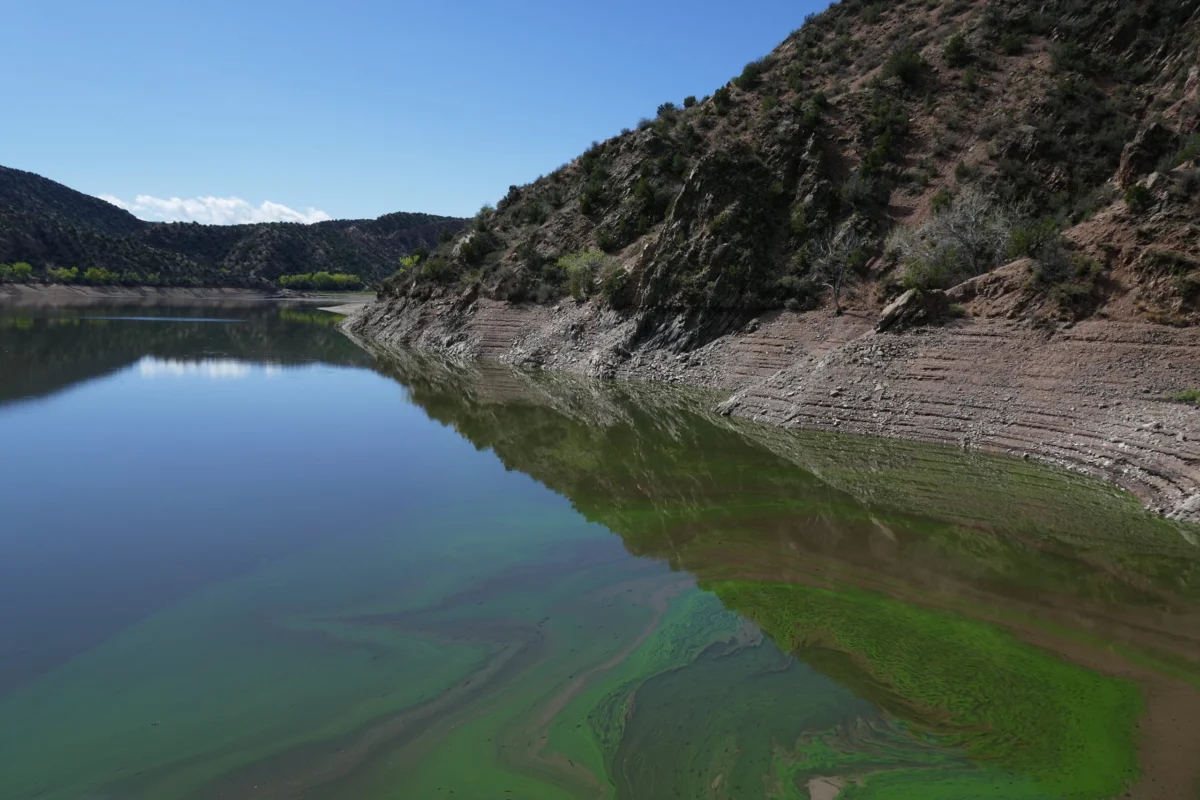
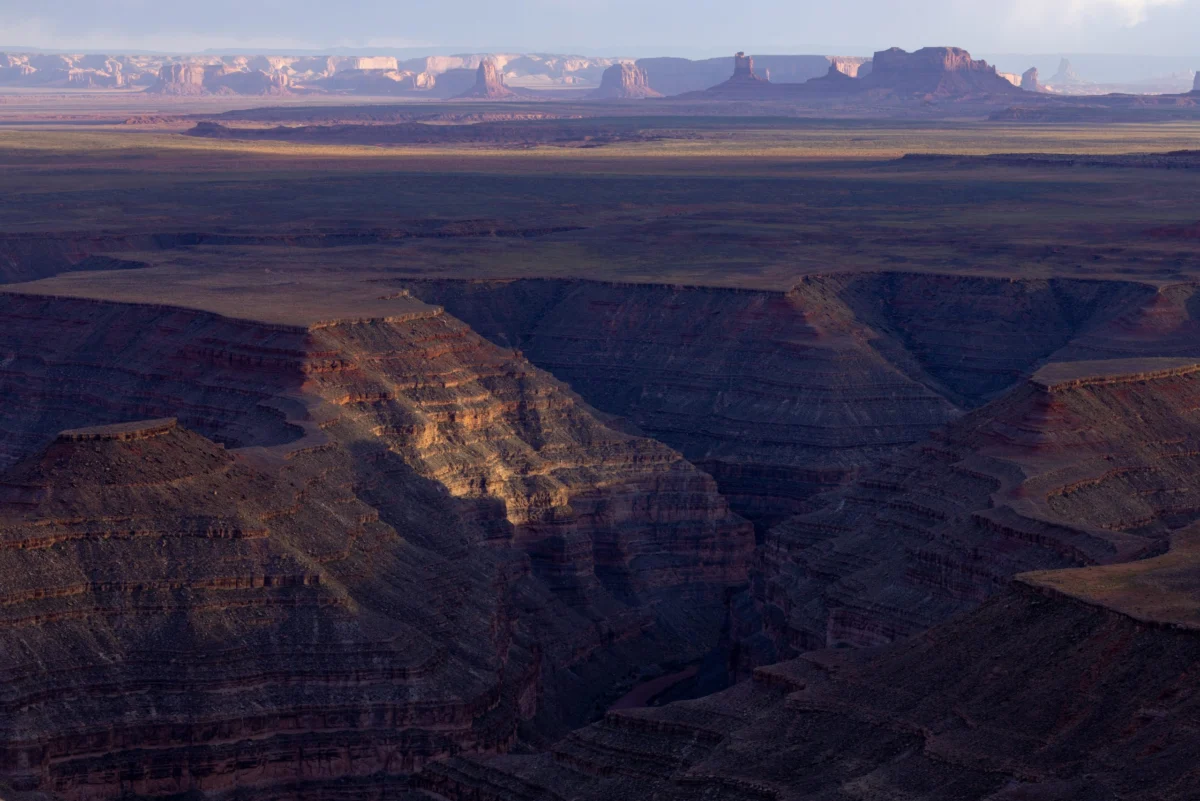
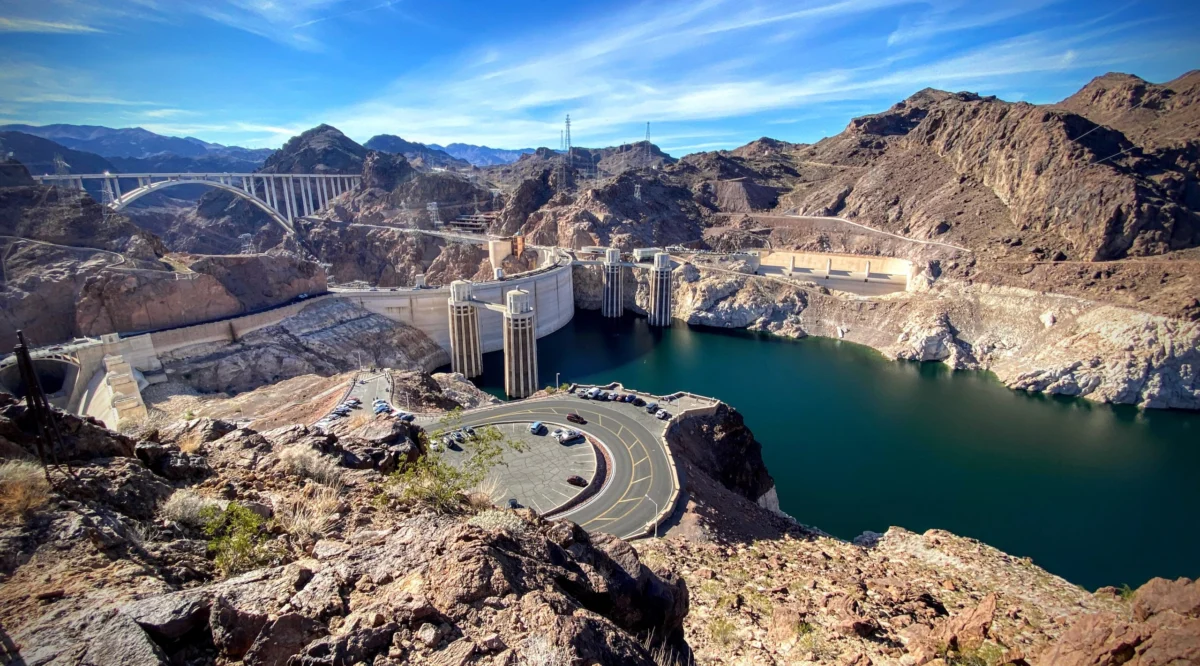
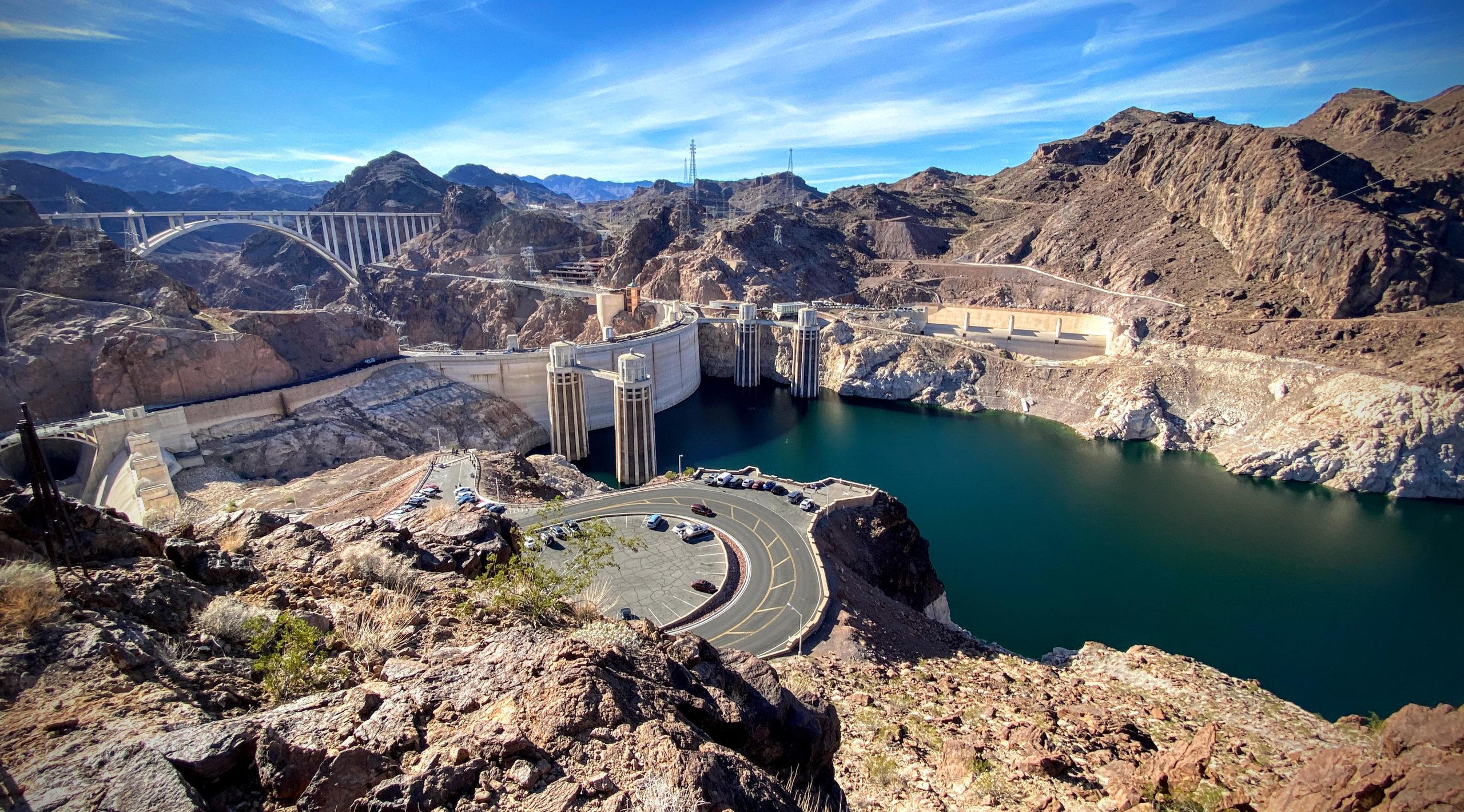
This escalation follows Nevada’s late August lawsuit, which challenged several federal agencies. Nevada contended that the federal plan disproportionately burdens the Lower Basin states. The Colorado River, a vital water source for seven U.S. states and parts of Mexico, is facing unprecedented scarcity. This dwindling supply is attributed to a confluence of factors: accelerating climate change, which reduces winter snowpack and subsequent spring runoff that replenishes crucial reservoirs like Lake Mead and Lake Powell, and foundational mid-20th-century water allocation agreements that promised more water than the river can sustainably provide. Faced with an inability for the seven Colorado River Basin states to reach a consensus on water management, the federal government stepped in with a plan aimed at better aligning water availability with withdrawal rates.
Both Arizona and Nevada contend they have already made substantial efforts in water conservation and argue they are being unfairly targeted by the federal plan. Tom Buschatzke, Director of the Arizona Department of Water Resources, stated in an October 16th release that the Lower Basin states have collectively contributed millions of acre-feet of water to stabilize the river system. He emphasized Arizona’s significant sacrifice, noting that over 5.5 million acre-feet of the state’s water have remained in Lake Mead since 2014. "No state has sacrificed more," Buschatzke declared, adding that the federal decision places the entire burden of future sacrifices on only three states, a framework Arizona is now joining Nevada in challenging.
The Colorado River Basin is geographically divided into the Upper Basin states – Colorado, New Mexico, Utah, and Wyoming – and the Lower Basin states – Arizona, Nevada, and California. The cornerstone of their water management, the 1922 Colorado River Compact, originally allocated 7.5 million acre-feet of water annually to each basin, with an additional smaller portion designated for Mexico. Individual states within each basin then further divide their respective allocations. An acre-foot, a standard unit of water measurement, is equivalent to approximately 325,851 gallons, enough to cover an acre of land one foot deep. In Arizona, this volume is generally sufficient to supply three single-family homes for an entire year.
California holds the largest share of Colorado River water, receiving 4.4 million acre-feet annually, representing about 27% of the total. Arizona’s allocation stands at 2.8 million acre-feet (approximately 17%), while Nevada receives a significantly smaller 300,000 acre-feet (about 2%). These allocations are based on established legal frameworks and historical agreements.
The U.S. Bureau of Reclamation’s recently implemented plan mandates that the Lower Basin states absorb potential water use reductions. For Arizona, this translates to a proposed annual cut of 760,000 acre-feet, which amounts to roughly a quarter of its allocated water and represents the most substantial reduction among the three Lower Basin states. California would be required to reduce its usage by 440,000 acre-feet annually, and Nevada by 50,000 acre-feet. Cumulatively, these potential cuts could reach up to 3 million acre-feet. In contrast, the federal government is not imposing mandatory cuts on the Upper Basin states, instead requesting voluntary contributions of 200,000 acre-feet each over a two-year period.
Arizona Governor Katie Hobbs expressed strong opposition to the federal mandate, stating on Friday that the state would not accept a "forced federal plan that solves this crisis on the backs of our families, farmers, and businesses." The Department of the Interior, however, criticized Arizona’s legal action, asserting that the Trump Administration was actively engaged with basin states, tribes, and water users in pursuing an agreement. A spokesperson for the Department of the Interior commented that litigation would not generate additional water or alter the fundamental hydrological realities of the Colorado River Basin, and expressed disappointment in Arizona’s approach, suggesting it was prioritizing politics over constructive solutions.
Arizona’s legal complaint, filed alongside its motion to join Nevada’s lawsuit, highlights alleged flaws in the federal government’s environmental review process that underpinned the decision. The state claims that every federal alternative considered implicitly assumed that the Upper Basin states would make no significant reductions in their water use, regardless of the river’s critically low levels. The complaint further asserts that these alternatives unfairly shifted the entire burden of any resulting water shortfall onto the Lower Basin.
The complex system of Western water rights operates under a "first in time, first in right" doctrine, meaning that water users who secured their rights earlier have priority over those who established theirs later. This principle places Arizona’s Colorado River rights at a lower priority than California’s, which were acquired at an earlier date. Arizona Department of Water Resources Director Buschatzke warned that such reductions could effectively render the Central Arizona Project canal system inoperable, impact on-river communities, and more than double the water cuts already agreed upon in the Lower Basin Agreement.
Nevada’s lawsuit, filed just three days after the U.S. Department of the Interior formally announced its Colorado River plan in August, argues that the mandated cuts would inflict "devastating environmental, socioeconomic, and health and human safety impacts" on southern Nevada and its residents. The lawsuit also contends that the federal plan violates several provisions of the Law of the River, a complex body of agreements, treaties, laws, and court decisions governing the Colorado River.
Nevada Governor Joe Lombardo welcomed Arizona’s decision to join the legal challenge, characterizing it as a crucial step in contesting a federal plan that unfairly burdens the Lower Basin and fails to compel meaningful reductions from the Upper Basin. Arizona views its intervention in Nevada’s lawsuit as a strategic move to avoid initiating a separate, yet similar, legal action and to ensure its own interests are adequately represented. Director Buschatzke stated that this course of action provides the most effective path forward for protecting Arizona’s water users.