Joko Susilo
Despite the initial optimism, the Reagan administration ultimately did not enact the sweeping changes to land ownership that many rebels desired, allowing resentments to simmer across the Western states for decades. These simmering tensions periodically erupted into high-profile confrontations, none more emblematic than the 2016 occupation of the Malheur National Wildlife Refuge in Oregon, led by Ammon Bundy. This event underscored a critical evolution in the land struggle, as it became increasingly intertwined with a broader right-wing, anti-government ideology that later found a powerful advocate in Donald Trump. During his presidency, Trump echoed the historical "locked up" rhetoric of the Sagebrush Rebellion, particularly when his administration drastically reduced the size and protections for over 2.9 million acres across Bears Ears and Grand Staircase-Escalante national monuments in 2017. His claims of land being "off-limits" and inaccessible for activities like hunting and fishing, though inaccurate, resonated with a segment of the public that felt alienated by federal conservation efforts.
To fully grasp the intricate layers of these contemporary conflicts, it becomes essential to delve into their historical roots. The designation of Grand Staircase-Escalante by President Bill Clinton in 1996, for instance, ignited fierce local opposition. This monument designation effectively halted a proposed coal mine that held an estimated 62 billion tons of coal, directly challenging the region’s long-standing reliance on extractive industries. Yet, even among initial opponents, a nuanced understanding began to emerge. Many locals eventually recognized that the monument solidified two undeniable realities: the decline of Southern Utah’s traditional mining, logging, and ranching economies, and the region’s burgeoning identity as a global public-lands playground, drawing tourists from around the world. This marked a profound shift, placing communities at the precarious intersection of a fading, resource-dependent past and a burgeoning, often volatile, tourism industry characterized by its own seasonal boom-and-bust cycles. The question lingered: would the anger and resentment eventually fade as new economic realities took hold?

The answer, as subsequent decades revealed, was a resounding no. While the neighboring counties experienced significant economic growth between 2001 and 2022, with jobs increasing by 51% and per capita incomes by 41%, the Grand Staircase-Escalante monument has persistently remained a political lightning rod. It continues to channel deep-seated anxieties about the future of rural communities, sparking intense debates over how Western lands should be used, valued, and managed. These complex anxieties often coalesce into fundamental questions of community identity: Who are the people of the West? What values define them? What future do they envision for their land and their way of life?
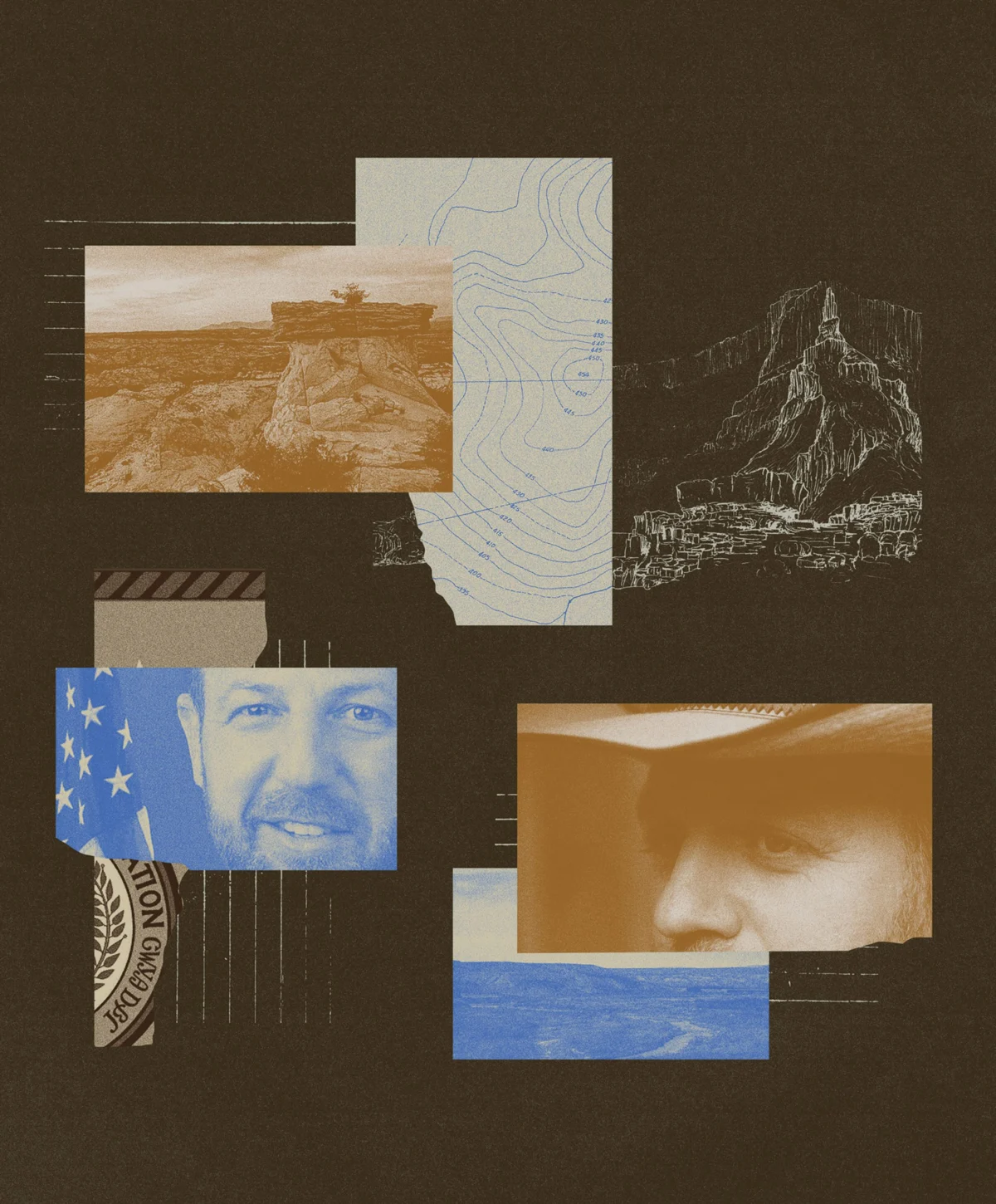
These questions of identity and political ideology also form the core of the ongoing discussions surrounding figures like Markwayne Mullin, a U.S. Senator from Oklahoma and a citizen of the Cherokee Nation. Mullin, who previously served as a U.S. Representative, embodies a series of seeming contradictions. As an ultra-conservative lawmaker, he has also been recognized for bipartisan deal-making. While often described as white-passing, he has advocated for tribal sovereignty. Yet, his political trajectory and positions often place him in alignment with policies that have been perceived as hostile to Indigenous interests. A prime example includes the Trump administration’s dramatic shrinking of Bears Ears National Monument, which had established a groundbreaking co-management structure involving a tribal land commission, a mechanism subsequently eliminated by the presidential proclamation. Furthermore, the push by the Department of Homeland Security to construct new segments of the U.S.-Mexico border wall along the southern boundary of the Tohono O’odham Nation Reservation in Arizona, despite strong tribal objections, highlights the ongoing tension between federal policies and Indigenous rights. Mullin’s unique position, navigating the complexities of his Indigenous identity within a conservative political framework, raises critical questions about whether he can effectively champion tribal interests against powerful federal agendas.
Many of the enduring tensions illuminated by these historical narratives continue to shape the contemporary political landscape, especially during election seasons. The historical portrayal of "sagebrush rebels" as the "true voice of the West," often perpetuated by media despite the unpopularity of their specific policy proposals, underscores a persistent myth. Today, the imagery of white men in cowboy hats often still dominates media depictions, presented as the "authentic" representatives of the West’s inhabitants. This narrative, however, significantly flattens the rich and increasing demographic, cultural, and economic complexity of the modern American West, which includes burgeoning urban centers, diverse immigrant populations, and vibrant Indigenous communities.

The nuanced reality of the West is visibly playing out in high-stakes races across the region this fall, with the potential to determine the balance of power in both chambers of Congress. In Alaska’s Senate race, for instance, the contest between Mary Peltola, a moderate Democrat and Alaska Native who grew up fishing the Bering Sea, and Republican incumbent Dan Sullivan, who hails from Cleveland and attended Harvard, vividly illustrates the clash of backgrounds, priorities, and identities vying for representation in the modern Western political arena.
These origin stories offer invaluable insights into the present political moment, providing essential context for understanding the movements and individuals currently shaping the American West. However, they do not dictate the future. Instead, they serve as a powerful reminder that the future remains fluid and is actively being shaped by the decisions, actions, and voices of today. The ongoing debates over land use, environmental protection, economic development, and cultural identity are not relics of the past but living issues whose resolutions will define the West for generations to come.