Joko Susilo
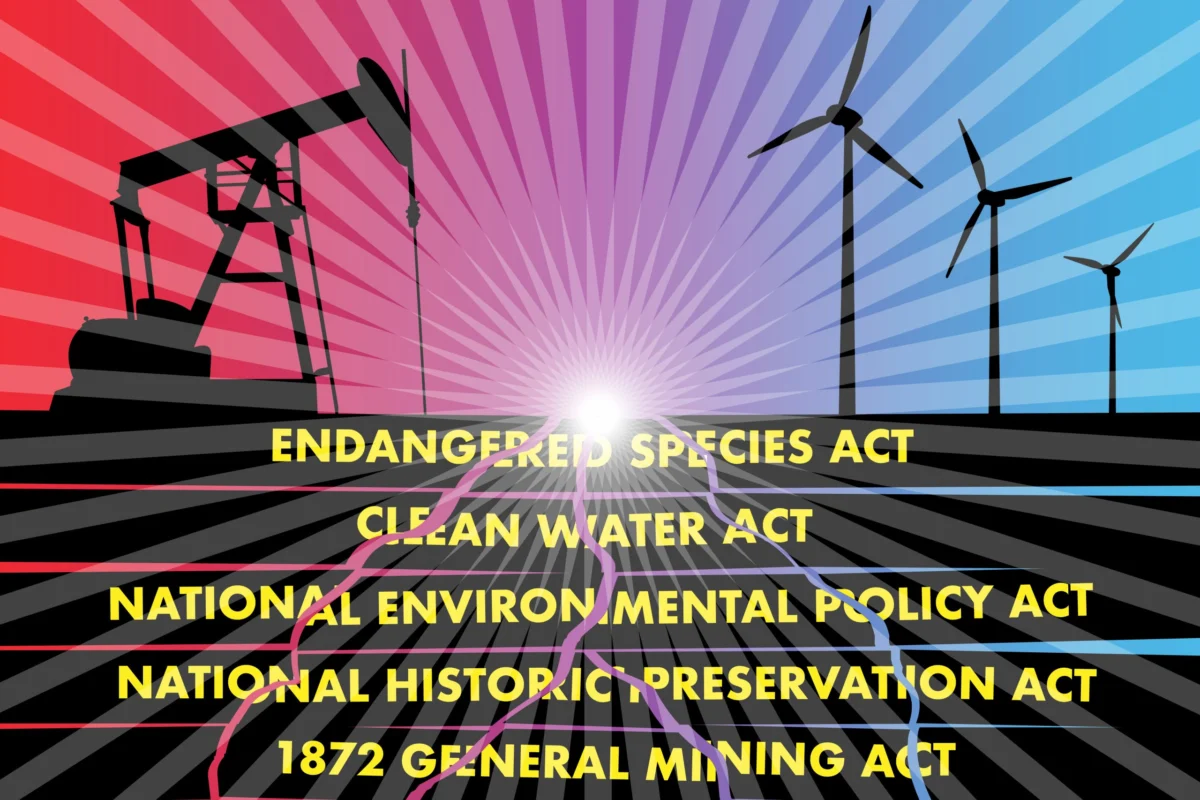
This revised interpretation creates a dangerous loophole for industrial activities, potentially allowing companies to cause widespread harm to vulnerable populations without legal repercussions. For instance, a timber operation could inadvertently decimate an entire family of critically endangered peregrine falcons during harvesting activities, or an energy company might wipe out an entire species of fish through an oil spill, all without facing the robust penalties previously enforced by the ESA. This contrasts sharply with the explicit prohibition against intentionally hunting a protected species, underscoring a double standard that prioritizes economic activity over ecological preservation. The ESA, enacted in 1973, stands as a landmark piece of legislation designed to protect and recover imperiled species and their ecosystems both domestically and abroad. Its strength has long rested on its broad definition of "take," which includes harassing, harming, pursuing, hunting, shooting, wounding, killing, trapping, capturing, or collecting any endangered or threatened species. The USFWS memo directly undermines decades of precedent and legal interpretations, including the Supreme Court’s affirmation in Babbitt v. Sweet Home Chapter of Communities for a Great Oregon that "harm" can include significant habitat modification or degradation that actually kills or injures wildlife.

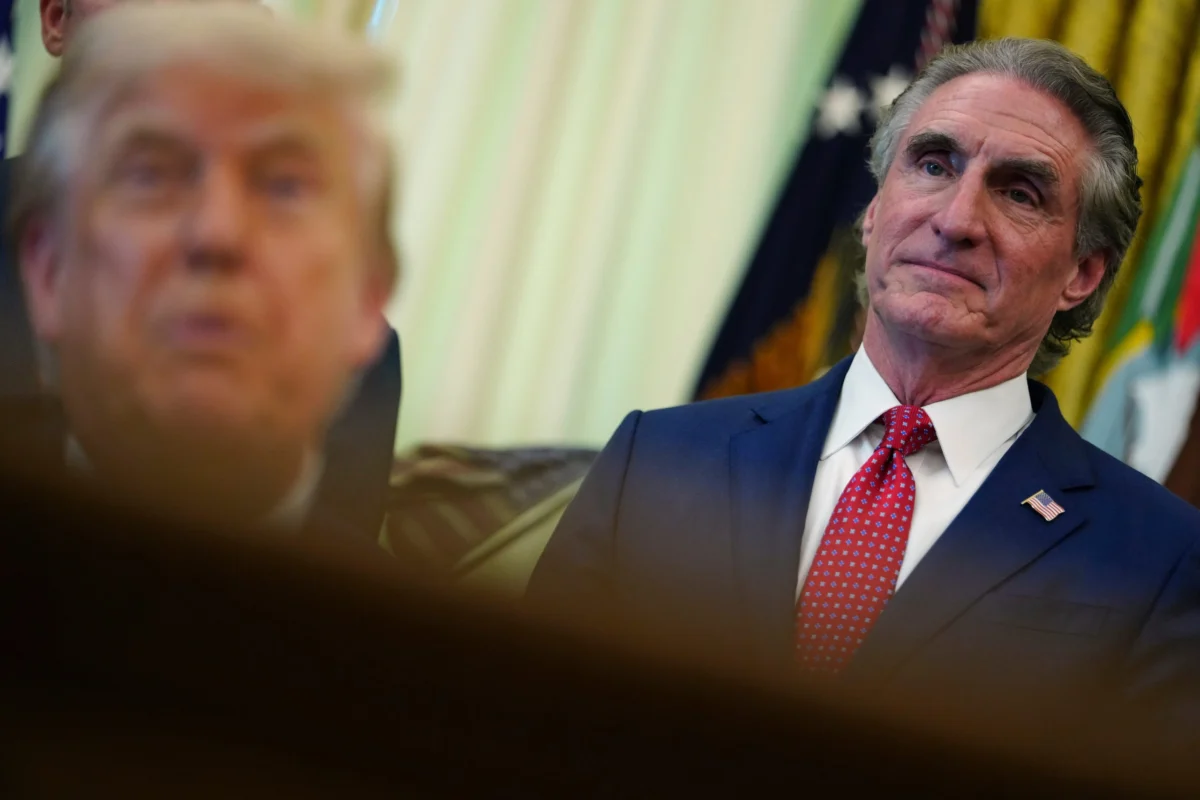
Secretary Burgum’s fingerprints are unmistakably evident on this and a cascade of other policies that have drawn fierce condemnation from environmental advocates and conservation groups. In less than two years, the former North Dakota governor has spearheaded an aggressive agenda that has systematically dismantled environmental safeguards and opened vast swaths of public lands to extractive industries. His actions include the controversial reduction of Bears Ears and Grand Staircase-Escalante national monuments by a combined 3 million acres, areas rich in cultural heritage and biodiversity. He has also championed the expansion of oil and gas drilling across ecologically sensitive Arctic wildlands, streamlined permitting for uranium mining and fossil fuel projects, and greenlit data centers on public lands with minimal public scrutiny or environmental review. This rapid pace of deregulation positions Burgum among the most environmentally destructive Interior secretaries in U.S. history, drawing comparisons to figures like James Watt, Gale Norton, and Albert B. Fall, whose tenures were marked by significant clashes over land use and conservation.
Despite this record, Burgum’s appointment at the outset of the current presidential term initially garnered cautious optimism from certain segments of the environmental community. Some viewed him as a potential "bright spot" within the Cabinet, a conservationist in the vein of his fellow North Dakotan, President Theodore Roosevelt, whom Burgum publicly admired. In January 2025, the Outdoor Recreation Roundtable, an influential coalition of outdoor-oriented businesses and organizations, endorsed his nomination, citing Burgum’s "history of support for outdoor recreation, the outdoor recreation economy, and the protection of public lands and waters" as critical for his leadership. His gubernatorial record, which included a pledge to make oil-rich North Dakota carbon-neutral by 2030 through renewable energy development and carbon capture technologies, contributed to his image as a pragmatic, old-school Western Republican. This persona helped him secure an 80-17 confirmation vote in the U.S. Senate, even drawing support from conservation-minded Democrats representing states like New Mexico, Colorado, Nevada, and Arizona. Among the signatories to the Outdoor Recreation Roundtable’s letter was REI, a prominent outdoor gear company, signaling a broader initial acceptance of Burgum’s perceived commitment to public lands.

However, a closer examination of Burgum’s political past revealed clear indicators of his true leanings. While governor, his pursuit of carbon neutrality included strong advocacy for a controversial carbon dioxide pipeline project, a venture heavily backed by Continental Resources, the massive oil and gas company founded by his close friend Harold Hamm. Furthermore, Burgum supported stringent measures to suppress protests against the Dakota Access Pipeline, issuing evacuation orders and signing legislation that effectively criminalized dissent. Following his re-election campaign in 2020, Energy Transfer, the company behind the pipeline, made significant donations to his political coffers. These actions highlighted a clear pattern of prioritizing industrial interests, particularly those of the fossil fuel sector, over environmental concerns and public expression.
During his confirmation hearing, Burgum openly articulated his vision for managing the Interior Department akin to a business, referring to the nation’s public lands as "trillions of dollars of assets" buried beneath the surface. He characterized this as "the balance sheet of America," suggesting that current policies unduly restricted its utilization. While this rhetoric likely alarmed environmentally conscious lawmakers, he attempted to temper concerns by adding that his "public land balance sheets" would not encompass wilderness areas, national parks, or "those areas we have to absolutely protect for their precious stuff." This caveat, however, proved to be a fleeting assurance.

Immediately upon assuming office, Burgum emerged as a zealous proponent of the administration’s "energy dominance" agenda. Under his direction, the Bureau of Land Management (BLM) dramatically increased the acreage leased to oil and gas companies, issuing drilling permits at a rate not witnessed since the George W. Bush administration. His department notoriously fast-tracked the environmental review and permitting process for a Utah uranium mine, completing it in a mere two weeks. This was part of a broader strategy involving dozens of regulatory rollbacks, including a contentious redefinition of "take" under the Migratory Bird Treaty Act, which weakened protections for migratory birds. The stark contrast between Burgum’s initial promises and his rapid policy shifts prompted REI CEO Mary Beth Laughton to publicly retract the company’s earlier endorsement, acknowledging the profound deviation from their conservation values.
As his tenure progressed, it became increasingly apparent that the only "precious" values Burgum consistently upheld were the approval of his corporate allies, the support of the administration’s political base, and, ultimately, the endorsement of the President. In an astonishingly short period, he systematically dismantled critical environmental safeguards, leaving America’s vast public lands vulnerable to unchecked exploitation by corporations. His actions transcended mere ideological alignment, revealing a deep-seated opportunism that prioritized personal and political gain over the long-term health of the nation’s natural heritage.

Even when assessed purely on his professed "pro-business" terms, Burgum’s leadership has proven to be economically detrimental to the nation. He has actively hindered the country’s "balance sheet" by obstructing crucial solar and onshore wind projects, and in some instances, even paid offshore wind companies to abandon federal leases, stifling the growth of the burgeoning renewable energy sector. His administration also moved to rescind the Public Lands Rule, a measure aimed at prioritizing conservation alongside other uses on public lands, further undermining sustainable resource management. By reducing royalty rates on oil and gas leases, he significantly diminished the revenue stream that the government and taxpayers receive from these public resources. Moreover, Burgum systematically weakened methane emissions limits on oil and gas facilities, allowing drillers to release this potent greenhouse gas and other pollutants into the atmosphere. This not only exacerbates climate change but also represents a squandering of valuable natural gas, essentially throwing away millions of dollars’ worth of "assets." His push to expand public-lands grazing, a practice often criticized as a financial drain, further exemplifies this flawed business logic, as the paltry fees charged for livestock grazing rarely cover the administrative and ecological costs.
Simultaneously, Burgum has served as the point man for politically motivated vanity projects, diverting tens of millions of dollars from the "precious" national parks budget. These funds have been channeled into ostentatious "dictator kitsch" projects, including a ballroom and triumphal arch, as well as the widely criticized reflecting pool renovation, all of which played out under his watch. This diversion of funds from essential conservation and park maintenance to politically charged endeavors highlights a profound disregard for established stewardship principles.

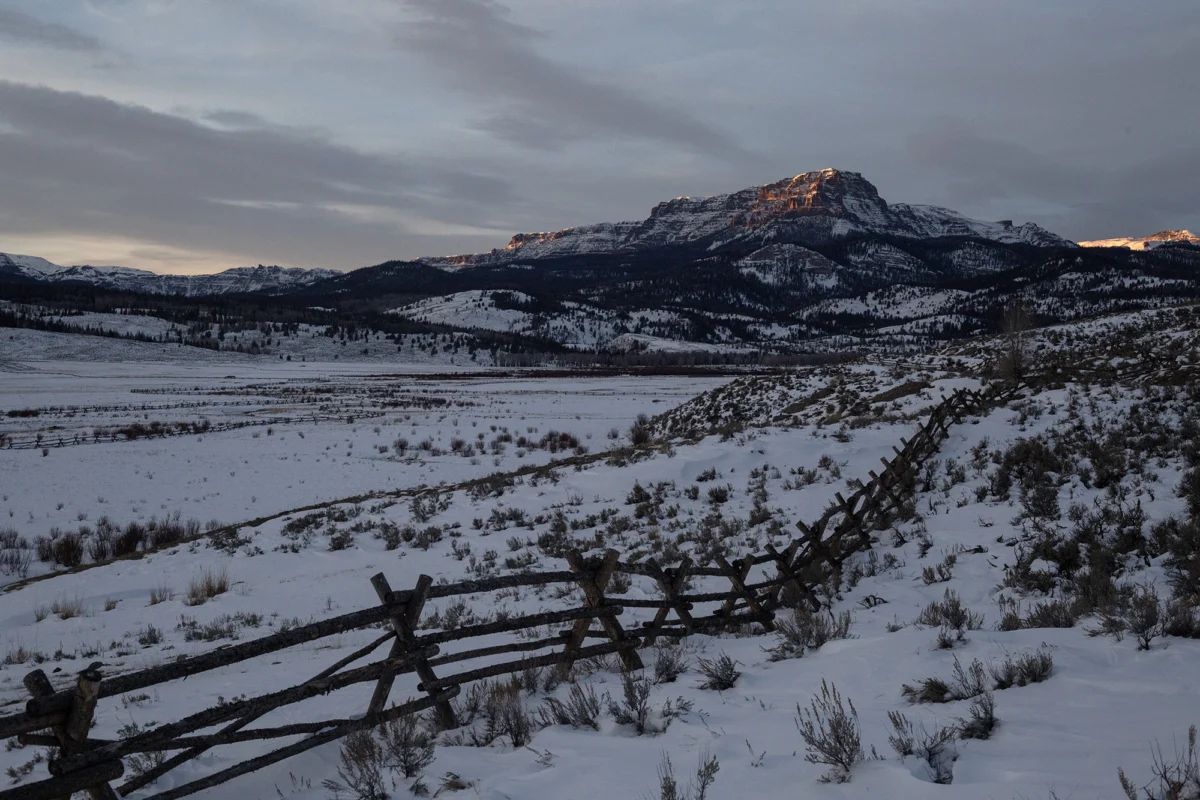
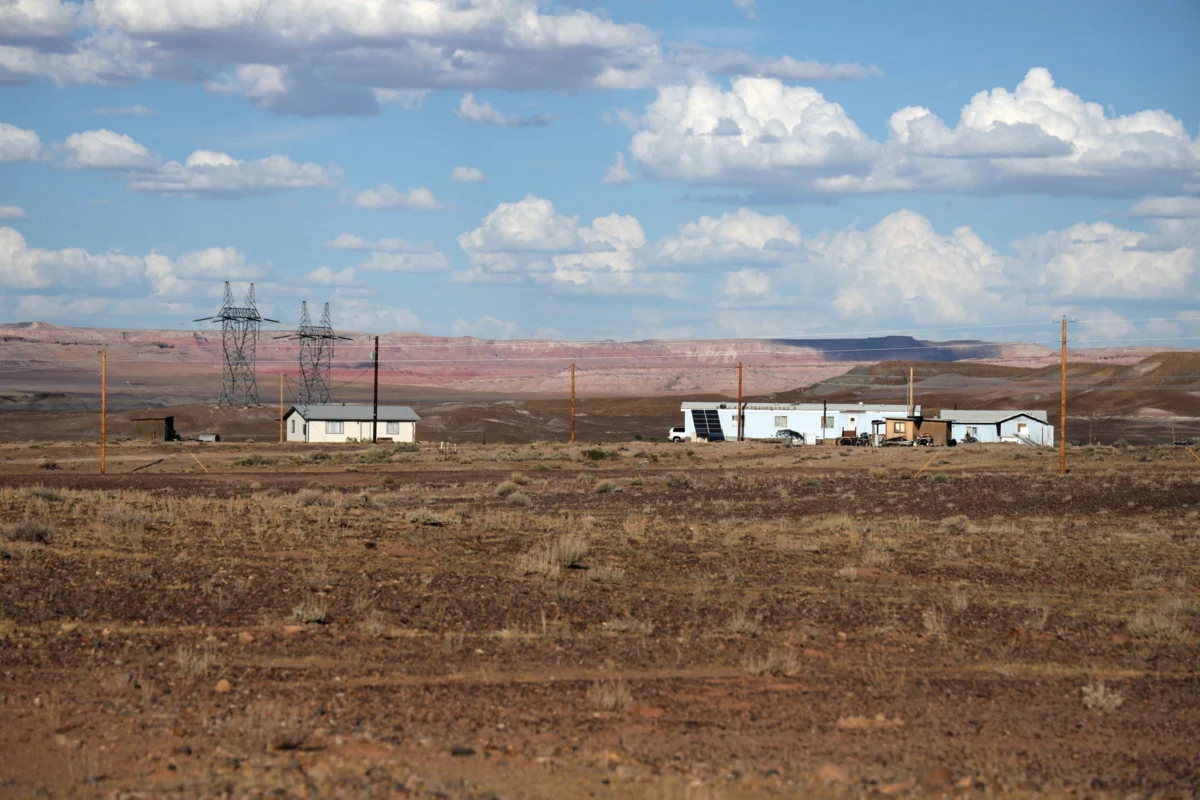
Ultimately, Burgum reneged on his initial promise to safeguard "precious places." He moved to eliminate the Biden-era ban on new oil and gas leases in the vicinity of Chaco Culture National Historical Park, a UNESCO World Heritage site of immense cultural significance. Beyond shrinking Bears Ears and Grand Staircase-Escalante, he controversially dissolved the Intertribal Bears Ears Commission, a body established to ensure tribal co-management and honor indigenous sovereignty. The immediate consequence of these boundary changes became evident on September 11, when within a week, at least 13 new mining claims were filed within the newly unprotected areas of Bears Ears, signaling the rapid exploitation of previously shielded landscapes.
Less than two years into his term, it is unequivocally clear that Secretary Doug Burgum is not merely an ideologue but a naked opportunist. He has willingly compromised his integrity and credibility, sacrificing the nation’s public lands and wildlife protections to benefit corporate interests and secure political favor. His actions demonstrate a profound failure in his role as a steward of the environment, and ironically, even as a businessman, given the financial costs incurred by his policies. While history will ultimately render its final judgment on whether he stands as the worst Interior secretary of all time, his tenure has already firmly established him as arguably the most disappointing.