Joko Susilo
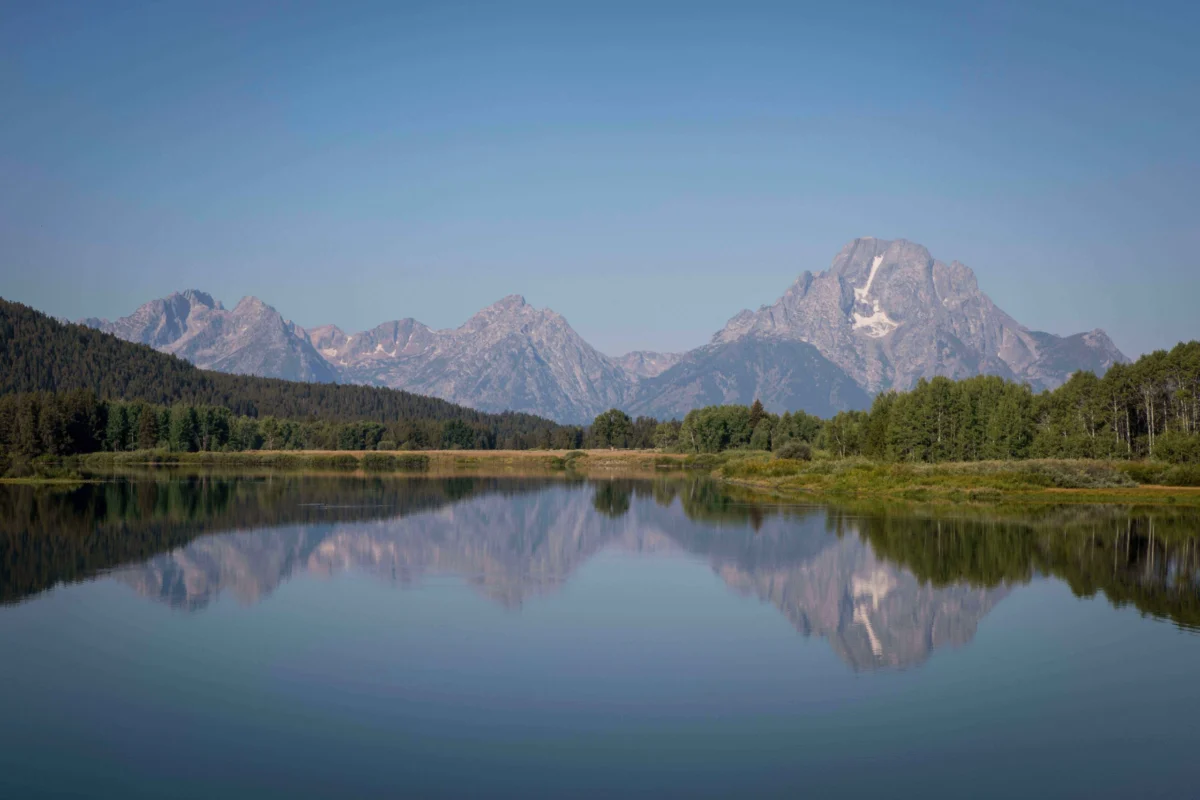
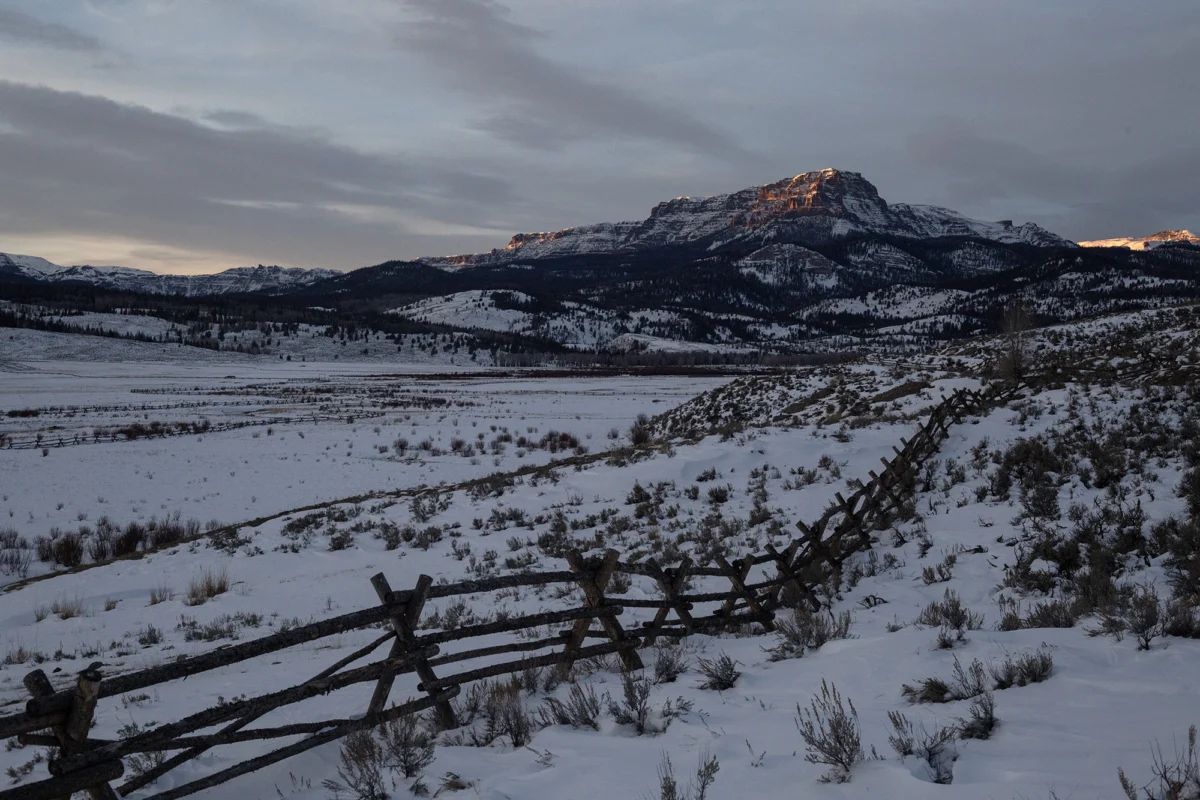
For Jeff Muratore, a Wyoming hunter, the expansive public lands stretching across his home state are more than just territory; they are the lifeblood of his family, providing sustenance through elk and deer, a sanctuary for solace, and the classroom where he passed down hunting traditions to his grandchildren. A staunch Republican and a vocal supporter of former President Donald Trump, Muratore embodies many traditionally conservative values, including a preference for smaller government and fewer regulations. Yet, in Wyoming’s crucial August primary, his deeply held convictions about land stewardship compelled him to diverge from the Trump-endorsed gubernatorial candidate, Megan Degenfelder. Instead, Muratore cast his vote for Eric Barlow, a state senator whose established record demonstrated a stronger commitment to preserving the lands owned by all Americans and managed by federal entities like the U.S. Forest Service and the Bureau of Land Management. Barlow’s resolve was notably highlighted in 2026, when he successfully spearheaded a resolution recognizing the profound importance of public lands to Wyomingites, a move that starkly contrasted with a contemporary attempt by Utah Senator Mike Lee, a Republican, to sell off approximately three million federal acres, ostensibly to foster affordable housing development. Muratore’s ballot choices extended to voting against his own state senator, Bob Ide, who in 2025 had drafted unsuccessful legislation demanding the federal government cede its public lands to state control.
Muratore, who previously led the Wyoming chapter of the non-profit Backcountry Hunters and Anglers, was not an isolated voice in rejecting candidates perceived as hostile to public lands or wildlife conservation. Across the Equality State, a remarkable electoral shift unfolded, as incumbents with records challenging federal land management faced defeats, giving way to more moderate Republicans like Barlow. This conservative realignment delivered a significant blow to the right-wing Wyoming Freedom Caucus, which lost its majority in the Wyoming House of Representatives, now holding only 10 of 62 seats. Its allies in the state Senate, including Ide, experienced similar setbacks, marking a stunning reversal for a voting bloc that had aspired to secure a legislative supermajority. While other factors undoubtedly influenced voters – such as the Freedom Caucus’s controversial proposal to defund parts of the University of Wyoming and its entanglement in a statewide campaign finance scandal – many political observers agree that candidates’ stances on public lands played a pivotal role in their electoral fates. Wes Allen, co-owner of Sunlight Sports, a multi-generational outdoor store in Cody, articulated the sentiment, stating, “The threat level to our access to the lands that we own as citizens of the United States and the state of Wyoming finally hit a tipping point. When we had candidates locally and for statewide offices who stood up and said they believed in public lands and wouldn’t want to sell public lands, it was a powerful statement.”
Wyoming’s political history has long been steeped in conservatism, yet it once supported moderate Democrats like Teno Roncalio, the last Democrat to represent Wyoming in Congress, and former Governor Dave Freudenthal. However, since Freudenthal’s departure from office in 2011, Republicans have dominated all statewide and federal offices, as well as the vast majority of seats in the state Legislature. With Republicans currently holding 56 of 62 House seats and 29 of the Senate’s 31 seats, the most significant political contests in Wyoming are not typically decided in the general election but rather in the Republican primary each August. In recent years, this dynamic has seen traditional, fiscally conservative Republicans pitted against the more ideologically libertarian and socially conservative Freedom Caucus, a coalition that initially gained a House majority in 2024 amidst a national wave of anti-establishment sentiment.
However, the Freedom Caucus’s aggressive legislative agenda in 2025 and 2026 proved to be its undoing, according to Gail Symons, a veteran Wyoming policy analyst who runs Civics307, a voter education website. Emboldened by its earlier victories, the caucus targeted cherished state institutions, including the University of Wyoming and the Wyoming Business Council, a key economic development agency. They proposed an 11% cut, approximately $40 million, from the university’s budget and attempted to completely defund and dismantle the Business Council. Many of the legislators who lost their seats in August had voted for, and in some cases co-sponsored, Ide’s public-lands transfer bill in 2025. While some, like former Freedom Caucus Chairman Rep. John Bear of Gillette and Rep. Chip Neiman of Hulett, also supported Barlow’s more moderate public-lands resolution in 2026, the perception of their overall stance remained. Bear, who lost his own primary, acknowledged that public-lands policy likely contributed to his defeat, though he contended that the public misunderstood his position. He maintains that while federal lands should be transferred to states, he does not believe states, including Wyoming, would then sell them off. “Once we have 100% of the resources and revenue from those public lands, we would double our revenue and be quite easily able to manage those lands,” Bear argued, suggesting that public-land supporters had “duped people into believing that public lands were at risk.” This assertion, however, runs counter to a 2016 study commissioned by the Wyoming Legislature itself, which concluded that state management of public lands would be not only financially prohibitive but also entangled in a “bureaucratic maze” of complex congressional laws and directives, challenging the notion of immediate revenue gains or simplified administration.
Beyond the direct debate over land ownership, some members of the Freedom Caucus championed controversial wildlife management bills that further alienated voters. These included legislation that would have allowed landowners to sell valuable hunting licenses, mandated unlimited statewide mountain lion hunting, and a measure that would have forced the Wyoming Game and Fish Department to issue free “bear coupons.” These coupons would have permitted resident elk hunters to kill grizzly bears – which remain federally protected under the Endangered Species Act, highlighting a persistent tension between state and federal wildlife management authority – as well as black bears outside the Greater Yellowstone Ecosystem. While none of these controversial measures reached the governor’s desk, contrasting sharply with the successful passage of Barlow’s public-lands resolution, voters closely scrutinized the legislative actions of their local representatives, a factor Symons and other analysts believe was crucial. “The Freedom Caucus misread quite a few things, not the least of which the degree to which Wyoming citizens of every political persuasion really, really feel strongly about public lands,” Symons observed.
Simultaneously, a concerted opposition movement against the Freedom Caucus gained momentum. Zach Lentsch, a backcountry mountain guide and the son of a Wyoming game warden, established Protect Wyoming, the state’s first public-lands Political Action Committee (PAC). Recognizing the limitations of traditional non-profits, whose 501(c)(3) status prohibits direct advocacy for or against political candidates, Lentsch and the PAC’s treasurer, Chris Allen, raised funds, organized public events, and engaged in grassroots door-to-door campaigning, specifically targeting candidates with extreme views on land and wildlife. Their efforts yielded significant success: “All 33 candidates that we preferred – that were on our pro-public lands and wildlife slate – won,” Lentsch proudly stated, underscoring the effectiveness of targeted advocacy.
Like Lentsch and Symons, Allen, the Cody business owner, has witnessed the oscillation of Wyoming politics, with each swing seemingly pushing the state further to the right, particularly concerning public-land policy. Despite historically strong bipartisan voter support for public lands, Wyomingites have, at times, paradoxically backed lawmakers who advocated for transferring federal lands to state control or even selling off national forests, parks, and other federally managed areas. This complex dynamic was evident at the national level, where Republican voters selected current U.S. Rep. Harriet Hageman – who once embraced the moniker “Wicked Witch of the West” for her assertive stance on public lands – over Sam Mead for U.S. Senate. In 2024, Hageman notably supported Utah’s attempt to return Bureau of Land Management (BLM) land to state control, a effort that ultimately failed in the Supreme Court. She has also consistently advocated for overturning popular national policies such as the Roadless Rule, which prohibits road construction in certain pristine areas of national forests, a policy widely supported for its role in preserving wilderness character and ecological integrity. Mead, in stark contrast, made the protection of public lands a cornerstone of his campaign platform.
Symons provides insight into this apparent dichotomy, suggesting that voters made a strategic distinction: they opted for a Trump-aligned, assertive figure like Hageman to represent them in Washington D.C., while simultaneously choosing more moderate candidates for local and state offices. Hageman’s significantly greater name recognition and national profile likely also played a role in her federal victory. Allen attributes the swing in local elections directly to heightened public concern over the fate of public lands, a sentiment significantly amplified by Senator Lee’s proposals to sell them off. “I don’t think it was widely accepted that our politicians would willingly give up protections for public lands,” he reflected. “But in the last couple of years, it became clear there were certain people who don’t believe we should have public lands, who believe we should give away most of our lands to other entities. And they’re not doing that because they think it’s good policy, but because they simply don’t believe in public lands.” In Allen’s estimation, the August primary marked a critical juncture, the first time a majority of Wyoming voters definitively concluded that the protection of public lands ranked among their paramount concerns. Neither he, Symons, nor Muratore anticipate this to be the final swing of the public-lands pendulum in Wyoming, an ongoing debate deeply rooted in the American West’s identity. However, as Muratore succinctly put it, this electoral outcome represents “a pretty big bump in the road” for those advocating for federal land transfers, signaling a powerful reaffirmation of the enduring value and public ownership of these irreplaceable landscapes.