Rocky Georgio
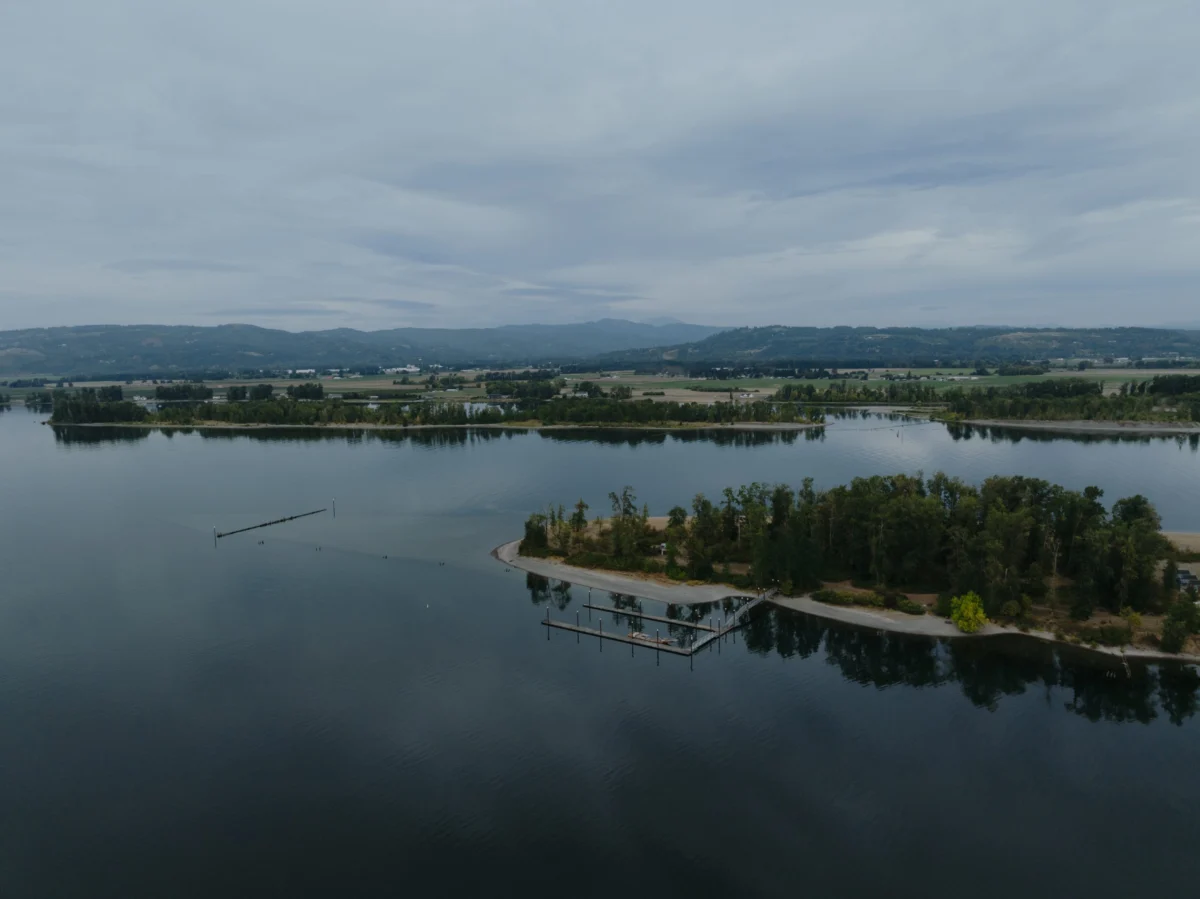
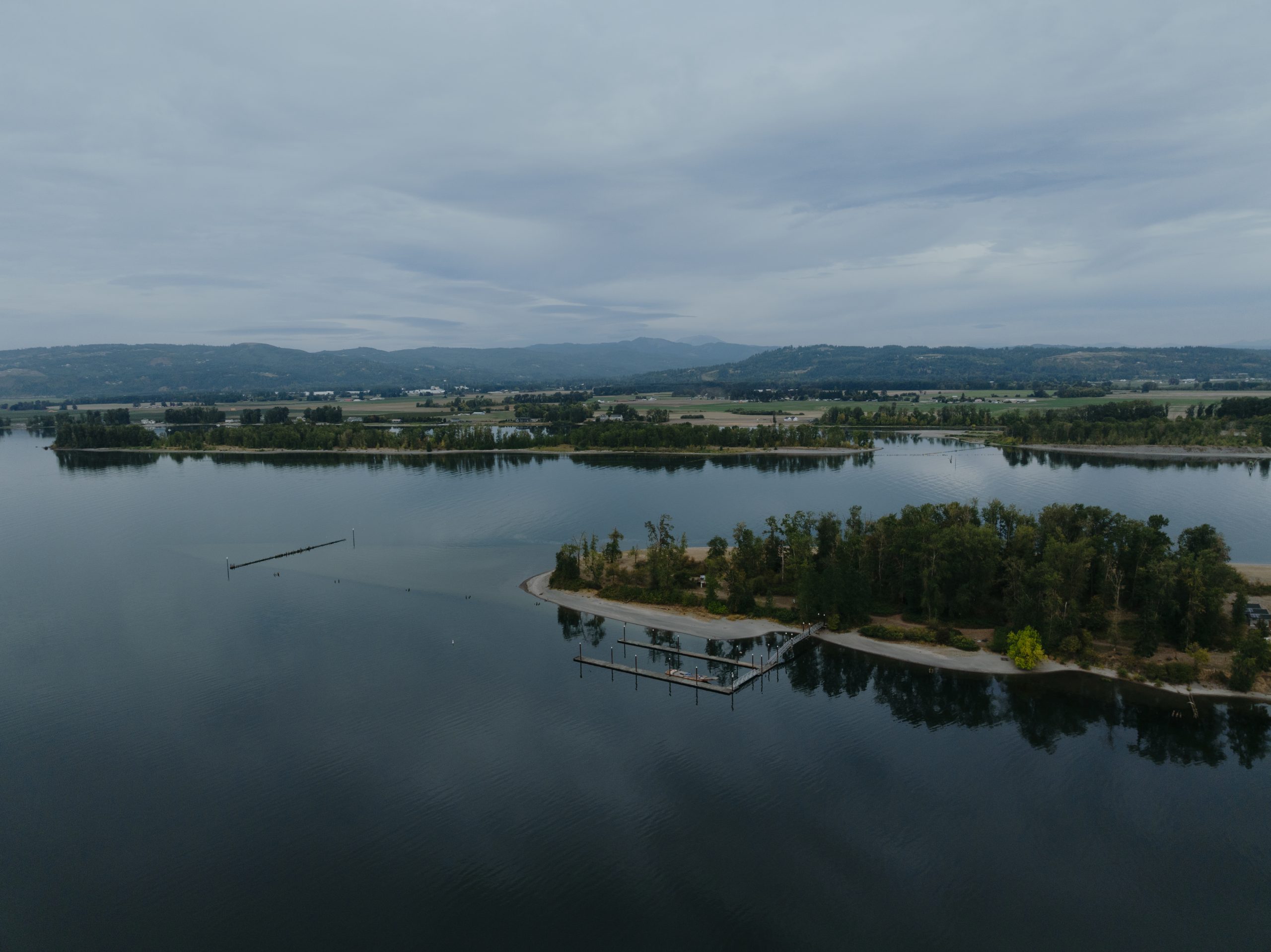
The life of Jax, Tanya Bachman’s beloved border collie, was tragically cut short in August 2024, a stark reminder of a burgeoning environmental hazard spreading across Western waterways. What began as a cherished family tradition—a birthday celebration on the Columbia River near Portland, Oregon, with their boat and two dogs—ended in devastating loss when Jax succumbed to a swift and unexpected poisoning. While enjoying an island beach, Jax, like many dogs, likely drank or ingested water containing a dangerous microorganism, leading to a rapid and fatal decline. His owner, Tanya Bachman, recounts the horrifying moments when Jax became ill, vomited, convulsed, and ultimately lost consciousness, all within an hour of her noticing his tail droop. Despite a frantic race to the veterinarian, it was too late; Jax died before reaching the clinic.
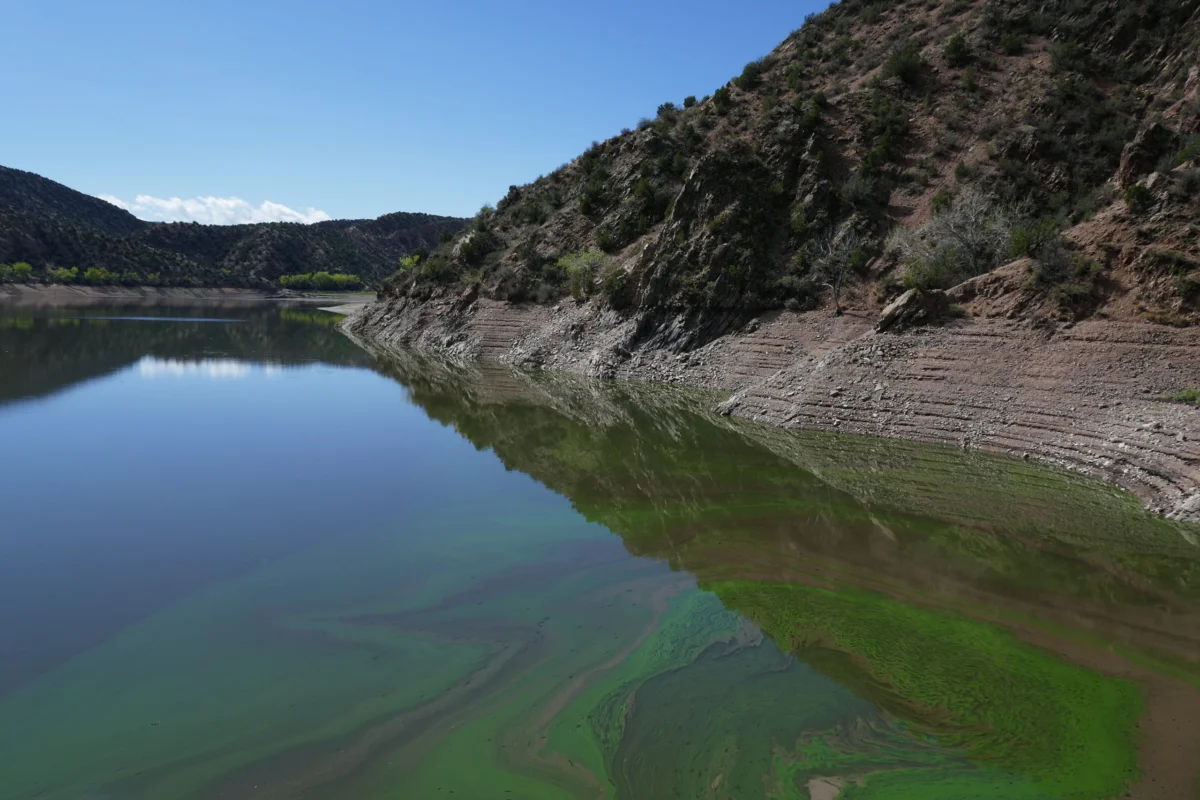
The veterinarian’s diagnosis pointed to cyanobacteria, commonly known as blue-green algae, a microscopic organism responsible for toxic blooms. Jax had likely encountered a benthic bloom, a less familiar type of algal proliferation that forms on submerged surfaces like stream bottoms, logs, or rocks, sometimes detaching and drifting to the surface. This contrasts with planktonic blooms, which form on the water’s surface and are more readily recognized as a green sheen or floating mats. Cyanobacteria have existed for billions of years, but human activities, particularly agricultural runoff rich in nitrogen and phosphorus and the pervasive impact of climate change, are creating conditions for their explosive growth. Professor Hannah Bonner, a water scientist at Brigham Young University specializing in benthic cyanobacteria, explains that rising global temperatures contribute to warmer, stagnant waters during hot, dry periods, fostering these blooms. This presents a cruel irony: as the Western United States warms, areas once sought for their cool, refreshing waters are transforming into potential threats to pets, wildlife, and even human health.
The toxins secreted by cyanobacteria in both planktonic and benthic blooms can cause a range of adverse effects. For humans, contact can lead to skin irritation, while ingestion can result in nausea and, in severe cases, liver damage. For animals, the consequences are often more immediate and fatal; drinking contaminated water or even licking toxins from their fur can prove lethal to pets, livestock, and wildlife. Disturbingly, standard backpacking water filtration systems are ineffective at removing these potent cyanotoxins, leaving outdoor enthusiasts and their animal companions vulnerable.
The increased prevalence of toxic algal blooms has prompted many Western states to bolster their monitoring efforts. While planktonic blooms, being more visible, have historically received more attention, the growing concern over benthic blooms and their insidious nature is shifting focus. Wyoming began monitoring blooms in 2018, initially relying on satellite imagery and later incorporating on-the-ground water sampling in 2021. Utah intensified its monitoring in 2016, recognizing the expanding threat across its waters. California and Oregon, with some of the longest-standing monitoring programs in the West, initiated their efforts approximately two decades ago, spurred partly by a significant event in 2014. In Toledo, Ohio, toxic cyanobacteria blooms in Lake Erie disrupted the city’s entire drinking water system, highlighting the potential public health crisis posed by these organisms.
Data from these monitoring programs indicate a concerning trend: planktonic blooms are appearing earlier in the season, colonizing more lakes and reservoirs, and persisting later into the fall. While some experts suggest that increased reporting might be a factor, a comprehensive 2021 Environmental Protection Agency study linked increased nutrient levels, specifically nitrogen and phosphorus, exacerbated by the warming and drying effects of climate change, to the greater frequency and duration of these blooms. Theodore Dreher, a professor emeritus of microbiology at Oregon State University, points out that human land use practices, which disturb ecosystems and introduce excess nutrients, are significant contributors. Unlike the global nature of climate change emissions, nutrient pollution often has localized sources, making it a more manageable issue through targeted regulations. Utah, for instance, has made strides by implementing regulations for wastewater treatment plants and offering voluntary incentives for managing agricultural runoff and restoring floodplains. These measures have helped reduce nutrient flow into Utah Lake, a body of water once notorious for its severe blooms, prompting local merchandise with the ironic slogan "Ski the Scum."

However, the effective mitigation of these blooms hinges on robust water quality data collection, a critical area where many states fall short. Justin Hayes, Northern Rockies conservation director with American Rivers, emphasizes the need for states to move beyond simply issuing warnings and to actively pursue solutions. Researchers are also grappling with understanding why blooms are appearing in unexpected locations. High-elevation lakes, previously considered pristine and remote from typical pollution sources like septic systems and feedlots, are increasingly experiencing planktonic blooms. Professor Bonner suggests that runoff from melting glaciers and atmospheric deposition of nitrogen and phosphorus from dust and air pollution could be contributing factors. Furthermore, declining snowpack, leading to reduced snowmelt, may encourage the proliferation of benthic blooms. Compounding these issues, some regions are experiencing fewer monsoon rainstorms, which traditionally helped to dislodge and flush away algal mats.
Despite these challenges, Bonner advises that people should not abandon their love for the outdoors but rather educate themselves on how to identify potential hazards. She describes benthic blooms as resembling "big balls of snot" and suggests a simple test: poking the mass with a stick. If it reveals hairlike strands or fibers, it is less likely to be toxic cyanobacteria; however, a gelatinous, mucus-like consistency strongly suggests the presence of harmful algae.
In response to these growing concerns, many states are increasing public awareness through signage, email alerts, and health advisories for recreational areas. Tanya Bachman continues to share her story with local and regional media, hoping that Jax’s tragic fate will serve as a potent warning to others, emphasizing that the interconnectedness of waterways means that a problem upstream can inevitably affect areas downstream.