Rocky Gerung
The ephemeral bloom of sacred datura, a plant known for its potent toxicity, offered two blossoms on the night of a full moon wedding, a moment of profound beauty and unexpected synchronicity. This delicate flowering, from seeds planted a year prior, seemed to weave a spell, perhaps conjured by the unseen forces of the soil itself, mirroring a growing trend of artists and communities exploring spiritual practices outside mainstream norms. The deep-throated flowers, vibrant for a single night, were a testament to nature’s mysterious cycles, a theme echoed in subsequent reflections on life, death, and the interconnectedness of existence. The morning after the celebration, amidst the remnants of revelry, a small cottontail rabbit, clearly a victim of a predator, lay still in the garden, a stark reminder of the delicate balance of the natural world. A quiet ritual of remembrance followed, honoring the rabbit’s brief life and offering a passage into the spirit realm, a practice that has become a personal cosmology, bridging the human and nonhuman worlds.
Weeks later, these potent images of blooming datura and the departed rabbit converged in the mind during a journey to the Palm Springs Art Museum, a pilgrimage coinciding with the exhibition "A Queer Arcana: Art, Magic, and Spirit." This significant exhibition showcases over a century of work by LGBTQ+ artists who have delved into themes of spirituality, magic, and the unseen realms, reflecting a broader cultural resurgence of interest in alternative spiritualities. This exhibition is not an isolated phenomenon; it follows closely on the heels of similar explorations such as "QUEER MAGIC" in Santa Fe and "Sci-fi, Magick, Queer L.A.," indicating a burgeoning artistic and cultural dialogue around these profound subjects.
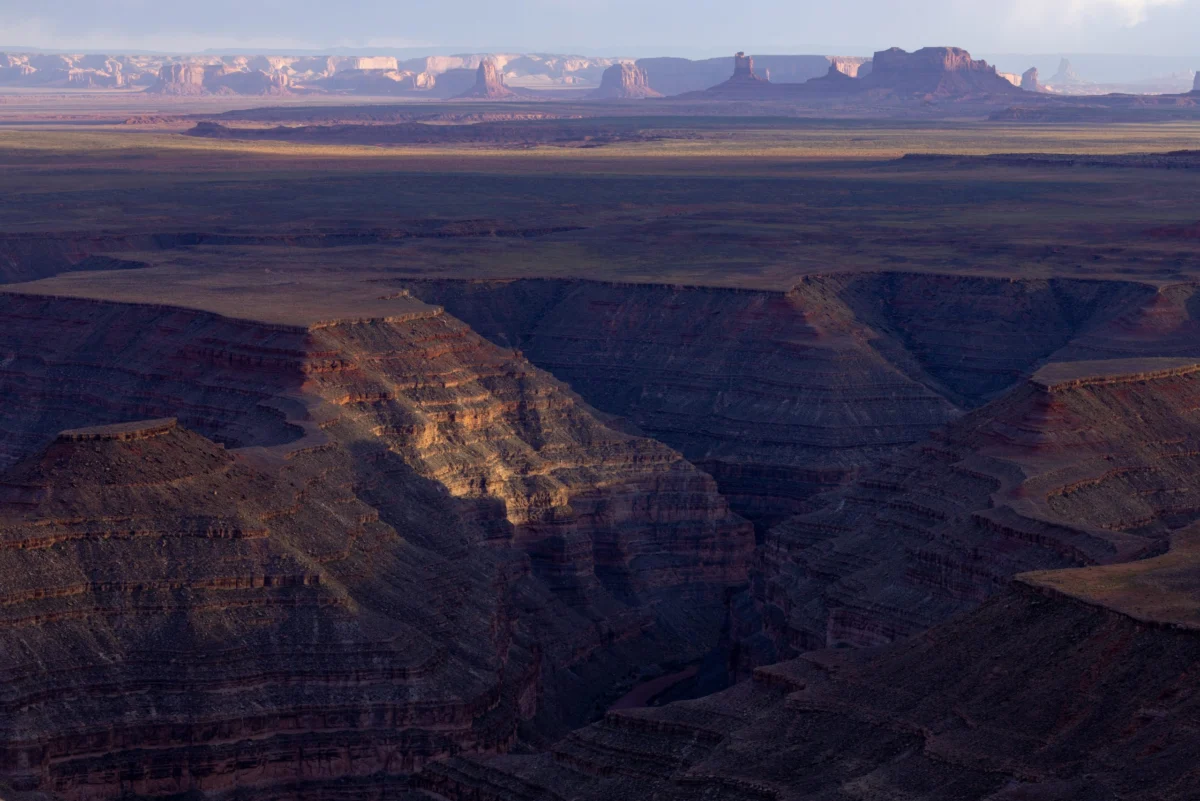
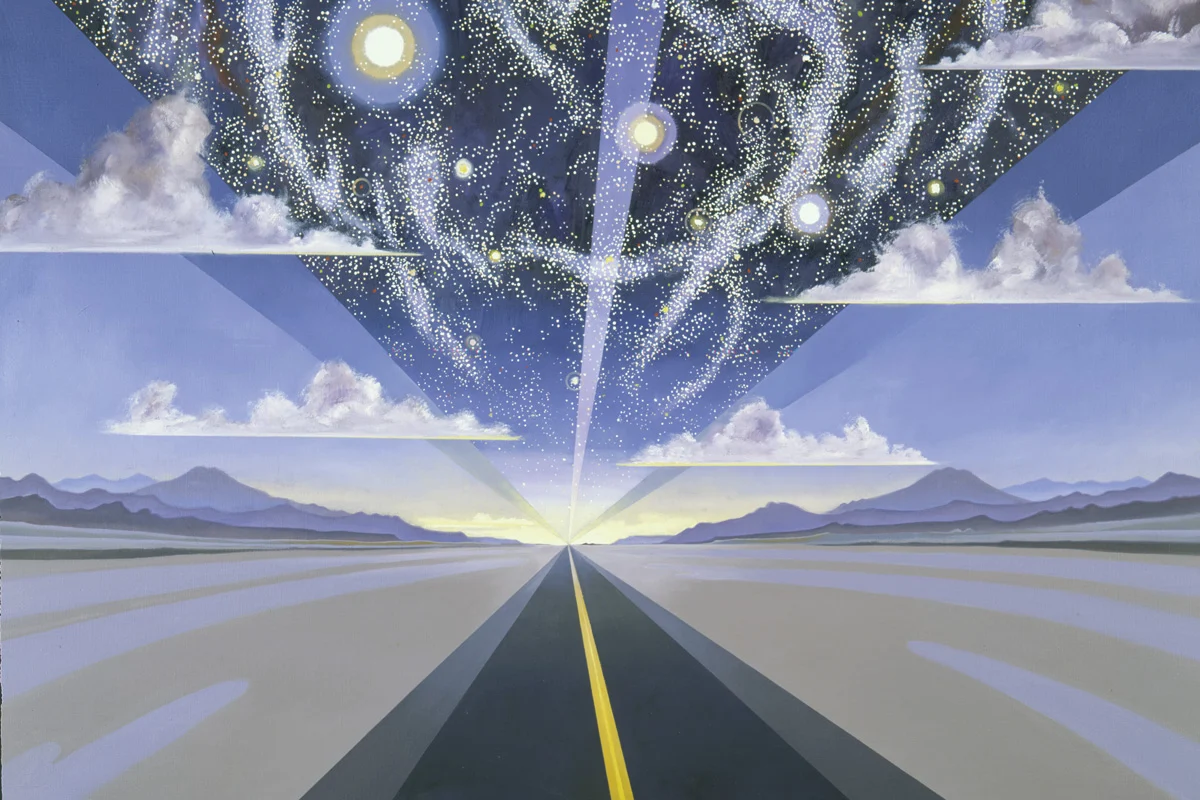
Many artists featured in "A Queer Arcana" possess deep connections to the American Southwest and California, landscapes rich with natural beauty and historical spiritual significance. The exhibition draws inspiration from the unique geological formations, vast desert expanses, and star-dusted night skies that have long attracted seekers and mystics to regions like Joshua Tree, Sedona, and Crestone, Colorado. These potent spiritual landscapes become canvases for an art that often blends the corporeal with the fantastical, art that seems to pierce the veil between the material and the spiritual dimensions. Ingo Swann’s 1986 painting "Proto Adam," for instance, depicts a cosmic figure emerging from a desert river, a potent image of rebirth and transcendence. Clarity Haynes’ "Altar for Laura Aguilar" (2022), a pastel tribute to the late photographer, incorporates images from Aguilar’s evocative nude desert self-portraits, celebrating the body as a site of spiritual exploration. Eric-Paul Riege’s "chestplate [3]" (2026), a meticulously woven textile, intricately combines traditional Diné beliefs with his personal experiences of queerness, demonstrating the fusion of heritage and identity.

The exhibition’s breadth extends to more overt explorations of the mystical and the erotic, with artworks depicting fantastical celestial unions, occult gatherings, and otherworldly beings whose forms transcend conventional representation. Archival materials, including magazine collections, further document the rich history of witchcraft, new age spirituality, and goddess worship, underscoring the deep roots of these practices within various communities. Curator David Evans Frantz articulated the exhibition’s core message in a press release, stating, "Queer artists, activists, and cultural producers have long sought spiritual practices outside the mainstream to affirm their identities, build community, and envision new ways of being in an often-oppressive world." This sentiment resonates powerfully within the exhibition’s space, particularly through references to the work of queer Chicana poet and theorist Gloria Anzaldúa, who described herself as a "spiritual mestiza" and viewed spiritual seeking as an inherently queer mode of engaging with the world and the infinite.
Among the compelling works is Edgar Fabián Frías’ video installation "Give Us Home Spider: Ritual 5: TXI Cement Quarry, Bloomington, CA" (2017). Immersed in the hypnotic visuals, viewers are drawn into a ritual designed to confront environmental racism and health disparities. Frías, who identifies as a brujx—a gender-neutral term for a practitioner of magic—and is of Wixárika heritage, organized a series of rituals in Southern California, including one at a quarry near his childhood home. This quarry had exposed his community to hexavalent chromium, a known carcinogen, highlighting the intersection of environmental degradation and social injustice. The video captures Frías and thirteen other healers, clad in vibrant attire, engaging in a ritual that involves playing drone pipes to techno music, digging into the earth, and consuming pomegranates, a symbolic act of nourishment and reclamation.
This ritual, performed nearly a decade ago, feels remarkably prescient, especially in the context of recent environmental crises, such as the smoke from the Lineage Fire in Los Angeles’s Boyle Heights, which spread toxic fumes across the region. Frías’s work serves as a powerful reminder of the necessity to confront past harms in the present to forge a more intentional future. Regardless of individual spiritual beliefs, acknowledging the damage inflicted upon both people and the planet is crucial for healing and fostering resilience. This acknowledgment can provide solace, combat denial, and ignite meaningful action against injustices, even in small gestures, such as pausing to honor the brief existence of a desert cottontail.
"A Queer Arcana" is not a spontaneous emergence but rather a deliberate convergence of historical narratives and contemporary community engagement. The exhibition functions as a dialogue across time, with ancestors and present-day creators communicating from the liminal spaces, urging listeners to connect and resist not only queer repression but all forms of oppression. The exhibition implicitly calls for collective action, encouraging the formation of coalitions with nonhuman neighbors and the protection of creative spaces from the homogenizing influence of algorithmic content.

The visit to the museum also coincided with the Summer Solstice, a time of ancient ritual and celebration. Within the exhibition, displays of queer tarot decks, including those by trans activist Rachel Pollack, offered prompts for personal reflection on this longest day of the year. Personal spirituality has been shaped by diverse practices, from observing the Milky Way and engaging in Qi Gong to participating in ceremonial river cleanups. As a Libra Sun and Scorpio Moon, tarot readings have become a valuable tool for navigating chronic indecisiveness and long-held grudges. The MotherPeace deck, a groundbreaking feminist and queer creation from the 1970s, is a significant component of this personal cosmology.
Drawing a card from the deck, a round, moon-shaped card depicting the "Son of Cups," revealed a depiction of meditative awareness. The image shows a naked man floating on the sea, playing a flute amidst singing seagulls, with large datura flowers unfurling beneath him like sails. This imagery, deeply connected to the natural world and infused with a sense of serene contemplation, encapsulates the exhibition’s broader message: the profound and often unconventional ways in which artists and individuals explore spirit, identity, and the interconnectedness of all life, finding magic and meaning in the most unexpected places.