Rocky Georgio
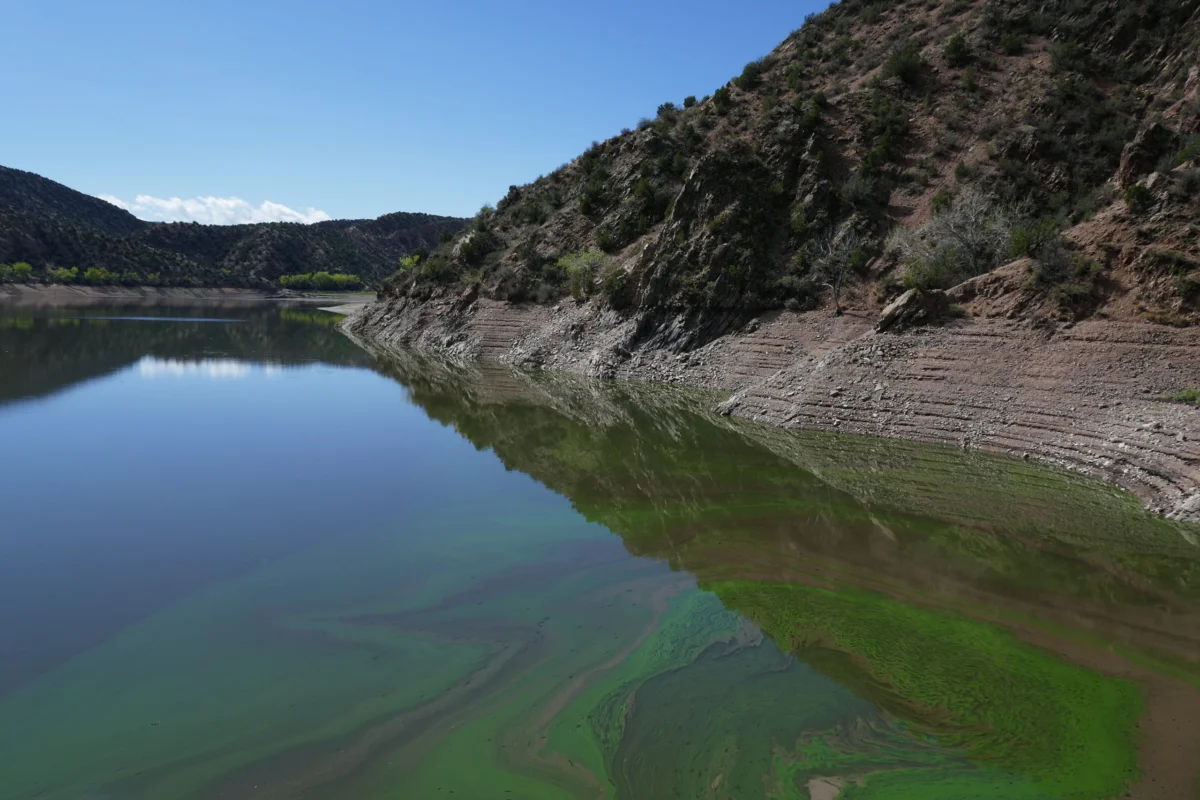
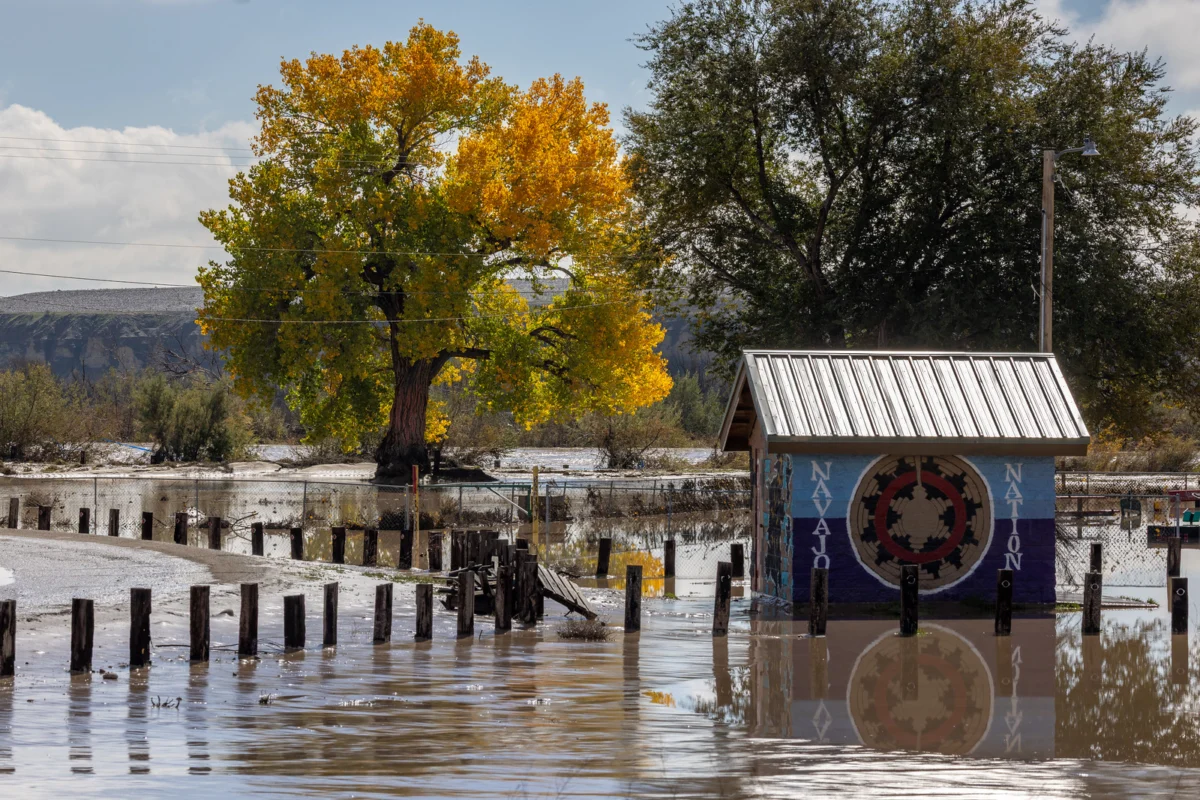
On July 11, a critical stretch of the Rio Grande, located approximately 18 miles upstream from Truth or Consequences, New Mexico, completely dried up at the streamflow gauge. This was a particularly striking event because this very section of the riverbed was once submerged beneath the waters of Elephant Butte Reservoir, the largest reservoir in New Mexico and a vital water storage facility for downstream agricultural users. However, by the summer of 2026, two decades of persistent drought had depleted Elephant Butte to a mere 1.7% of its colossal 652 billion-gallon capacity, leaving behind vast mudflats that soon transformed into a parched, dusty riverbed. Yet, a dramatic shift occurred by September, when the previously barren riverbed began to flow at an impressive rate exceeding 3,000 cubic feet per second. Elephant Butte’s surface level consequently rose by several feet, triggering severe flooding in the Lower Rio Grande Valley, a region renowned for its green chile cultivation. This flooding was directly attributed to record-breaking rainfall, significantly amplified by the influence of a Pacific hurricane.
In many respects, this stark contrast between extreme aridity and an overwhelming deluge of moisture encapsulates the defining characteristics of the 2026 water year, which concluded on September 30. Across both the Colorado River and Rio Grande watersheds, this period was marked by a confluence of intense drought conditions and unprecedented rainfall events. These extreme weather patterns not only contributed to devastating wildfires but also subsequently led to catastrophic flooding, showcasing the volatile nature of the region’s water cycle. The year’s hydrological narrative was bookended by record-breaking rainfall, with one of the driest ten-month periods on record preceding and following these dramatic wet spells.
The 2026 water year proved to be one of the most unusual and unpredictable on record for much of the American West, with clear indicators pointing to the escalating influence of human-caused climate change. The year commenced with a surprisingly wet start, particularly in the San Juan River Basin of southwestern Colorado, which serves as the origin for one of the Colorado River’s most significant tributaries. Remnants of a tropical storm delivered an astonishing deluge of over six inches of rain in approximately 48 hours at Wolf Creek Pass, a location situated near the headwaters of both the San Juan and Rio Grande rivers. This intense precipitation caused the San Juan River to surge dramatically, exceeding 8,000 cubic feet per second, breaching its banks, and inflicting considerable damage and destruction upon the town of Pagosa Springs. The event also had a significant positive impact on Navajo Reservoir, located on the Colorado-New Mexico border, by boosting its surface elevation by approximately 50 feet.

This early-season precipitation initially offered a glimmer of hope, suggesting a potentially robust winter ahead. The expectation was that such substantial moisture, if it fell as snow, would provide a deep snowpack—a crucial resource for the ski industry and, more importantly, for the subsequent spring runoff. This runoff is the lifeblood that sustains Lake Powell, the nation’s second-largest reservoir, preventing it from reaching critically low levels. However, contrary to these hopes, the winter months saw a pronounced failure in typical snowfall patterns. Even when precipitation did occur, it often melted rapidly, sometimes before it even reached the ground.
A significant factor contributing to this phenomenon was the timing of the precipitation; the abundant moisture arrived too early in the season to accumulate as snow. However, the most impactful element was the prevailing temperature. Data from the National Oceanic and Atmospheric Administration (NOAA) revealed that most of the Western United States experienced its warmest autumn and winter on record. The only notable exception was the Pacific Northwest, which recorded its second-warmest autumn and winter in the past 130 years. The consequence of these elevated temperatures was that even areas receiving near-normal precipitation levels, and therefore not technically classified as being in a drought, endured one of the most severe "snow droughts" in recorded history.

The intricate water systems of the West—including its streams, rivers, reservoirs, irrigation networks, and municipal water supplies—are overwhelmingly reliant on snowmelt for their flow, typically accounting for at least 80% of their annual volume. A deficient snow year inevitably leads to meager runoff, which in turn depletes reservoir storage. By September, Lake Powell had plummeted to its lowest level since the 1960s, sending alarm bells across the region, impacting the tens of millions of people who depend on its water.
Droughts, including the phenomenon of snow droughts, are not uncommon in the Western United States, nor are extreme fluctuations in weather patterns. However, the drought experienced during the 2026 water year stood out as one of the most severe in over a century. A peer-reviewed study published in the summer of 2026 by researchers at the Colorado School of Mines concluded with a high degree of certainty that this extreme drought was a direct consequence of human-induced climate change.

The study’s authors meticulously analyzed the data, finding that across the entirety of the Western United States, the 2026 snow drought was approximately four times more probable in the current climate compared to the pre-industrial period of 1850-1900. The situation was even more dire in the Upper Colorado River Basin, the epicenter of the drought, where such severe conditions were found to be about 14 times more likely to occur in our present climate than in the era before significant industrialization.
This analysis does not imply that the West should anticipate experiencing severe snow droughts every year moving forward. However, it serves as a stark warning: as global temperatures continue their upward trajectory, residents of the Western United States must prepare for an increasing frequency of extreme, unconventional, and frequently destructive weather events. The complex interplay of historical water management practices, coupled with the accelerating impacts of a changing climate, presents a formidable challenge for the region’s future water security and resilience. The events of the 2026 water year underscore the urgent need for adaptive strategies, innovative water conservation measures, and a comprehensive understanding of how climate change is fundamentally altering the West’s hydrological landscape.