Rocky Gerung
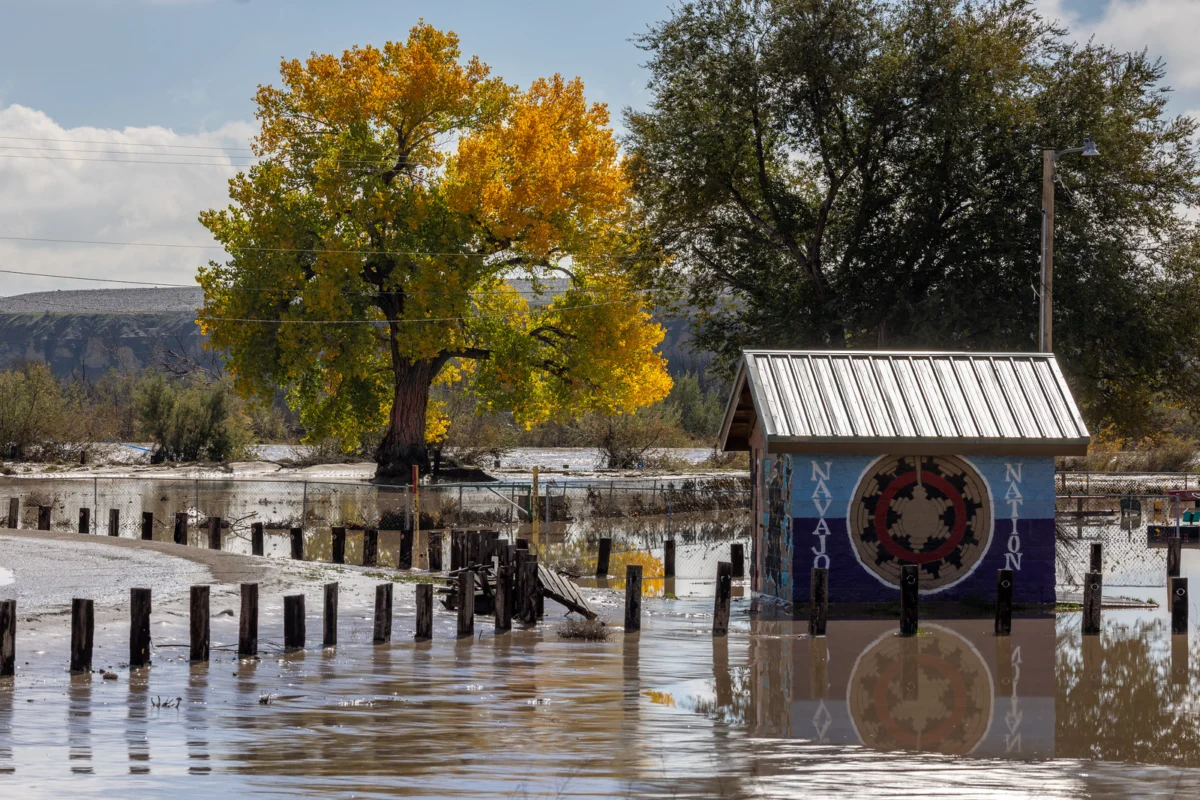
On July 11, the Rio Grande ran dry near Truth or Consequences, New Mexico, a stark reminder of the profound water scarcity gripping the American West. This particular stretch of riverbed, once submerged beneath the expansive Elephant Butte Reservoir, now lay exposed as a testament to decades of persistent drought. Elephant Butte Reservoir, the largest in New Mexico and a critical water source for downstream irrigators, had dwindled to a mere 1.7% of its 652 billion-gallon capacity by the summer of 2026, leaving behind vast mudflats that quickly transformed into a parched riverbed. However, by September, a dramatic reversal occurred as the previously barren riverbed surged with over 3,000 cubic feet per second. Elephant Butte’s surface level rose by several feet, inundating the fertile green chile-growing regions of the Lower Rio Grande Valley with floodwaters, a consequence of record-breaking rainfall amplified by a Pacific hurricane.
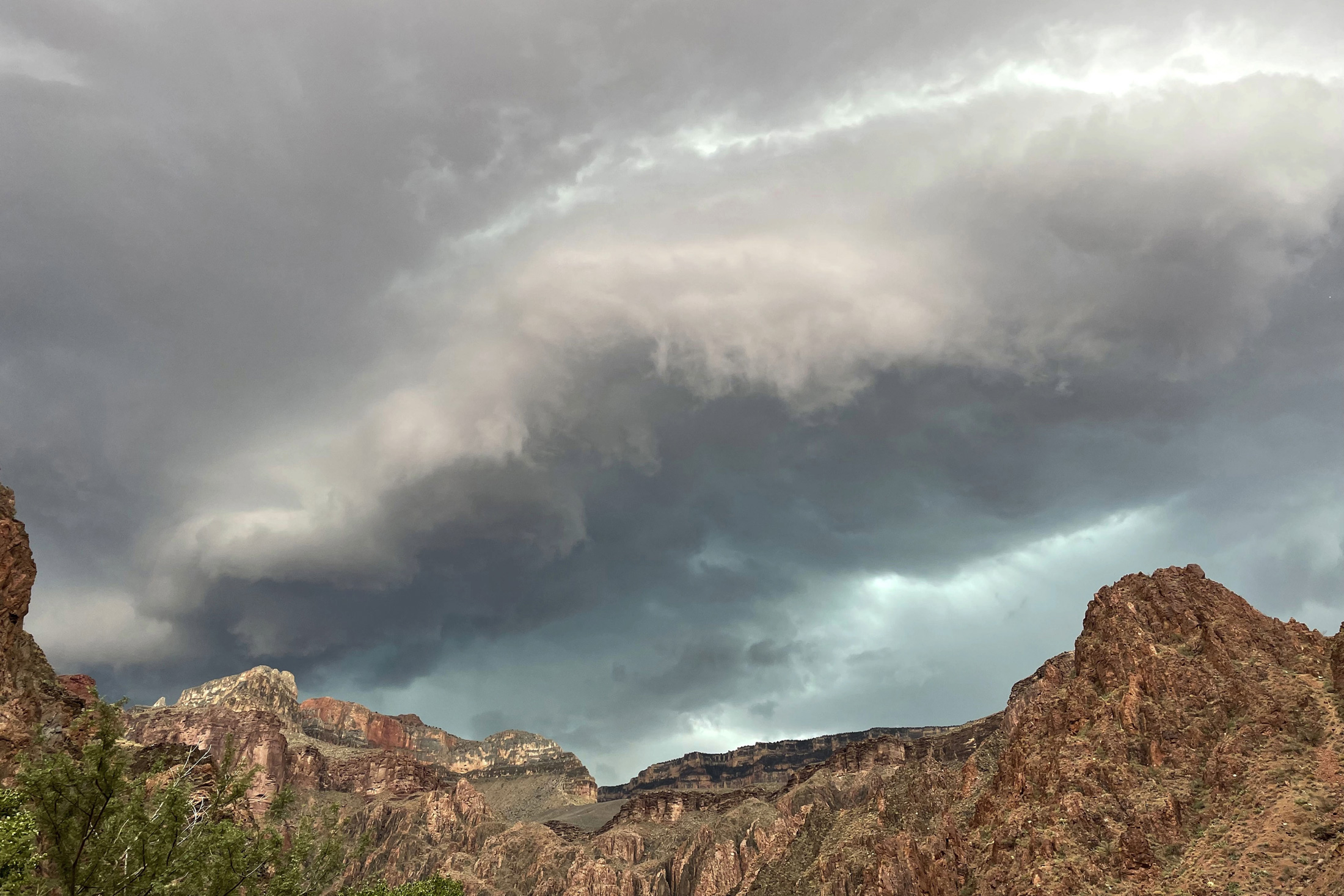
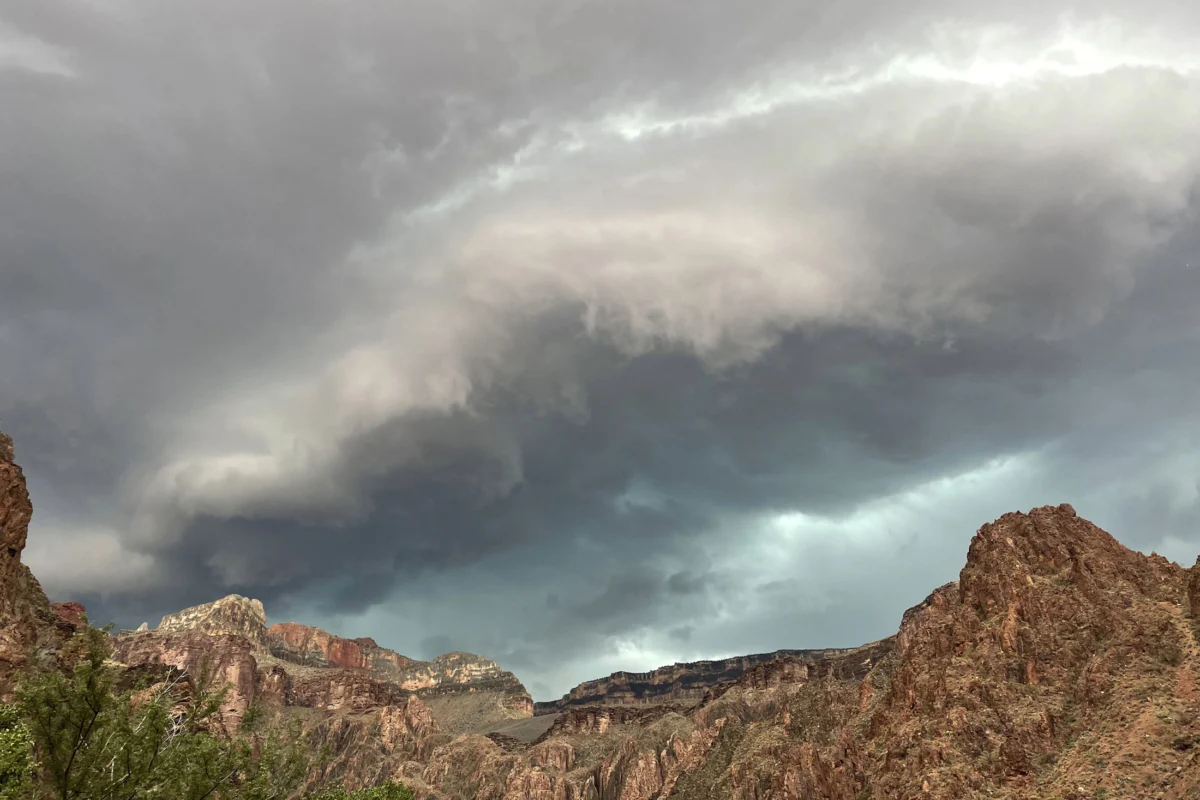
This dramatic swing from extreme aridity to overwhelming inundation encapsulates the paradoxical nature of the 2026 water year, which concluded on September 30. Across the vital Colorado River and Rio Grande watersheds, the year was defined by a volatile interplay of intense drought conditions and torrential rainfall events. These extreme weather patterns not only fueled devastating wildfires but also precipitated catastrophic flash floods, illustrating a year of unprecedented hydrological extremes. Indeed, one of the driest ten-month periods on record was bookended by precipitation events of historic proportions.
The water year commenced with a significant influx of moisture, particularly in the San Juan River Basin of southwestern Colorado, a key tributary to the Colorado River. Remnants of a tropical storm unleashed over six inches of rain in approximately 48 hours at Wolf Creek Pass, situated near the headwaters of both the San Juan and Rio Grande rivers. This deluge caused the San Juan River to swell dramatically, exceeding 8,000 cubic feet per second, overflowing its banks, and inflicting considerable damage on the town of Pagosa Springs. The event also significantly boosted the water levels of Navajo Reservoir, located on the Colorado-New Mexico border, raising its surface elevation by roughly 50 feet.

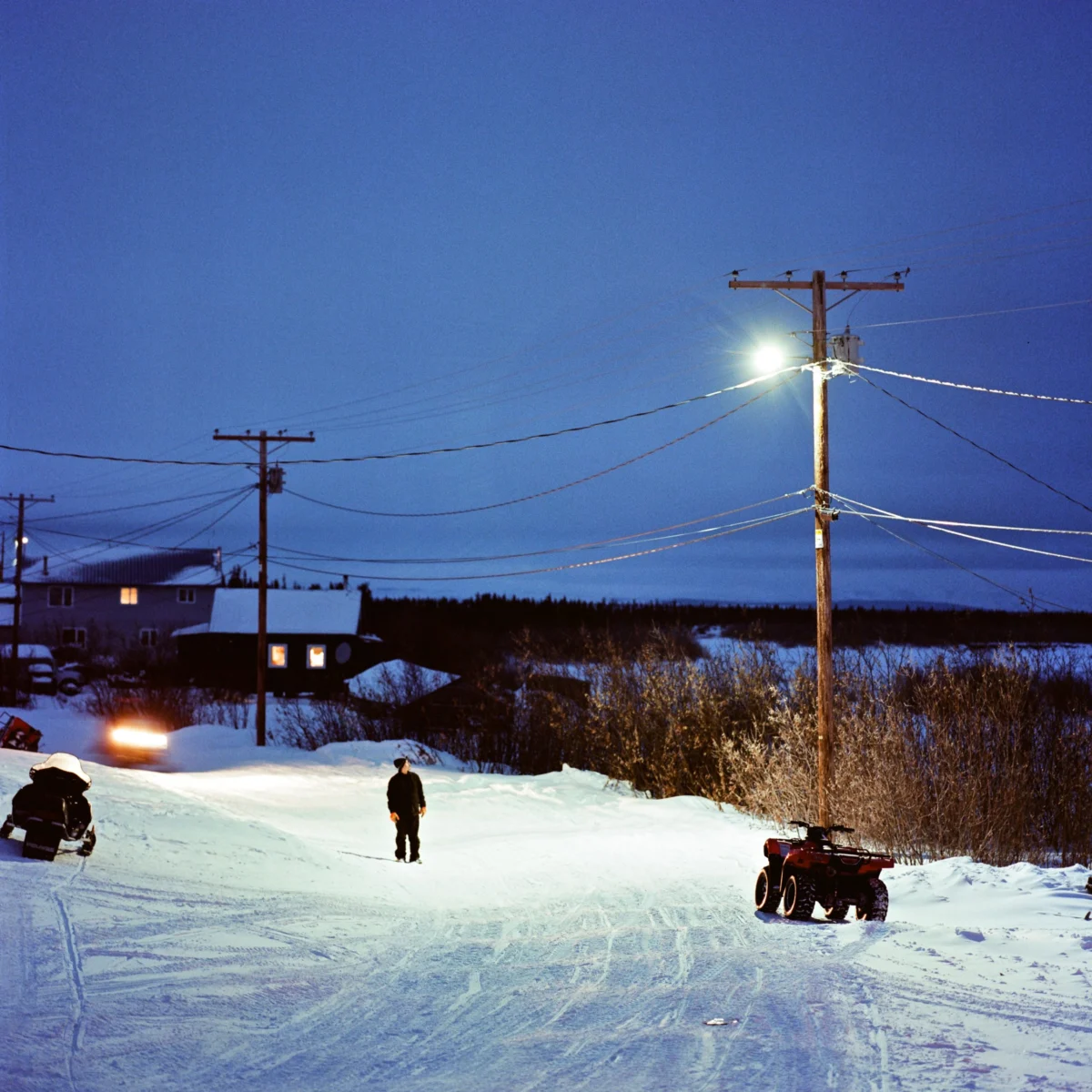
Initially, these early rains offered a glimmer of hope for the approaching winter, suggesting a substantial snowpack that could benefit winter sports enthusiasts and ensure adequate spring runoff for Lake Powell, the nation’s second-largest reservoir, preventing it from reaching critically low levels. However, this optimism proved short-lived as the anticipated heavy snowfall failed to materialize, even during the heart of winter. When precipitation did occur, it often melted rapidly, sometimes before it even reached the ground, a phenomenon exacerbated by unusually warm temperatures.
A significant factor contributing to this anomaly was the timing of the precipitation; the abundant rainfall arrived too early in the season to accumulate as snow. More critically, however, was the prevailing warmth. Data from the National Oceanic and Atmospheric Administration (NOAA) confirmed that most of the Western United States experienced its warmest autumn and winter on record, with the Pacific Northwest being a slight exception, recording its second-warmest autumn and winter in 130 years. Consequently, even areas that received near-normal precipitation totals and were not technically classified as being in drought found themselves grappling with one of the most severe "snow droughts" in recorded history.

The hydrological systems of the West – its rivers, streams, reservoirs, irrigation networks, and municipal water supplies – are fundamentally dependent on snowmelt for at least 80% of their annual flow. A deficit in snowpack directly translates to reduced runoff, leading to the depletion of vital water storage. By September, Lake Powell had plunged to its lowest level since the 1960s, sending alarm bells across the region, affecting the tens of millions of people who rely on its waters for drinking, agriculture, and energy generation.
While droughts, including snow droughts, and extreme weather fluctuations are not uncommon in the Western United States, the drought experienced in 2026 stood out for its severity, ranking among the most intense in over a century. A peer-reviewed study published in the summer of 2026 by researchers at the Colorado School of Mines concluded that this exceptionally dry period was almost certainly a consequence of human-induced climate change. The study’s authors meticulously analyzed climate data, finding that the likelihood of such a severe snow drought occurring in the West was approximately four times greater in the current climate compared to the pre-industrial period of 1850-1900. In the Upper Colorado River Basin, the epicenter of the most severe drought conditions, these dire circumstances were found to be about 14 times more probable in our present climate than in pre-industrial times.

This scientific assessment does not imply that severe snow droughts will become an annual occurrence moving forward. However, it underscores a critical trend: as global temperatures continue to rise, residents of the Western United States must increasingly prepare for more extreme, unpredictable, and often destructive weather events. The patterns observed in the 2026 water year serve as a stark indicator of the challenges ahead, emphasizing the urgent need for adaptive strategies and robust climate resilience planning in a region intrinsically linked to the availability and management of water. The juxtaposition of parched landscapes and sudden, overwhelming floods highlights the growing volatility of Western weather systems, a direct consequence of a warming planet. This phenomenon is not isolated to the United States; similar patterns of erratic precipitation and intensified extreme weather are being observed globally, as climate change reshapes natural systems and poses significant threats to human societies and ecosystems alike. The future of water management in the West, and indeed around the world, will increasingly depend on understanding and responding to these complex and interconnected climate-driven changes.