Johny Prima
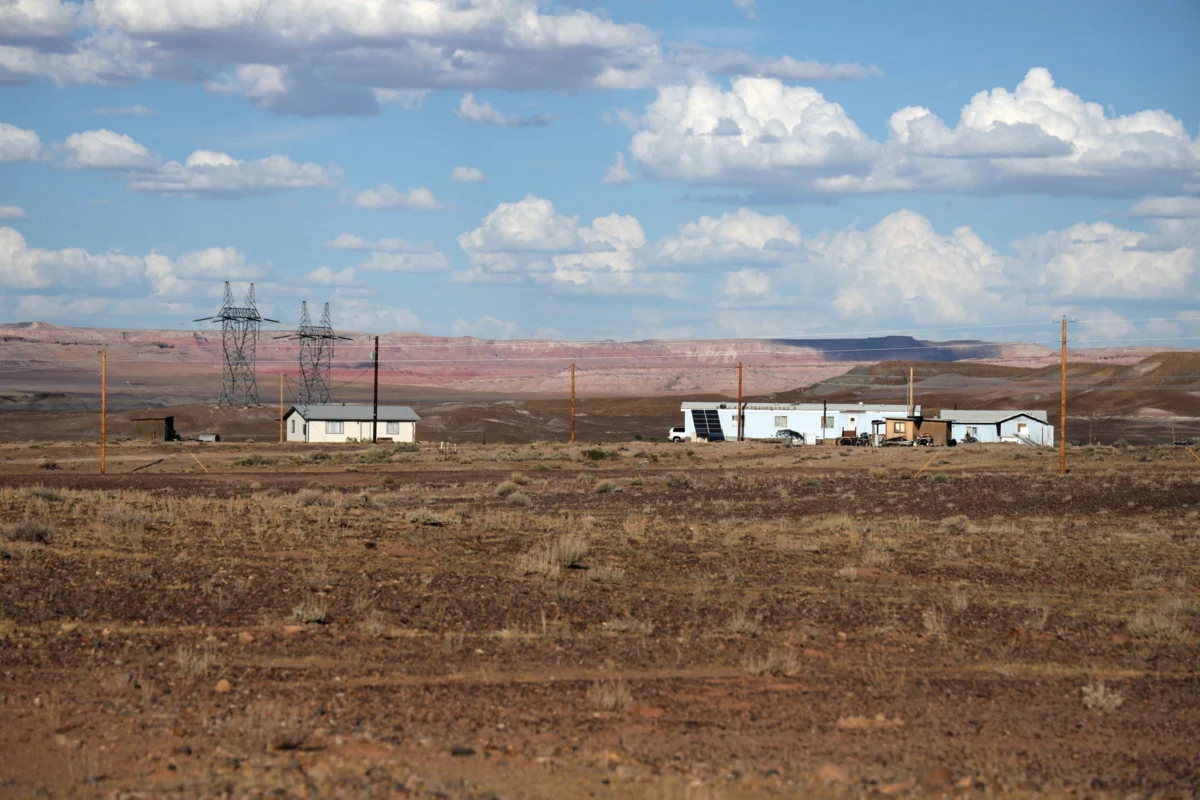
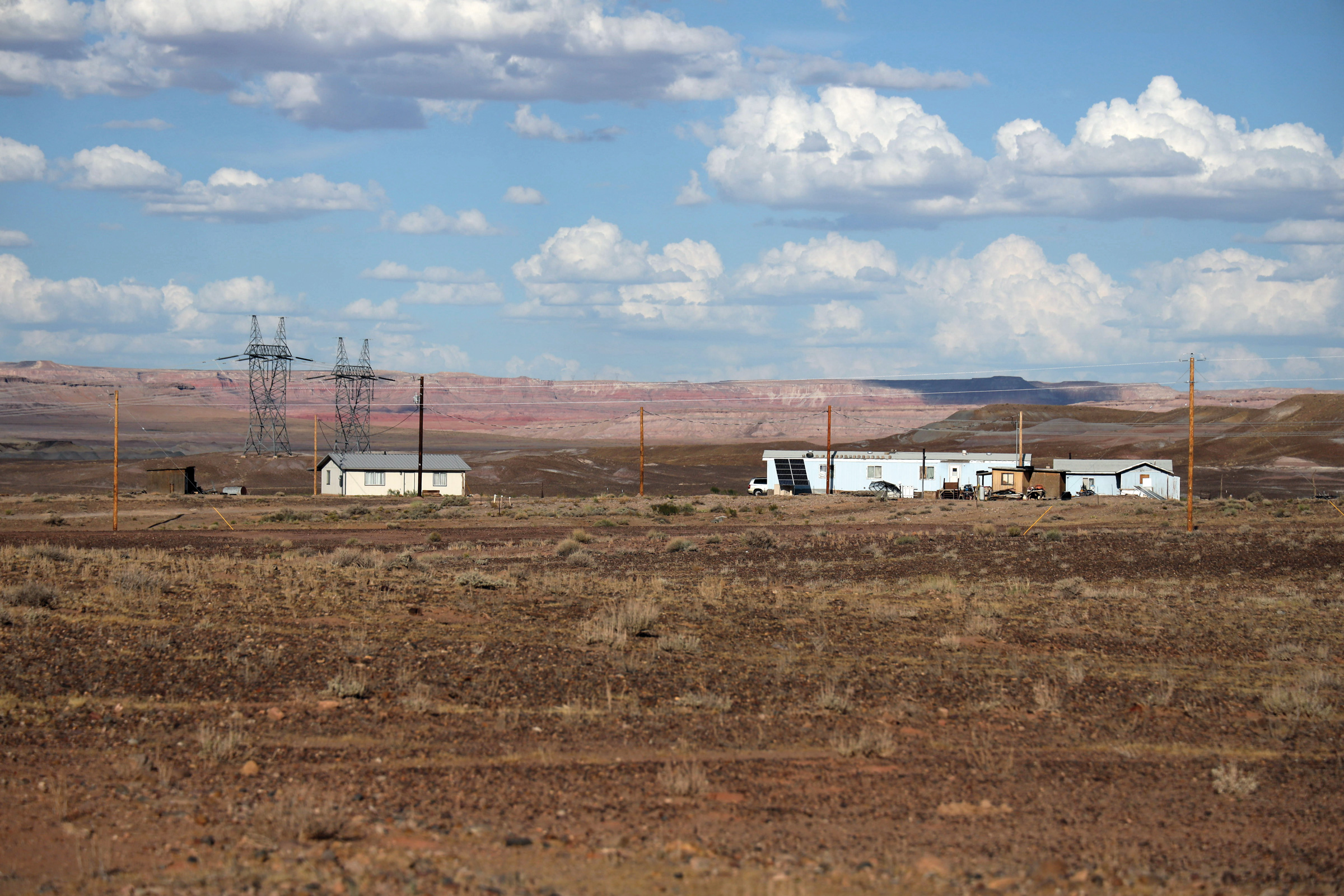
A proposed colossal solar energy installation, the Painted Desert Power project, has ignited profound skepticism within the Coalmine Canyon Chapter of the Navajo Nation, revealing a complex tapestry of distrust, communication breakdowns, and fundamental questions about equitable development on tribal lands. Initially envisioned to encompass approximately 1,000 acres of vital rangeland, the project’s footprint rapidly expanded to over 4,000 acres, fueling anxieties among residents already wary of a tribal government they often perceive as distant and unresponsive. This growing sense of being overlooked and exploited has cast a long shadow over one of the largest renewable energy initiatives proposed in the United States, highlighting the intricate challenges of transitioning to green energy while respecting indigenous sovereignty and ensuring community benefits.
"That made this whole project, as it kept progressing, more and more like we were being sold down the river. Or being taken advantage of, and not given any real voice," stated Tyrel Jones, secretary for the Coalmine Canyon Chapter’s Community Land Use Planning Committee, articulating a sentiment widely shared among his community. The sheer scale of the proposed development, designed to generate hundreds of megawatts of electricity, proved difficult for many local residents to conceptualize. Technical presentations, often delivered exclusively in English, compounded the challenge, leaving many, particularly elders, feeling excluded from critical discussions. Freddie Hatathlie, a retired Army veteran, rancher, and lifelong resident of Coalmine Canyon, underscored this communication gap, lamenting, "Make a model, draw models, build a model, so we can see it. The only way I understand is because I worked in a big power plant." This fundamental disconnect in communication methods reflects a broader pattern in resource development on Indigenous lands, where external stakeholders often fail to adapt to local languages, cultural contexts, and traditional knowledge systems, eroding trust and fostering alienation.
The push for renewable energy development on the Navajo Nation has intensified following the closures of several significant coal-related operations, which historically provided substantial revenue and employment. The Navajo Generating Station, once a major coal-fired power plant, and the Kayenta Mine, which supplied it, ceased operations, leaving a substantial economic void. This pivot towards solar represents a strategic effort to replace lost income and leverage the abundant solar resources of the Southwest. Existing solar projects on the Nation currently span about 915 acres, but the Painted Desert Power project’s proposed 4,500 acres would dwarf these, marking an unprecedented commitment to large-scale renewable infrastructure. Unlike some earlier projects led by the Navajo Tribal Utility Authority, the Painted Desert Power project involves a unique partnership between Navajo Power PBC, a Navajo-owned, non-tribal-affiliated organization dedicated to bringing renewable energy to tribal communities, and Applied Energy Services (AES), a Virginia-based global energy company. Together, they formed Painted Desert Power LLC to develop, own, and operate the facility.

AES maintains that it has undertaken extensive community engagement efforts, holding over 70 chapter and community meetings and securing four chapter resolutions of support, along with written consent from affected grazing-permit holders, as mandated by Navajo leasing regulations. "At AES, we understand that our success as a company is only as strong as our partnerships with the communities where we operate. Community consent is at the core of AES and Navajo Power PBC’s approach to development on the Navajo Nation," an email from the project team asserted. Yet, despite these assurances, many residents living in closest proximity to the planned development expressed persistent confusion about the project’s specifics, its operational mechanics, and, crucially, its direct benefits to their community.
Tyrel Jones highlighted how the project’s rapid expansion from 1,000 to over 4,000 acres fundamentally shifted the community’s perception of who stood to benefit. Concerns emerged that a large, external corporation like AES, with no historical ties to the Navajo Nation, would ultimately control the generated power. Jones described it as "just another example of a Trojan horse after another Trojan horse after another Trojan horse — which eventually we will have no say-so over any of these major promised entities." The project’s initial presentation during the early stages of the COVID-19 pandemic, characterized by vague pamphlets and a lack of formal documentation, further exacerbated these trust issues. Residents questioned the true scale of the project, the identities of all involved parties, and the rationale behind its ever-growing footprint.

A central point of contention revolves around the distribution of the generated electricity. Community members like Freddie Hatathlie voiced deep frustration that the power would not directly serve local Navajo homes but instead feed into the broader regional electrical grid. He drew a stark parallel to the former Navajo Generating Station, which, despite its location on Navajo land, primarily powered distant cities outside the Nation. "If you look at the Navajo Generating Station over there in Page, you know that generating station didn’t power Page at all. Zero," Hatathlie stated, echoing a historical grievance where tribal resources were extracted to benefit others while local communities remained underserved. AES confirmed this, acknowledging that the high-voltage project, not registered as a utility in Arizona, could not directly serve individual homes. To address immediate local electricity needs, Navajo Power PBC co-created Navajo Power Home, a subsidiary that installs off-grid solar systems for individual households. AES reported over 550 such installations across the Navajo Nation, including 80 in Cameron and Coalmine Canyon, with another 300 planned. However, recipients like Navy veteran Arlando Yellowhair noted the limitations of these 8-kilowatt units, which provide just enough power for a refrigerator and a few lights, requiring careful management for a family. "Eight kilowatts is not sufficient for a family to function without being aware of how much you’re using. You really have to pay attention to the amount that you’re using," Yellowhair emphasized, highlighting that these off-grid solutions, while helpful, do not fully compensate for the lack of direct grid access from the main project.
The Painted Desert Power project is slated for phased construction, with the first phase anticipated to begin in 2027 and full operation by 2030. Once complete, it will boast an immense scale, utilizing "1,363,635 solar panels and 816 battery enclosures," according to AES. Beyond the operational aspects, significant questions persist regarding the financial benefits and their distribution. Coalmine Canyon’s status as an uncertified chapter introduces a layer of complexity. Uncertified chapters lack the autonomy to manage their finances directly; instead, revenues are routed through the Navajo Nation Office of the Controller in Window Rock, the capital. This means that, despite AES’s commitment of an estimated $310 million in lease and tax payments over the project’s 40-year lifespan, including annual payments of $545 per acre increasing by 2% annually, and an additional $16.7 million per Chapter over the project lifetime—potentially more than doubling the Chapter’s FY26 budget—direct financial benefits to individual residents or the local chapter remain ambiguous. Shaun Hudson, Coalmine Canyon Chapter Grazing Official, articulated the concern: "So certified chapters, they have more freedom to, I guess, utilize their money… with outside entities."

The intricate legislative procedures of the Navajo Nation further complicate matters, making it challenging for residents to follow the various stages of review and approval for leases, tax measures, and project agreements. Shawna Claw, Chinle Council delegate and member of the Navajo Nation Resource and Development Committee, observed that this complexity led to widespread confusion, particularly concerning grazing permits. Residents mistakenly conflated discussions about the project’s tax structure with the separate lease approval process, leading some to believe their grazing permits were being obtained without their consent. Letters were submitted requesting permit rescissions. While an appeals process exists through the Navajo Nation Department of Agriculture for those who believe their consent was not properly obtained, many residents in remote communities remain unaware of these avenues.
These ongoing discussions about the Painted Desert Power project illuminate a broader imperative for the Navajo Nation to establish a comprehensive renewable energy policy framework. Tyrel Jones noted that tribal leaders are still grappling with how to effectively tax and govern large-scale solar developments. Without clear, overarching policies, each new project tends to navigate a somewhat ad-hoc process, leaving room for inconsistencies and renewed community distrust. Former Navajo Nation Council Delegate Thomas Walker Jr. emphasized the importance of adhering to the established, multi-stage land-leasing, legislative, and review processes designed to ensure all stakeholders have a voice. "If the processes are allowed to be utilized without any shortcuts… if it’s allowed to run its course all the way through, and you know our leaders are there to consider if they’re fully informed and if they have absolutely no questions… then they vote on it," he explained. He stressed that any circumvention of these procedures should be transparently addressed. Yet, for many in Coalmine Canyon, like grazing official Shaun Hudson, the sentiment persists that decisions are often pre-determined in Window Rock, rendering local input a mere procedural formality. "So right now, yeah, these developers, they come in just to follow procedure, you know, just to show their place. So, it doesn’t matter," Hudson concluded, encapsulating the deep-seated frustration and perceived power imbalance that continues to challenge the pursuit of a just energy transition on the Navajo Nation.