Johny Prima

The significance of Haaland’s journey to the governor’s mansion cannot be overstated, building upon a trajectory of groundbreaking achievements. Her path to this historic governorship began with her groundbreaking election to the U.S. House of Representatives in 2018. Alongside Sharice Davids of Kansas, Haaland shattered barriers, becoming one of the first two Native women to ever serve in Congress. During her tenure on Capitol Hill, she quickly established herself as a passionate advocate for environmental protection, tribal sovereignty, and social justice, serving on committees vital to addressing issues impacting her constituents and Indigenous communities nationwide. Her legislative work often focused on clean energy initiatives, protection of public lands, and ensuring federal agencies upheld their trust responsibilities to Native American tribes, laying the groundwork for a policy approach rooted in community well-being and environmental stewardship.
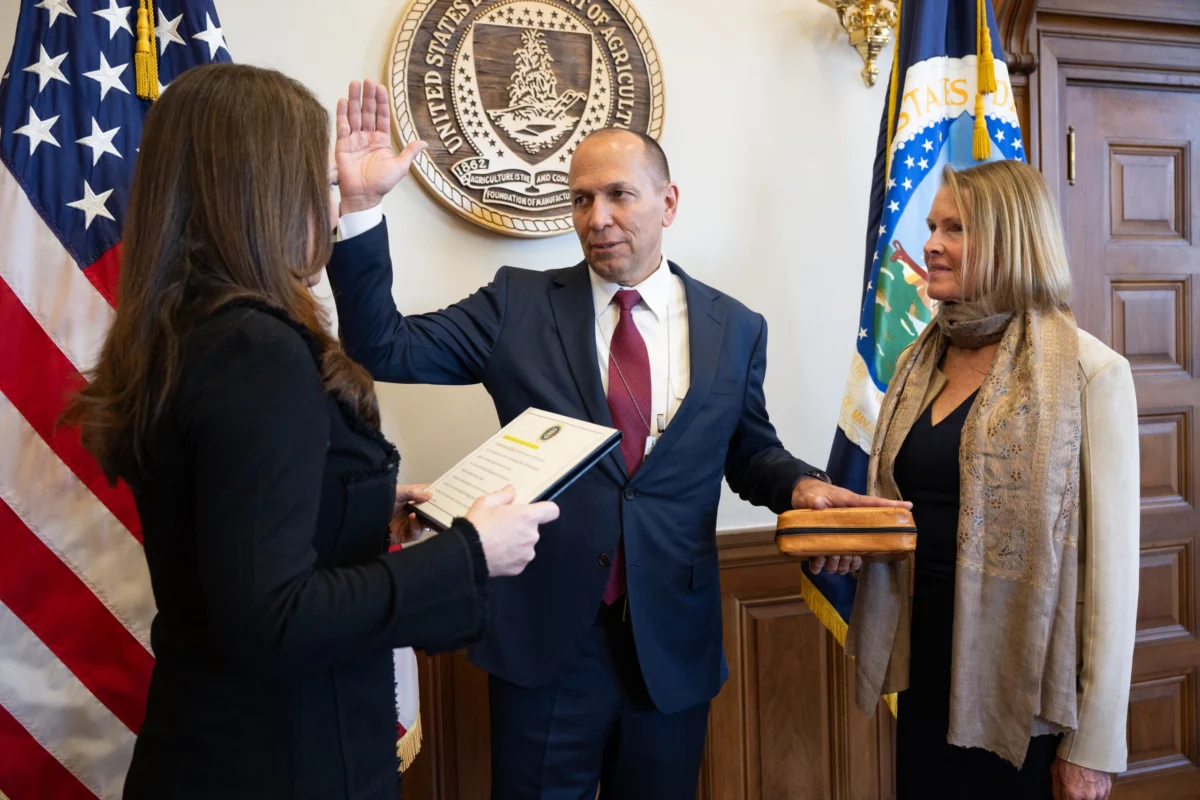
Her influence expanded dramatically when President Joe Biden nominated her to lead the Department of the Interior, a position she oversaw with historic distinction. As the first Indigenous woman to serve as Secretary of the Interior, Haaland brought a deeply personal and culturally informed perspective to a department that has historically managed the nation’s vast natural resources and its complex relationship with Indigenous peoples. This appointment was revolutionary, transforming a role once associated with the often-fraught history of federal Indian policy into one championed by an Indigenous voice. During her time as Secretary, Haaland prioritized initiatives aimed at addressing the crisis of Missing and Murdered Indigenous Persons (MMIP), launching a new unit to tackle these unsolved cases and foster greater collaboration with tribal law enforcement. She also spearheaded efforts to reform fossil fuel leasing policies on public lands, emphasized climate resilience and conservation, and initiated a comprehensive review of the federal Indian boarding school system, seeking to uncover and acknowledge its painful legacy. Her leadership at Interior marked a concerted effort to incorporate Indigenous knowledge and tribal consultation into federal decision-making processes, shifting the paradigm of federal-tribal relations.

Returning to her home state to run for governor, Haaland articulated a platform deeply attuned to the daily realities faced by New Mexicans. Her campaign resonated with voters by directly addressing critical issues such as affordability, safety, healthcare, and education. She pledged to tackle the rising cost of living, proposing measures to support working families and boost economic opportunities across the state. On public safety, her proposals aimed at strengthening community policing, addressing root causes of crime, and ensuring equitable access to justice. Healthcare reform was another cornerstone of her campaign, with promises to expand access to affordable medical services, particularly in rural and underserved areas, and to combat health disparities. Education initiatives focused on improving outcomes for all students, investing in early childhood education, and supporting educators, recognizing that a robust educational system is fundamental to the state’s future prosperity. These pillars of her campaign reflected a commitment to holistic governance, aspiring to uplift every resident of New Mexico.
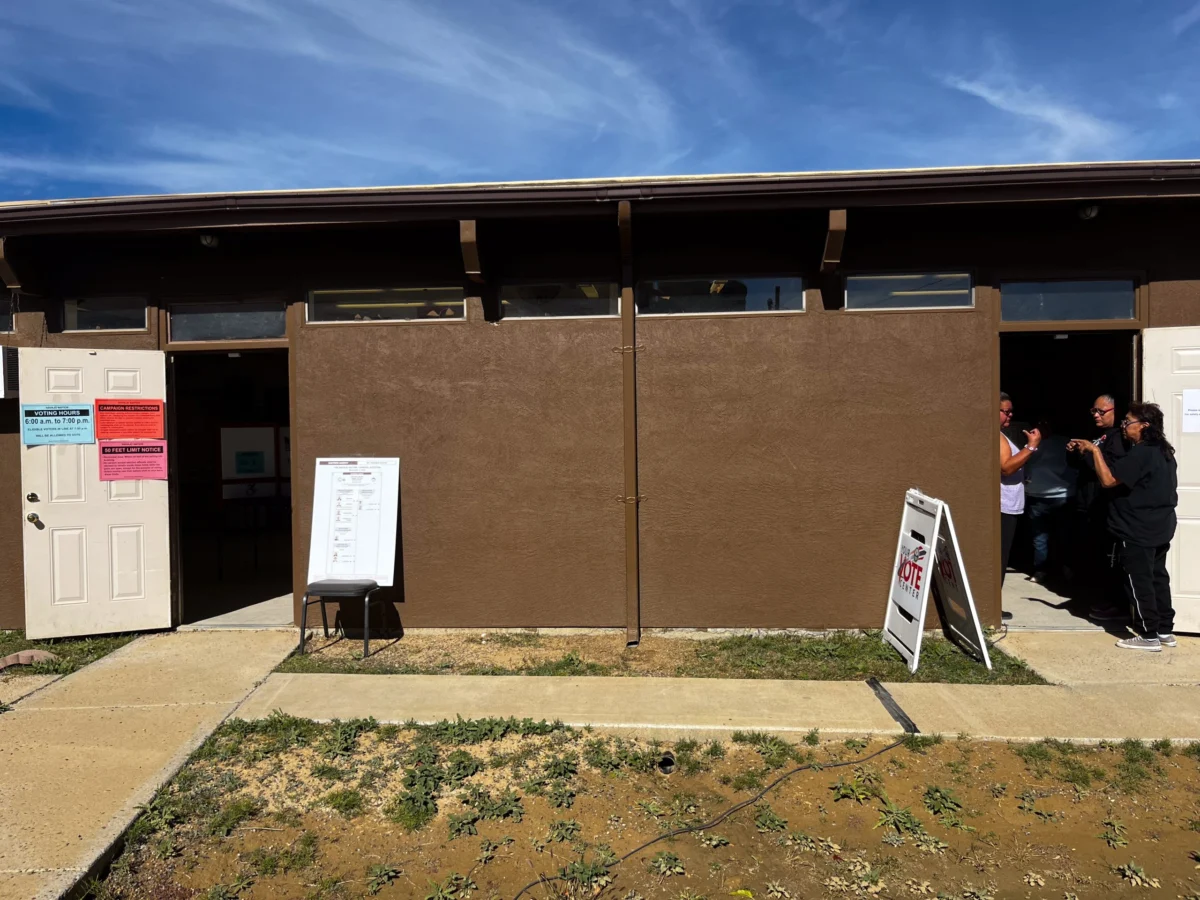
New Mexico, with its rich tapestry of cultures and a significant Native American population, provides a uniquely fitting stage for Haaland’s governorship. The state boasts a diverse demographic landscape, where Indigenous communities play a vital role in its cultural heritage, economic fabric, and political life. Challenges such as water scarcity, economic diversification beyond traditional industries, and ensuring equitable development across urban and rural divides are paramount. Haaland’s deep understanding of these issues, informed by her own Indigenous background and extensive experience at both federal and local levels, positions her uniquely to address them. Her election signifies not just a win for her party, but a profound affirmation of the state’s multicultural identity and a commitment to inclusive leadership. Idalia Lechuga-Tena, a former legislator and current president of the New Mexico Federation of Democratic Women, observing the election-night headlines, encapsulated the sentiment of many, witnessing a long-awaited moment of profound representation.
Haaland’s ascent to the governorship also forms part of a larger, burgeoning movement of Indigenous women asserting their political power across the globe. From local councils to national parliaments, Indigenous women are increasingly stepping into leadership roles, advocating for their communities, and bringing unique perspectives to pressing global challenges. This trend is visible in nations like Canada, where Indigenous leaders are shaping national reconciliation efforts, and in New Zealand, where Māori women hold prominent positions in government. Their rise reflects decades of grassroots organizing, advocacy for tribal sovereignty, and a growing recognition of the invaluable insights Indigenous perspectives offer in areas ranging from environmental stewardship to social justice. These leaders often champion policies that integrate traditional knowledge with modern governance, emphasizing sustainability, community well-being, and respect for ancestral lands.

As governor, Haaland faces the complex task of translating her progressive vision into tangible policy outcomes, navigating state legislative dynamics, budgetary constraints, and the diverse needs of New Mexico’s population. Her leadership will be critical in advancing the state’s renewable energy goals, protecting its precious natural resources, and fostering economic growth that benefits all communities, including its 23 sovereign tribal nations. Her tenure promises to be a test case for how Indigenous leadership can bridge historical divides, champion equitable development, and inspire future generations. Her election is not merely a political victory; it is a powerful statement about the evolving face of American leadership and the enduring strength and resilience of Indigenous peoples, affirming that their voices are not only heard but now guide the highest echelons of power.