Roger Danuarta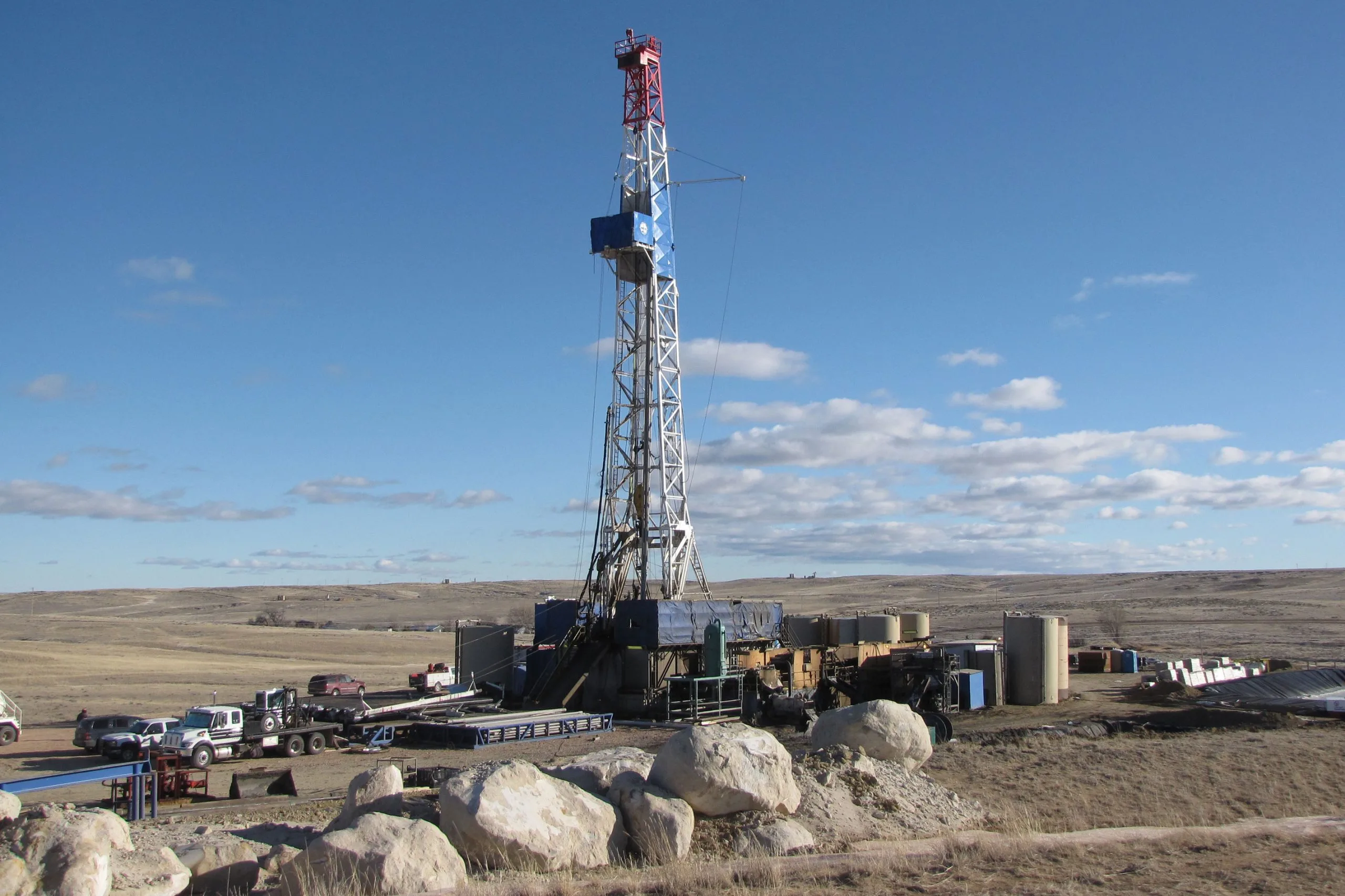
This critical perspective suggests that the multiple-use paradigm, rather than being a robust and adaptable system, has become a conduit for unchecked industrialization, prioritizing profit-driven extraction over the long-term health of vital ecosystems and the broader public interest. Far from merely "showing its age," as some proponents of incremental reform suggest, the current state of public lands reflects a profound systemic failure, demanding either a complete overhaul or outright abandonment of the existing management philosophy. The assertion is stark: what began as "multiple use" has devolved into "multiple abuse," accelerating the degradation of natural habitats and pushing countless species toward the brink.
A recent initiative, "Ground Shift," and its proponents, are attempting to reframe the discussion around public lands, suggesting amendments to the existing framework. One notable proposal from Ground Shift contributor Justin Pidot advocates for a "primary purpose" or "dominant use" management strategy. This model envisions concentrating specific industrial activities, such as mineral development, renewable energy infrastructure, and transmission corridors, into designated zones. However, critics vehemently reject this approach, likening it to "rearranging the deck chairs on the Titanic." They argue that this proposed framework does not fundamentally alter the extractive paradigm but merely repackages it, leading to the creation of "sacrifice zones" within public lands. The underlying logic, they contend, is a dangerous fallacy: the belief that industrializing wild ecosystems can ever be truly compatible with robust biodiversity and crucial climate goals, even if such activities are nominally limited, mitigated, or strategically targeted. The hard reality, from this viewpoint, is that ecological health and biodiversity conservation cannot genuinely coexist with intensive extraction and industrial development on the same land.
The philosophical underpinnings of initiatives like Ground Shift, often aligned with what is termed the "abundance movement" and its reliance on "free-market environmentalism," draw particular ire. Critics dismiss these concepts as little more than "trickle-down economics" repackaged for an environmentally conscious audience. The promise of "more of everything"—more energy projects, more minerals, more timber, more beef, and more infrastructure—while simultaneously delivering healthier watersheds, thriving wildlife populations, and intact forests and sagebrush ecosystems, is viewed as an unattainable fantasy. Historical evidence, they argue, demonstrates that more than a century of such management has consistently resulted in fragmented landscapes, diminished ecological resilience, and the steady erosion of federal protections, rather than the promised abundance and balance.

To understand the depth of this critique, one must recall the original intent behind the establishment of public lands. Visionaries like President Theodore Roosevelt created vast forest preserves and national parks not as sites for commercial exploitation, but as direct responses to the rampant, unchecked resource extraction that characterized the late 19th century. These lands were explicitly conceived as a bulwark against the very industrialization that contemporary proposals, in the eyes of their detractors, seek to normalize and even promote. The powerful economic forces that historically drove excessive extraction across the American West have not vanished; they have merely evolved, adopting green-sounding euphemisms to mask fundamentally destructive objectives.
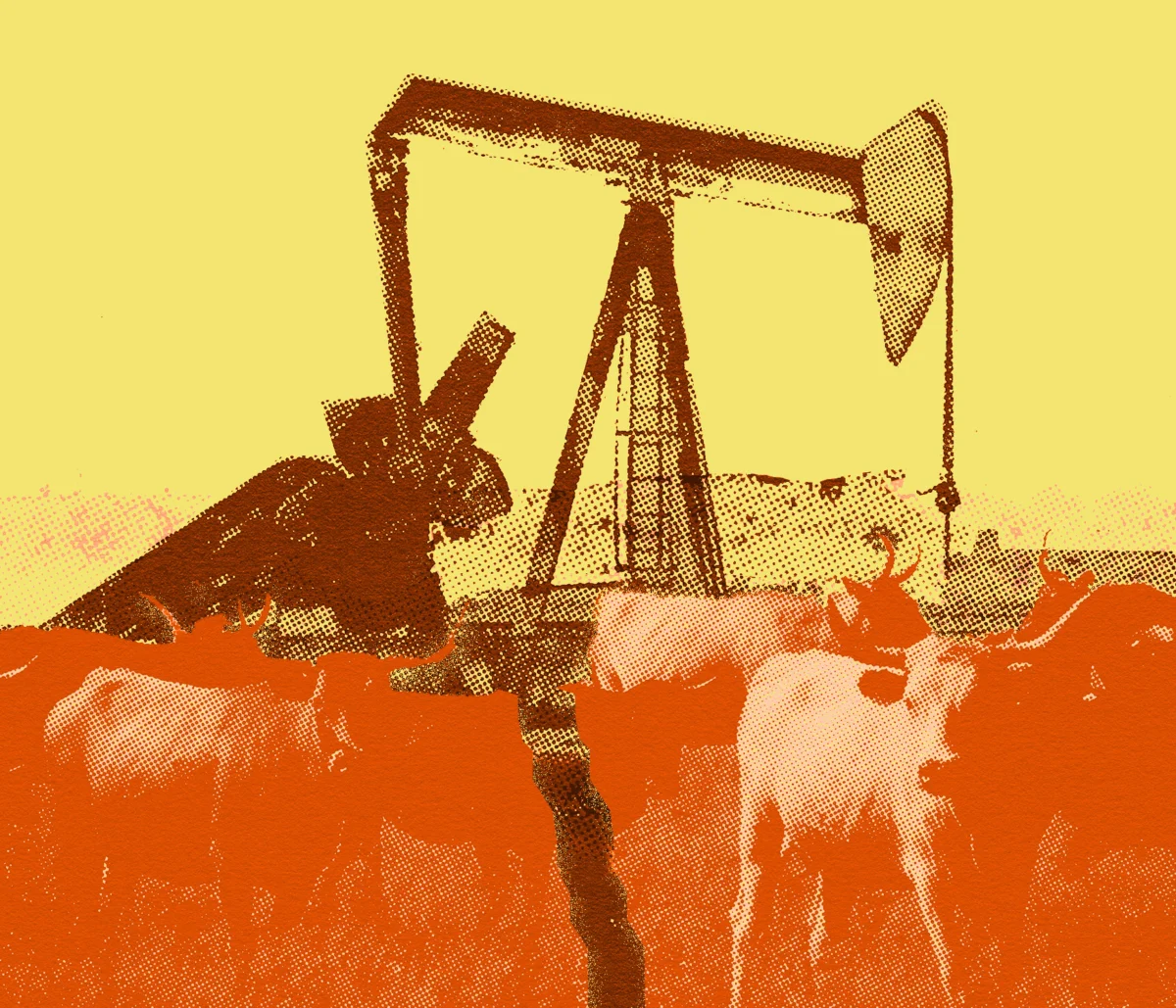
The current trajectory is deemed unsustainable, a futile cycle of repeating the same actions while expecting different, more positive outcomes. The status quo, it is argued, is beyond reform and demands a radical paradigm shift. The multiple-use framework has, in practice, consistently demonstrated that activities like large-scale cattle grazing and commercial logging are inherently incompatible with the biodiversity and ecological integrity of public lands. Furthermore, addressing the accelerating climate crisis necessitates immediate and decisive action, starting with an urgent moratorium on new oil and gas wells on public lands, given the existing extensive development.
Safeguarding global biodiversity and achieving climate stability, according to this new vision, requires the establishment of genuinely protective area boundaries. This includes significantly expanding designated wilderness areas and granting permanent, ironclad protection to all remaining roadless lands. Crucially, the loopholes that currently permit destructive logging practices, unmanaged off-road vehicle use, and unsustainable grazing must be definitively closed.
Beyond merely stopping degradation, a bold new "rewilding" land designation is proposed for ecologically important public lands that have suffered extensive damage from decades of industrial use. The stewardship of these rewilded areas would mark a radical departure from current practices: existing roads would be decommissioned and allowed to revert to natural states; riparian systems would be actively restored, including through the reintroduction and encouragement of keystone species like beavers; livestock grazing would be permanently ended; and all remaining fences and industrial infrastructure would be systematically removed from the landscape. This ambitious vision also inherently incorporates traditional ecological knowledge, advocating for the return of cultural burning practices, the re-establishment of first foods production, and other indigenous land management techniques that have sustained these ecosystems for millennia. A critical shift in perspective is also necessary regarding natural disturbances, particularly wildfire. Rather than viewing fire as something to be strictly "controlled" or "managed" through industrial intervention, these natural processes must be recognized as essential ecological forces and allowed to occur without undue human interference across the public domain, fostering healthier, more resilient landscapes.

The prevailing model of public land management is clearly not working, and proposals like the "primary purpose" model are seen as mere attempts to perpetuate the machinery of extraction under a different guise. It is time, proponents argue, to fundamentally pivot away from the industrial model and embrace a new vision for public lands—one that unequivocally prioritizes ecological integrity and genuine rewilding over the deceptive illusion of an extractive "balance." Under this transformative approach, commercial activities would only be permitted on public lands to the absolute extent that they never impair the healthy functioning of native ecosystems, especially outside of designated wildlands. Only through the permanent protection of these shared wild commons and the active fostering of genuine ecological recovery can society ensure that these invaluable landscapes continue to sustain both human communities and the myriad other species that depend on them.
The acclaimed writer Terry Tempest Williams once eloquently described public lands as "landscapes of hope." Indeed, in stark contrast to the often intensively managed private lands, public lands offer a rare and profound opportunity to advocate for the landscapes and species humanity desires to see flourish. In many regions, they represent the last bastions where truly wild nature can still be experienced. However, this hope, critics assert, demands unvarnished clarity: society must confront the undeniable reality that the current status quo has failed. No amount of incremental tinkering around the edges will produce the fundamental transformation these imperiled landscapes urgently require. The path forward, they contend, begins with an honest reckoning with past failures, a commitment to forging a new direction, and an unwavering trust in nature’s inherent capacity to lead the work of recovery and regeneration.