Roger Danuarta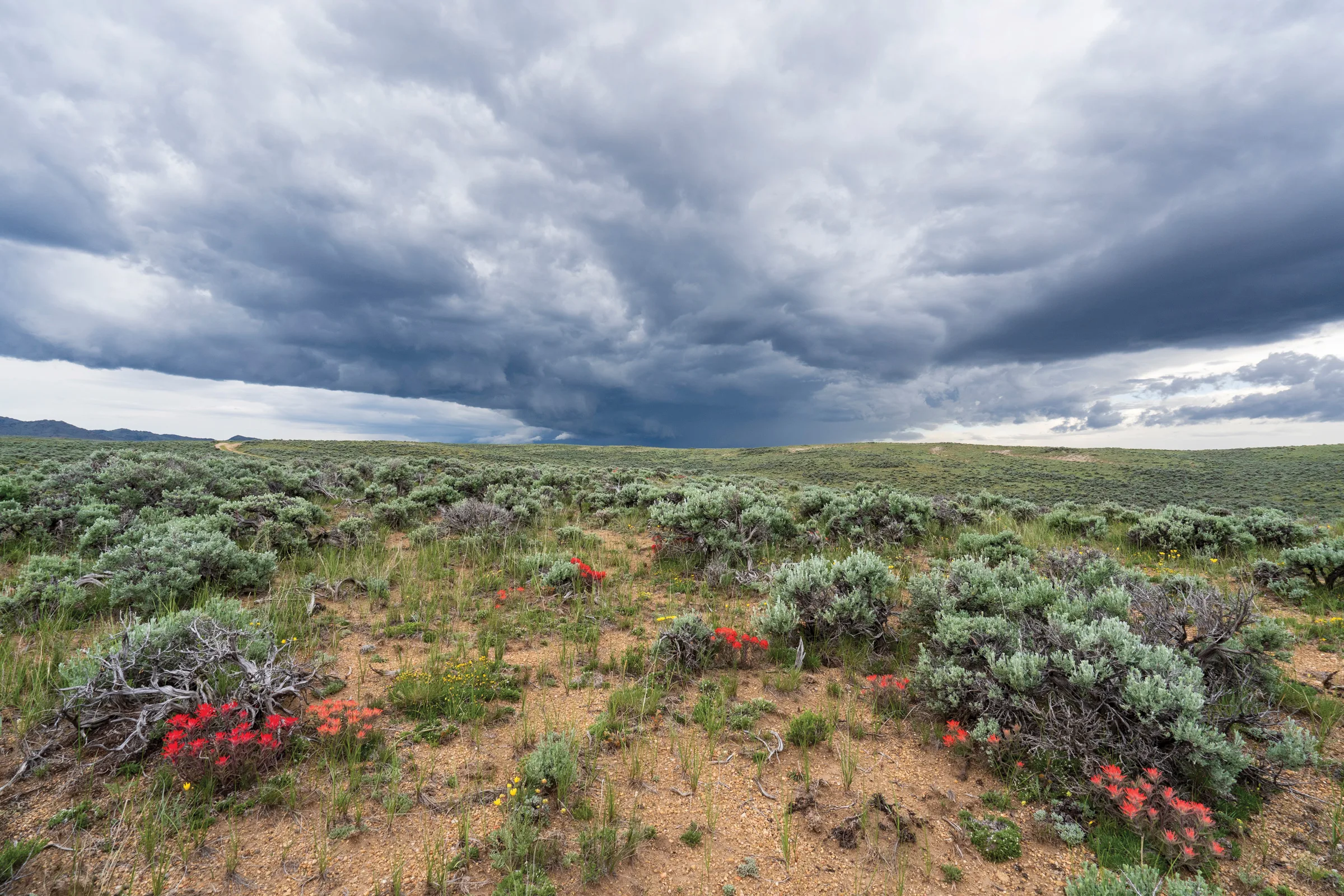
In the heart of western Wyoming, a vast and biologically significant landscape known informally as the Golden Triangle awakens each summer with a remarkable natural spectacle. As late June transitions into early July, sage grouse hens, accompanied by their growing broods of chicks, embark on a critical journey. These "gangly teenagers" of the sagebrush plains, still developing the robust wings necessary for sustained flight across the high plains, navigate up to 20 miles on foot. Their arduous trek leads them from the arid, challenging desert environments to higher, greener pastures, where they seek out vital sustenance: blooming wildflowers and an abundance of skittering beetles. This annual migration underscores the profound ecological value of this 280,000-acre expanse, predominantly managed by the Bureau of Land Management (BLM), which boasts the highest concentration of sage grouse anywhere on Earth, a testament to the unimpeded migratory pathways and diverse habitat available.
Beyond the iconic sage grouse, whose health is often seen as a barometer for the entire sagebrush steppe ecosystem, the Golden Triangle supports a rich tapestry of wildlife, making it an ecological jewel of the American West. Over a thousand elk find refuge here during the harsh winter months, sustained by the high-elevation landscape’s cured grasses, dried wildflowers, and nutrient-rich shrubs. Pronghorn and mule deer also depend heavily on this area, either as critical winter range or as an essential stopover point along their epic migrations. These include the longest documented mule deer and pronghorn migrations in the Lower 48 states, corridors that are increasingly threatened across the Western United States by development and fragmentation. The Golden Triangle, with its intricate network of perennial and intermittent streams carving through the foothills, creates vital wet meadows and irrigated pastures even at higher elevations, providing indispensable water sources and forage. Furthermore, this pristine environment has largely resisted the encroachment of invasive species like cheatgrass, a highly flammable plant that has degraded vast tracts of sagebrush habitat across the West, altering fire regimes and reducing forage quality.
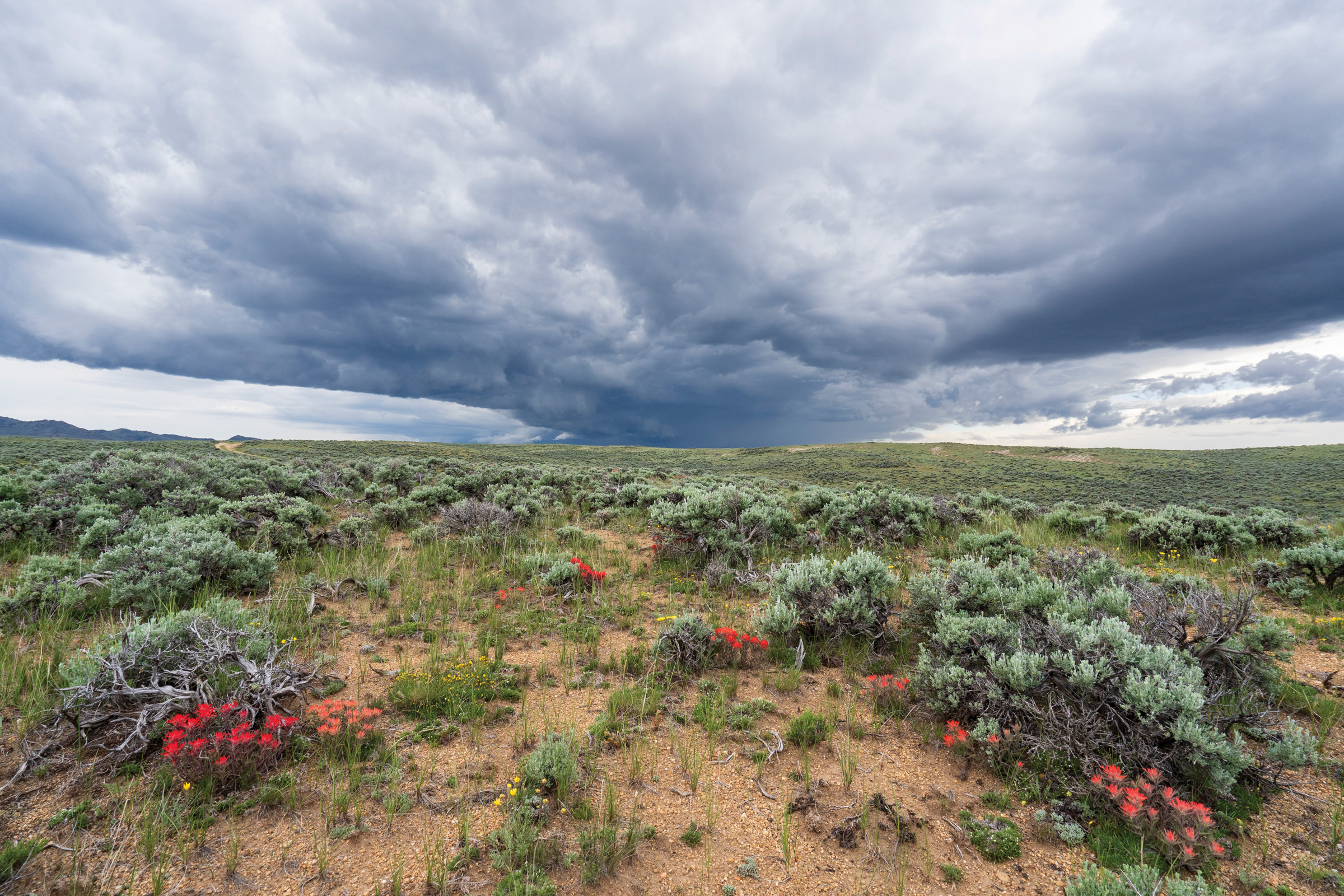
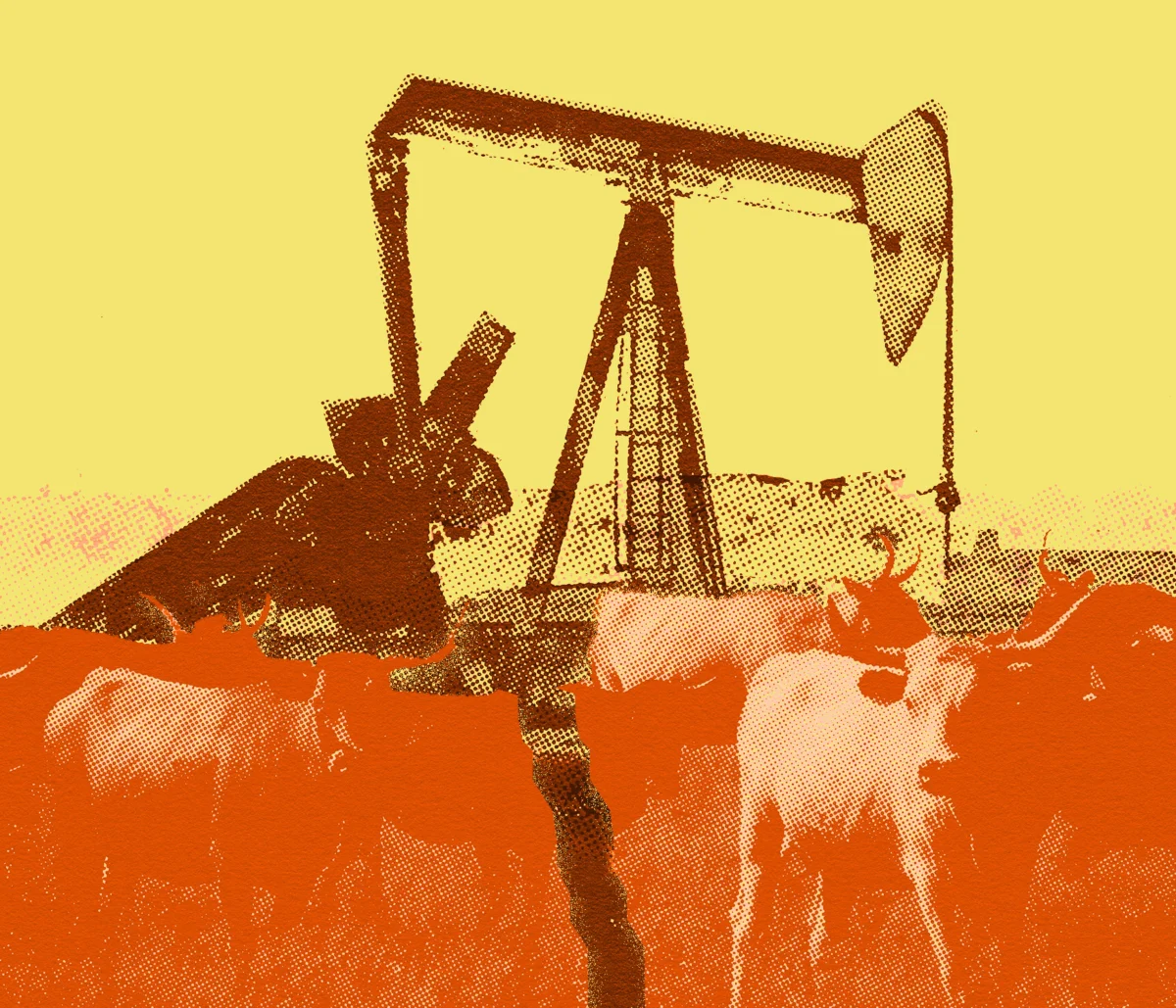
Retired Wyoming Game and Fish Department biologist Tom Christiansen, who dedicated over three decades to working in the region, aptly describes the Golden Triangle as "the best of the best," a landscape of superlatives. Yet, the future of this irreplaceable ecosystem and its myriad inhabitants hangs precariously in the balance. The Golden Triangle stands as one of only a handful of areas in oil and gas-rich southwestern Wyoming not currently open for fossil fuel leasing. However, the carefully crafted management plan that safeguards this region is now facing unprecedented challenges. Conservation organizations and wildlife advocates voice grave concerns that the area may soon be opened to extensive fossil fuel development, driven by a confluence of factors: the BLM’s expedited process to rewrite the rules governing the area, recent congressional actions overturning approved land-use plans across the West, and a prevailing national political agenda prioritizing energy dominance above all other considerations. "There used to be a lot more of the best," Christiansen lamented, "But this is about the last of it."
The precariousness of the situation was starkly highlighted when the BLM, despite its own established management plan classifying the Golden Triangle as off-limits to drilling, announced in October a proposal that included nearly 20,000 acres within this critical area for potential oil and gas leasing. This proposal was part of a broader offering encompassing 3.5 million acres within the BLM’s Rock Springs field office, where approximately 75% of the subsurface mineral estate is already available for development. The revelation immediately triggered widespread alarm among conservation groups. While the BLM subsequently reversed course two months later, with Wyoming public affairs leader Micky Fisher stating that the Golden Triangle parcels were never intended for leasing and that the announcement was merely to gauge industry interest before filtering out unavailable lands, the initial inclusion was highly unusual. Typically, the agency would remove protected areas from consideration before making such public announcements. A revised document published in late December indeed excluded the Golden Triangle, but the incident underscored the persistent pressure on this vital landscape.
The foundation of public land management in the United States rests upon Resource Management Plans (RMPs). These comprehensive, weighty documents dictate how local BLM field staff respond to diverse requests ranging from cattle grazing and trona mining to oil and gas drilling, and the development of recreational infrastructure like hiking or mountain-biking trails. The process of creating these RMPs is inherently collaborative, involving extensive public engagement through countless meetings, discussions, and public comment periods responding to detailed environmental impact statements. Such plans often require years, sometimes even a decade or more, to reach finalization, reflecting a painstaking effort to balance multiple uses and conservation imperatives.

The current RMP for the Rock Springs area, encompassing the Golden Triangle, was finalized in late 2024 after more than 13 years of meticulous deliberation and public input. Yet, in a highly uncommon move, the BLM announced in October its intention to overhaul significant portions of this recently approved plan within a single year. This accelerated timeline and dramatic shift are viewed by conservationists as a direct affront to the democratic process and the communities that invested considerable time and effort in its development. Julia Stuble, The Wilderness Society’s Wyoming state director, described the move as "disrespectful of the communities that have put a lot of time and effort into this." The BLM’s news release explicitly linked these proposed changes to President Donald Trump’s "Unleashing American Energy" executive order, which, according to the agency, directs federal agencies to "reassess policies that may unnecessarily restrict access to domestic energy and mineral resources." The release specifically targeted Areas of Critical Environmental Concern (ACECs), such as the Golden Triangle, for reexamination to determine if their protective designations remain warranted.
While conservation groups acknowledge that certain stipulations on drilling, like "no surface occupancy" (NSO), can help mitigate negative impacts by allowing companies to access underground resources through directional or horizontal drilling from a single well pad, thereby minimizing surface disturbance, implementing such protections is becoming increasingly difficult. Historically, BLM field staff possessed the flexibility to add these restrictions during the leasing phase. However, a legislative change in 2025, referred to as the "Big Beautiful Bill," now mandates that such stipulations must be explicitly written into the management plan before an area is leased. This shift effectively removes a crucial layer of adaptive management and environmental protection, making it far harder to safeguard sensitive habitats once a lease is granted.
The consequences of allowing energy development in vital wildlife habitats are well-documented and often irreversible. Hall Sawyer, a prominent Wyoming biologist, has spent years studying the impacts of human activity on wildlife populations. His 2017 paper, for example, demonstrated a nearly 40% decline in mule deer herds following the extensive development of the Pinedale Anticline, another sagebrush-covered landscape located less than 50 miles from the Golden Triangle. This serves as a stark warning. "If it’s important habitat, don’t lease it, because after that you lose control over being able to protect the resource," Sawyer emphasized, highlighting the long-term, detrimental effects of habitat fragmentation, noise pollution, increased human presence, and altered hydrological regimes that inevitably accompany fossil fuel extraction.

The threat looming over the Golden Triangle is emblematic of a broader trend where congressional actions and executive directives increasingly bypass traditional norms in public land management. David Willms, the National Wildlife Federation’s associate vice president of public lands, points to the recent deployment of the Congressional Review Act (CRA) as a particularly concerning development. In late 2025, House and Senate Republicans utilized this powerful legislative tool to discard, either wholly or in part, the newest versions of five resource management plans across the West, impacting areas in North Dakota, Alaska, Wyoming, and Montana. They also leveraged the CRA to initiate the reversal of a mineral lease withdrawal near Minnesota’s Boundary Waters Canoe Area Wilderness, and are reportedly considering its use to overturn the RMP for Utah’s iconic Grand Staircase-Escalante National Monument.
The overturning of recently approved management plans carries profound implications. These plans revert to older versions, sometimes decades old, that fail to incorporate the latest scientific understanding of wildlife migration patterns, the escalating impacts of climate change, or the increasing pressures from new forms of development like data centers and growing recreational demands. This creates a regulatory vacuum and an unsustainable cycle of policy reversals. If successive administrations and congressional majorities continue to rewrite or overturn painstakingly developed management plans, local communities and stakeholders who invest years in these processes will inevitably become disengaged and disillusioned. Willms warns that if people become "too burnt out and don’t show up to help," the resulting plans will likely be "driven out of D.C., which is not what people want." This instability undermines the very principles of collaborative conservation and local stewardship that are essential for effective, long-term land management.
For the ecological future of the Golden Triangle, with its unparalleled concentration of sage grouse and its vital role in sustaining the longest migrations of mule deer and pronghorn, the battle is far from over. The ongoing efforts by conservation groups, scientists, and concerned citizens to advocate for these lands highlight the critical importance of sustained public involvement. The potential loss of this landscape’s "superlatives" is not yet a foregone conclusion, and the collective voice of those who cherish these wild spaces remains the most powerful defense against policies that threaten to unravel decades of conservation progress for the sake of short-term resource extraction. The Golden Triangle stands as a symbol of the enduring struggle to balance human needs with the preservation of America’s natural heritage.