Rocky Georgio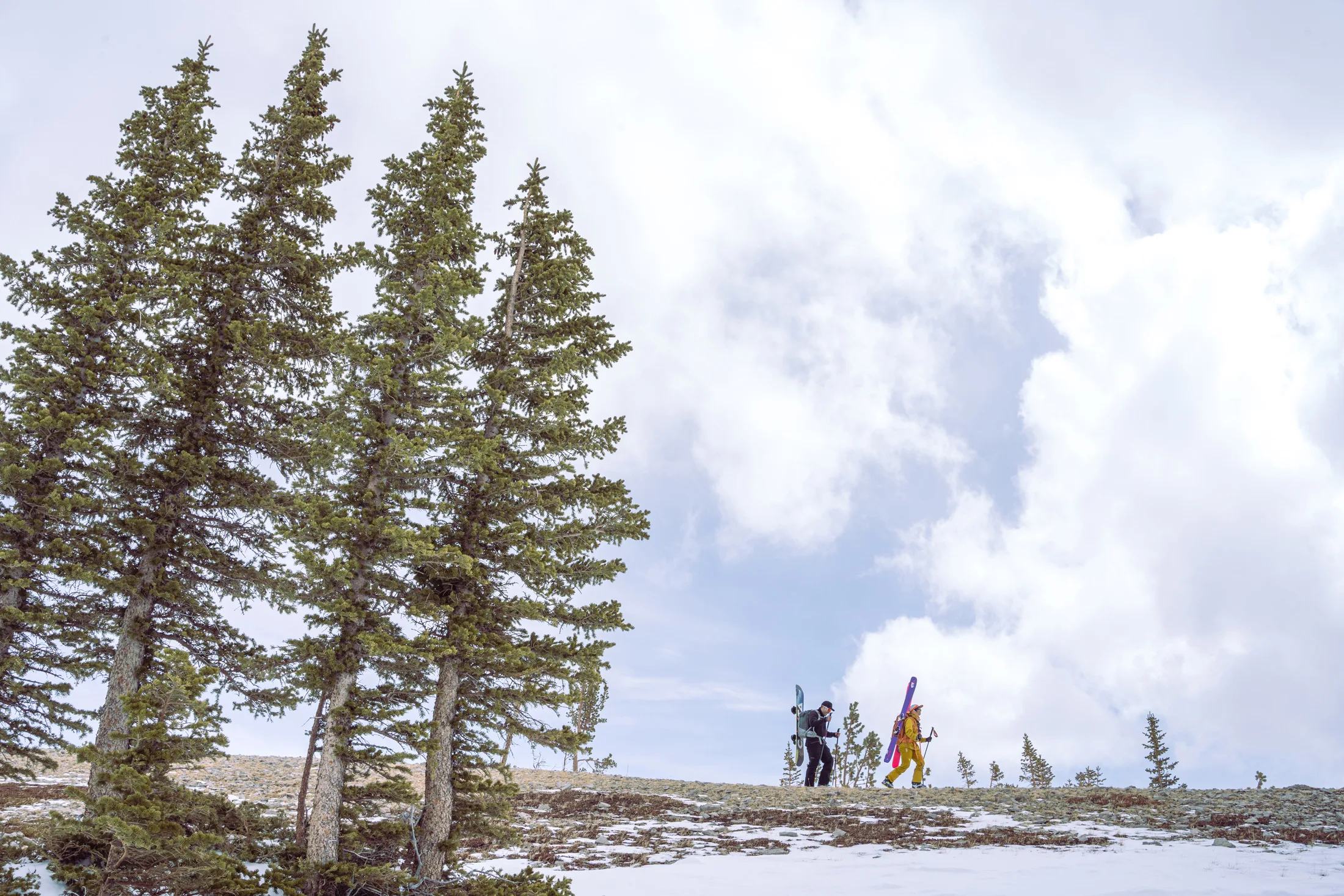
A late November night in the Rockies, usually a time for the comforting sound of falling snow at 7,000 feet, brought only the drumming of rain on the roof. What had been predicted as a significant storm, with forecasts suggesting accumulations of up to six feet, dwindled into a mere dusting of a few inches in isolated higher elevations. This pattern of diminished snowfall is becoming an increasingly familiar, and concerning, reality as the winter solstice approaches.
For years, the arrival of early winter was a source of genuine excitement, a season eagerly anticipated regardless of location across the Western United States. The ability to track incoming storms from the Pacific, observing the race between high-alpine ski resorts in Colorado to be the first to open or watching the snowline descend across the Pacific Northwest, brought a unique thrill. However, that feeling of eager anticipation has steadily transformed into a pervasive sense of dread. Now, weather forecasts trigger a different kind of adrenaline, one tinged with anxiety, and a tightening in the stomach when expected storms fail to materialize. As a skier, the health of winter has become an intuitive barometer for larger environmental shifts, and recent seasons have been characterized by unseasonable warmth and a profound lack of precipitation. What was once a simple joy in the prospect of storm-day skiing and soft turns has evolved into a deep-seated worry about the implications of this snow deficit for the future.
The personal happiness derived from skiing is inextricably linked to weather systems far beyond individual control. While this fixation on snowfall might seem like a peculiar obsession, it serves as a constant reminder to remain attuned to the subtle shifts in atmospheric patterns and to observe the broader trends at play. Skiers often exhibit a tendency toward obsession, ritual, and superstition, sometimes engaging in practices aimed at influencing natural forces. The common joke about "praying for snow," despite the understanding that nature operates independently of human entreaties, highlights this deeply ingrained hope. Practices like attending pre-season ski-burning bonfires or even washing a car in hopes of encouraging snowfall are, in essence, modern manifestations of this age-old desire.

The wish for snow is driven by two distinct, yet intertwined, motivations: the personal and the planetary. On a personal level, the desire for snowy winters stems from the simple pleasure of engaging in an activity that has brought joy since childhood. Skiing offers a sense of weightlessness, speed, and a profound connection to the surrounding natural world. However, the compulsive checking of SNOTEL sites, which monitor snowpack and water content, or ski area base depth reports, reveals a deeper awareness of unfolding environmental changes.
While skiing might be perceived as a superficial pursuit, it serves as a tangible indicator of a changing climate. The effects are made palpable through movement, or the significant lack thereof. The activities and passions that define our lives often highlight our vulnerabilities, the extent of what we stand to lose, and the humbling realization of our limited influence over these powerful forces.
The impact of diminished snowfall is already being felt across the industry. Local ski hills, including the author’s, have been forced to postpone their opening dates. This trend is widespread, with virtually every mountain in Utah also delaying their season starts, including Deer Valley, which faced an unprecedented early-season closure for the first time in its history. The scarcity of natural snow has been compounded by temperatures too mild to effectively produce artificial snow. This lack of snow has significant cascading consequences, particularly for the workers and communities whose livelihoods depend on winter tourism. Beyond recreation and commerce, snowpack represents a critical natural resource: the primary source of water for much of the Western United States.
Currently, nearly every region of the Western U.S. is experiencing drought conditions. As of December, the National Water and Climate Center’s map of snow-water equivalent, a crucial measure of the water content held in the snowpack, is predominantly colored red, indicating that most areas are reporting less than 50% of their average snow-water equivalent. This stark data underscores the critical role of snow as a vital water supply for millions of people.

This prolonged, mild winter follows an exceptionally hot and dry summer, during which wildfires posed an increasing threat to communities across the region. Last winter also proved to be unusually dry and sparse, further exacerbating the long-term drought conditions that have gripped the West. Ski resorts are increasingly finding themselves in complex negotiations over water rights, essential for operating snowmaking operations. The persistent lack of snow not only jeopardizes winter tourism but also heightens the risk of wildfires and contributes to food insecurity, while simultaneously intensifying existing conflicts over scarce water resources, particularly concerning the Colorado River.
The interconnectedness of our natural and social systems is undeniable, and skiing serves as a specific, yet potent, marker of these profound environmental shifts. A conversation with a ski guide revealed a similar undercurrent of concern. When asked about potential anxieties regarding work, he gazed towards the mountains with a grimace, stating he wasn’t "quite worried yet." While this sentiment may reflect a degree of professional stoicism or a rational assessment of the early season, the author’s own worry has already taken root.
Observing shrinking reservoirs, widespread drought predictions, and recalling the scratchy, icy ski turns of the previous winter, coupled with the summer’s absence of monsoon rains and the ever-present threat of wildfires, paints a clear picture. The experience of waiting for snow that never arrives is a harsh lesson in the realities of a changing climate.
Despite the prevailing concerns, there remains a degree of optimism. It is still early in the season, and the potential for significant storm systems to develop and persist exists, even with forecasts predicting a weak and wavering La Niña phenomenon from the National Weather Service. The inherent flexibility of weather systems offers a glimmer of hope. While predicting the future remains impossible, the lessons of the past offer a clear indication of the challenges ahead. Therefore, the act of "praying for snow" now carries a weight of much greater significance, encompassing a wider array of concerns and a deeper, more urgent fervor than ever before.