Rocky Gerung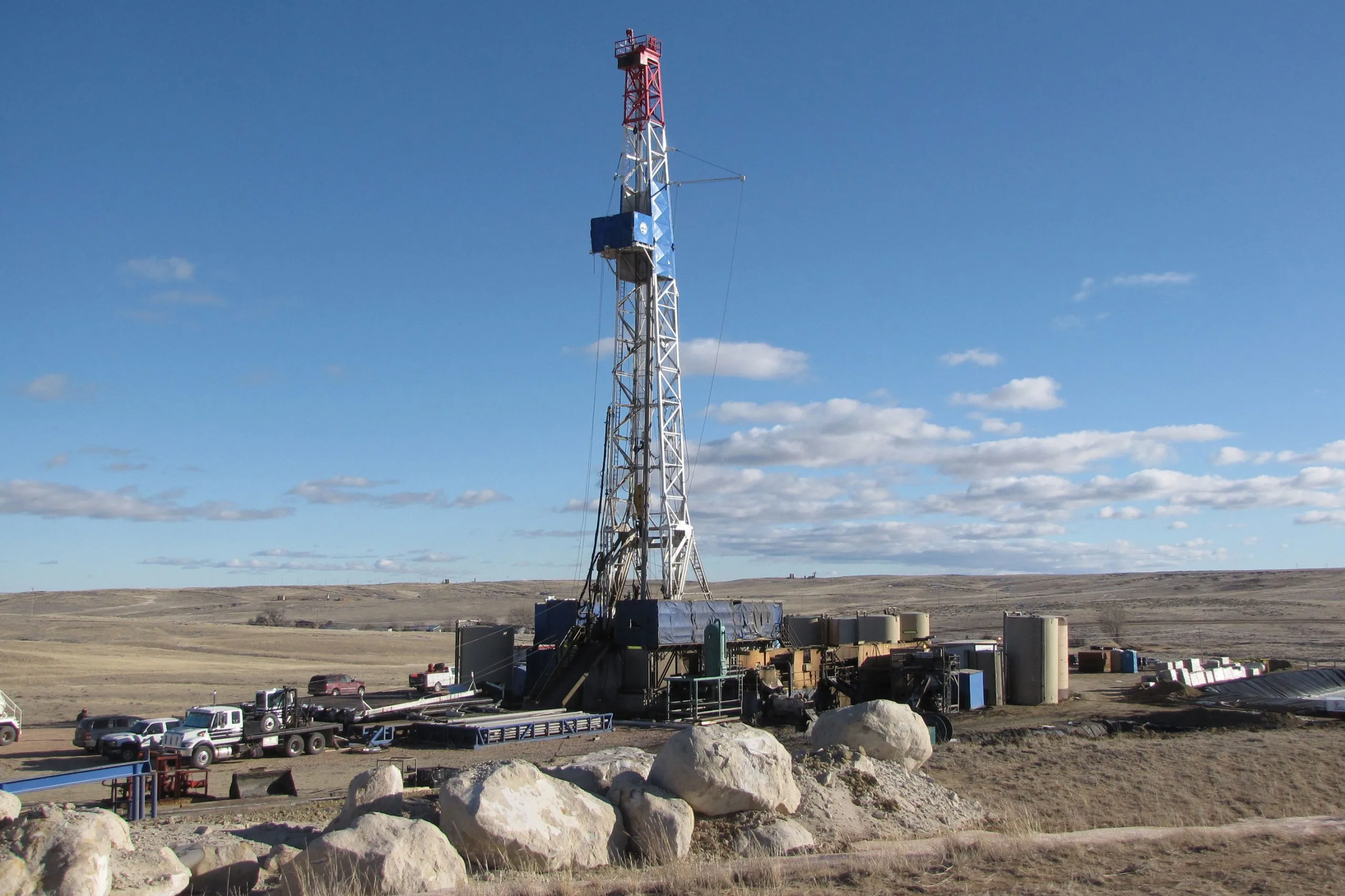
For decades, the management of public lands across the Western United States has operated under the “multiple-use” framework, a principle intended to balance various human activities with conservation. However, this approach has proven insufficient, leading to the industrialization of wild ecosystems and a significant decline in biodiversity, prompting calls for a fundamental shift in how these invaluable landscapes are stewarded. Emerging initiatives and a new generation of thinkers argue that the current systems are outdated and require substantial amendment, but the on-the-ground reality suggests a more urgent and severe crisis than often acknowledged.
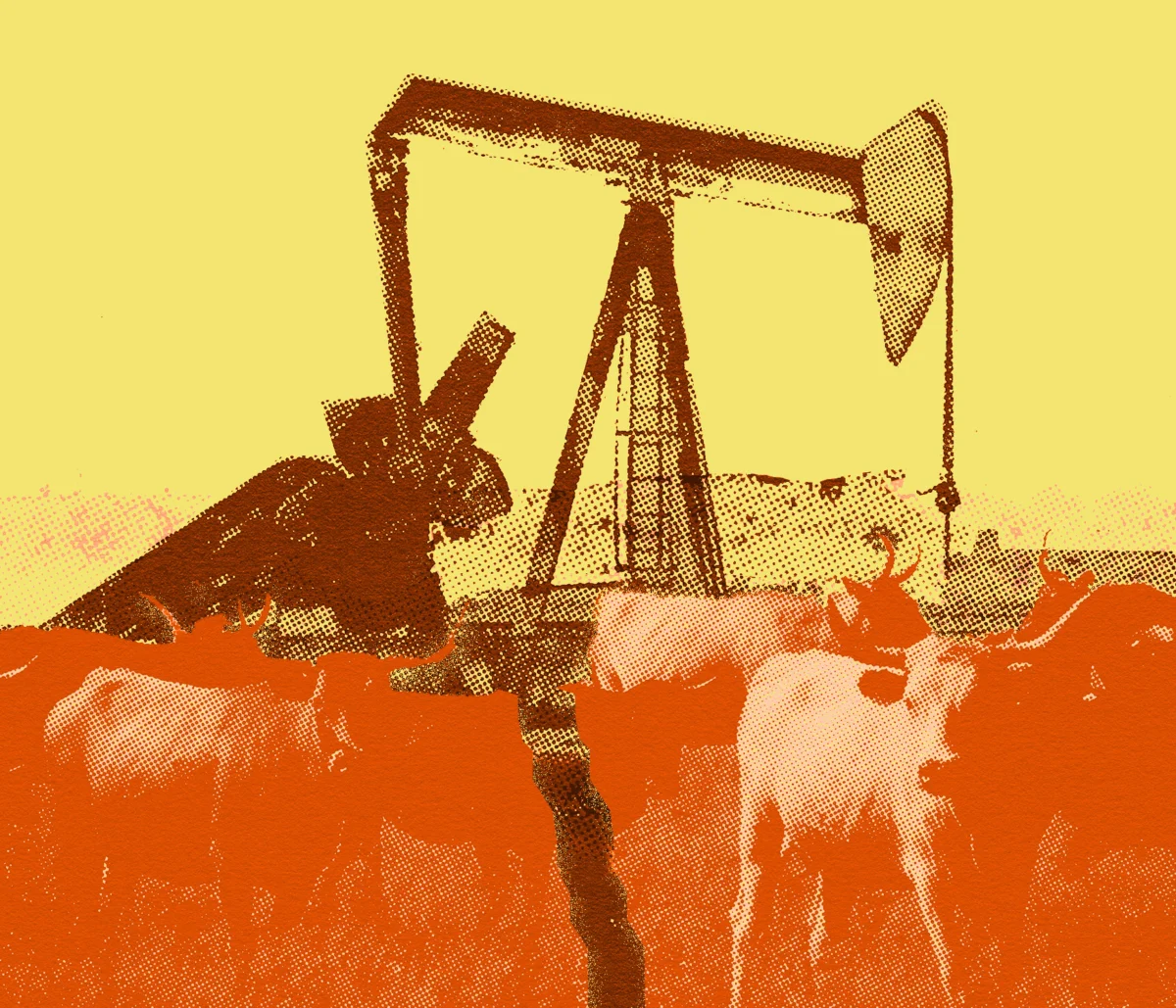
The fundamental question facing policymakers and the public is whether to radically reimagine or entirely abandon the current management paradigm. Critics argue that the multiple-use model has devolved into "multiple abuse," with an excessive focus on profit-driven resource extraction that consistently sidelines conservation efforts and the broader public interest. This persistent adherence to a framework that demonstrably fails to protect ecological health is likened to forcing an ill-fitting shoe, prolonging discomfort and damage. Despite mounting evidence of degradation, a pervasive neoliberal logic continues to advocate for business-as-usual, leading to the continued fragmentation and impoverishment of public lands through activities such as intensive cattle grazing, so-called “forest health” projects, and other extractive endeavors that decimate habitats and drive wildlife populations toward steep declines.
One proposed solution, put forth by contributors to initiatives like "Ground Shift," suggests a move toward "primary purpose" or "dominant use" management. This approach advocates for designating specific zones for intensive activities like mineral development, renewable energy projects, and transmission corridors. However, this strategy is viewed by some as merely rearranging the deck chairs on a sinking ship. The concern is that simply concentrating impacts into designated areas does not resolve the underlying problem and risks creating unacceptably large "sacrifice zones" within public lands. This new framework is seen by critics as a repackaging of the same extractive paradigm that precipitated the current ecological crisis, a seductive yet dangerous proposition that implies industrializing wild ecosystems can somehow coexist with biodiversity and climate goals, provided it is done with a veneer of careful planning and mitigation. The stark reality, according to these viewpoints, is that ecological and biodiversity objectives cannot genuinely coexist with extraction and industrialization on the same land, even when these activities are ostensibly limited, mitigated, or precisely targeted.

The broader discourse around an "abundance movement" and its reliance on "free-market environmentalism"—a key component of some reform proposals—is often characterized as a diplomatic repackaging of trickle-down economics for a more liberal audience. This narrative promises the simultaneous achievement of increased energy production, mineral extraction, timber harvesting, beef production, and infrastructure development, while also assuring healthier watersheds, abundant wildlife, and intact forests and sagebrush ecosystems. This optimistic outlook, however, clashes with the historical record, which shows that the current management paradigm has been overextended for over a century, consistently resulting in fragmented landscapes and a steady erosion of federal protections.
Understanding the original intent behind the creation of public lands is crucial to addressing this debate. President Theodore Roosevelt established forest preserves as a direct bulwark against the rampant, unchecked resource extraction that characterized the late 19th century. These lands were conceived as a safeguard against the very industrialization that many now seek to normalize and even promote. The powerful economic forces that historically drove excessive extraction across the American West have not vanished; they have merely evolved, adopting new, environmentally-friendly euphemisms while pursuing the same fundamentally destructive objectives.
The adage of insanity—doing the same thing repeatedly and expecting different results—is seen as applicable to the current situation. The argument is that the status quo of public land management is beyond reform and requires a fundamental transformation. Under the existing, flawed multiple-use framework, activities such as extensive cattle grazing and commercial logging have demonstrably proven incompatible with the ecological integrity and biodiversity of public lands. Furthermore, addressing the escalating climate crisis necessitates immediate and decisive action, beginning with a moratorium on new oil and gas well permits, particularly given the substantial number already operating on public lands. Achieving genuine climate stability and safeguarding biodiversity hinges on establishing clearly defined protective boundaries. This necessitates the designation of more wilderness areas and the implementation of permanent, robust protections for all remaining roadless lands. Critically, the loopholes that currently permit destructive logging, unrestricted off-road vehicle use, and unsustainable grazing practices must be permanently closed.
A compelling alternative proposed is the creation of a new "rewilding" land designation for ecologically significant public lands that have suffered extensive degradation from decades of industrial use. The stewardship of these areas would undergo a radical transformation: roads would be decommissioned, riparian systems would be restored through the reintroduction of beavers, livestock grazing would be phased out, and industrial infrastructure like fences would be removed from the landscape. This vision further incorporates traditional ecological knowledge, advocating for the revival of cultural burning practices, the production of traditional first foods, and other indigenous land management techniques. A crucial element of this approach involves shifting the perspective on natural disturbances, such as wildfire. Instead of viewing these events as problems to be strictly "controlled" or "managed" through industrial intervention, they must be recognized as essential ecological forces that should be allowed to unfold naturally and without human interference across the public domain.

The current state of affairs is simply unsustainable, and the proposed "primary purpose" model is viewed by many as an inadequate attempt to maintain the mechanisms of extraction under a new guise. The urgent need is to move away from the industrial model and embrace a novel vision for public lands—one that prioritizes ecological integrity and rewilding above the illusory promise of extractive "balance." In this redefined paradigm, commercial activities would be permitted only to the extent that they do not impair the healthy functioning of native ecosystems. Ultimately, only by permanently protecting our shared wild commons and fostering genuine ecological recovery can we ensure that these vital landscapes continue to sustain both human communities and the myriad of other species that depend on their health.
Writer Terry Tempest Williams has eloquently described our public lands as "landscapes of hope." Unlike the majority of privately held lands, which are often managed for maximum private gain, public lands offer a rare and precious opportunity to actively advocate for the landscapes and species we wish to see thrive. In many regions of the country, these lands represent some of the last remaining places where one can still experience true wild nature. However, hope is contingent upon clarity and honesty: it is imperative to confront the undeniable reality that the status quo has failed us. Incremental adjustments and minor reforms are insufficient to achieve the profound transformation these landscapes desperately require. There remains a hopeful prospect for a shift in our collective thinking, but this hope must be firmly grounded in an honest assessment of past mistakes. Embracing this truth, finding a new, ecologically sound direction, and trusting in nature’s capacity for recovery are the essential first steps toward safeguarding these irreplaceable natural resources for future generations.