Joko Susilo
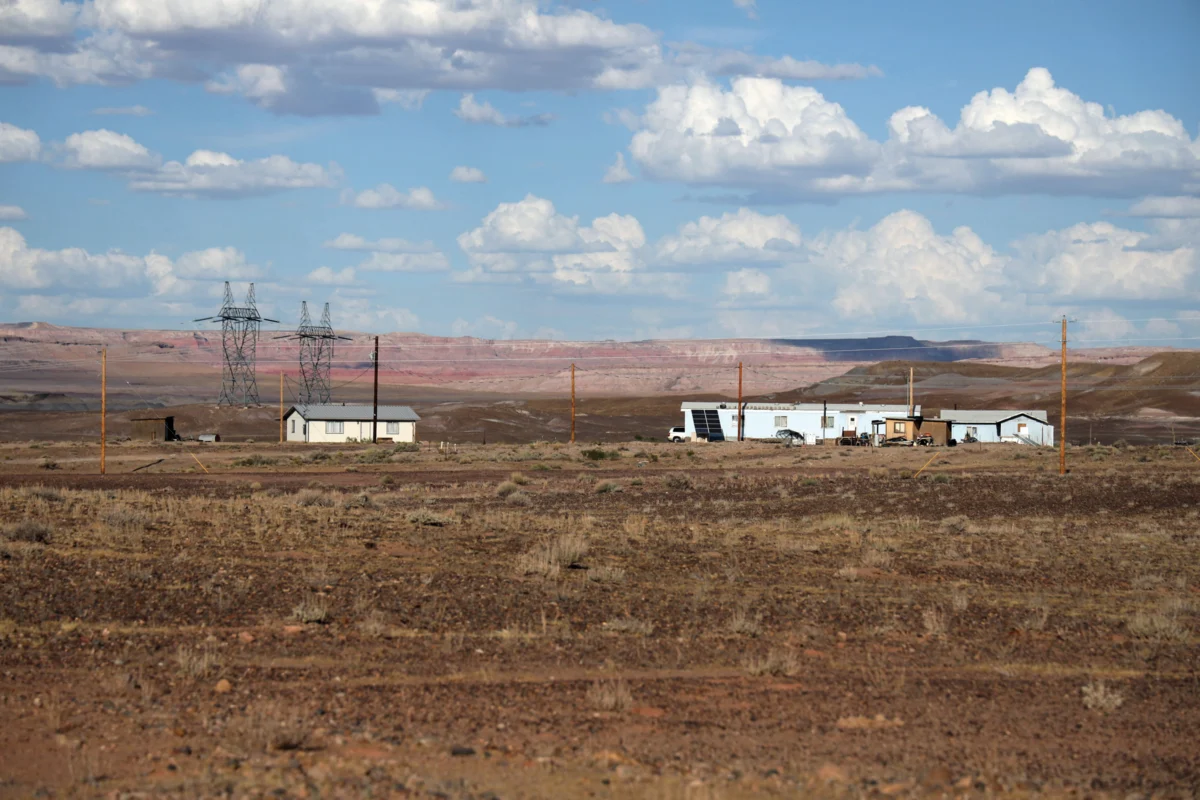
The Yellowjacket grazing allotment, a sprawling expanse of approximately 8,600 acres, lies nestled within the rugged beauty of Canyon of the Ancients National Monument, near the border of Colorado and Utah. This region, characterized by its undulating sandstone canyons, sparse piñon and juniper forests, and vast sagebrush-covered mesas, holds a subtle yet profound allure, distinct from the more dramatic red-rock landscapes farther west. Beyond its ecological significance, the area boasts an unparalleled density of cultural resources, with dozens of meticulously cataloged Puebloan sites, ranging from impressive "castles" and hilltop shrines to distinctive Hovenweep-style towers, echoing centuries of indigenous history.
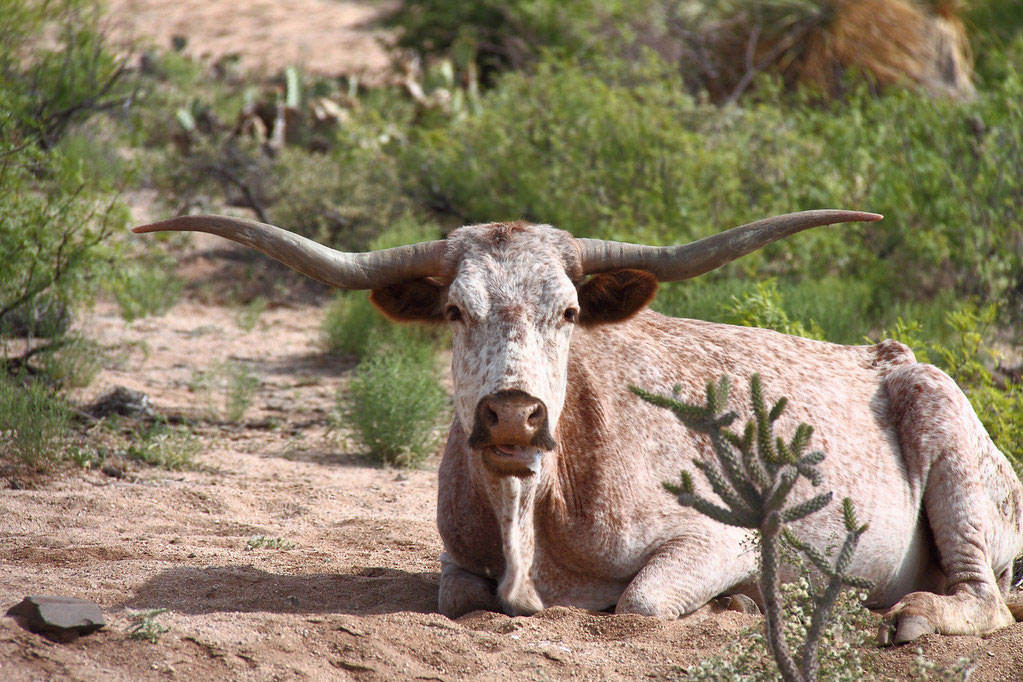
For over a century, cattle had roamed these lands, their presence leaving an indelible mark. Their grazing activity systematically stripped native grasses, pulverized the delicate cryptobiotic crust vital for soil health in arid environments, destabilized ancient stone walls, and severely degraded the rare and fragile riparian zones crucial for biodiversity in the parched Yellowjacket region. However, a significant shift occurred in 2005 when the livestock operator voluntarily relinquished their Bureau of Land Management (BLM) grazing lease, initiating a period of respite. A 2016 study conducted by researchers from the Grand Canyon Trust and the University of Colorado subsequently revealed encouraging signs of ecological recovery, with the land slowly beginning to mend itself after decades of continuous impact.
Now, a looming threat casts a shadow over this nascent restoration. The Yellowjacket allotment, along with a neighboring parcel, has resurfaced on a recently published BLM map titled "Federal Grazing Lands Potentially Available." This controversial map identifies hundreds of currently livestock-free allotments spanning some 24 million acres across the Western United States. Many of these parcels had been voluntarily retired by leaseholders, often in exchange for financial compensation from conservation groups, specifically to benefit wildlife populations and allow ecosystems to recover. The prospect of reintroducing grazing to these sensitive areas, reversing years of conservation efforts and natural healing, has ignited alarm among environmentalists, archaeologists, and concerned citizens.

This move aligns with a broader, multi-agency initiative spearheaded by the current administration, involving both the U.S. Department of Agriculture (USDA) and the Department of the Interior. The stated objective is to significantly increase the presence of cattle on public lands by implementing new grazing regulations, aggressively restocking vacant leases, and even decentralizing oversight by allowing ranchers greater autonomy in monitoring and policing their own allotments. A USDA white paper, despite its notable typographical errors, articulates the aim to "boost the supply of American born, raised, and harvested beef" by ostensibly cutting "bureaucratic red tape." The coordinated effort between the USDA and Interior Department explicitly prioritizes "maintaining grazing capacity wherever possible," even in instances where the land is demonstrably degraded and ecologically fragile.
Ironically, this fervent domestic focus on bolstering American beef production on public lands stands in stark contrast to other concurrent policy decisions. Administration officials, such as USDA Secretary Brooke Rollins, have lauded efforts to "put America’s farmers and ranchers first." Yet, simultaneously, the administration has largely overlooked its own executive orders, including a February directive to quadruple beef imports from Argentina and a subsequent May pledge to increase beef imports from Brazil and China. These seemingly contradictory policies underscore a complex geopolitical and economic calculus aimed at ensuring the affordability of consumer products like Big Macs, suggesting that the drive for domestic public land grazing may be more politically motivated than economically necessary for national beef supply.

Among the many inconsistencies surrounding beef-related policies, public land grazing emerges as one of the most glaring contradictions. Livestock grazing historically represents the largest single extractive use of America’s vast public lands, and it has long enjoyed an unparalleled degree of operational freedom. This privileged status persists despite widespread and well-documented impacts on land health, water quality, and even global climate. Grazing permits, typically issued for ten-year terms, are often renewed without rigorous environmental review, effectively granting leaseholders what amounts to a lifetime prospect. These permits can even be leveraged as collateral for private loans, further entrenching the system. While national parks and monuments managed by the National Park Service generally prohibit grazing, it has continued largely unfettered across lands overseen by the BLM and the U.S. Forest Service, often in areas of significant ecological or cultural sensitivity.
The perennial debate – or rather, the consistent lack of meaningful debate – surrounding federal grazing fees provides a crucial insight into the BLM’s overarching approach to public lands ranching, an approach that has long earned it the moniker "Bureau of Livestock and Mining" among critics in the Western United States. In 1978, Congress established a formula for setting these fees, with a critical caveat: they could not drop below $1.35 per animal unit month (AUM). An AUM represents the amount of forage needed to sustain one cow and her calf, or five sheep, for one month. Decades later, grazing fees have barely budged, reaching a mere $1.69 per AUM in 2025. This effectively means a rancher can turn a cow-calf pair loose to consume half a ton or more of forage for less than the cost of a premium cup of coffee, a stark financial disparity compared to private land lease rates.

There is near-universal agreement, even among some ranchers, that the actual economic value of the forage is substantially higher than the fee charged. Data consistently demonstrate that fees would need to be significantly increased for the federal grazing program to even cover its own administrative and management costs, let alone adequately compensate the public for the use of its land. Yet, all concerted efforts to raise these fees and align them more closely with market rates have consistently faltered in the face of political opposition. A Clinton administration proposal to modestly increase AUM rates ignited widespread outrage from powerful ranching lobbies and Western politicians across the spectrum, ultimately failing to materialize. President Obama’s attempt to add a modest administrative charge to the regular fee also never came to fruition. Even the current administration, initially promising reform, later quietly abandoned these efforts. Furthermore, it has paradoxically labeled actively grazed lands as "conserved" and formulated management plans that left livestock grazing essentially untouched within Grand Staircase-Escalante and Bears Ears national monuments, arguably leaving Bears Ears with less protection from livestock than it had prior to its monument designation.
Given the historical deference to public-lands ranching by previous administrations, it seemed challenging for any subsequent government to be even more accommodating. While Interior Secretary Doug Burgum’s public lands focus largely centered on fulfilling the administration’s "energy dominance" agenda and appeasing drilling and mining interests through accelerated environmental reviews and rapid leasing of land and permits, the administration has nevertheless made significant efforts to court the livestock lobby. In February, the BLM formalized a memorandum of understanding (MOU) with the Public Lands Council, a prominent lobbying group representing public-lands ranchers, which effectively allows livestock operators to monitor their own grazing allotments, raising concerns about potential conflicts of interest and reduced federal oversight. This was swiftly followed by a joint MOU between the USDA and the Interior Department, explicitly aimed at bolstering the American beef industry with a strong emphasis on expanding public-lands grazing. Further solidifying this shift, the BLM introduced proposed new grazing regulations designed to simplify permit renewals for ranchers, while notably eliminating any references to grazing as a "conservation use" and diminishing avenues for meaningful public input.

Concurrently, the administration rescinded the Public Lands Rule, a regulation that ranchers had irrationally feared would lead to the "eradication" of public lands grazing. In another controversial move, it reversed a previous ban, once again allowing ranchers to deploy M-44 devices, commonly known as "cyanide bombs," to poison coyotes on public lands, a practice widely condemned for its indiscriminate impact on non-target wildlife. Adding to the series of actions, and at the direct urging of the Montana Stockgrowers Association, the administration revoked American Prairie’s grazing permits to run bison on BLM grazing allotments in Montana. This decision sparked outrage among conservationists, who view bison as ecologically beneficial native grazers integral to grassland health, questioning why native species are being displaced in favor of non-native livestock.
However, it remains unclear whether these extensive policy changes will genuinely benefit Western ranchers in the long term. The overall number of cattle grazing on public lands has steadily declined over recent decades, a trend rarely attributable to stringent BLM regulations. More often, ranchers choose to vacate or understock existing allotments due to economic pressures, labor shortages, or, increasingly, because the drought-stricken land simply cannot sustain the allotted number of cattle. The administration’s aggressive marketing of vacant allotments may not find significant demand from eligible livestock operators facing these fundamental challenges.

A notable exception in the context of these "potentially available" allotments involves approximately two million acres that were vacated through a "buyout" mechanism. In these instances, a conservation organization pays a willing rancher to retire their federal lease, thereby providing the land with a much-needed rest and mitigating conflicts with wildlife or recreational users. This arrangement typically represents a mutually beneficial "win-win" scenario, especially when the rancher was already contemplating moving on or found it difficult to sell the degraded allotment to another operator due to poor range conditions exacerbated by grazing and climate change. However, a critical caveat exists: federal law currently does not permit these voluntarily vacated allotments to be permanently withdrawn from the grazing system, a loophole that the current administration is now actively exploiting to reintroduce livestock.
If the administration were genuinely committed to supporting ranchers in a sustainable manner, it would champion a "just transition" away from public-lands grazing, a practice that is already in decline despite fervent governmental efforts to prop it up. Such a transition would involve backing legislative initiatives like the Voluntary Grazing Permit Retirement Act, or similar bills, which would empower conservation groups to permanently purchase and retire federal grazing allotments from willing ranchers and livestock operators. These bills, however, have historically faltered in Congress, primarily because many Western politicians, irrespective of party affiliation, remain wary of even appearing to take actions that could lead to fewer cattle on the land, fearing political repercussions from powerful agricultural interests.

Meanwhile, at the Yellowjacket allotment in southwestern Colorado, the administration’s actions appear designed to foster the illusion of preserving a mythical ranching "heritage." While the concept of heritage preservation is inherently admirable, a closer examination reveals a less palatable truth: reinforcing this particular illusion demands the sacrifice of a healing landscape, an irreplaceable tapestry of ancient cultural sites, and ultimately, the region’s rich and genuine American heritage, which encompasses both natural beauty and millennia of human history. The choice, increasingly stark, pits short-term economic interests against the long-term imperative of ecological and cultural preservation for future generations.