Roger Danuarta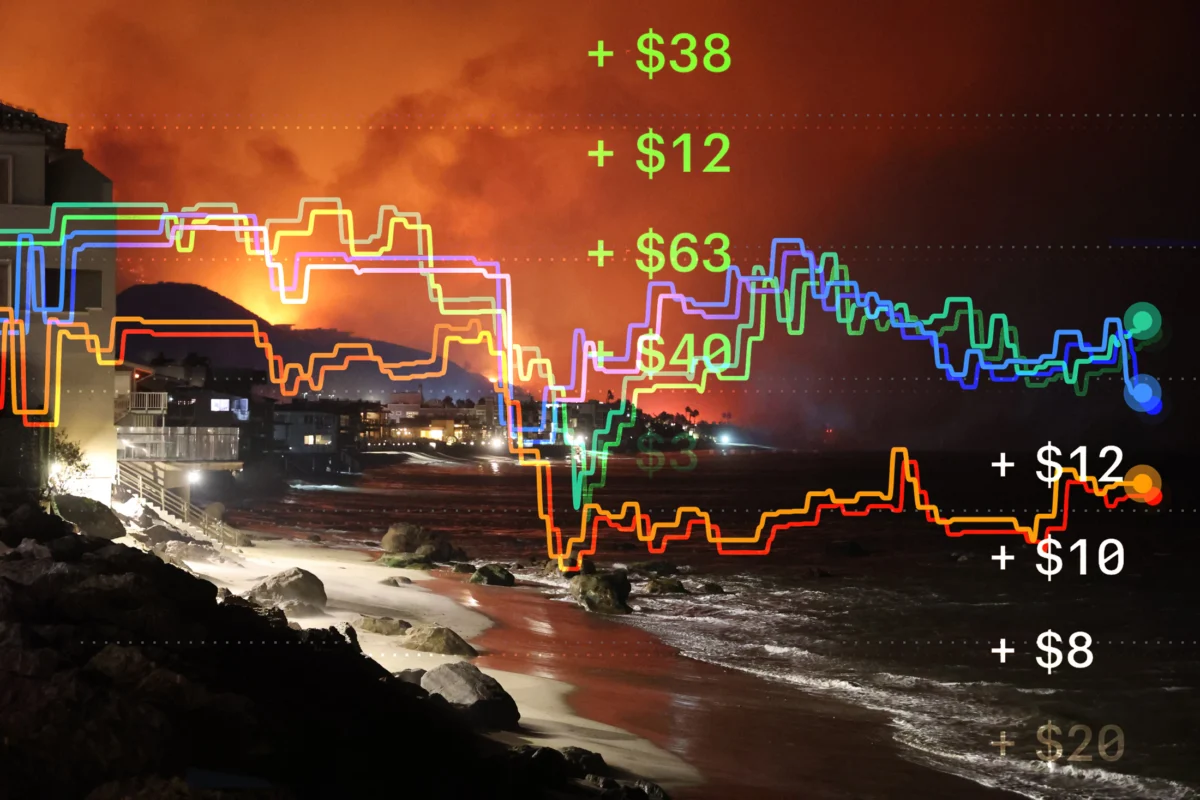
The once niche world of online prediction markets, platforms where individuals wager on the outcomes of future events ranging from geopolitical shifts to celebrity milestones, has dramatically expanded its reach, now encompassing the devastating reality of wildfires, sparking profound ethical and regulatory concerns worldwide. These digital arenas, exemplified by prominent entities like Polymarket and Kalshi, leverage collective foresight to generate odds, but their foray into natural disasters has exposed a moral chasm, challenging societal norms and raising urgent questions about the commodification of human suffering and environmental catastrophe. For years, these platforms, often associated with a tech-savvy, speculative culture, operated largely on the periphery of mainstream financial and gambling oversight, allowing users to bet on everything from economic indicators and election results to the seemingly innocuous question of who might win the World Cup or the guest list at a pop star’s wedding. However, the revelation that these speculative markets were facilitating wagers on the destruction wrought by wildfires brought a chilling new dimension to their operations, pulling them from the realm of abstract speculation into the very real and tragic consequences of climate change.
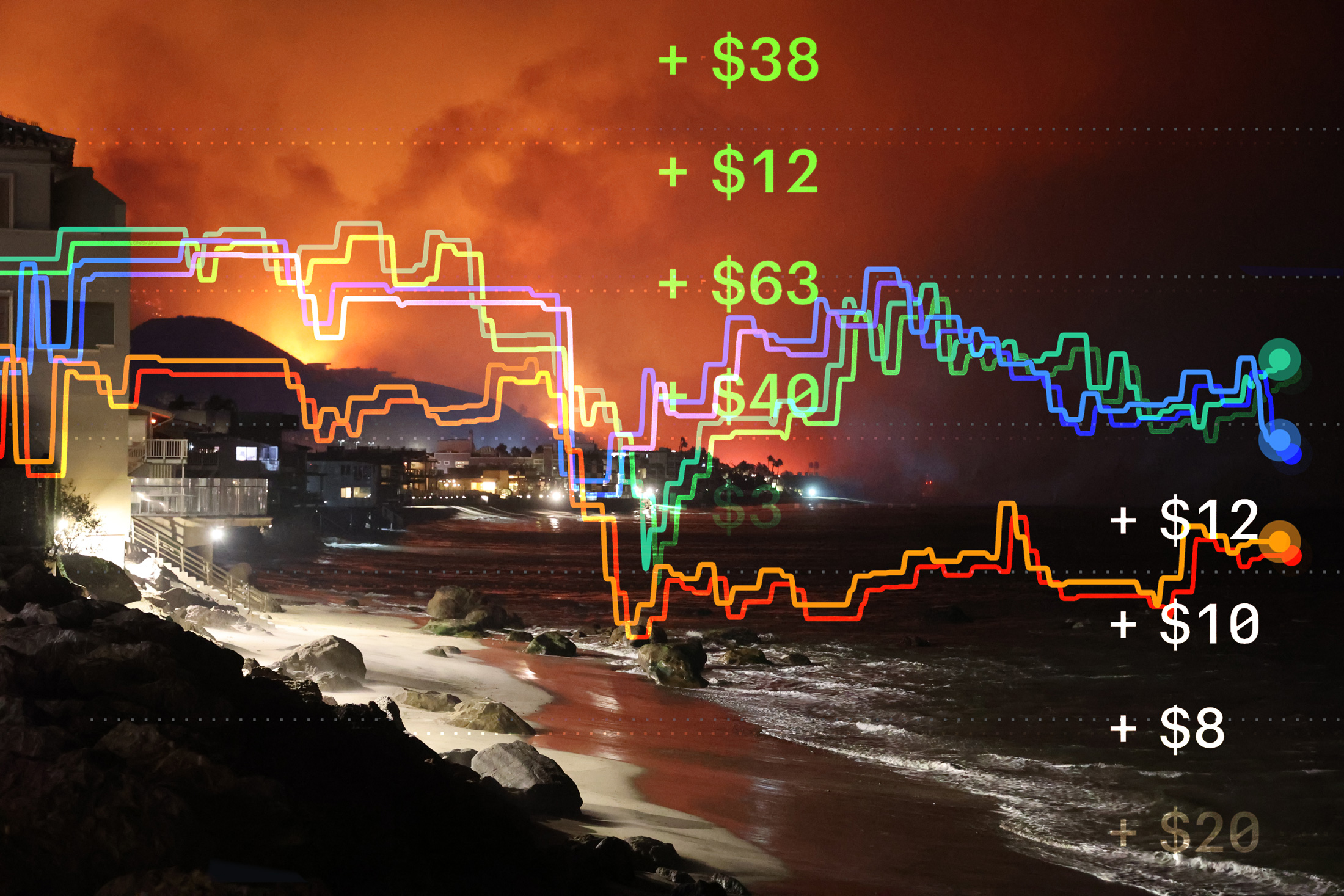
The alarm was first sounded by Bill Shaikin, a veteran sportswriter for the Los Angeles Times, whose powerful essay unequivocally argued that platforms like Polymarket should not permit individuals to profit from the misery of an unfolding disaster. This stark pronouncement followed the discovery that a staggering $1.2 million had been wagered on Polymarket during the devastating Los Angeles fires, with bets centered on the specific parameters and outcomes of these infernos. The sheer scale of financial activity surrounding such a calamitous event immediately underscored the gravity of the situation, transforming what might have been dismissed as an isolated incident into a systemic issue with deeply troubling implications.
For the communities ravaged by these fires, the existence of such betting markets represents an egregious insult, a callous disregard for their trauma and loss. Survivors of the Los Angeles fires, which tragically claimed 31 lives and obliterated more than 16,000 structures, voiced profound disgust, describing the act of gambling on their homes and futures as adding "salt to the wound." One survivor poignantly articulated the sentiment, stating that her life had already been gambled with by Southern California Edison, the utility company whose infrastructure was implicated in sparking the Eaton Fire, and now, it was being gambled with again on a digital platform. This sentiment resonates across countless communities globally, from the fire-ravaged landscapes of Australia and the Mediterranean to the increasingly vulnerable forests of Canada and the Amazon, where wildfires are not abstract events but existential threats that redefine lives and livelihoods.
Ethicists and public policy experts have been unequivocal in their condemnation, asserting that the very act of commodifying fatal disasters fundamentally devalues human life. Beyond the moral repugnance, a more sinister concern emerges: the potential for such markets to incentivize arson. While no direct link has been definitively proven between prediction market betting and actual arson, the theoretical possibility creates an undeniable moral hazard. The prospect of financial gain tied directly to the scale and intensity of a fire introduces a perverse incentive, challenging the foundational principles of public safety and criminal justice. This concern is amplified by the sheer scale of the global wildfire crisis, driven by increasingly extreme weather patterns, prolonged droughts, and historical land management practices that have created tinderbox conditions across vast regions. As the frequency and intensity of these events escalate, the ethical implications of financial speculation on such disasters become even more pressing, demanding a robust global response.
The investigation into this phenomenon proved challenging, particularly in identifying and engaging individuals actively participating in wildfire betting markets. Most bettors remained elusive, unwilling to discuss their involvement in what many perceive as a morally dubious enterprise. However, the reporting uncovered a California-specific prediction market called Wyldfyre, a discovery that further highlighted the localized proliferation of this controversial practice. Following public scrutiny, Wyldfyre temporarily ceased operations, only to re-emerge with revised terms of service, updated contact information, and a prominent disclaimer asserting that it was "not an emergency information source." Crucially, it transitioned from monetary wagers to a virtual points system, signaling an acknowledgment of the intense public and regulatory pressure surrounding real-money betting on such sensitive events.
The story’s resonance extended far beyond its initial publication, picked up by leading outlets such as WIRED, Slate, the Durango Herald, and Mother Jones, where it headlined the publication’s Climate Desk Weekly newsletter. Public discourse further intensified through various media appearances, including discussions on Oregon Public Broadcasting’s Think Out Loud and KJZZ Phoenix’s The Show, the latter of which was syndicated across public media stations throughout the Mountain West News Bureau, reaching audiences in Colorado, Idaho, Nevada, New Mexico, Utah, and Wyoming. A segment on the City Cast Seattle podcast also delved into the intricacies of wildfire betting, underscoring the broad public interest and concern.
These extensive media engagements inadvertently led to critical new insights. A query directed at Cal Fire, California’s state fire agency, revealed that state employees, including those directly involved in wildfire management, are explicitly prohibited from participating in prediction markets. This crucial piece of information offers some reassurance regarding concerns about potential insider trading, at least within California’s state apparatus, though it does not address the broader ethical quandary.

Further investigation illuminated the complex and often fragmented regulatory landscape governing prediction markets across the United States. Unlike traditional gambling, which falls under established state-level gaming commissions, prediction markets often occupy a legal gray area, sometimes viewed as commodity derivatives regulated by the Commodity Futures Trading Commission (CFTC), or simply as novel platforms yet to be fully categorized. This ambiguity leads to significant inconsistencies in access and legality. For instance, Arizona attempted to ban Kalshi, a major prediction market platform, but federal courts intervened, ensuring its continued accessibility to state residents. In stark contrast, a Washington state judge recently ruled that Kalshi likely violates state gambling laws, potentially paving the way for a halt to its operations within the state for an indefinite period. Meanwhile, most, though not all, Kalshi markets remain blocked in Nevada, a state historically synonymous with legalized gambling, highlighting the nuanced legal interpretations even within jurisdictions accustomed to regulated wagering. This patchwork of regulations underscores the urgent need for a cohesive national or even international framework to address these emerging financial instruments, particularly when they intersect with human tragedy.
The growing understanding of prediction markets, regardless of individual participation, reveals their increasing importance within the broader digital economy and their profound societal implications. The commodification of deadly events like wildfires for entertainment or financial gain carries dangerous consequences, distorting public perception and trivializing immense suffering. Gamifying a disaster that devastates communities and displaces thousands, often leaving lasting psychological scars, runs contrary to fundamental principles of empathy and responsibility. The escalating global climate crisis ensures that wildfires, alongside floods, droughts, and extreme storms, will only become more frequent and severe, making the ethical debate surrounding disaster speculation increasingly critical. The question looms large: Will future megafires, inevitably capturing national and international attention, become new arenas for digital wagers, or will platforms, states, and federal governments collectively determine that the risks – both ethical and practical – far outweigh any perceived rewards? The trajectory of these markets will undoubtedly shape not only the future of online speculation but also the moral boundaries of our increasingly interconnected and disaster-prone world.