Roger Danuarta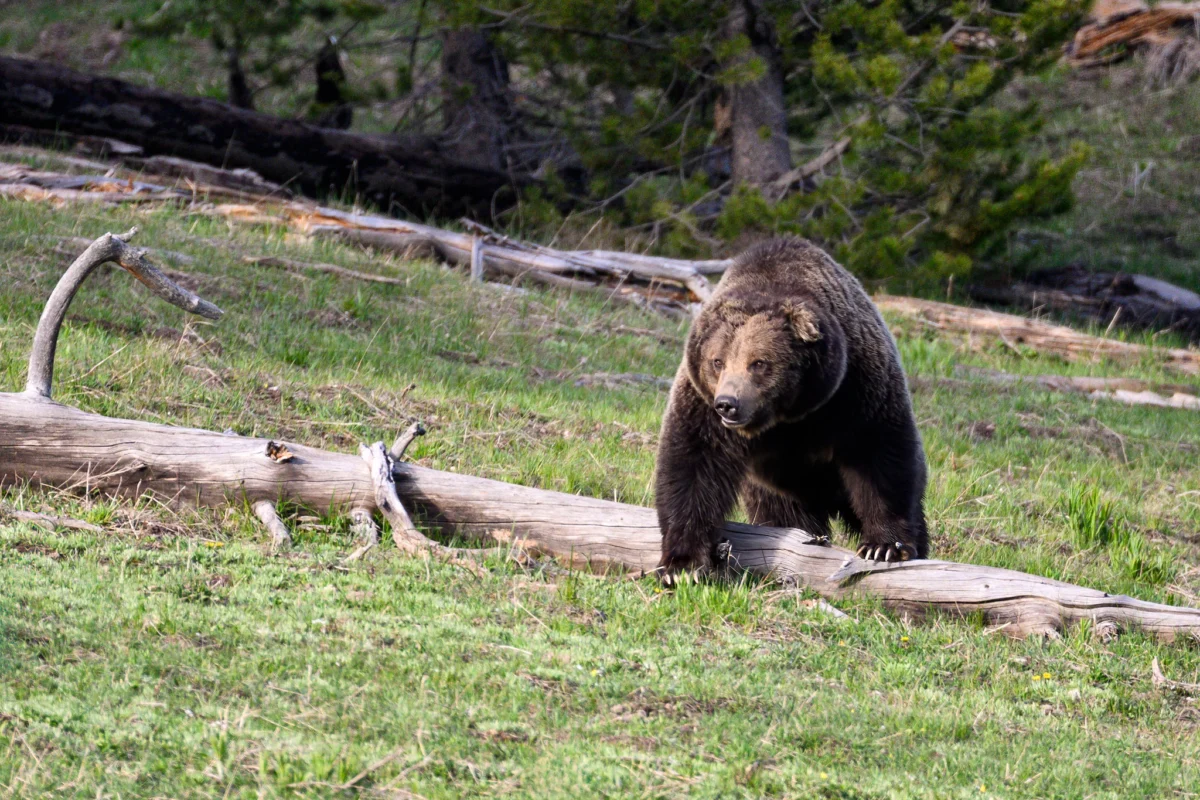
The Trump Administration announced a significant shift in national wildlife policy on Tuesday, proposing to return the management of grizzly bears in the Lower 48 states to individual state authority after more than half a century of federal protections under the Endangered Species Act (ESA). This move, unveiled by Interior Secretary Doug Burgum alongside the governors of Montana, Wyoming, and Idaho in the scenic heart of grizzly country north of Yellowstone National Park, marks a pivotal moment in the ongoing saga of apex predator conservation in the American West. The announcement comes amidst a backdrop of increasing human-bear encounters and a celebrated, yet contentious, recovery of the iconic species.
Secretary Burgum, flanked by Governors Greg Gianforte of Montana, Mark Gordon of Wyoming, and Brad Little of Idaho, championed the new rule as a testament to successful conservation efforts. From a makeshift podium just south of Big Sky, Montana, Governor Gianforte proclaimed, "The grizzly bear recovery story is one of America’s greatest conservation successes." He further highlighted a perceived downside of the bears’ remarkable 50-year rebound, pointing to a rise in conflicts occurring in residential areas, public playgrounds, and working ranch pastures. "Montana is ready to have full authority to manage grizzly bears," Gianforte asserted, echoing a sentiment widely held by many western states that believe local jurisdictions are better equipped to handle wildlife populations that have met recovery targets.
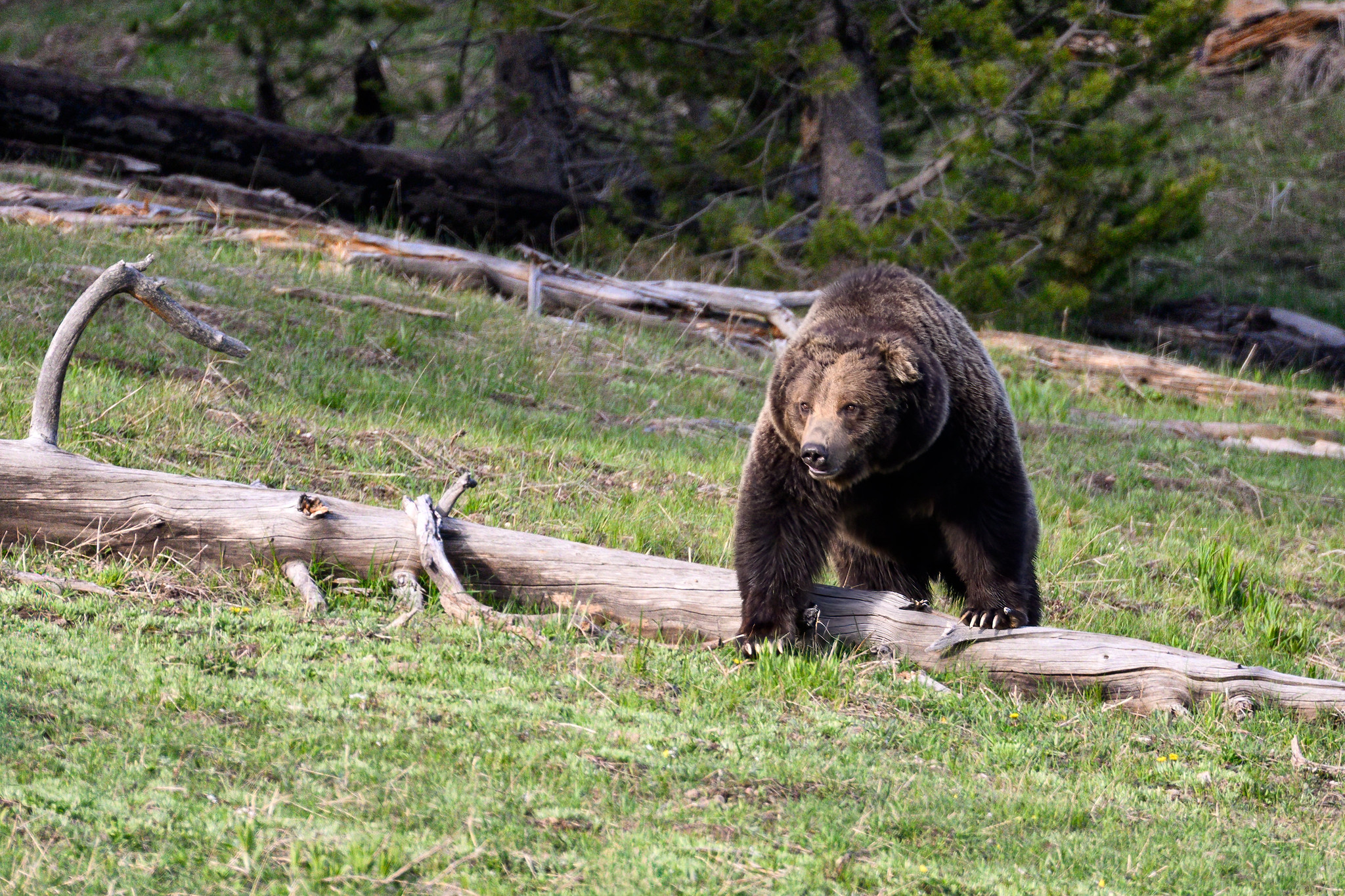
The U.S. Fish and Wildlife Service (FWS) initially listed grizzly bears as "threatened" in the Lower 48 states under the Endangered Species Act in 1975. At that time, the species faced a dire future, with fewer than 600 individuals remaining south of the Canadian border, primarily confined to fragmented habitats. Decades of intensive conservation efforts, including habitat protection, anti-poaching measures, and public education campaigns, have facilitated a dramatic resurgence. Today, two robust populations thrive around the Greater Yellowstone and Glacier National Parks ecosystems, each boasting approximately 1,000 bears. Additionally, smaller, more isolated populations persist in other regions, with scientific consensus suggesting that many ecosystems could potentially support even more of these magnificent carnivores. This recovery is often cited as a prime example of the ESA’s effectiveness in preventing species extinction and aiding population restoration.
Despite the widely acknowledged success of the recovery, the path to delisting grizzly bears has been fraught with legal and political challenges. The federal government previously attempted to remove ESA protections for grizzlies in the Greater Yellowstone Ecosystem on two separate occasions, first in 2007 and again in 2017. Both efforts were ultimately overturned in federal courts, largely due to concerns raised by conservation groups and scientists regarding the long-term genetic viability of the populations, the adequacy of state management plans, and the stability of their food sources in a changing climate. Undeterred, western states have consistently petitioned the FWS to transfer management authority, arguing that their wildlife agencies possess the expertise and resources to manage the now-recovered populations. As recently as January 2025, during the final hours of the Biden administration, the FWS denied these petitions, reaffirming the bears’ protected status under the existing framework.
The rule announced by the Trump administration takes a novel approach, amending the Biden administration’s 2025 edict rather than outright delisting the grizzlies. Under this new revision of Section 4(d) of the Endangered Species Act, grizzly bears will remain on the endangered species list, maintaining their "threatened" status. However, the federal government will concede day-to-day management responsibilities to the states. This distinction is crucial: Section 4(d) allows the FWS to issue special rules for threatened species that can provide greater flexibility in management than the strict prohibitions typically applied to endangered species. This flexibility can include allowing certain activities that might otherwise be considered "take" (harass, harm, pursue, hunt, shoot, wound, kill, trap, capture, or collect) if those activities are deemed beneficial to the species’ overall conservation or necessary for public safety and property protection. Christy Clark, director of Montana Fish, Wildlife and Parks, encapsulated the significance of this policy shift, remarking after the press conference, "I think of this as a dress rehearsal for delisting."

For decades, one of the primary concerns among conservationists regarding the potential delisting of grizzlies has been the prospect of state-managed hunting seasons. Historically, Montana has maintained a five-year moratorium on pursuing the animals post-delisting, a policy intended to allow populations to stabilize further. Governor Gianforte, addressing these concerns, explicitly stated that the new 4(d) rule would not permit a hunt in Montana. While the full text of the new 4(d) rule is yet to be publicly released, all three governors and Secretary Burgum emphasized that it aims to grant states enhanced flexibility in managing grizzlies on the ground, facilitating a transition from an era focused on recovery to one centered on proactive stewardship of the species. Proponents argue this approach allows for more localized solutions to conflicts and aligns management strategies with specific regional needs, such as managing livestock depredation or mitigating human-bear encounters in expanding communities.
However, critics vehemently contend that this move could inevitably lead to increased grizzly mortality and undermine the long-term health of the populations. Andrea Zaccardi, senior attorney at the Center for Biological Diversity, voiced strong disappointment, stating, "We’re disappointed the Trump administration is trying to make it easier to kill grizzly bears." Environmental advocates argue that while populations have grown, grizzly bears still face significant threats, including habitat fragmentation, climate change impacts on vital food sources like whitebark pine nuts, and human-caused mortalities from vehicle collisions, poaching, and conflicts.
Jenny Harbine, managing attorney at the nonprofit environmental law firm Earthjustice, highlighted a broader pattern of federal policies that she believes threaten grizzly bears. She cited a slew of concurrent federal actions, including weakened environmental reviews for development projects, a rescinded roadless rule that protected critical wilderness areas, and fast-tracked logging and mining projects across western landscapes. "This does not create a situation where the service should be relaxing protections for grizzly bears," Harbine asserted, concluding, "They need them more than ever." These concerns underscore a fundamental philosophical divide in wildlife management: whether populations have truly recovered enough to withstand potential reductions in protection and increased human pressures, or if ongoing federal oversight remains crucial for their enduring survival and expansion into historical habitats.

The delicate balance between human expansion and wildlife conservation is a global challenge. Similar debates are unfolding in regions worldwide where large carnivore populations, from wolves in Europe to tigers in Asia, are recovering and increasingly encountering human settlements. While successful conservation stories are celebrated, they inevitably bring complexities related to coexistence, resource allocation, and differing public tolerances. The decision by the Trump administration to shift grizzly bear management under the 4(d) rule is likely to trigger further legal challenges from conservation organizations, who will scrutinize the specifics of the new regulations and their potential impact on the species’ survival. The outcome of these challenges will not only determine the future of grizzly bears in the American West but could also set a precedent for how other recovered species under the Endangered Species Act are managed, influencing the trajectory of wildlife conservation policy for years to come.