Rocky Gerung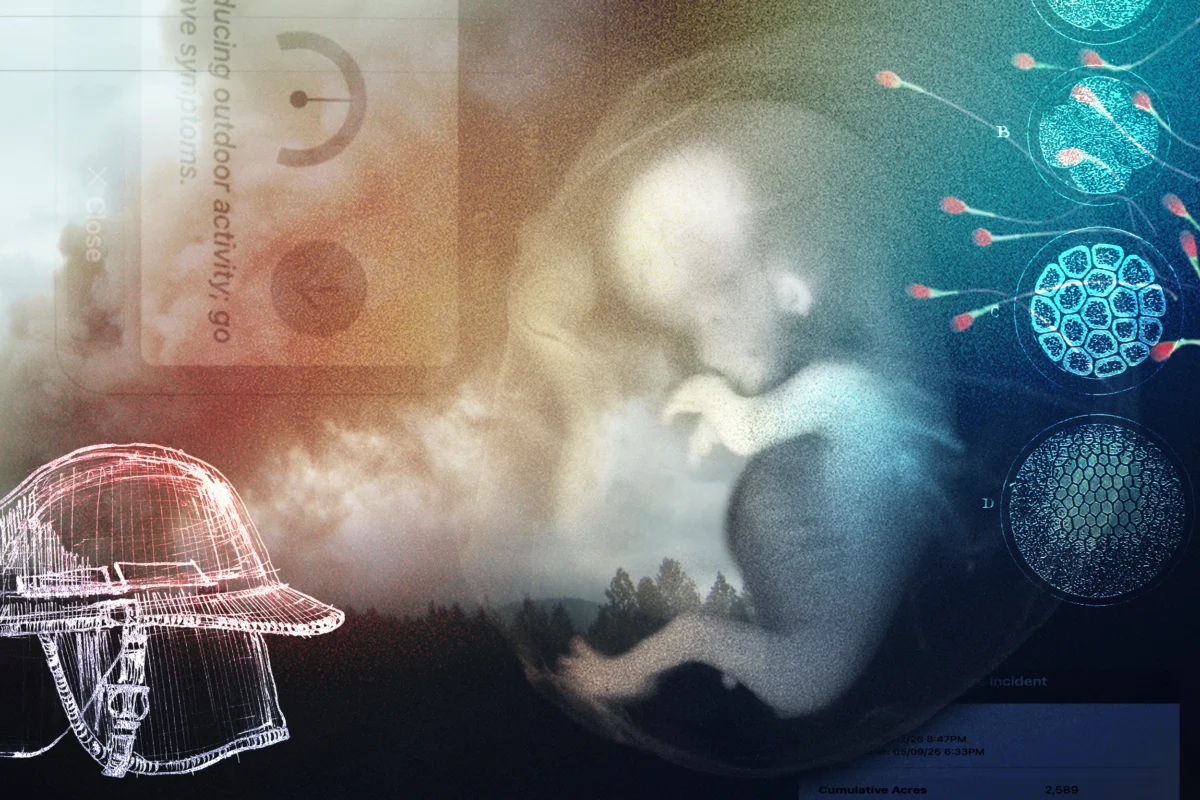
The impact of wildfire smoke on reproductive health, once an understudied area, is now drawing significant attention as climate change intensifies fire seasons globally. A recent study involving wildland firefighters, a profession traditionally focused on the immediate dangers of blaze containment, has unexpectedly revealed a community deeply concerned about their long-term reproductive capabilities. Jasper Kehoe, a 23-year-old former Colorado wildland firefighter and now a student researcher at Colorado State University, initiated a study to assess the effects of wildfire smoke on semen quality. His initial outreach to colleagues, expecting polite disinterest, was met with an overwhelming response; over 150 firefighters expressed a desire to participate in the research. This enthusiasm, Kehoe notes, highlights a willingness among these individuals to confront the often-stigmatized topic of fertility, revealing a significant underlying concern about their ability to conceive. Kehoe’s study collected pre-, mid-, and post-fire season semen samples from 144 wildland firefighters, aiming to contribute to a broader understanding of smoke’s health consequences and advocate for enhanced protections for this high-risk occupation.
This firefighter-focused research is set to join a growing body of scientific inquiry into how wildfire smoke influences human fertility, a field that has lagged behind research on smoke’s effects on pregnancies. The escalating frequency and intensity of wildfires, particularly in Western regions, coupled with the global prevalence of infertility – affecting an estimated 1 in 6 individuals worldwide – have fueled increasing scientific and public interest. Early findings from these studies suggest a concerning trend for those hoping to start families, particularly in areas frequently impacted by smoke.
Recent investigations have specifically examined the effects of poor air quality during significant wildfire events. In 2020, residents of Portland, Oregon, endured ten days of severe smoke from nearby wildfires, pushing the city’s Air Quality Index (AQI) to near 500, a level indicating extremely hazardous conditions. Researchers at Oregon Health & Science University (OHSU) subsequently analyzed semen samples from men undergoing fertility treatments before and after this smoke event. Their findings indicated a notable decline in sperm quantity and motility in the months following the period of intense smoke exposure.

Further adding to this evidence, another study published earlier this year evaluated semen samples from 84 men in Seattle over multiple smoke events in 2018, 2020, and 2022. The researchers observed a decrease in sperm quality and count across most participants after these exposures. Dr. Tristan Nicholson, an assistant urology professor at the University of Washington and senior author of this paper, acknowledged that the observed changes were subtle and the direct link to pregnancy outcomes remains unclear. However, she emphasized that these findings have significantly motivated further research in this area.
Dr. Nicholson also highlighted the historical underrepresentation of male infertility in scientific discourse, expressing hope that her research will bring much-needed attention to this aspect of reproductive health. "Men, my patients, are often the forgotten partner," she stated, underscoring the societal tendency to view infertility primarily as a female issue, while recognizing the crucial contribution of male partners. This sentiment is echoed by the growing body of evidence suggesting that environmental factors, such as wildfire smoke, can play a significant role in male fertility.
During the same period of hazardous air in Portland in 2020, OHSU researchers also investigated the potential impact of wildfire smoke on embryos created through in vitro fertilization (IVF). The IVF process typically involves approximately two weeks of hormonal treatment for female patients, followed by egg retrieval and fertilization with sperm. Resulting embryos are usually mature enough for uterine transfer about five days later. In this retrospective study, IVF patients were categorized based on when smoke exposure occurred relative to their treatment cycle: prior to egg retrieval, during embryo development, or after embryo maturation.
The study revealed a stark contrast: patients whose embryos developed during the period of hazardous air experienced a significantly higher likelihood of none of their embryos reaching a viable stage for transfer. For those whose embryos did mature, the median number available for transfer was two, representing a 55% reduction compared to individuals whose embryos developed before the smoke event. Dr. Molly Kornfield, an IVF physician and the study’s lead author, noted that even with advanced air filtration in their laboratory, a faint smell of smoke persisted, indicating the pervasive nature of airborne pollutants. While acknowledging the established link between long-term air pollution and fertility issues, she expressed alarm at the observed negative impact of even an acute, albeit severe, 10-day smoke episode. Dr. Kornfield cautioned that the study’s sample size was small and noted some unexpected findings, such as no significant harm to embryo development in patients exposed to poor air quality in the weeks preceding egg retrieval, underscoring the need for more comprehensive research.

Dr. Nicholson echoed the call for further investigation, emphasizing the crucial question of whether fertility can recover after severe smoke events and, if so, the timeline for such recovery. This information, she stated, would be invaluable for prospective parents navigating these environmental challenges. Current government air quality guidelines categorize individuals into "sensitive groups," including children, the elderly, pregnant individuals, and those with pre-existing heart or lung conditions, recommending stricter precautions for them. Dr. Nicholson questioned whether individuals actively trying to conceive should be included in this category, but strongly advised patients to minimize wildfire smoke exposure based on current findings.
For all residents in smoke-prone areas, proactive monitoring of air quality through reliable sources like AirNow.gov is recommended. To mitigate exposure to unhealthy air, individuals can limit outdoor activities, ensure windows and doors are kept closed, and wear N-95 masks when venturing outside. Investing in indoor air purifiers and regularly changing their filters is also a prudent measure for those living in frequently affected regions. Financial assistance programs may be available in some cities to help residents acquire or borrow purifiers. Alternatively, DIY air filter constructions using readily available materials like box fans can offer a more accessible solution.
Jasper Kehoe, having dedicated years to researching smoke’s health impacts as an undergraduate, now practices meticulous personal hygiene during fire suppression efforts, prioritizing hand washing and avoiding sleeping bags while still covered in soot. Back home, he utilizes air purifiers around the clock. While much remains to be discovered about the complex interplay between wildfire smoke and human fertility, the emerging evidence points to a clear and present concern: inhaling wildfire smoke appears detrimental to overall health, including reproductive well-being.