Rocky Georgio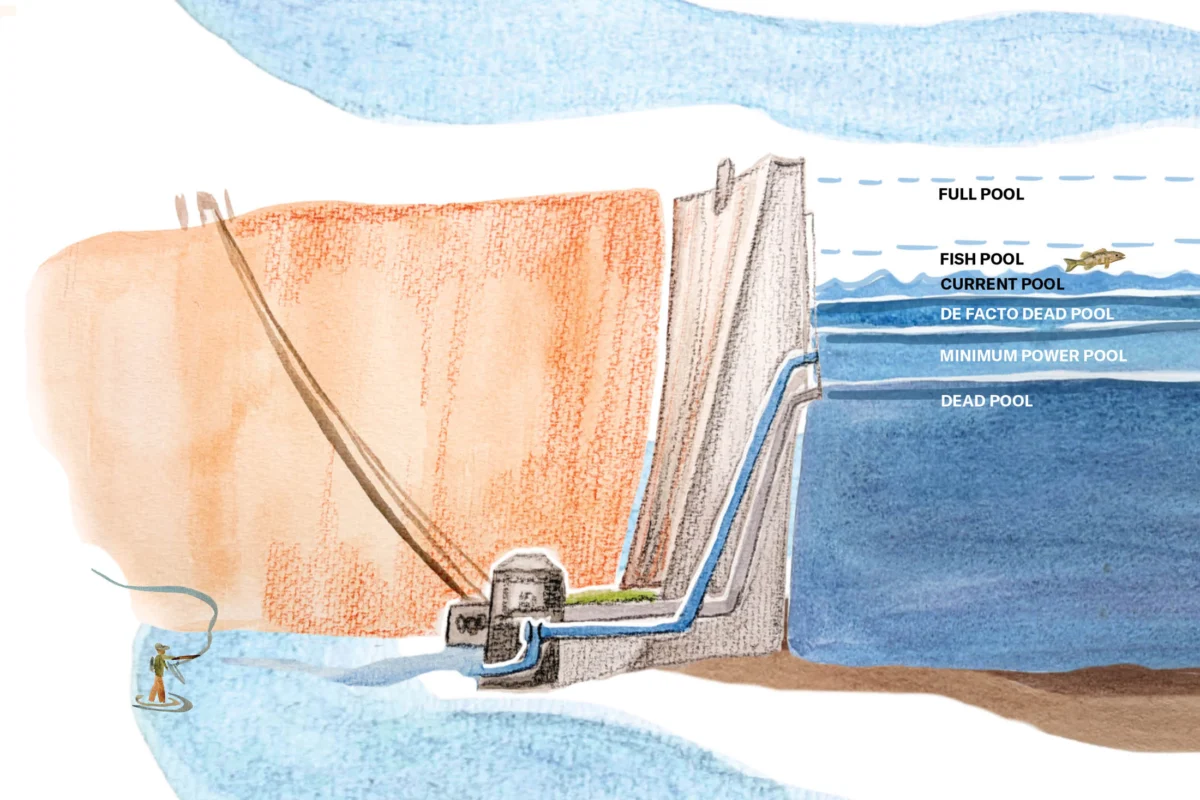
Today, nearly all of Glen Canyon Dam’s intended functions, with the singular exception of sediment capture, are under severe threat. Ironically, the very structure built to manage the river’s water resources now risks precipitating a violation of the compact’s crucial non-depletion clause by the Upper Basin states. A prolonged drought, now stretching for over two decades, has alarmingly depleted Lake Powell’s meticulously built water reserves. This past winter’s insufficient snowfall has exacerbated an already precarious situation, compelling federal dam operators to implement extraordinary measures to prevent the reservoir from plummeting below critical operational levels this summer. These actions are crucial for safeguarding the dam’s hydropower generation capabilities and preserving Glen Canyon Dam’s viability as a large-scale water storage facility. However, the inevitable reduction in water releases downstream to protect the reservoir’s levels could inadvertently push the Upper Basin into a breach of its water-sharing commitments under the compact.
The Colorado River Compact, a foundational agreement governing water allocation among the seven basin states, and the Glen Canyon Dam itself were both conceived during an era when the Colorado River was perceived as a far more abundant resource. The prevailing environmental conditions and hydrological assumptions of the mid-20th century no longer reflect the reality of the 21st century. As the region grapples with increasingly arid conditions, driven by a changing climate, both the established legal framework of the compact and the engineering marvel of the dam are facing the prospect of obsolescence, unable to cope with the diminished water supply.
The Colorado River, a lifeline for over 40 million people across the American West, including major agricultural hubs and burgeoning cities, is a system under immense pressure. The river’s basin encompasses parts of Wyoming, Colorado, Utah, New Mexico, Arizona, Nevada, and California, along with Mexico. Its waters are allocated through a complex web of agreements, laws, and court decisions, with the 1922 Colorado River Compact being the cornerstone. This compact divided the river’s flow between the Upper Basin (Wyoming, Colorado, Utah, New Mexico) and the Lower Basin (Arizona, Nevada, California), stipulating that the Upper Basin would not deplete the river’s flow below Lee Ferry, Arizona, such that the Lower Basin would not receive its allocated share. Glen Canyon Dam and Lake Powell were instrumental in fulfilling this obligation by providing storage capacity.
The concept of Lake Powell as a "water savings account" was particularly prescient, anticipating that periods of drought would inevitably follow years of high runoff. The dam’s power plant, with a generating capacity of 1,320 megawatts, was designed not only to provide electricity to millions but also to facilitate the intricate operations of the reservoir, including releasing water for downstream use and maintaining minimum levels for ecological and operational purposes. The Bureau of Reclamation, the federal agency responsible for managing the dam and reservoir system, continuously monitors water levels, snowpack, and river flows to make operational decisions. These decisions involve a delicate balancing act, attempting to meet the diverse needs of agriculture, municipal water supplies, hydropower generation, and environmental concerns, all while adhering to the legal mandates of the compact.
The current crisis is a stark illustration of how the projected water availability used to design these systems has been significantly overestimated. Climate change is intensifying the drought conditions, leading to reduced snowpack in the Rocky Mountains, the primary source of the Colorado River’s water. Warmer temperatures also contribute to increased evaporation from reservoirs and greater water demand from vegetation and human populations. Scientists predict that these trends are likely to continue, making the water scarcity in the Colorado River Basin a persistent challenge rather than a temporary anomaly.

The implications of Lake Powell’s dwindling levels extend far beyond the immediate operational concerns of Glen Canyon Dam. Hydropower production at the dam, a significant source of clean energy for the region, is directly tied to the reservoir’s water elevation. As the water level drops, the turbines can no longer operate efficiently, leading to reduced power output and potentially, in extreme scenarios, a complete shutdown of power generation. This not only impacts electricity consumers but also the financial viability of the dam’s operations, as hydropower revenues contribute to the Bureau of Reclamation’s budget for system maintenance and operations.
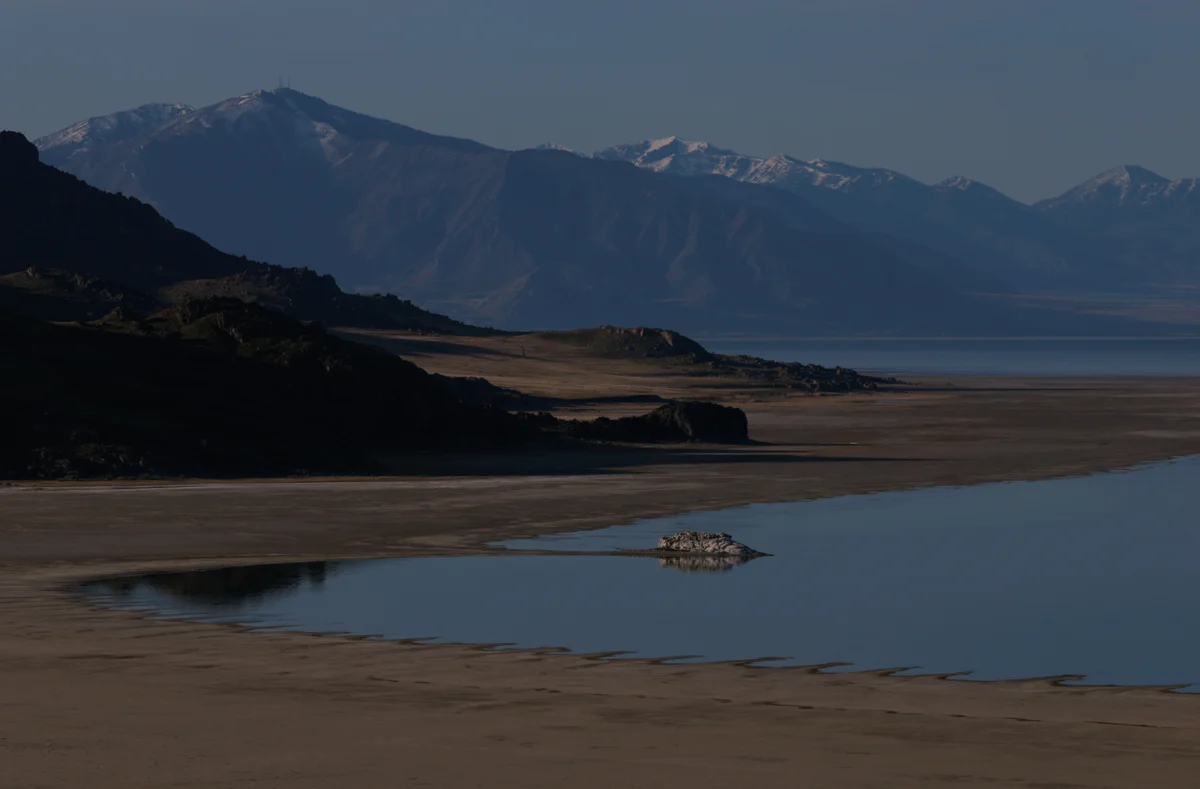
Furthermore, the dramatic decline in Lake Powell’s water levels has profound ecological consequences. The reservoir supports a unique ecosystem, and its fluctuations can impact fish populations, riparian habitats, and the overall health of the river system. The dramatic shoreline recedes, exposing vast areas of sediment and altering the landscape, which can also affect recreational activities that have become a significant economic driver for the surrounding communities.
The current predicament forces a re-evaluation of water management strategies across the entire Colorado River Basin. It underscores the urgent need for increased water conservation efforts, the development of drought-resilient agricultural practices, and the exploration of alternative water sources, such as water recycling and desalination, although the latter is often energy-intensive and costly. The states themselves are already engaged in difficult negotiations and voluntary cutbacks, but the scale of the crisis suggests that more significant and potentially contentious decisions may be on the horizon.
The Colorado River Compact, a document crafted nearly a century ago, is increasingly being tested by the realities of a warmer and drier climate. While the compact has served as the bedrock of water allocation for decades, its underlying assumptions about water availability are no longer tenable. This situation has prompted discussions about the need for potential renegotiation or amendments to the compact, a process that would be fraught with political and legal complexities, given the diverse interests of the basin states.
The operational decisions made by federal dam operators at Glen Canyon Dam are a microcosm of the larger challenges facing the entire Colorado River system. Balancing the immediate need to maintain hydropower and water storage with the long-term imperative of adhering to the Colorado River Compact requires difficult choices. The current situation highlights the interconnectedness of water management, energy production, environmental sustainability, and legal obligations. As the West continues to confront the impacts of climate change, the legacy of projects like Glen Canyon Dam, and the agreements that govern them, will be increasingly scrutinized and challenged, demanding innovative and collaborative solutions to ensure a sustainable future for this vital river system. The very existence of Lake Powell as a buffer against drought is now in question, forcing a reckoning with the limits of engineering and the undeniable realities of a changing planet.