Johny Prima
For generations, the Hopi people have carried a profound prophecy within their culture: the coming of non-Indigenous nations would cause the Earth to shake and life itself to rupture. This ancient warning finds a stark contemporary resonance in the escalating environmental crises gripping the American West and, indeed, the entire planet. Many in the settler community may recognize echoes of this foresight in Koyaanisqatsi, the seminal 1982 film whose title, a Hopi word meaning "life out of balance," powerfully juxtaposes burgeoning industrialization with the timeless, sacred sandstone landscapes. Today, the record-breaking heat domes, the alarming lack of snowpack, and the pervasive moisture deficit plaguing the Western states are not merely statistical anomalies; they are tangible manifestations of the warnings our Hopi elders and ancestors have articulated for centuries, signaling a profound disequilibrium between humanity and the natural world.
Nowhere is this imbalance more acutely felt than along the venerable Pisisvayu, known to the wider world as the Colorado River. This lifeblood of the Southwest now flows, or rather stagnates, under the shadow of pah’uutsi, the colossal Glen Canyon Dam. The dam’s imposing concrete structure has transformed a vibrant, free-flowing river into the expansive, often baking, expanse of Lake Powell, a reservoir that, while crucial for regional water supply, smothers sacred ancestral sites beneath its artificial depths. The water, once destined for a majestic journey to paatuwaqatsi, the Sea of Cortez, now leaks away into burgeoning development projects in places like St. George, its historical course truncated, its ecological integrity compromised. Glen Canyon Dam is but one of three major dams in Arizona built to harness Pisisvayu, epitomizing a human ambition to control and contain water, a stark contrast to the Hopi’s ancient reverence for water as a living entity, a member of the family. The Hopi people hold a sacred covenant with the Creator, an enduring responsibility to steward both water and land, a commitment that predates and profoundly differs from the colonial paradigms of resource extraction and control.
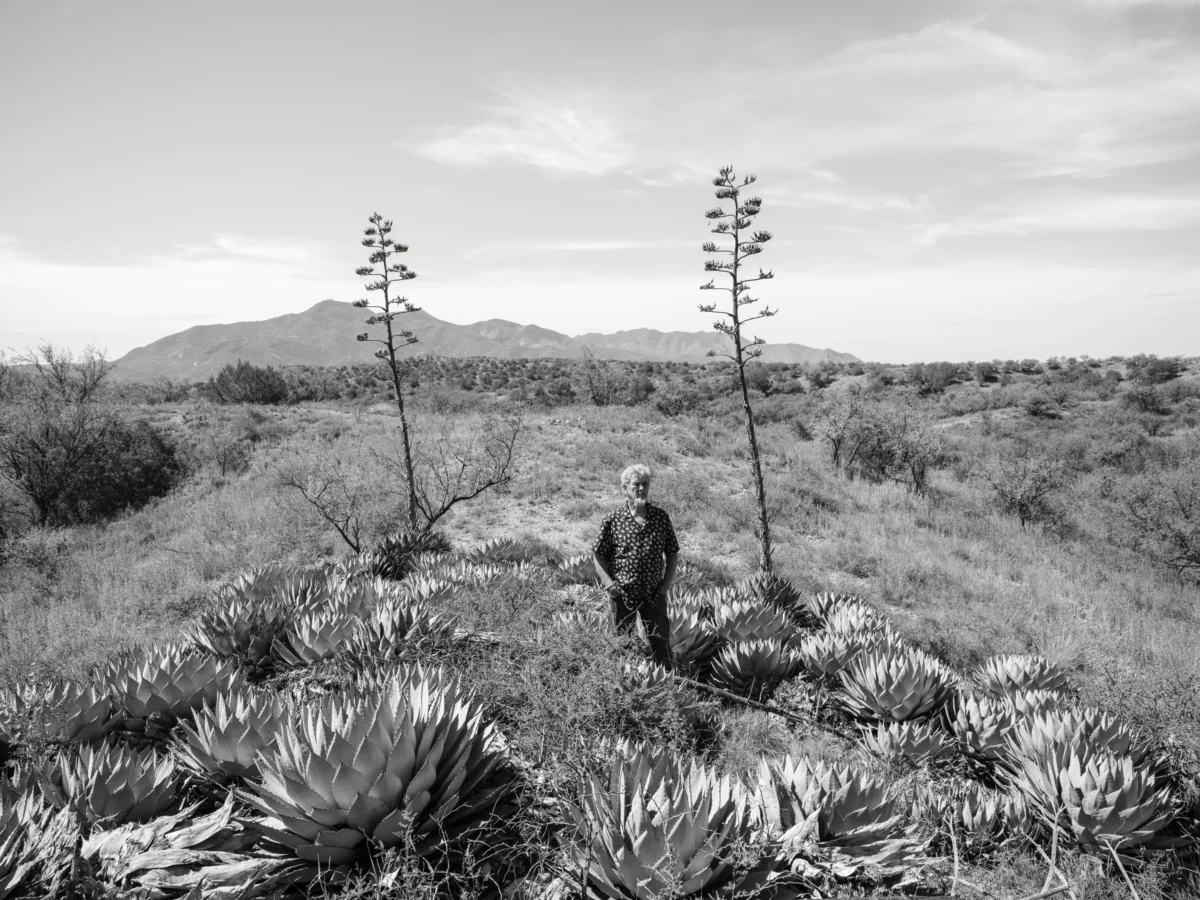
For millennia, the Hopi sustained themselves through intimate knowledge of their environment. They meticulously hauled water to their mesa-top villages, undertaking arduous journeys up steep hillsides to bring this precious life force to their ceremonies and into their homes. This practice of carrying water, often over long distances, was not merely a chore but a sacred act, a communion with the elements, a prayer for life and moisture. As expert dry farmers, the Hopi have perfected agricultural techniques that rely exclusively on natural rain cycles and snowpack for crop sustenance. This deep-rooted understanding of the land’s rhythms continues today; for over six decades, individuals like myself have cultivated food to nourish our families on the small reservation square in northern Arizona, a territory carved out of our ancestral Hopitutskwa by the federal government. Beyond dry farming, many of us have engaged in ranching for decades, heating our homes with wood, thereby remaining intimately connected to the challenges and rewards of living directly off the land. Even the method of rounding up cattle, often on horseback rather than using environmentally disruptive all-terrain vehicles, reflects a conscious effort to mitigate damage to the fragile land and its vegetation. Sometimes, due to injuries sustained while serving our country in the military, I must round up cattle on foot, a testament to the enduring commitment to this stewardship, a sacred duty bestowed upon us by the Creator.

Across many generations, the Hopi people have borne witness to profound and often devastating changes impacting the animals, the people, the landscape, and the very food systems that sustain us. We have observed, with growing alarm, as water, a sacred resource, has been systematically diverted from our lands to fuel the trappings of luxury—manifesting as lush golf courses and sprawling swimming pools—via colossal infrastructure projects like the Central Arizona Project (CAP). These amenities, commonplace in affluent urban and suburban centers, are conspicuously absent on Hopi lands, prompting a fundamental question that cuts to the heart of modern development: is this consumption driven by genuine need, or by insatiable want? The disparity underscores a deep-seated environmental injustice, where Indigenous communities, who have long practiced sustainable living, bear the brunt of water scarcity while water-intensive lifestyles flourish elsewhere.
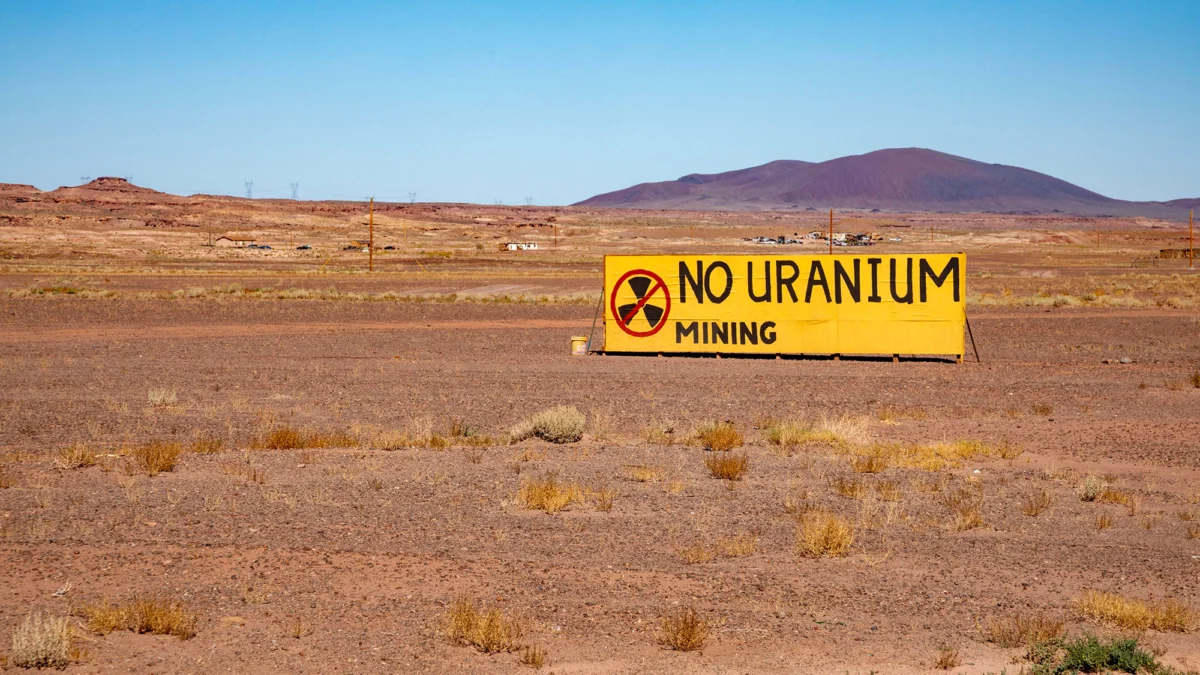
A pervasive ignorance, a willful refusal to heed the wisdom of those with generations of lived experience, underpins much of the legislation and management policies we observe at every level of government. The ability to retain water on the land remains severely hampered as long as federal agencies—the U.S. Forest Service, the Bureau of Land Management, and the overarching legislative and executive branches of the U.S. government—persist in prioritizing what are, in effect, foreign interests over the fundamental well-being of the land and its Indigenous stewards. These entities continue to manage our ancestral territories and vital water resources as if they were mere commodities, agricultural crops to be sold to the highest bidder, rather than living ecosystems to be protected. A particularly egregious example of this colonial mindset is the proposed land exchange involving Oak Flat (Chi’chil Bildagoteel), a sacred site for the Apache people in central Arizona, which is slated to be handed over to Rio Tinto, a massive international mining corporation, under the dubious premise of economic prosperity. Rio Tinto is not even an American company, yet it seeks to exploit resources on sacred Indigenous land. Large-scale mining operations are notoriously water-intensive; the crucial question of where the immense volumes of water required for this endeavor will originate, and whether Rio Tinto will be held accountable for the inevitable pollutants carried downstream into major population centers like Phoenix and Tucson, remains largely unaddressed, highlighting a profound disregard for both environmental and public health.
Throughout Hopitutskwa, particularly in New Mexico, these same agencies and decision-makers, often beholden to powerful special interests such as the oil and gas industry, are facilitating rampant hydraulic fracturing, or fracking. This environmentally destructive process exacerbates the ongoing climate crisis by releasing potent greenhouse gases and further depletes already scarce water resources through its wasteful and often contaminating methods. This extractive paradigm is not confined to our lands; it is a global phenomenon, driven by an unsustainable thirst for energy and profit. Again, we are compelled to ask: is this a genuine need for human survival, or merely an insatiable corporate want? From a Hopi perspective, upon passing, our bodies’ moisture returns to the Earth, and we become Oomawsinom, the Cloud People, continuing our spiritual journey. The ceaseless emissions, pervasive pollutants, and profound disrespect for the sacredness of water actively obstruct the completion of this vital spiritual cycle, hindering our return to the elements.
In Arizona, a troubling proliferation of anti-wolf and anti-wildlife bills has been introduced at both state and federal levels, largely at the behest of the cattleman’s industry. These legislative efforts, aimed at enriching shareholders who often reside far from the landscapes they impact, exemplify a profound disconnect from ecological realities. One such bill, HB 2160, went so far as to mandate that special interest groups, rather than wildlife experts or tribal entities, manage wolves if they fall under state jurisdiction. Notably, tribal voices, with millennia of experience coexisting with wolves and other "predators" without engineered panic, were conspicuously excluded. We believe such legislative maneuvers represent a calculated distraction, a manufactured hysteria designed to divert attention from holding state and federal agencies accountable for the abysmal fate of countless wild creatures. Scientific data overwhelmingly demonstrates that wolves, for instance, are keystone species, vital components of healthy ecosystems that play a crucial role in maintaining water on the land. When the Creator first brought humans and animals into existence, the design was not solely for people to manage the land. Instead, an intricate balance was established within the ecosystem, encompassing waterfowl, reptiles, amphibians, and raptors, all understood as messengers bringing water back to the land, integral to its vitality.

The U.S. Forest Service and the Bureau of Land Management, federal agencies entrusted with vast tracts of public lands, operate under a "multiple-use mandate" that often treats our aboriginal lands as an economic balance sheet. Success is measured by outdated, extractive metrics such as the number of cattle grazed, the volume of timber logged, and other quantifiable outputs, rather than ecological health or Indigenous well-being. While these agencies are legally bound to consult with tribes, this process frequently devolves into superficial gestures—a perfunctory 30-minute phone call with tribal government officials, entirely devoid of genuine face-to-face interactions or the deep, relational work required with cultural practitioners. Crucially, consultation does not equate to consent. From our perspective, the fundamental truth remains: we cannot drink oil or money. These so-called public lands are visibly drying out, suffering from the cumulative impacts of overgrazing, aggressive thinning practices, and the increasing recreational demands of off-road vehicles. Furthermore, the few protective environmental laws that have been enacted to guide us are being systematically dismantled, as evidenced by actions under the previous administration, which was heavily influenced by the fossil fuel industry. We are losing precious time engaged in defensive battles over basic environmental protections, time that should be proactively spent compelling these agencies to genuinely serve the people, the land, and the animals. We must fundamentally shift our measures of success to prioritize keeping water on the land through fostering abundant biodiversity, enhancing habitat connectivity, and promoting genuine co-existence.
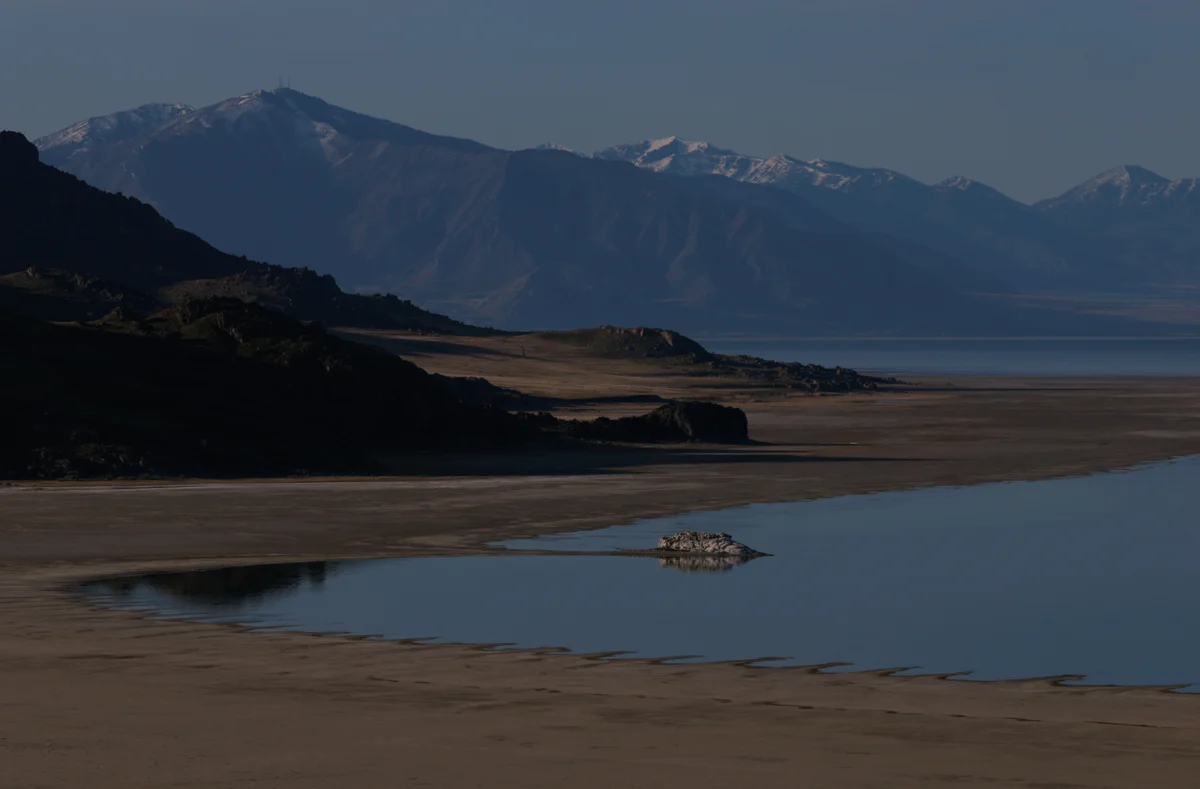
The mismanagement of land, driven by an insatiable pursuit of profit, stands as the foundational cause of this unfolding global disaster and the potential ending of life as we know it. This profit-driven mentality is the very reason why our ancestral sites were irrevocably drowned in the creation of Lake Powell. Settlers, in their hubris, believed they could literally imprison a wild river within an unnatural concrete bowl, bending its inherent power to their will. Yet, as the waters of Lake Powell recede dramatically due to the relentless pressures of climate change, revealing long-submerged ancestral sites, we, as Hopi, have always understood the futility of such an endeavor. Water cannot be truly "held" on the land in such an artificial, imposing manner. Instead, water is intrinsically held within the intricate tapestry of the natural world: in the resilient bodies of animals, in the expansive canopy and deep roots of trees, in the rich, absorbent moisture of old-growth forest soils. Water is sustained on the land when deer and elk populations are naturally regulated by their wolf relatives, allowing vital vegetation to flourish and bind the soil. Water is preserved on the land when it is not ruthlessly drilled or blasted from the Earth’s core for fracking and mining operations. Ultimately, water is also held within our own human bodies, connecting us inextricably to the entire web of life, every single drop precious and sacred. Paahuquatsi – water is life. Kwakwàkwy: Thank you.