Johny Prima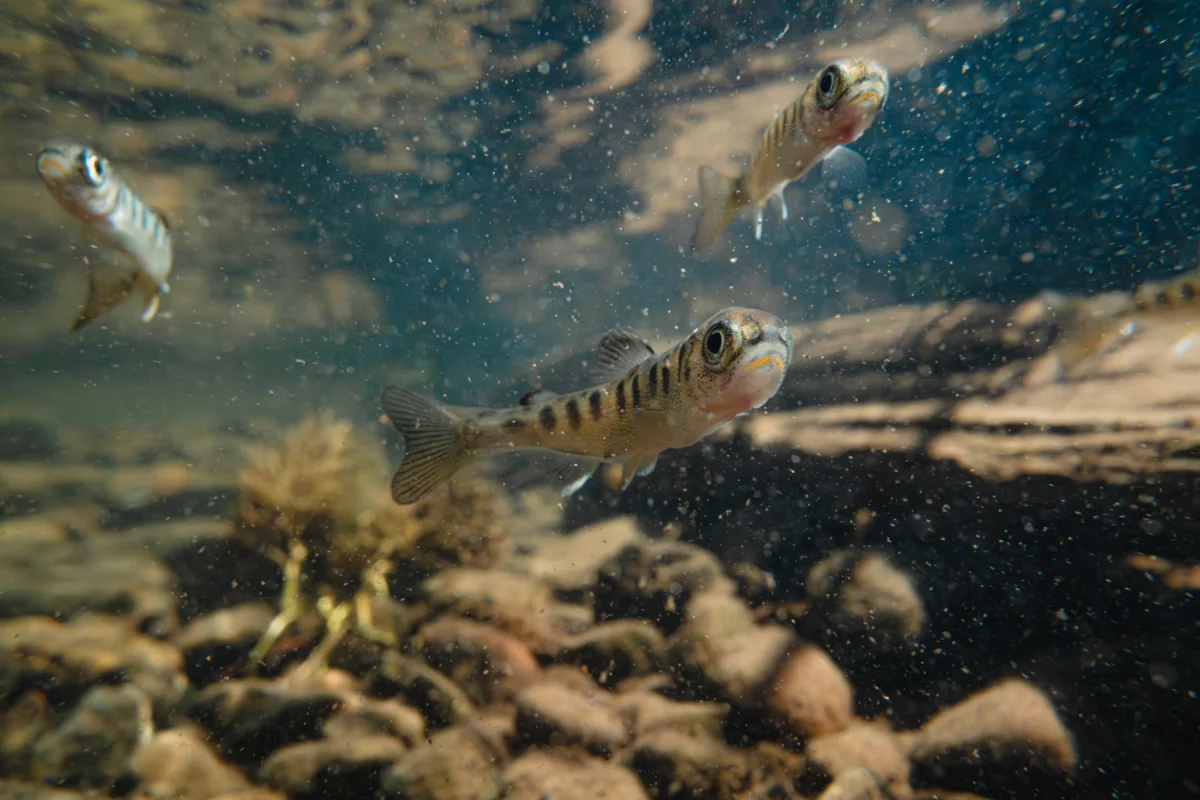
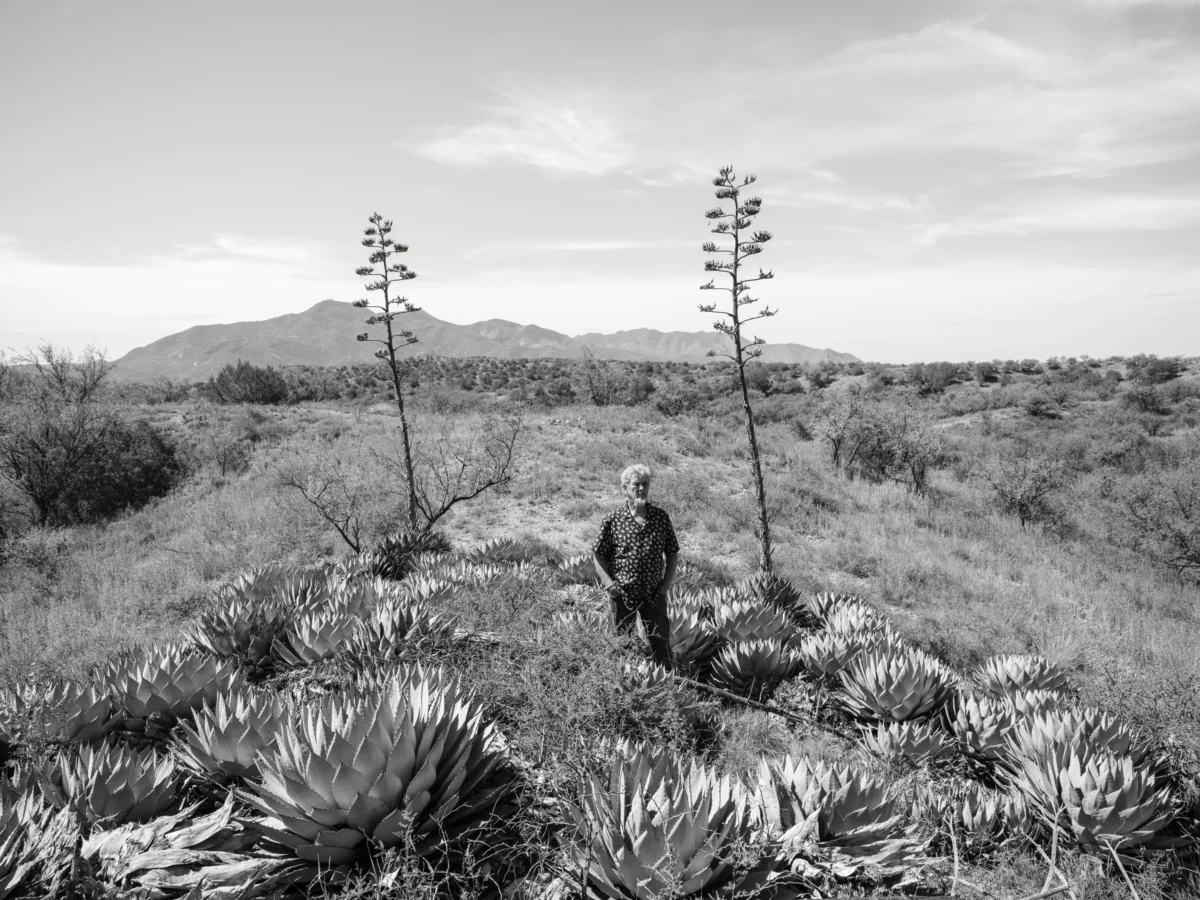
The headwaters of the Klamath River, a sacred wellspring emanating directly from the earth, lie deep within the ancestral territories of the Klamath Tribes, a confederation comprising the Klamath, Modoc, and Yahooskin peoples. As Chairman William Ray Jr. profoundly states, "It comes right out of the ground. I know this because I see it. I’ve lived it. And I know where it comes out of." These pristine waters converge to form Upper Klamath Lake in southern Oregon before flowing majestically through Northern California to the Pacific Ocean, sustaining an intricate ecosystem that has for millennia supported the fish fundamental to the economies, cuisine, and traditional medicine of numerous tribal communities across the entire watershed, including the Yurok Tribe residing downstream where the river embraces the sea.
Historically, salmon constituted a foundational pillar of the Klamath peoples’ diet, sometimes accounting for a third of their sustenance. Chairman Ray often speaks of the Creator’s wisdom in fashioning salmon, a species capable of navigating both fresh and saltwater, designed "for all the Indians to enjoy." This abundance fueled a vibrant trade network, with routes like the Klamath Trail extending across what is now Oregon to connect with distant hubs such as Celilo Falls, an ancient and now-submerged fishery and international trade nexus on the Columbia River. The Klamath River once boasted the remarkable distinction of being the world’s third-largest salmon producer, a testament to its pristine health and biodiversity. Beyond sustenance, salmon held profound medicinal value; when illness struck, a Klamath person would seek out a specific type of fish from a precise location—perhaps a c’waam or koptu from a particular bend in the lakeshore, or a certain anadromous species from the river itself—to prepare healing broths from gills or boiled heads.
However, the advent of hydroelectric dams in the early 20th century dramatically altered this ancient balance, severing the lifeblood of the river. These colossal structures not only blocked the migratory paths of salmon and other anadromous fish, preventing them from reaching their ancestral spawning grounds in the upper basin but also fundamentally degraded the river’s ecological integrity. Altered water flows, elevated temperatures, disrupted sediment transport, and diminished water quality decimated fish populations. Lake-dwelling species, crucial to the ecosystem, suffered similarly. The profound ecological changes did not require Western scientific analysis for the Indigenous communities to recognize the crisis. "We knew that there was something wrong beginning in the ’70s and especially the ’80s," Ray recounted. "It didn’t take Western science to tell the Indian with Indigenous knowledge that something was drastically wrong." Facing an agonizing choice, the Klamath Tribes held emotionally charged meetings, culminating in the tearful, self-imposed decision in 1986 to cease fishing. This act of profound sacrifice, aimed at preserving the dwindling fish populations, inflicted deep cultural wounds. "It hurt us," Ray emphasized, "This was another issue that pecked away at our culture, the viability of it."
The chairman often echoes a poignant question posed by a Umatilla elder: "How can you build a tribal traditional economy on species that are endangered?" For the Klamath, this is far from an abstract query; it manifests in heartbreaking realities, such as having to tell a sick elder that the traditional remedy of a healing fish from the river is no longer available. The loss of access to these vital resources represents a continuous erosion of cultural practice, spiritual connection, and self-sufficiency.
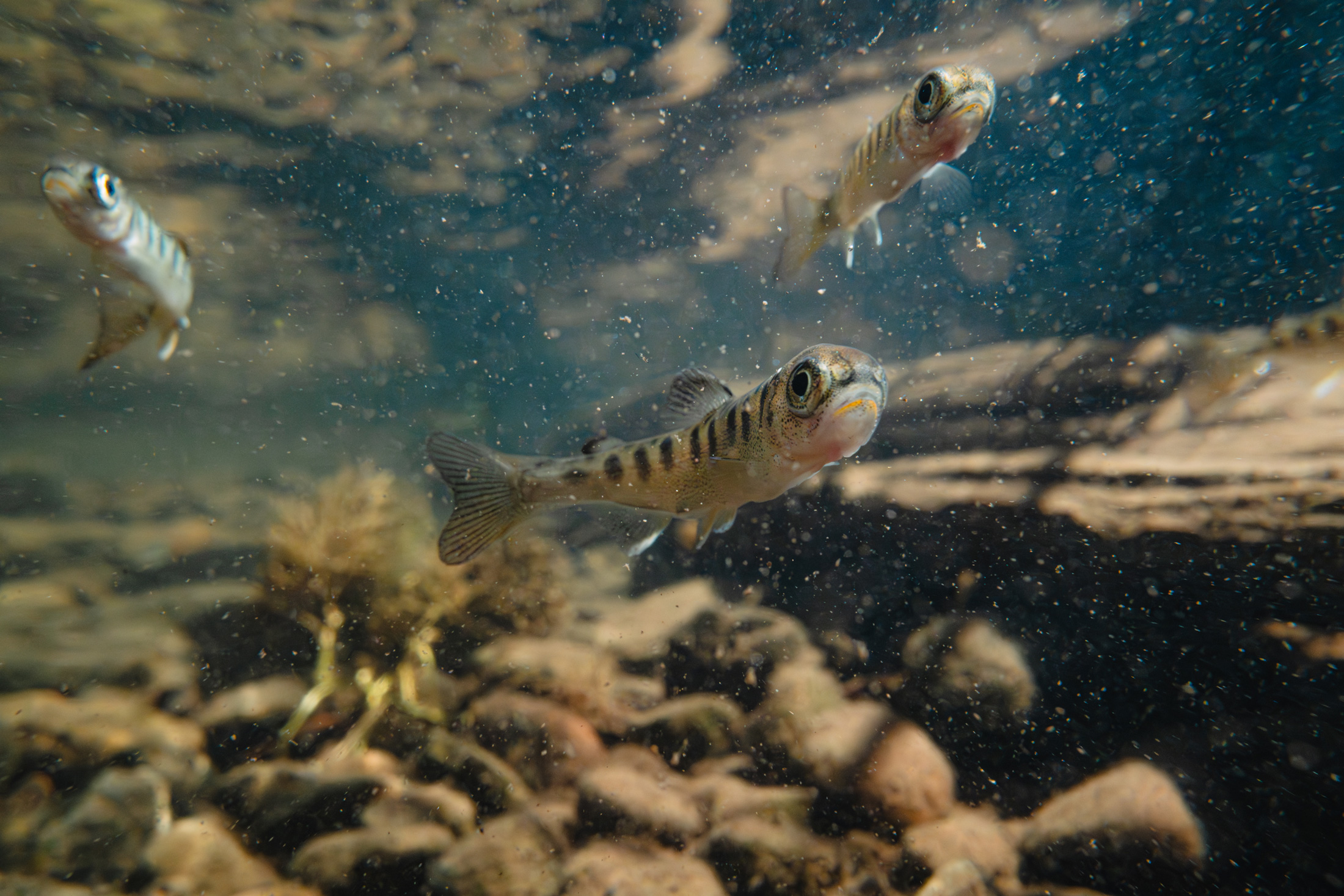
Today, however, a profound shift is underway, bringing renewed hope for the Klamath’s fish and the vibrant tribal cultures they underpin. In a landmark achievement for river restoration, four outdated and ecologically damaging hydroelectric dams on the lower Klamath River—Copco 1, Copco 2, Iron Gate, and JC Boyle—were systematically removed starting in October 2024. This monumental undertaking, the largest dam removal project in U.S. history, immediately yielded remarkable results. Pacific lamprey, steelhead, fall Chinook salmon, and other anadromous fish, blocked for over a century, began migrating back to the upper basin with astonishing speed. Jordan Ortega, an anadromous fish specialist for the Klamath Tribes, reported that approximately 20 Coho salmon had already reached Oregon before the end of the year, signaling a rapid and favorable response from nearly all anadromous species to the river’s liberation. While two dams, Kino and Link River, still remain in the upper Klamath River, both are equipped with fish ladders, which, while not optimal for every species, represent a significant improvement over impassable barriers.
Earlier this year, the Bureau of Indian Affairs (BIA) and the National Oceanic and Atmospheric Administration (NOAA) collaboratively announced a competitive $5.9 million grant specifically designated for tribal salmon restoration efforts. The Klamath Tribes, alerted to this critical opportunity by their downriver Yurok relatives, immediately sprang into action. Chairman Ray initiated urgent calls to the governor’s office and the Oregon Department of Fish and Wildlife, an agency with which the Klamath Tribes had already partnered to develop a comprehensive post-dam-removal strategy for fish reintroduction and monitoring natural repopulation.
A bureaucratic hurdle, however, threatened to derail the Klamath Tribes’ application. The BIA and NOAA grant, Ray learned, was initially earmarked solely for "salmon restoration tribes." Because salmon had been entirely extirpated from Klamath ancestral territory for over a century, the federal government’s criteria paradoxically did not classify them as a restoration tribe, rendering them ineligible to apply. Ray’s astonishment was palpable: "We’re trying to put salmon back into our territory, right? So how couldn’t we be a salmon tribe?" This administrative oversight underscored a deeper systemic challenge in federal funding mechanisms, often failing to fully recognize the historical context and ongoing efforts of Indigenous communities.

Fortunately, the profound solidarity among tribal nations proved decisive. Mike Belchik, the Yurok Tribe’s senior water policy analyst, swiftly intervened. "First thing I did was contact Bureau of Indian Affairs and said, ‘Can you add Klamath Tribes to the list?’" Belchik recounted. Although the BIA stated it was too late in the process to modify the eligibility criteria directly, citing a prioritization of "certain hatcheries that raise stocks of Pacific salmon," the Yurok Tribe devised an ingenious solution. They applied for the grant themselves and extended an invitation for the Klamath Tribes to participate as a sub-recipient. The BIA subsequently awarded the grant jointly to the Yurok Tribe, the Klamath Tribes, and the Oregon Department of Fish and Wildlife. In a testament to inter-tribal cooperation, Belchik confirmed that the Yurok Tribe would act primarily as a pass-through entity, transferring the funds directly to the Klamath Tribes and providing administrative support.
This collaborative effort powerfully refutes any perception of the Yurok and Klamath Tribes as water-rights rivals, with the former seeking to restore salmon in the lower basin and the latter advocating for the same water to save c’waam and koptu upstream. Belchik firmly stated that their relationship has never been competitive, emphasizing that the Yurok leadership had pledged to assist the Klamath Tribes in every possible way. "We made a promise to them. When this funding opportunity came up, that’s who we thought of." He underscored the shared benefit, noting that an expanded run of spring Chinook salmon would enrich both tribal nations. "We have pushed, as have the Klamath Tribes, for the treatment of the entire basin as an ecosystem of which all parts are important," Belchik explained. "It’s heartfelt. My direction from council is to make that real."
The grant will crucially support the expansion and deployment of remote site incubators, an innovative tool in salmon restoration. Ortega described these incubators as sets of panels, each approximately the size of a salmon redd (a salmon nest), designed to sit in the water and replicate the optimal conditions for thousands of fertilized eggs. These incubators provide essential protection from predation and other environmental threats during the critical early stages of development. "The goal is to establish these remote site incubators across a wide range of thermal and flow regimes," Ortega elaborated, aiming to foster "as much life-history diversity as possible." Life-history diversity, a key evolutionary strategy for Chinook salmon, refers to their varied approaches to achieving the same reproductive goal, enhancing the resilience of the overall population.
The natural response of the fish to dam removal has been extraordinarily positive, exceeding scientific expectations. While salmon typically exhibit strong fidelity to their birthplaces, with only about 5% venturing into new territories, the Klamath fish have defied these norms. Out of an estimated 60,000 to 70,000 returning fish, an astonishing 13,000 migrated past the former dam sites, representing a significantly larger fraction than observed in typical ecological literature. This strong exploratory behavior suggests a powerful innate drive to reclaim lost habitat. Early trials with the remote site incubators using 10,000 fertilized eggs from the Trinity River Hatchery demonstrated remarkable success, achieving a hatch-success rate exceeding 99%.

In a truly historic moment, the first spring Chinook salmon in over a century recently returned to the upper basin. Ortega noted that while fall-run Chinook have constituted the majority of returning fish so far, spring Chinook, often prized for their superior flavor, have a more restricted distribution, with strongholds primarily in the lower basin, specifically the Trinity River and the Salmon River, closer to the ocean. Additionally, "springers," as they are affectionately known, typically have smaller population sizes than fall Chinook, necessitating targeted support to facilitate their re-establishment in the upper basin—precisely the role the incubators are designed to fulfill.
Chairman Ray also addressed a persistent challenge: the long-standing denial by some non-Native locals that salmon historically populated the upper basin. "There’s a lot of naysayers all over the place saying that we trucked them around the dams and that they were never here. Well, they’re here," Ray asserted, underscoring the undeniable evidence of the salmon’s return. He recounted overhearing conversations in a restaurant where non-Native individuals expressed excitement about the salmon’s return and their eagerness to fish them. Ray quickly highlighted the profound irony and injustice: "‘Do you know how awesome it is to have these salmon back? We can’t wait to fish them.’ Well, wait a minute. Let’s back up here a minute. This is a treaty protected resource under the Treaty of 1864. We’re the one that’s been harmed here." This underscores the critical importance of treaty rights and the need to prioritize the restoration of tribal sovereignty and traditional practices before commercial or recreational fishing can be considered.
The return of salmon unequivocally confirms that Klamath territory is indeed salmon territory, a divine "blessing by Creator," as Ray described it, because "now it’s undeniable." Belchik echoed this sentiment, emphasizing that the "ultimate purpose of dam removal, whether you’re talking fall or spring or steelhead or anything, is that there’s a harvestable surplus for all," but with the understanding that tribal treaty rights must be honored first. Phil Milburn, a wildlife biologist at the Oregon Department of Fish and Wildlife, cautioned that while "everybody’s excited about the return of the fish and what that could ultimately mean," discussions about harvest are "probably years away," as the immediate goal remains the re-establishment of these vital species in Oregon. The new remote site incubators are slated for installation next year, with adult springers anticipated to return to the upper basin as early as 2030, marking a significant milestone in this long journey of ecological and cultural healing.
Chairman Ray articulated a broader vision, noting that the Klamath watershed’s lack of a large municipality presents a unique opportunity. "There’s an opportunity for us to set a new standard, to show America that we can restore, as humans, a watershed that’s been degraded for the last 100-plus years." He expressed immense pride in the leadership role tribal nations are playing in this monumental effort, positioning the Klamath River restoration as a global exemplar of Indigenous-led conservation. "There’s a lot of positive things going on, and we’re fighting like heck," Ray concluded, highlighting the urgency and dedication required. "We have to be very speedy. We have to have all cylinders going." The Klamath River’s revitalization stands as a powerful testament to resilience, inter-tribal unity, and the enduring power of Indigenous knowledge in restoring ecological balance and cultural heritage for generations to come.