Roger Danuarta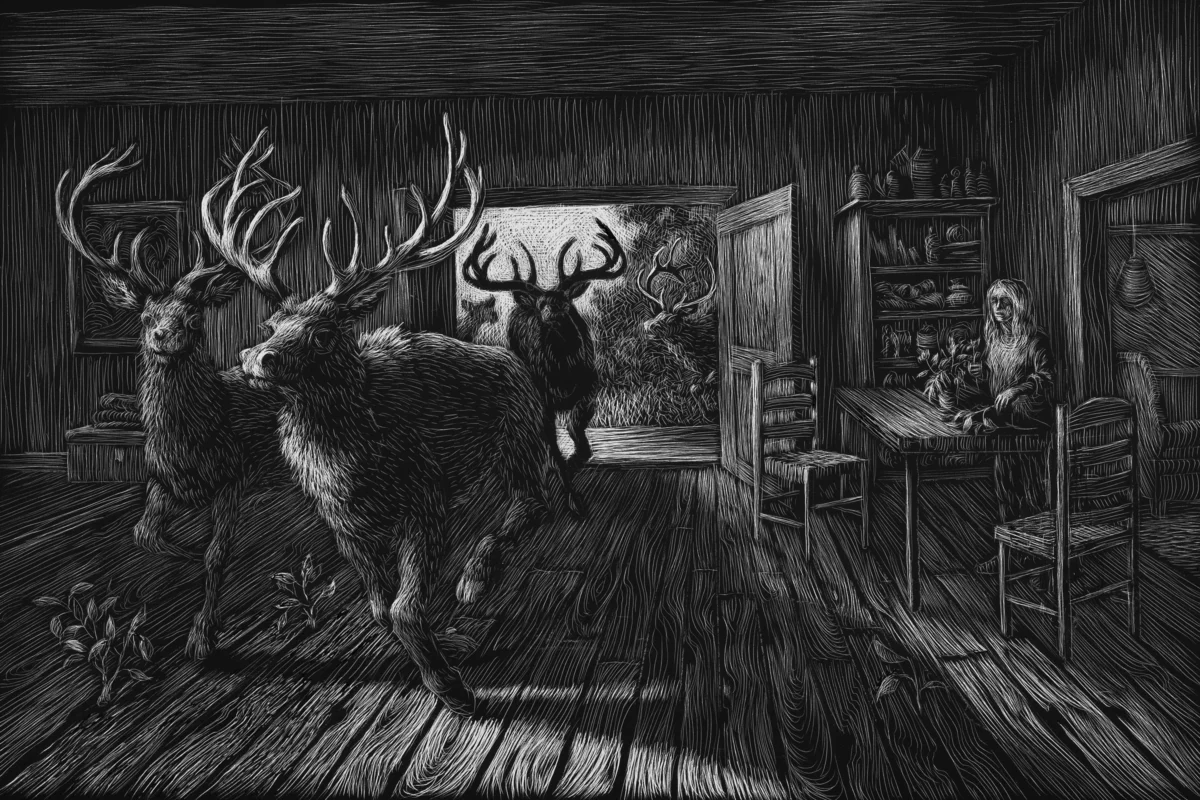
The profound dedication of long-serving public servants in environmental agencies, such as the U.S. Forest Service, faces increasing challenges as policy shifts and external pressures redefine their roles and the valuation of their extensive work. For individuals like Mike, who dedicated 41 years to the U.S. Forest Service before his retirement, the recent "fork in the road" directives issued to active employees resonate deeply, highlighting a perceived devaluation of cumulative scientific research and conservation efforts. These directives, reportedly from influential private sector figures, have prompted employees to choose between their positions and potential termination, effectively disregarding decades of institutional knowledge and ongoing projects, including critical long-term scientific studies vital for understanding complex ecosystems. The sentiment among retired and active personnel alike is one of dismay, as the very foundation of their public service—the preservation and sustainable management of national natural resources—appears to be undermined by unilateral decisions. This situation reflects a broader global trend where public environmental protection agencies grapple with fluctuating political priorities and the increasing influence of private interests, often leading to concerns about the continuity of critical ecological data collection and the integrity of conservation programs.

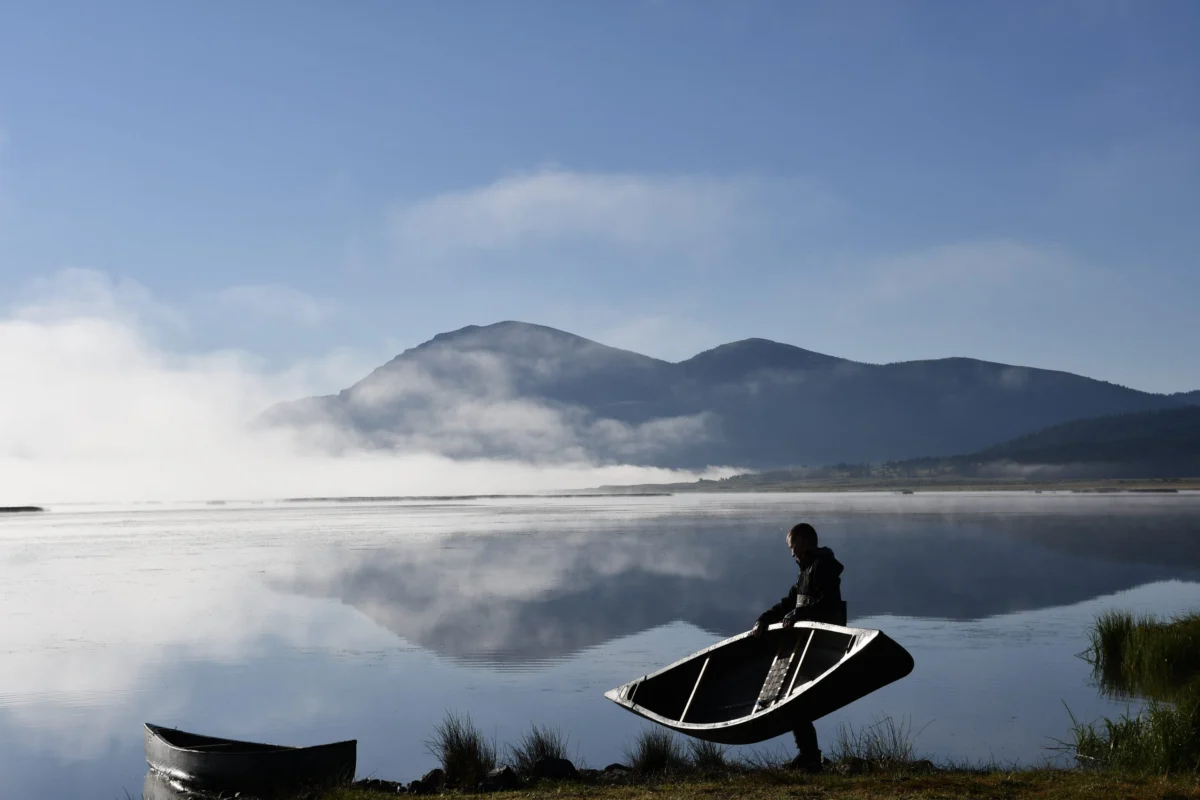
Mike and his spouse reside within the very landscapes he helped protect, overlooking the Rio Grande National Forest, a vast expanse of wilderness in Colorado known for its diverse ecosystems and significant wildlife populations. This intimate connection to the land amplifies the impact of policy changes that threaten the integrity of such vital areas. A recent, poignant incident underscored this bond: on Mike’s birthday, as he quietly reflected on his career, a herd of 150 elk descended from the forest into their horse pasture. This remarkable visitation, far from a mere coincidence, served as a powerful, symbolic affirmation of the invaluable legacy of his work. The Rio Grande National Forest, encompassing nearly two million acres, is a crucial habitat for elk, deer, bighorn sheep, and various predatory species, playing a vital role in regional biodiversity and watershed protection. The presence of such a large elk herd not only speaks to the health of the ecosystem Mike helped steward but also offers a profound, natural counter-narrative to the bureaucratic decisions that seem to diminish the essence of long-term environmental commitment. Such occurrences emphasize the enduring connection between humans and the natural world, a relationship that often transcends political and economic fluctuations.
Beyond the specific impacts on public service, the contemporary socio-political landscape often casts a shadow of despair over many citizens, fueled by escalating tensions around human rights, social justice, and environmental degradation. Reports of policies affecting marginalized communities, including people of color and transgender youth, alongside anxieties about potential civic unrest, contribute to a pervasive sense of unease. In these challenging times, many individuals seek solace and grounding in their immediate environments and through their connections with animals. For some, like the author, interactions with rescued horses, such as Raj and Ben, offer a profound therapeutic respite. The deliberate act of connection, like placing foreheads together in a gentle push, fosters a "mind meld" that reportedly alleviates distress and replaces negative thoughts with an appreciation for the present moment—the warmth of the sun, the vivid blue of the sky, the simple quality of sustenance. This phenomenon underscores the growing recognition of the human-animal bond’s capacity to provide psychological support and foster resilience amidst societal turmoil, reflecting a broader understanding of biophilia, the innate human tendency to connect with nature and other living systems.

This deep connection to the animal kingdom is not a newfound revelation but a lifelong practice for many, rooted in a fundamental respect for all living beings. Encounters with wildlife, from a coiled rattlesnake in Arizona to a curious hummingbird, are often met with an instinctual acknowledgment, a spoken greeting that transcends species barriers. While such interactions might perplex or even alarm others, as illustrated by a friend’s reaction to complimenting a rattlesnake, they highlight a core belief in the intrinsic value of every creature. This approach, treating animals not as mere objects but as sentient beings, fosters a sense of mutual recognition that can dissipate fear and build a bridge of understanding. Whether it’s the chuff of a bear, the snort of a moose, or the call of a red-tailed hawk, these natural communications serve as affirmations of shared existence on a planet facing unprecedented ecological challenges.
Furthermore, a pervasive belief in a reciprocal calling between humans and wild animals suggests a deeper, intuitive communication that extends beyond conventional understanding. Instances of thinking about a specific animal, only for it to appear moments later—a bull moose emerging from trees, an eagle circling overhead, a harbor seal surfacing—are too frequent to be dismissed as mere coincidence for those who cultivate this sensitivity. The global pause during the COVID-19 lockdowns, when human activity significantly receded, offered a rare glimpse into a world where animals briefly reclaimed spaces. This period not only highlighted humanity’s "creaturely selves"—our shared biological needs for sustenance, clean air, and unencumbered movement—but also fostered a profound empathy for the incessant habitat loss faced by wild creatures. The adaptations made by humans during the pandemic mirrored the continuous imperative for animals to adapt to human encroachment. Many hoped that this global crisis would serve as a critical inflection point, steering humanity towards a collective decision to prioritize clean air and water over unsustainable consumption patterns. While this broad societal shift has yet to fully materialize, the personal impact of these realizations has spurred individual commitments to environmental stewardship.

The subtle wisdom of the wild continues to manifest in unexpected ways. Following Election Day 2024, a striking encounter with a vibrant red fox demonstrated the acute adaptability and presence of nature. Trapped momentarily between new fencing and human activity, the fox’s decisive move to dart between the author’s legs underscored its instinctual stealth and resilience. Across various cultures, the fox symbolizes cunning, wisdom, and the ability to navigate difficult situations with agility. This particular visitation served as a powerful reminder of the importance of stealth and strategic action in navigating complex and often overwhelming challenges, both personal and global.
Ultimately, the collective message from the animal kingdom—from elk and horses to rattlesnakes and foxes, owls, ermines, and ospreys—is one of profound interconnectedness and shared vulnerability. As humanity confronts the escalating destruction of the planet, these creatures, often deemed expendable by contemporary political and economic systems, stand as kin. They embody a wisdom that recognizes our shared fate and actively seek to guide and support, a belief held with unwavering conviction. Every brief, beautiful life in the wild serves as a witness to our own, and in turn, we are called to bear witness to theirs. The aging wolfhound demanding its afternoon cheese, the osprey gracefully circling above a pasture, the grasshopper’s clatter—each instance is a reminder of the precious diversity of life that enriches our world. In an era where both human and non-human lives are increasingly under threat, the imperative is clear: to honor each other’s existence, to acknowledge our shared creatureliness, and to unite in the fight for freedom and preservation for all inhabitants of this fragile planet.