Roger Danuarta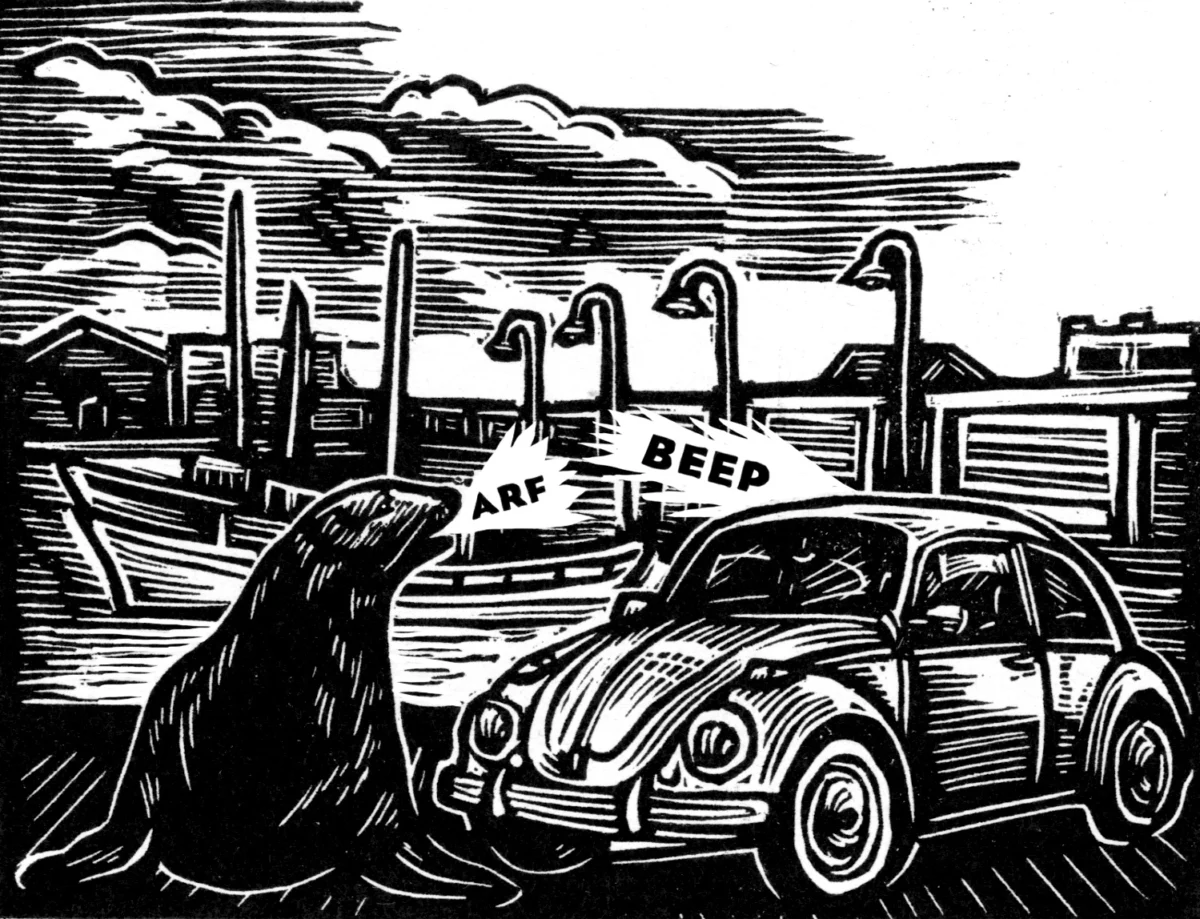
Each autumn and winter, the urban landscape of downtown Portland, Oregon, transforms under the twilight arrival of thousands of American crows, a phenomenon that has long fascinated naturalists and vexed city residents alike. These corvids, numbering over 20,000, descend nightly, their collective presence creating a cacophony that echoes through the city streets. Ornithologists from the Bird Alliance of Oregon hypothesize that these massive roosts serve as vital "information sharing" hubs, where the highly intelligent birds exchange crucial details about food sources, predator locations, and safe havens, all communicated through their intricate lexicon of caws, clicks, and rattles. While this impressive gathering, often dubbed a "Crowpaloosa," showcases the remarkable social complexity of these creatures, it presents an undeniable challenge: the accumulation of prodigious amounts of bird droppings. Historically, Portland has deployed various cleaning measures, including specialized street cleaners like the robust-sounding Poopmaster 6000, to combat the persistent mess. However, a more innovative and ecologically sensitive solution has emerged through the "crow patrol" initiative. Under the supervision of the Bird Alliance, licensed falconers now patrol the downtown area at dusk, deploying trained hawks to gently, yet effectively, disperse the roosting crows. These avian enforcers, acting much like flying bouncers, establish their presence in the trees, prompting the crows to seek alternative, less urban roosting sites. The sheer presence of these natural predators is often enough to dissuade the corvids from settling in for the night, offering a sustainable and non-lethal method of managing urban wildlife populations and mitigating the associated public health and cleanliness concerns. This approach highlights a growing global trend in cities grappling with large bird populations, from pigeons in European squares to starlings in American cities, where ecological solutions are increasingly favored over more disruptive interventions.
Just a short distance away, another facet of urban living has sparked significant discord within a Portland neighborhood, illustrating the intricate challenges arising from evolving housing trends and infrastructure limitations. In the Parkrose Heights area, John and Trudy Benjamin have initiated legal proceedings seeking $200,000 in damages from their neighbors, citing severe distress caused by an pervasive, unpleasant odor emanating from a tiny home situated on the adjacent property. The couple alleges that the smell has become so intolerable they are compelled to wear respirators while on their own land. The dispute reportedly began last year following the placement of a tiny home on the neighbor’s property and the subsequent occupancy by a resident. Central to the lawsuit is the claim that the tiny home relies on a chemical toilet system that remains unconnected to Portland’s municipal sewer infrastructure, a critical violation of local sanitation codes. Despite repeated attempts by the Benjamins to communicate their concerns and seek a resolution, the issue persisted. A complaint filed with the city subsequently confirmed the tiny home’s non-compliance with existing regulations. However, the problem continued unabated, leading the Benjamins to assert that prolonged exposure to the odor has resulted in various health ailments, including respiratory illness, nausea, lightheadedness, and headaches. This localized conflict underscores broader challenges associated with the burgeoning tiny home movement, which, while offering affordable and minimalist living solutions, often encounters hurdles related to zoning, utility connections, and waste management. Cities worldwide are grappling with how to integrate these alternative housing models into existing urban frameworks without compromising public health standards or neighborly harmony, emphasizing that while "good fences make good neighbors," robust and compliant sanitation systems are equally vital for peaceful coexistence in dense urban environments.

Further south, along the iconic waterfront of San Francisco’s Fisherman’s Wharf, a new marine "sea-lebrity" has captured public attention, transforming Pier 39 into an even more vibrant hub of wildlife observation. Chonkers, a colossal 2,000-pound Steller sea lion, has become the star attraction among the myriad of pinnipeds that habitually lounge, bark, and yawn on the docks. What distinguishes Chonkers from his numerous counterparts is his extraordinary size, a characteristic that has sparked a significant surge in interest. While California sea lions (Zalophus californianus), the more common sight at Pier 39, typically weigh around 900 pounds and measure up to seven feet in length, Steller sea lions (Eumetopias jubatus) are a distinctly larger species, capable of reaching weights up to 2,500 pounds and lengths of ten feet. Chonkers’ impressive stature has not only made him a local sensation but also a national talking point. Sue Muzzin, a spokesperson for Pier 39, noted a dramatic increase in viewership for the pier’s popular sea lion webcam, with daily visits skyrocketing from approximately 2,000 to an astonishing 15,000 after news of Chonkers went viral. The economic impact is also evident, with stuffed animal replicas of Chonkers selling out rapidly. This phenomenon highlights the public’s enduring fascination with charismatic megafauna and their potential to boost local tourism and engagement with marine conservation efforts. Chonkers now joins the ranks of other legendary San Francisco wildlife figures, such as Humphrey the humpback whale and the city’s celebrated wild parrots, serving as a powerful, albeit unwitting, ambassador for marine life and the delicate ecosystems of the Pacific coast. The presence of such a magnificent Steller sea lion, a species whose populations have faced varying conservation challenges across their range, also serves as a poignant reminder of the health and biodiversity of the Pacific Ocean.
Across the broader Pacific Northwest, a unique and deeply moving initiative known as "wind phones" offers solace and a profound sense of connection for individuals navigating the complexities of grief. These poignant installations, typically consisting of disconnected rotary or push-button telephones, are strategically placed in tranquil, secluded natural settings—from serene parks and winding walking trails to scenic overlooks above the ocean. Unlike conventional phones, these devices are not connected to any actual telephone line; instead, they serve as symbolic conduits, allowing people to "call" deceased loved ones and engage in one-way conversations, expressing their feelings, memories, and unspoken goodbyes. For many, the experience is described as profoundly cathartic, offering a unique avenue for processing loss and fostering a sense of continued bond with those who have passed. The concept originated in Japan, notably with the "Wind Phone" in Otsuchi, established by Itaru Sasaki after losing his cousin in the 2011 tsunami, which subsequently became a global phenomenon embraced by countless individuals seeking solace. In the Pacific Northwest, communities have established numerous such sites, including a poignant ocean-facing wind phone in Grayland, Washington, and others nestled within Tacoma’s McKinley Park, Gig Harbor’s Grandview Forest Park, and Kirkland’s O.O. Denny Park. This region alone boasts a significant number of the approximately 200 wind phones now available across the United States, with many more found worldwide. As Taryn Lindhorst, a professor of social work at the University of Washington, affirms, the simple act of a one-way call can provide immense comfort, transforming the abstract nature of grief into a tangible, if symbolic, interaction that aids in healing and remembrance. These installations represent a growing recognition of diverse grief processes and the therapeutic power of nature, offering a quiet, personal space for reflection and emotional release in a world often struggling to address the nuances of bereavement.