Rocky Georgio
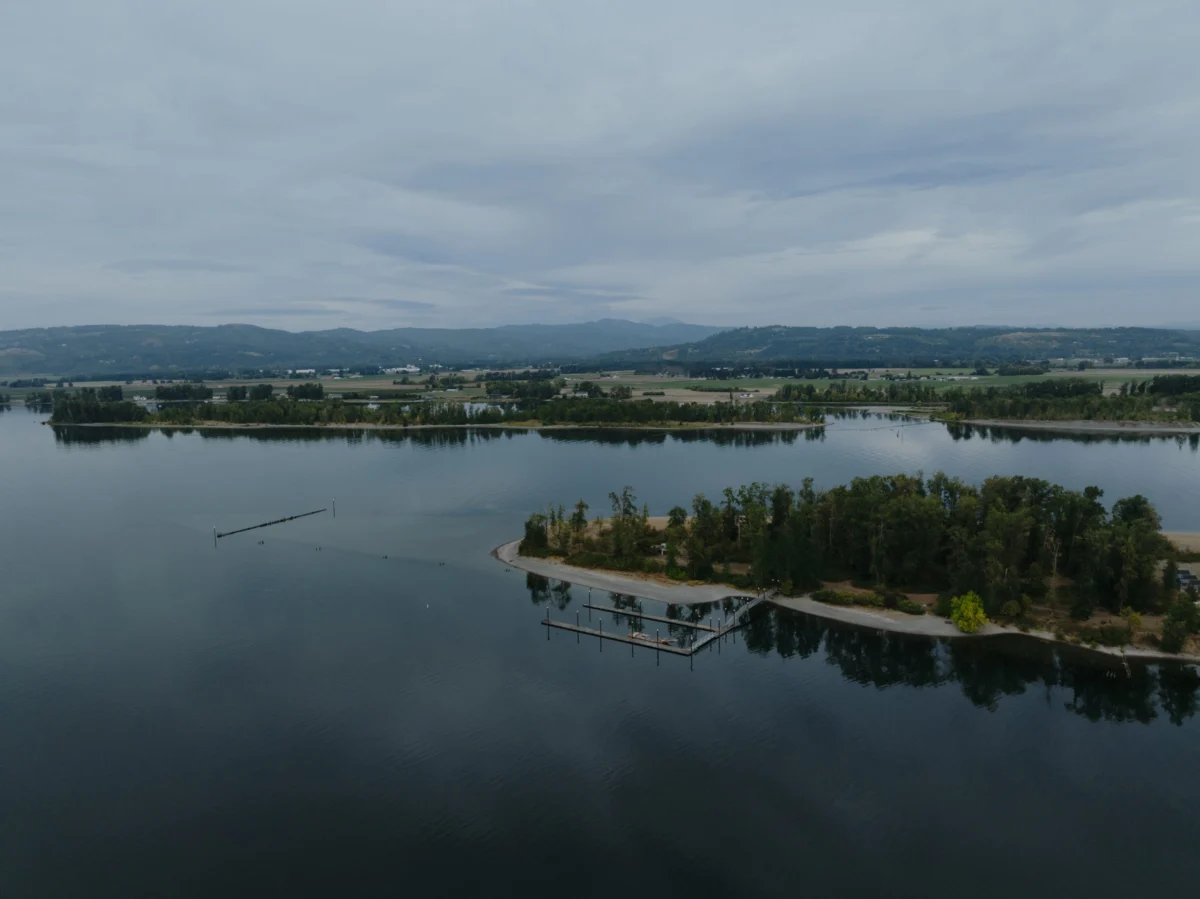
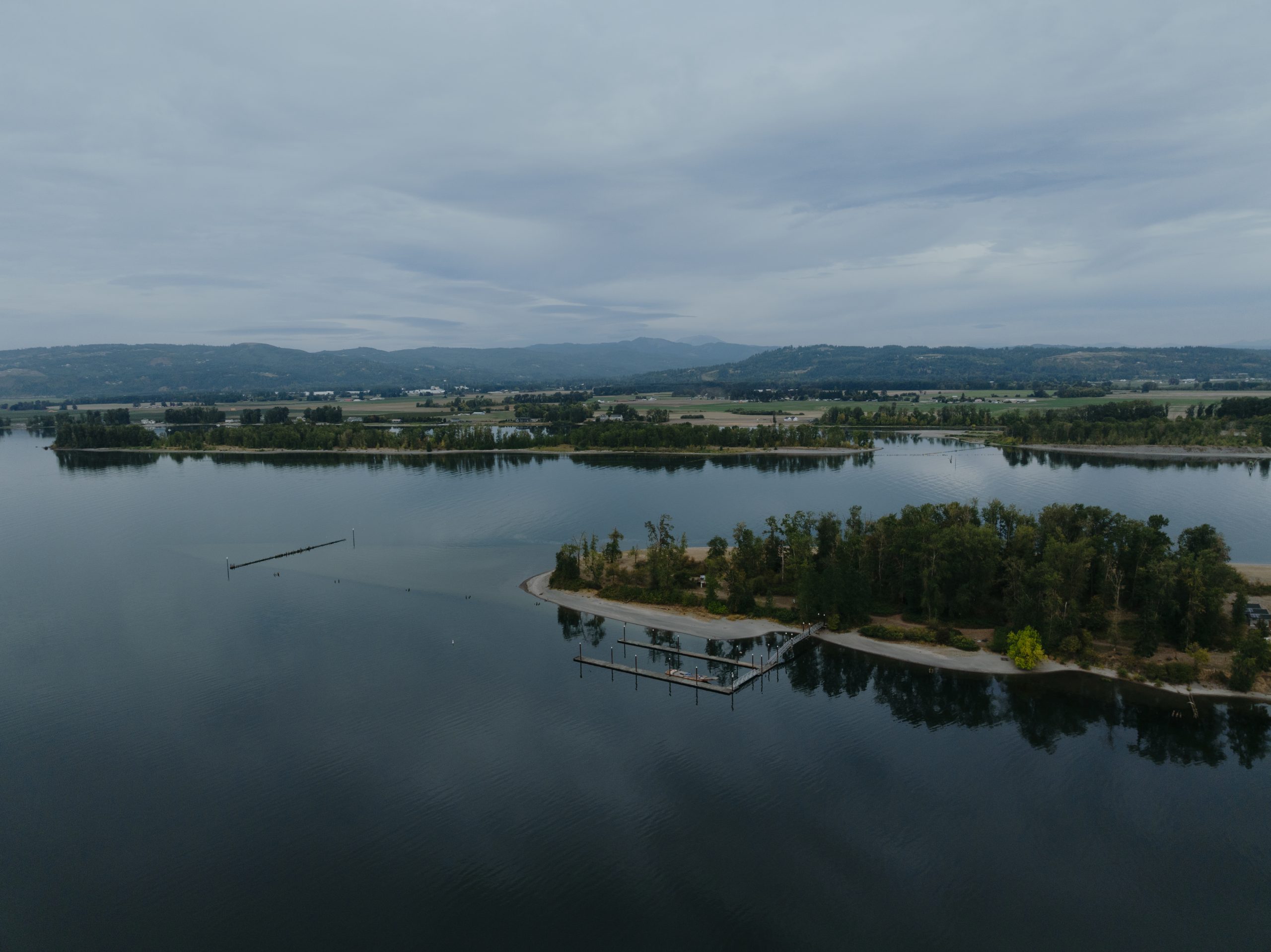
The sudden and tragic death of Tanya Bachman’s beloved border collie, Jax, on a scenic Columbia River island beach near Portland, Oregon, in August 2024 serves as a stark, heartbreaking illustration of a growing ecological danger: toxic cyanobacteria blooms. What began as a cherished family tradition—a birthday boat outing on the river—ended in unimaginable grief when Jax, after a brief, violent illness, succumbed to what veterinarians identified as poisoning from a potent algal toxin. The incident, occurring less than an hour after Jax began showing distress, underscores the insidious nature of these blooms and their escalating threat to both wildlife and humans.
Jax’s symptoms were swift and severe. After being released to play on an island beach, he returned to his owner with a drooping tail, a subtle sign that rapidly escalated into vomiting, convulsions, and ultimately, a loss of consciousness. Despite the desperate rush to a veterinarian, it was too late to save him, leaving Bachman and her family in shock and mourning. The veterinarian’s diagnosis pointed to cyanobacteria, commonly known as blue-green algae, likely ingested from a benthic bloom. This type of bloom, unlike the more commonly recognized surface-level planktonic blooms, forms on submerged surfaces like stream bottoms or logs and can detach, becoming a hidden hazard.
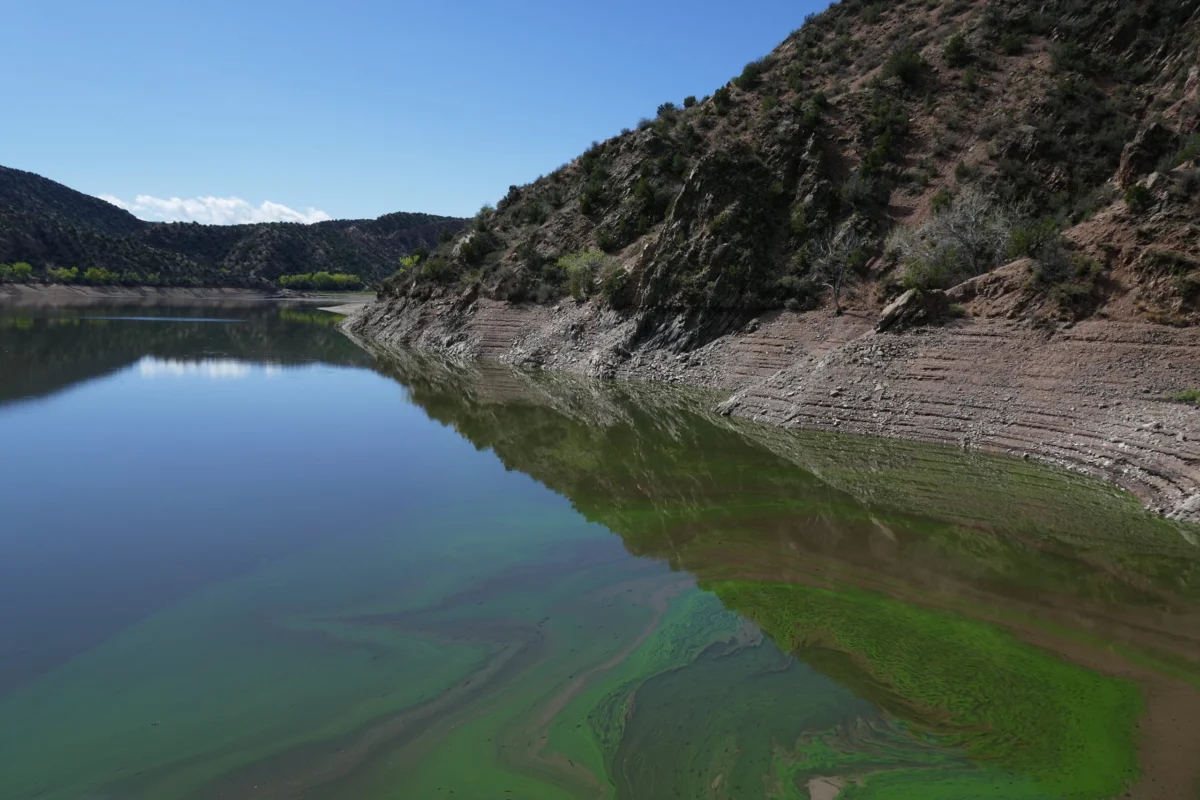
Benthic blooms, described as resembling "globs of snot," are a less familiar phenomenon to many in the Western United States compared to their planktonic counterparts, which often appear as a greenish film on the water’s surface, akin to floating grass clippings or spilled paint. However, the underlying organism, cyanobacteria, has existed on Earth for billions of years. Its proliferation is often triggered by an excess of nutrients, primarily nitrogen and phosphorus, which can enter waterways through agricultural runoff and air pollution. Scientists like Hannah Bonner, a professor and water scientist at Brigham Young University specializing in benthic cyanobacteria, note that climate change is exacerbating the problem. Warming water temperatures, particularly during hot, dry periods, create stagnant conditions that are ideal for algal growth, leading to more frequent and widespread blooms. This creates a cruel paradox: as the Western landscape warms, once-pristine, cool-water havens are transforming into potential danger zones.
The toxins produced by cyanobacteria in both benthic and planktonic blooms pose significant risks. For humans, direct contact can cause skin irritation, while ingestion can lead to nausea, vomiting, and in severe cases, liver damage. For animals, the consequences can be fatal. Pets, livestock, and wildlife that drink contaminated water or even lick their fur after coming into contact with it can suffer severe poisoning. Critically, standard backpacking water filtration systems are ineffective at removing these potent cyanotoxins, leaving those who rely on natural water sources vulnerable.
The increased awareness and monitoring of harmful algal blooms in Western states have largely been a reaction to severe incidents elsewhere. In 2014, a widespread toxic cyanobacteria bloom in Lake Erie caused a complete shutdown of Toledo, Ohio’s drinking water system, a stark warning that prompted many Western states to bolster their surveillance efforts. Wyoming initiated bloom monitoring in 2018, initially relying on satellite imagery before implementing on-the-ground water sampling in 2021. Utah intensified its monitoring program in 2016, recognizing the growing threat. California and Oregon have had monitoring programs for approximately two decades, among the longest-running in the West.
Data emerging from these and other monitoring programs indicate a disturbing trend: planktonic blooms are appearing earlier in the season, in more numerous lakes and reservoirs, and persisting longer into the autumn. While some of this increase might be attributed to enhanced detection capabilities, a comprehensive 2021 Environmental Protection Agency study corroborated the link between increased nutrient loads and the warming, drying effects of climate change in fostering more frequent and enduring blooms. Theodore Dreher, a professor emeritus of microbiology at Oregon State University, emphasizes that human activities, from altering land surfaces to introducing excess nutrients, are directly contributing to these environmental disturbances. Unlike climate change, where emissions can have far-reaching, diffuse impacts, nutrient pollution often has more localized sources, making it potentially more amenable to regulation. Utah, for instance, has implemented regulations targeting improvements at wastewater treatment facilities and offers voluntary incentives for managing agricultural runoff and restoring floodplains, efforts that have shown promise in reducing nutrient flow into bodies like Utah Lake, which was once notoriously plagued by severe blooms.
However, experts like Justin Hayes, Northern Rockies conservation director with American Rivers, caution that simply monitoring for blooms is insufficient; addressing the root causes requires robust water quality data. He urges states to adopt a more proactive approach, moving beyond mere warnings to actively seeking solutions. The challenges are compounded by the evolving nature of these blooms and their appearance in unexpected locations. Planktonic blooms are increasingly being detected in high-elevation lakes, far from typical pollution sources, potentially due to nutrient runoff from melting glaciers or atmospheric deposition of nitrogen and phosphorus from dust and air pollution, according to Bonner. Concurrently, benthic blooms may become more prevalent as declining snowpack leads to reduced snowmelt, and a decrease in monsoon rainstorms fails to effectively flush out algal mats. Bonner recounts encountering these blooms even in seemingly pristine mountain creeks during a recent trip.

While discouraging people from enjoying natural waterways is not the intended outcome, understanding how to identify these blooms is crucial. Bonner describes benthic blooms as "like a big ball of snot" and advises a simple test: poke the formation with a stick; if it reveals hairlike strands or fibers, it is likely not cyanobacteria or toxic. If it has a "boogery consistency," however, it is a strong indicator of toxic algae. In response to the escalating threat, more states are deploying warning signs, issuing email alerts, and publishing public health advisories to inform the public about the presence of toxic blooms.
Tanya Bachman continues to share her story with media outlets, driven by the hope that Jax’s tragic death can serve as a vital warning to others, protecting other beloved pets and potentially human lives. Her poignant reminder, "Everything upstream flows downstream," underscores the interconnectedness of waterways and the far-reaching consequences of pollution and environmental degradation. The incident on the Columbia River is not an isolated event but a symptom of a larger, escalating environmental crisis that demands urgent attention and comprehensive action.