Johny Prima
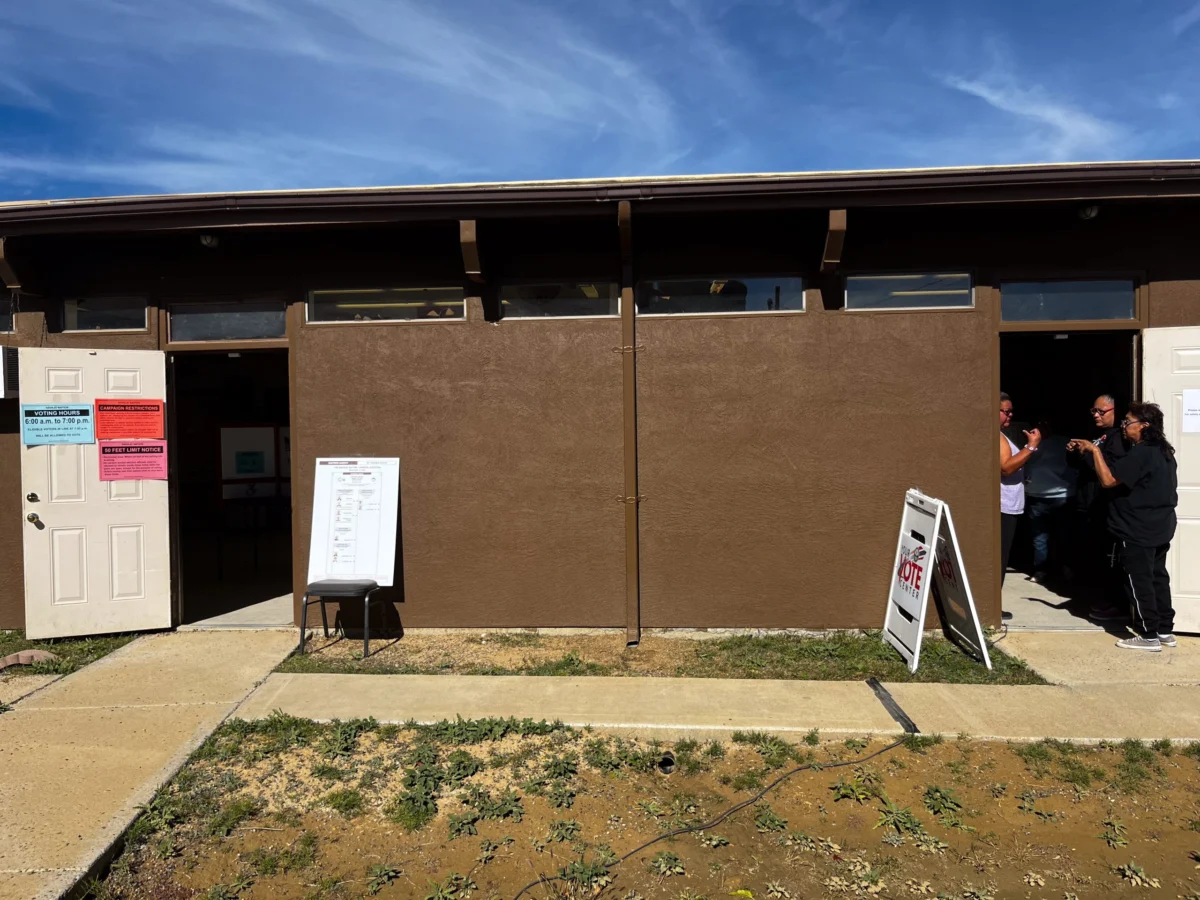
On a recent Election Day, a quiet yet profound act of democratic vigilance unfolded under an elm tree outside the Laguna Pueblo administrative building, where three University of New Mexico law students, distinct in their white hats, observed a steady stream of voters participating in state and tribal elections. These students, initially unfamiliar to the local community, quickly forged connections, explaining their presence as representatives of the Native American Rights Fund (NARF), a pivotal organization dedicated to safeguarding Indigenous voting rights. Grant Navakuku, a first-year law student from the Hopi-Tewa Tribe in Arizona, articulated their mission: "We are here just to make sure that the polls are running… abiding by rules that all polls are supposed to have. So, making sure that, like, if a voter comes here only with a tribal ID, that they’re able to still vote.” This simple assertion underscores a long-standing struggle for equitable access to the ballot box for Native Americans, a right often challenged by inconsistent regulations and systemic barriers.
Navakuku was one of 260 poll watchers trained by NARF and strategically deployed across eight states — Alaska, Michigan, Wisconsin, North Dakota, South Dakota, Nevada, Montana, and New Mexico — to report any issues compromising election integrity. His day began at the To’Hajiilee Chapter House on the Navajo Nation, where he noted no irregularities before joining fellow students Taressia Garcia and Darren Malanik at the Laguna site. Their observations largely reflected a smooth electoral process, characterized more by community spirit than by the widespread election interference that had generated national apprehension ahead of the U.S. midterm elections. This positive outcome was consistent across the states where NARF volunteers operated, with no major reports of potential Voting Rights Act violations reaching NARF lawyers. Despite persistent, unsubstantiated claims from figures like former President Donald Trump regarding voting machine irregularities, the reality on the ground for many American voters, particularly within Indigenous communities, demonstrated a safe and secure electoral experience. Garcia, a third-year law student from the Fort Mohave Tribe in California, affirmed this, stating, “We talked to some folks, and they haven’t had any issues with same-day registration or just being able to cast their vote. Everything went well.”

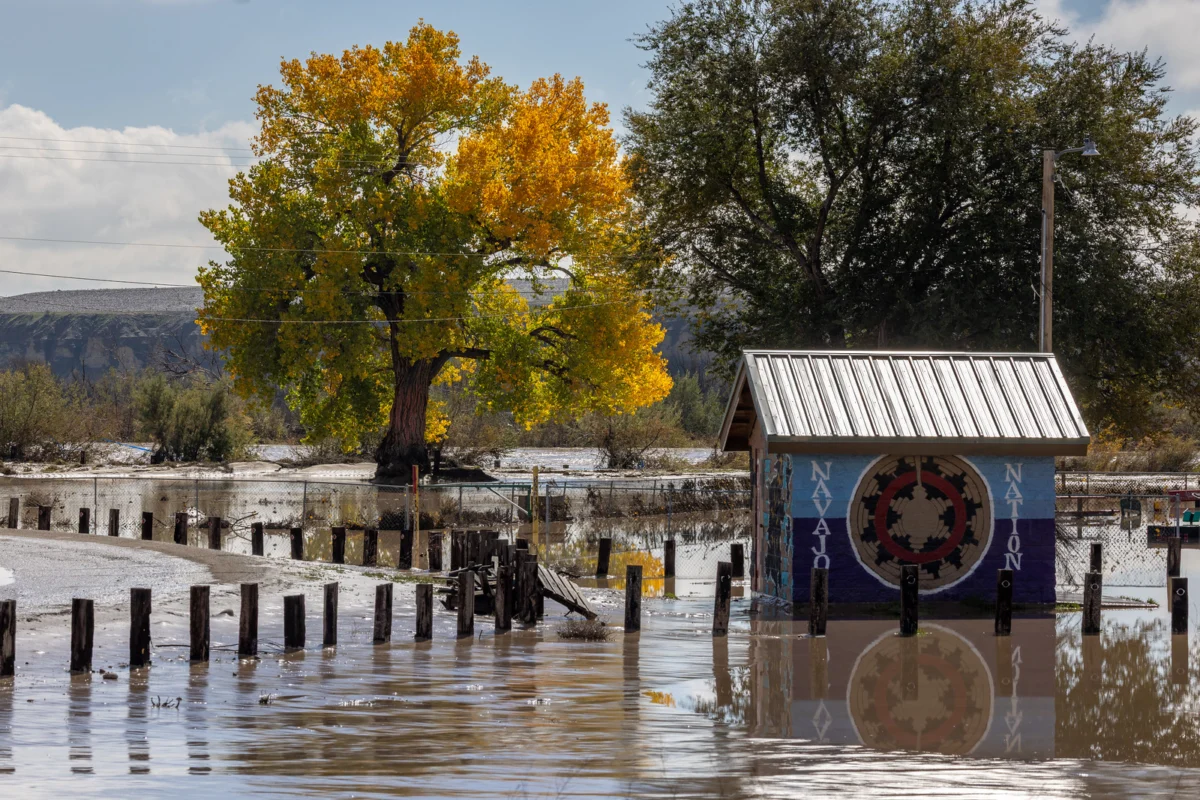
Indeed, many Indigenous voters demonstrated an unwavering determination to cast their ballots, highlighting the profound cultural and civic importance of participation. Just over an hour away from Laguna Pueblo, at the Casamero Lake Chapter Community, Navajo voter Tom McDonald exemplified this resolve. Despite recent flooding that devastated his livestock grounds and forced his usual polling site to consolidate with another, McDonald insisted on voting on Election Day. He expressed a deep-seated belief that early voting options, whether in-person or by mail, simply could not replicate the invaluable satisfaction of collective participation and communal solidarity experienced on Election Day itself. This sentiment underscores a broader pattern in many tribal nations, where voting transcends a mere civic duty, evolving into a cherished community event.
NARF, founded in 1970 by John Echohawk, a Pawnee citizen, emerged during a pivotal era for Native American self-determination, following the Civil Rights Movement and a renewed push for Indigenous rights. The organization’s foundational goal was to establish and uphold tribal sovereignty principles for practicing attorneys, advocating tirelessly for the inherent rights of tribal nations within the United States. As a non-profit and non-partisan entity, NARF partners with legal allies to hold governments accountable to their trust and treaty obligations, ensuring that Indigenous peoples’ rights are respected and protected under federal law. In 2016, NARF conducted an initial survey that meticulously documented persistent barriers faced by Native American voters, including inconsistent polling hours, restrictive voter ID laws that often fail to recognize tribal identification, and voter rolls that were purged without adequate notification. These findings spurred the creation of a robust election protection program, which has since trained hundreds of legal professionals on the specific legal protections afforded to Native American voters. A comprehensive report issued by NARF, incorporating data from the 2020, 2022, and 2024 elections, starkly concluded that these pervasive barriers significantly depress Native American voter turnout and diminish overall civic participation in their local governments, thereby weakening their collective voice in democratic processes.
The report critically highlights the unique geographical and infrastructural challenges faced by Indigenous communities: “Geographic isolation, unreliable mail service, nonstandard addressing systems, limited internet access, and inadequate polling resources all combine to make voting harder in heavily Native American counties than anywhere else in the country. The consequences are measurable.” These systemic issues, often overlooked in broader discussions of voter access, include vast distances to polling places, reliance on P.O. boxes rather than physical addresses, and a lack of high-speed internet crucial for accessing voter information and registration. Such disparities exacerbate the historical disenfranchisement of Native Americans, who, despite gaining full citizenship in 1924, continued to face state-level restrictions on their voting rights for decades.

NARF’s election protection program actively collaborates with national organizations like Common Cause and local Native vote initiatives across critical states such as Arizona, North Dakota, New Mexico, and Alaska. This vital work extends beyond on-the-ground get-out-the-vote campaigns, encompassing significant legal battles in courtrooms that seek to expand voter access in Indian Country. For instance, NARF lawyers are currently representing the Turtle Mountain Band of Chippewa Indians, the Spirit Lake Tribe, and other voters in North Dakota in a U.S. District Court case. This lawsuit alleges that a 2021 redistricting map is discriminatory and violates constitutional protections for Native voters in the state, effectively diluting their political power and undermining fair representation. Concurrently, on Election Day, NARF secured a pivotal free speech victory in a U.S. District Court in South Dakota. The case involved a Yankton Sioux Tribe member who was initially denied his right to vote for wearing a shirt emblazoned with "NATIVES Vote" in 2024. Judge Karen Schreier ruled the messaging nonpartisan, affirming the right of voters to wear shirts displaying "Native Vote," "Natives Vote," or "Get Out the Native Vote," a critical affirmation of cultural identity and civic encouragement at the polls. Even in areas grappling with internal political unrest, such as the Northern Cheyenne Tribe in Lame Deer, Montana, where a rogue tribal election by an ousted president had created significant turmoil, state election voting proceeded without incident at the Little Wolf Tribal Building, underscoring the distinction and protection of state ballot processes.
The dedication of volunteers, both Indigenous and non-Native, forms the bedrock of NARF’s program. Darren Malanik, a non-Native volunteer from Long Island on track to become a public defender in New Mexico, articulated his motivation: “I wasn’t too familiar with Native communities… Because I’m also not native to New Mexico, I think it’s also important for me to come out here and get to know the community members I may be representing and interacting with as a future lawyer.” His perspective highlights the critical need for cross-cultural understanding within the legal system, especially given that less than 1% of the 1.3 million active lawyers in the American Bar Association are Native American. This stark underrepresentation means that Native peoples, frequently navigating complex U.S. justice systems, rarely encounter Indigenous judges or lawyers, emphasizing the profound importance of programs that bridge this gap. Future Native scholars and legal professionals like Taressia Garcia and Grant Navakuku represent crucial exceptions to this trend. They both emphasize that the visible presence of election monitors for Native voters not only boosts confidence but also serves as a crucial reminder that Indigenous individuals possess the same voting rights as every other U.S. citizen, and that tribal identification is a legally valid form of identification for voting. Garcia succinctly stated, “One of the barriers to voting is just not understanding the process and making them aware of that.”
The skepticism encountered by Navakuku from other poll workers and campaign supporters at To’Hajiilee, a community within the Navajo Nation, was a tangible reminder of historical mistrust and the need for clear communication. As an Army National Guard veteran utilizing his G.I. Bill for his education, Navakuku calmly explained NARF’s mission, navigating initial wariness with professionalism. This local skepticism was not unfounded, given the broader context of federal election oversight. On Election Day, the U.S. Department of Justice deployed over 1,000 federal employees to monitor elections across every state, including at least 10 in Bernalillo County, New Mexico, where To’Hajiilee is located. New Mexico state representative Javier Martinez recounted the shift in local community alerts from immigration actions to notifications about federal agents at polling sites. He expressed a palpable sigh of relief upon learning that a judge had ruled against armed federal agents at polling places, and that DOJ monitors would be drawn from local attorney general’s offices and the Office of Personnel Management, essentially "bureaucrats." This nuanced approach to federal monitoring underscores the delicate balance between ensuring election integrity and respecting community autonomy. The subsequent resignation of Harmeet Dhillon, who led the Justice Department’s civil rights division poll-watching efforts, on November 5, after an 18-month tenure marked by courtroom losses in attempts to reform voting ahead of the midterm elections, further muddies the waters regarding the future operational scope of federal poll watchers.

This dynamic and often contentious environment preceding the midterm elections directly fueled NARF’s decision to expand its outreach to more tribal precincts in more states in 2026. The organization remains steadfast in its commitment to collecting comprehensive data on elections in tribal communities. This data is invaluable for identifying where systemic barriers persist and for developing targeted solutions to ensure complete compliance with the spirit and intent of the Native American Voting Rights Act, thereby securing truly equitable access to the democratic process. Despite the often-heated national rhetoric surrounding elections, NARF’s training prepares its volunteers for a more nuanced reality: major election violations at polling sites are rare. Navakuku himself recognized that he was more likely to receive invitations to share a meal with locals than to encounter incidents requiring a legal team’s intervention.
Indeed, many tribal precincts, such as To’Hajiilee on the Navajo Nation, embraced a vibrant, festival-like atmosphere outside their polling sites. Supporters for tribal presidential candidates erected tents, serving traditional mutton stew, blue corn mush, and frybread to anyone seeking a meal, while country music filled the air as people proudly displayed their "I Voted" stickers. This celebratory mood stood in stark contrast to the widespread voter fears that had dominated conversations in the weeks leading up to Election Day. Before driving back to Albuquerque to prepare for his next day of law school, Navakuku reflected on his experience, noting that acts of service are an inherent aspect of his life as a Hopi-Tewa person. “I understand that I am a part of something bigger than myself, but the reason why I came out here is because I saw that there was a need,” he stated. “I saw the organization, and what they were putting on, the mission that they were trying to fulfill. I thought I could lend a helping hand.” His words encapsulate the profound, deeply personal motivations driving these essential efforts to uphold the democratic rights and amplify the voices of Indigenous communities across the nation.