Johny Prima
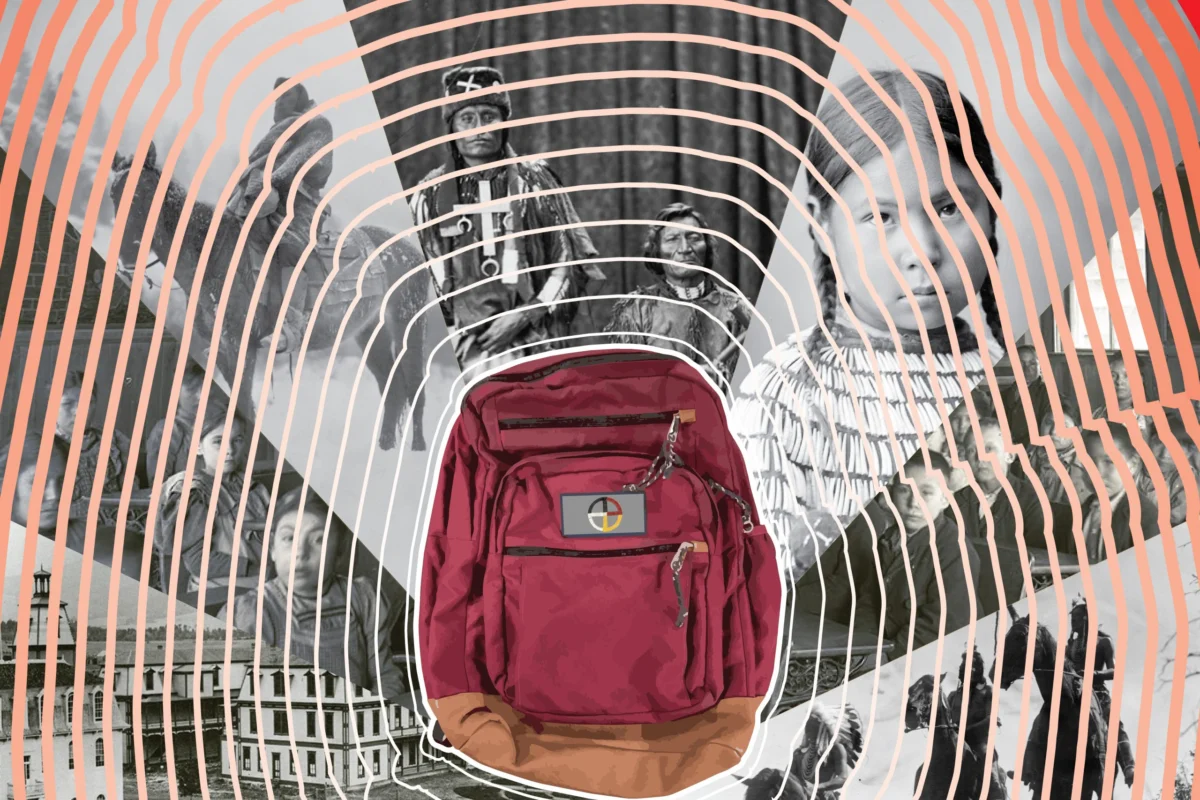
Montana, uniquely positioned as the only U.S. state with a constitutional mandate to educate its students on Native American cultures and contributions, recently reached a pivotal settlement in a lawsuit asserting widespread failures in upholding this foundational promise. This landmark agreement, involving the American Civil Liberties Union (ACLU), several sovereign tribal nations, the Native American Rights Fund (NARF), and a coalition of students and parents, underscores a critical commitment to transforming words on paper into tangible educational experiences for all Montanans. The legal challenge highlighted significant inconsistencies in the implementation of the state’s "Indian Education for All" (IEFA) program, a legislative effort designed to actualize the constitutional directive.
At the heart of this issue lies Article X of the 1972 Montana Constitution, a visionary document that guarantees equal educational opportunity for all while explicitly recognizing "the distinct and unique cultural heritage of the American Indians" and committing the state "in its educational goals to the preservation of their cultural integrity." This constitutional provision stands in stark contrast to most other state constitutions in the American West, which offer few explicit protections or acknowledgments for Indigenous cultures, with Hawai’i being a notable exception. Globally, this kind of constitutional recognition aligns Montana with a growing international consensus, reflected in instruments like the United Nations Declaration on the Rights of Indigenous Peoples (UNDRIP), which emphasizes the right of Indigenous peoples to establish and control their educational systems and to have their cultures, histories, and languages appropriately reflected in mainstream education.
To operationalize this constitutional promise, Montanans enacted the Indian Education for All (IEFA) statute in 1999. This legislation compels educators across the state to collaborate directly with tribal nations to develop curricula that comprehensively present "the cultural heritage and contemporary contributions of American Indians, with particular emphasis on Montana Indian tribal groups and governments." The stated objectives, as outlined by the Office of Public Instruction, extend beyond mere historical accounts, aiming to foster deep cultural enrichment, enhance academic engagement, and ensure equitable teaching practices for both Native and non-Native students. This holistic approach seeks to correct historical omissions and misrepresentations that have long plagued mainstream education regarding Indigenous peoples, moving towards an understanding of living cultures and contemporary governance structures.
Despite the clear constitutional and statutory framework, the promise of IEFA often remained unfulfilled in practice. Samantha Blencke, a senior staff attorney with the Native American Rights Fund, pointed out that while Montana did not lack the resources or legal clarity, its actions were inconsistent. More than half of the state’s public school districts, she noted, failed to provide sufficient Indian education, treating it as an optional program rather than a mandatory component of public schooling. This disparity prompted Alex Rate, legal director for ACLU Montana, to launch an investigation in 2019, driven by anecdotal reports of non-compliance and community outrage. The inquiry revealed a troubling pattern: while the state Legislature annually appropriated millions for Indian education, accountability for these funds was severely lacking. Many schools either did not report IEFA spending or misused the funds for unrelated expenses, such as general library books, a librarian’s salary, or even a football scoreboard, fundamentally betraying the spirit and intent of the constitutional mandate.
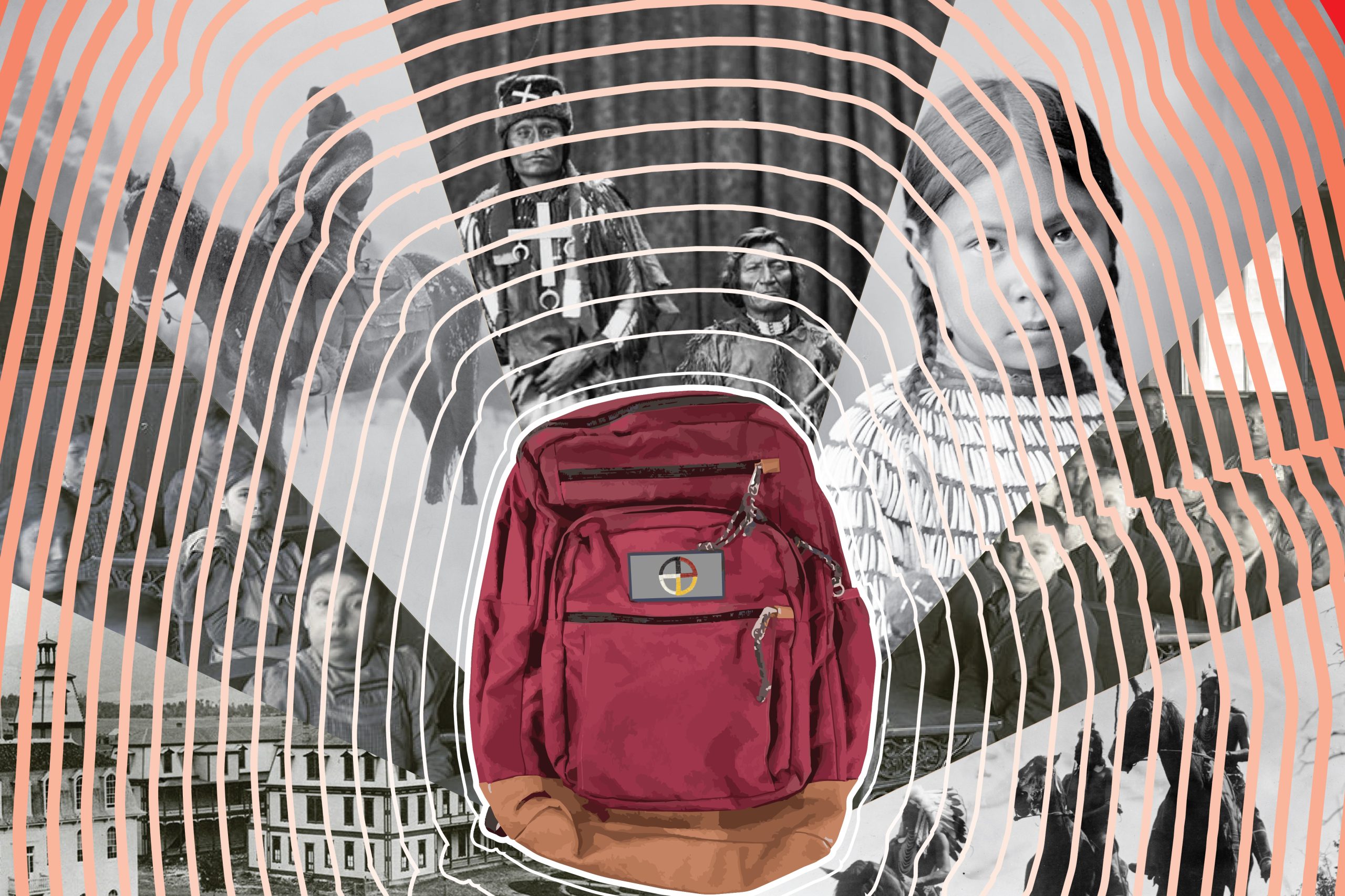
The findings catalyzed a collective desire for legal action, leading to a lawsuit filed in 2021 by several of Montana’s federally recognized tribal nations, including the Northern Cheyenne Tribe, Fort Belknap Indian Community, Fort Peck Assiniboine and Sioux Tribes, Confederated Salish and Kootenai Tribes, and the Little Shell Tribe of Chippewa Indians of Montana, with the Crow Tribe joining later. The plaintiffs, alongside parents and students, sought to hold the state accountable. Rather than pursuing individual school districts, the lawsuit strategically targeted the state-level agencies responsible for supervising public education: the Office of Public Instruction (OPI) and the Board of Public Education (BPE). This approach aimed to ensure statewide impact and to solidify the principle that the constitutional guarantees were not merely "words on paper," as Rate emphasized, but enforceable legal commitments.
The lived experience of Indigenous students underscores the profound importance of programs like IEFA. Jason Dropik, Executive Director of the National Indian Education Association (NIEA) and a member of the Bad River Band of Lake Superior Chippewa Indians, recounted his own limited education about Native people, confined to a single paragraph in a fourth-grade textbook, and the uncomfortable expectation that he, as a Native student, would serve as the sole educator. This experience is not uncommon, reflecting a pervasive lack of awareness in many communities across the West regarding the vibrant presence and contributions of Indigenous peoples. NIEA research indicates that while 92% to 93% of Native students attend public schools nationwide, the majority of their teachers, even in predominantly Native schools, are non-Native. Furthermore, Native students are three times more likely than the average American child to report fearing attacks at school, highlighting a critical need for environments that foster safety, identity, and belonging. Dropik stressed that a strong sense of identity and belonging is foundational for student safety, which in turn leads to better attendance and ultimately, greater educational attainment. He advocated for state leaders, districts, and schools to proactively build respectful, government-to-government relationships with tribal nations as the cornerstone of effective Indigenous education.
While Montana’s constitutional mandate sets it apart, other Western states have also begun to address Indigenous education through various legislative and departmental initiatives. Oregon and Washington, for instance, mandate collaboration with tribal nations on K-12 curricula. California and New Mexico have enacted comprehensive Indian Education Acts, while Arizona, Colorado, Idaho, and Alaska have established dedicated offices or departments to support Indigenous education initiatives. In 2018, Wyoming required its public schools to integrate the history, traditional culture, and contemporary contributions of Wyoming and regional Native American tribes into social studies content. Nevada has also seen legislative efforts regarding Indian education dating back to 1997, albeit with fluctuating funding and implementation. However, the constitutional bedrock in Montana provides a unique and powerful legal foundation that, as Rate noted, offers protections that "remain foundational" even amidst shifting political landscapes, making Montana’s model particularly instructive.
The recent two-part settlement, finalized with the Board of Public Education in May and the Office of Public Instruction last month, represents a significant victory. It explicitly affirms the state’s responsibility for overseeing IEFA implementation at both district and individual school levels, a responsibility Montana initially denied. The settlement’s terms focus not on monetary damages but on systemic improvements: mandating comprehensive teacher training, establishing clear spending documentation requirements and audits, and, critically, ensuring direct tribal consultation on curriculum development. Neither state agency admitted wrongdoing, yet both agreed to undertake more active oversight to ensure compliance. Blencke highlighted this accountability framework as a "useful model for other states," emphasizing that legal or policy statements alone are insufficient; robust systems for responsibility, evidence, compliance review, and consequences for non-compliance are essential. This framework, she added, strongly emphasizes the necessity of building enduring government-to-government relationships between state government and tribal nations, recognizing their inherent sovereignty.
Montana Superintendent Susie Hedalen, who leads the OPI, expressed satisfaction with the agreement, stating, "I am pleased that an agreement has been reached in this five-year lawsuit and that we can move forward with ensuring every Montana student receives authentic instruction on our state’s tribal nations." Michael Dolson, Council Chairman of the Confederated Salish and Kootenai Tribes, echoed this sentiment, calling the settlement "a long overdue step toward honoring the promise that Montana made to its students in 1972," and emphasizing that "Indian Education for All builds the understanding and respect that all of our communities need." Tim Tharp, Chair of the Board of Public Education, while declining further comment for this story, previously stated that the board’s "time and efforts are better spent working to improve education for all students in Montana and not arguing in court." This collaborative approach, rooted in mutual respect, is precisely what Dropik advocates, urging state entities to approach tribal nations with a spirit of partnership and curiosity, rather than transactional interactions. When the common good is elevated through shared understanding and respect, he concluded, everyone ultimately benefits, fostering a more informed, equitable, and cohesive society.