Rocky Georgio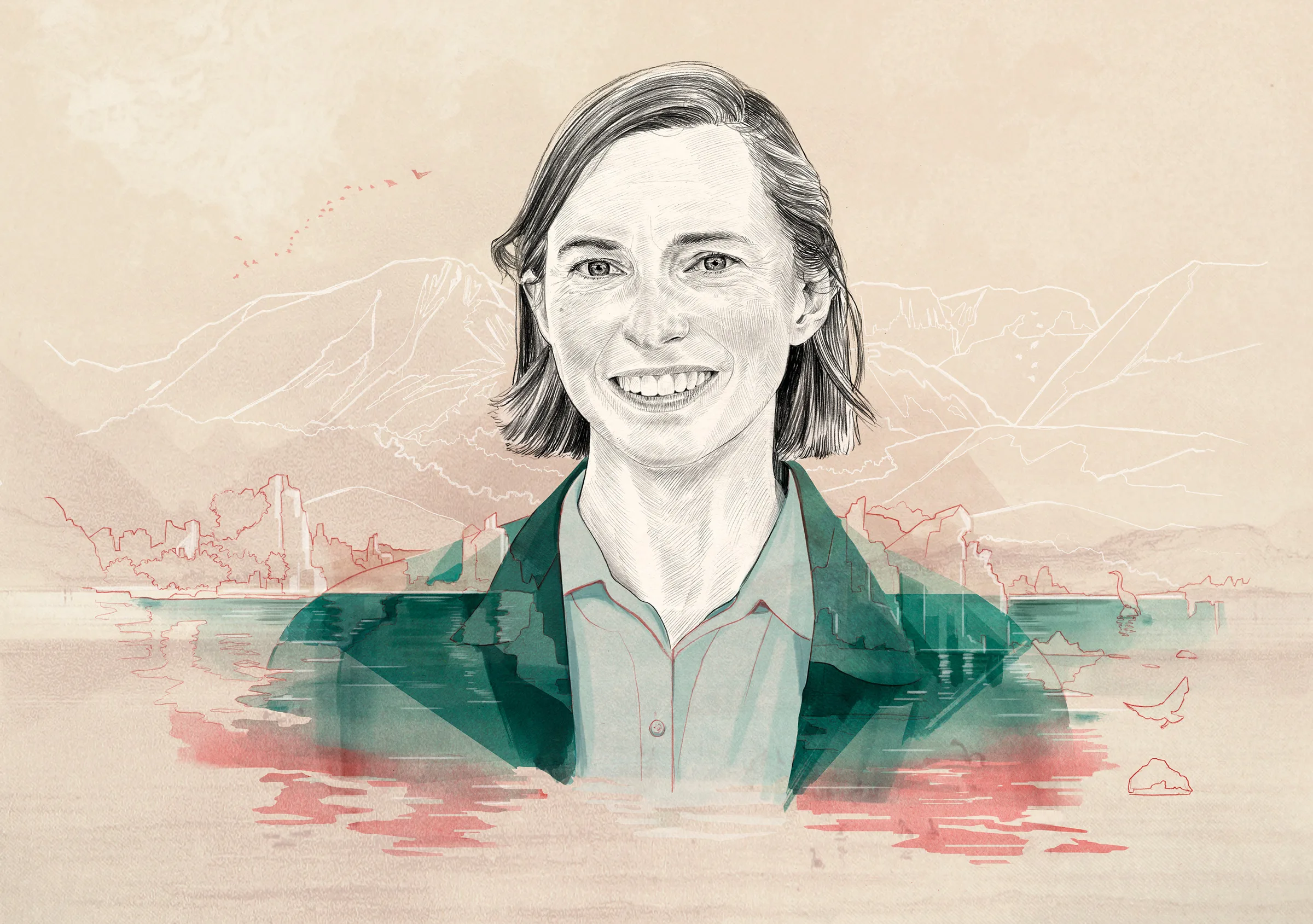
Caroline Tracey’s first encounter with a salt lake, California’s Salton Sea, began with a disturbing crunch underfoot, revealing a landscape carpeted with fish skeletons. Yet, as she moved closer to the water’s edge, the initial impression of desolation dissolved, replaced by the vibrant reality of an avian sanctuary teeming with sandpipers, plovers, and snowy egrets. This profound initial experience became a cornerstone for Tracey’s understanding of these unique environments, as she notes in her new book, "Salt Lakes: An Unnatural History." She learned that places initially perceived as bleak or uninviting often harbor a hidden vitality and complexity, revealed only through closer observation and engagement.
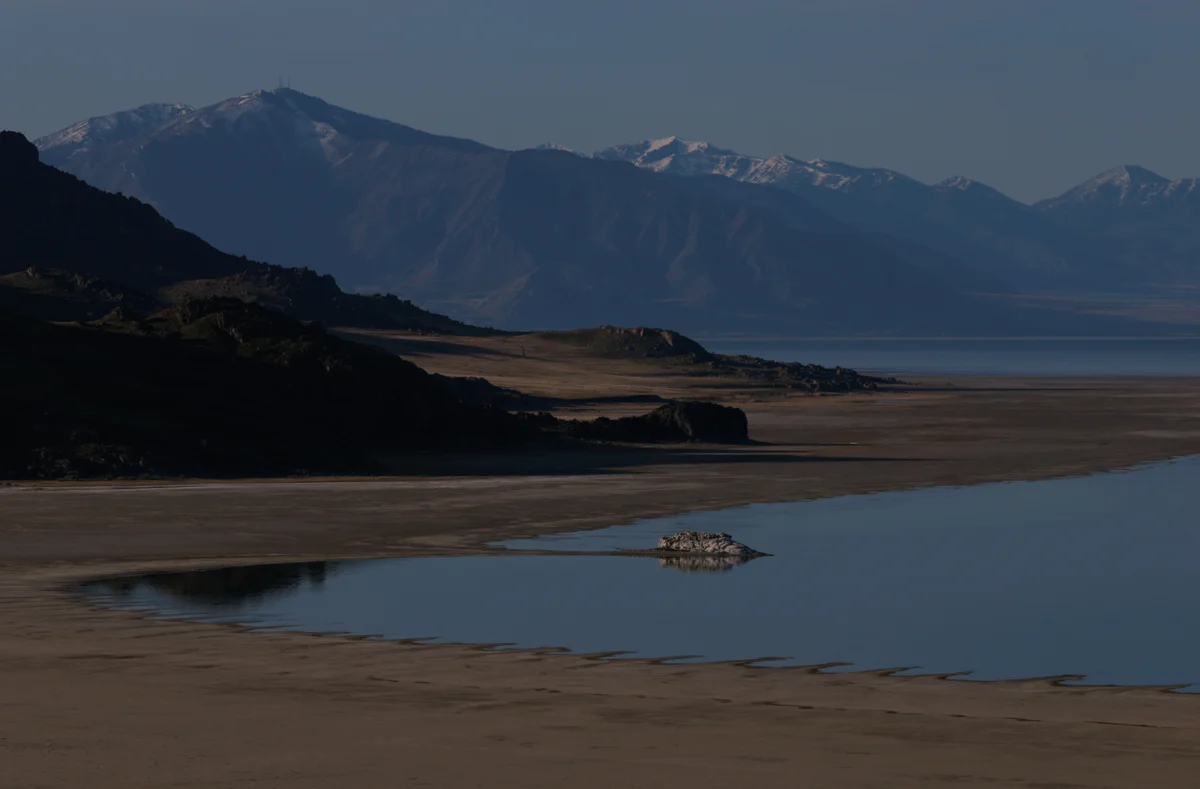
Published on March 17th, Tracey’s debut work serves as a compelling exploration and celebration of these often-overlooked and imperiled ecosystems. Drawing on her background as a geographer and her extensive work with High Country News, she illuminates the existence of numerous salt lakes scattered across the globe. These shimmering bodies of water, frequently situated in remote desert valleys, are characterized by their striking pinkish algal blooms and the presence of salt-tolerant shrimp. However, a confluence of factors, primarily driven by agricultural water consumption and the escalating impacts of climate change, is precipitating the desiccation of nearly all these saline aquatic systems, posing significant threats to global biodiversity and human well-being.
Tracey’s extensive fieldwork has taken her across the vast Great Basin region, as well as to Kazakhstan, Mexico, and Argentina. In her book, she meticulously documents both the alarming shrinkage of these vital lakes and the diverse array of communities actively engaged in their preservation. Beyond its environmental focus, "Salt Lakes" functions as a deeply personal narrative, weaving together her journalistic findings with her own journey of self-discovery. The book chronicles her coming into queerness, detailing how her encounters with literature and the natural world, particularly these unusual landscapes, informed her understanding of her own desires and values. The result is a work that is at once personal, pragmatic, and imbued with a cautious optimism, offering a thoughtful meditation on navigating a world undergoing rapid and profound transformation.
In a recent conversation with High Country News, Tracey delved into the multifaceted challenges confronting salt lakes, the innovative solutions emerging to safeguard them, and the unique insights queerness offers in confronting the losses wrought by climate change.
Tracey’s book represents a decade of contemplation and writing about salt lakes, a subject that clearly captivated her. When asked about the source of this fascination, she explained that her initial encounters with these lakes in the Great Basin were visually arresting. Due to the high concentration of dissolved minerals, salt lakes possess a remarkable ability to reflect the sky, often with greater intensity than freshwater bodies. This striking beauty in arid landscapes served as a long-standing allure. Her research then drew her deeper into the complex histories of water diversion that have profoundly impacted these lakes, revealing that understanding salt lakes is inseparable from comprehending the historical role of agencies like the Bureau of Reclamation and the expansion of irrigation in the American West. More recently, the burgeoning activism aimed at their protection has provided her with a much-needed sense of optimism, a sentiment often elusive for environmental journalists.
Despite being a narrative about ecological degradation, the book is notably hopeful. Tracey posits that the decline of salt lakes is, in comparison to many other ecological restoration challenges, a problem with potentially solvable dimensions. Her optimism stems from the fundamental geology of salt lakes: they form in closed basins where water inflow is insufficient to counteract evaporation. Historically, the primary driver of their decline has been water diversion for agricultural purposes, particularly for crops like alfalfa and cotton. Consequently, a straightforward yet impactful solution involves reducing the cultivation of such water-intensive crops in arid regions, thereby allowing more water to reach basins like the Great Salt Lake. However, the accelerating impacts of climate change, characterized by diminished snowpack, have introduced a more complex dynamic, reducing the overall water availability and exacerbating the decline.

Despite these challenges, Tracey highlights several promising initiatives being implemented to protect salt lakes. The Clean Air Act, for instance, is proving to be a crucial tool. As salt lakes recede, they generate significant amounts of dust, leading to severe respiratory issues in nearby communities, such as those surrounding California’s Salton Sea. Holding entities responsible for lake desiccation accountable under environmental regulations is therefore a vital strategy.
Furthermore, the Public Trust Doctrine, which posits that governments are stewards of the nation’s water bodies, is gaining traction. In California, a successful lawsuit brought by residents argued that the state must uphold this doctrine and actively protect its salt lakes. This assertion of a shared public value in state-managed water resources is considered a powerful catalyst for change. The Zuni Salt Lake in New Mexico serves as another inspiring example, with a successful "LandBack" initiative offering a model for similar efforts concerning various land and water resources across the country. Additionally, a dedicated group of environmental humanities scholars, with expertise in Mormon scripture, are actively involved in advocating for the Great Salt Lake. Tracey suggests that by embracing religious concepts of the sacred, individuals can cultivate a deeper connection to place, extending beyond purely aesthetic appreciation or abstract environmental concerns.
As Tracey traces the threats to salt lakes and the movements to save them, she concurrently narrates her personal journey of coming into queer adulthood in the American West. She acknowledges a long-standing intention to integrate a coming-of-age narrative and a critical examination of womanhood into her book. Her research into salt lakes unexpectedly revealed them as vibrant centers of queer ecology. She points to brine shrimp, capable of reproducing in multiple ways, and the reversed mating cycle of phalaropes, where the more prominent females pursue males who then undertake parental duties, as compelling examples of nature’s diverse expressions.
Ecology broadly recognizes biodiversity as a fundamental good, advocating for maximum complexity within ecosystems. Tracey draws a parallel to queer theory, asserting that a diversity of life experiences is equally valuable and that society benefits from embracing a wide spectrum of diversity and complexity.
Tracey’s experience of queerness has profoundly reshaped her perspective on climate change, loss, and the potential for recovery. She observes a natural synergy between queerness and writing, both of which often position individuals as observers slightly apart from mainstream society. For thinking about environmental issues, queerness offers the crucial understanding that alternative ways of life are not only possible but desirable. This perspective challenges the prevailing consumerist ethos, suggesting that humanity need not maintain the consumption levels of previous generations.
Historically, conservation efforts have often prioritized the preservation of pristine wilderness. Queer ecology, however, introduces a vital intervention by recognizing the significant ecological and biodiversity value inherent in highly altered landscapes.
Some salt lakes, like the Great Salt Lake, persist year-round, while others are ephemeral, appearing primarily after significant storms or spring snowmelt and otherwise existing as dry salt flats. Tracey found one of the most impactful shifts in her thinking during her book’s research was moving from focusing solely on perennial lakes to contemplating the lessons offered by ephemeral ones, particularly in the context of climate change. As more permanent water bodies face the likelihood of becoming ephemeral, she prompts reflection on what it means to embrace and live harmoniously with transience.