Rocky Georgio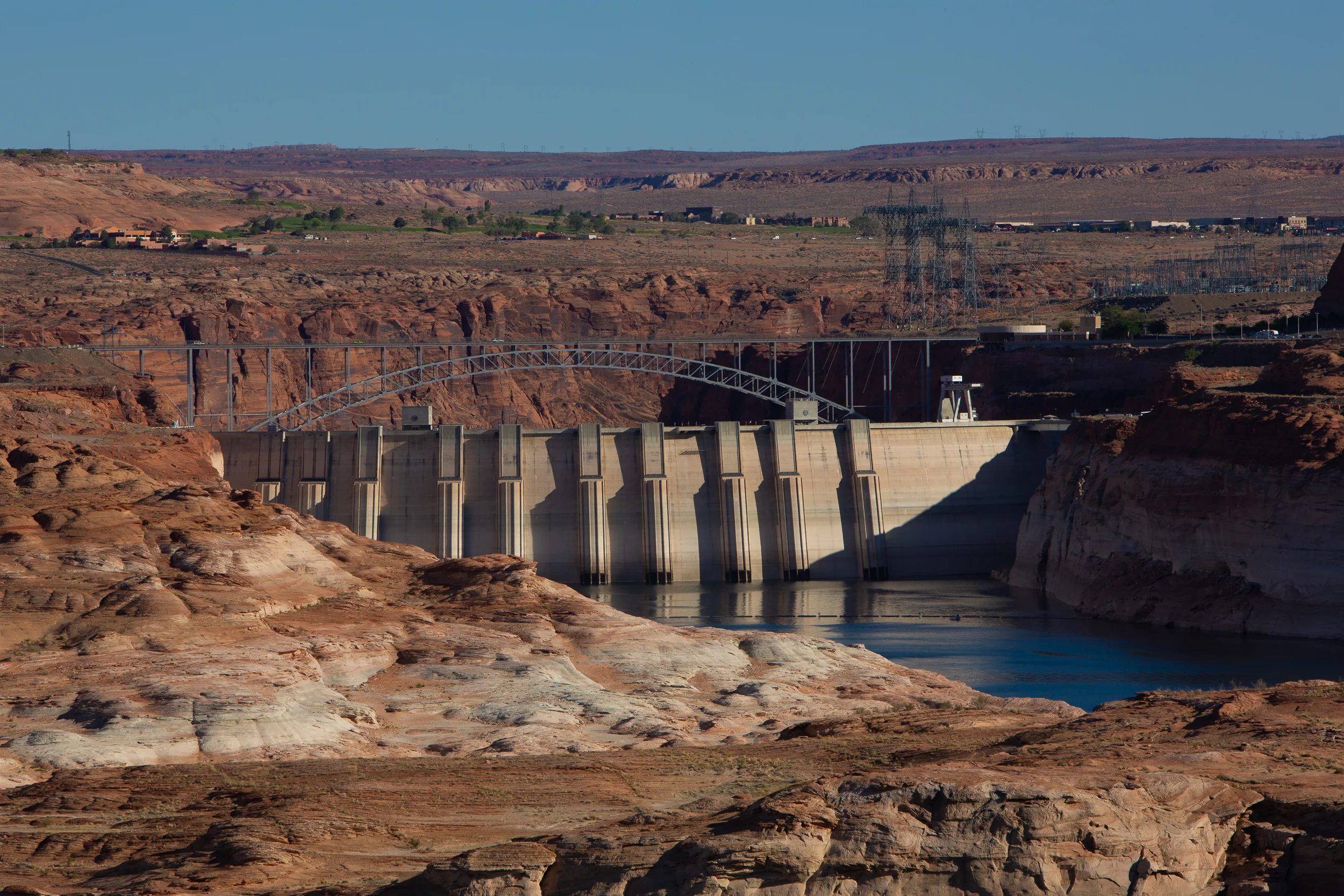
The architect of Glen Canyon Dam, Floyd Dominy, former commissioner of the federal Bureau of Reclamation in the 1960s, could not have fully anticipated the current climate crisis when he oversaw its construction, a crisis characterized by dwindling snowpack, soaring temperatures, and persistently low water levels in Lake Powell. However, Dominy and his engineering team possessed the foresight to recognize, and arguably should have addressed, the inherent design limitations that would leave the dam with little operational flexibility in the face of a severe water supply crisis impacting the Colorado River and its watershed. For decades, a state of mounting crisis has gripped the Colorado River, as various entities vie for its rapidly diminishing flows, leading to increasingly contentious negotiations. This situation has recently entered a particularly perilous phase, marked by missed deadlines and postponed decisions. A crucial November 11 deadline for the seven basin states—California, Arizona, Nevada, Utah, New Mexico, Colorado, and Wyoming—to agree on a new management plan passed without resolution, deferring the decision to the federal government, a prospect none of the states welcomed. Compounding the complexity, thirty Native American tribes, who hold significant water rights to the river, have historically been and continue to be excluded from these critical discussions.
The federal government, rather than imposing its own management plan, opted to delay the decision until February 14, a move that surprised no one familiar with the long-standing pattern of unmet deadlines and unfulfilled ultimatums on the Colorado River. Despite decades of declining reservoir levels and clear scientific warnings about global warming and prolonged drought, the region has seen only temporary conservation measures and minimal permanent changes in water usage across the Colorado River Basin.
For years, the seven basin states have been drawing more water than the river naturally provides, relying on surpluses accumulated in Lake Mead and Lake Powell during the wetter decades of the 1980s and 1990s. This practice was enabled by entitlements established in the 1922 Colorado River Compact, which was based on an overestimation of river flows, effectively creating a fictional water supply that has fueled ongoing conflict. This "savings account" is now depleted, with both Lake Mead and Lake Powell hovering below 30% capacity and continuing a downward trend. Global warming has exacerbated the situation, contributing to a 20% decline in the river’s flow this century compared to long-term annual averages, with projections indicating further reductions as the climate continues to warm.
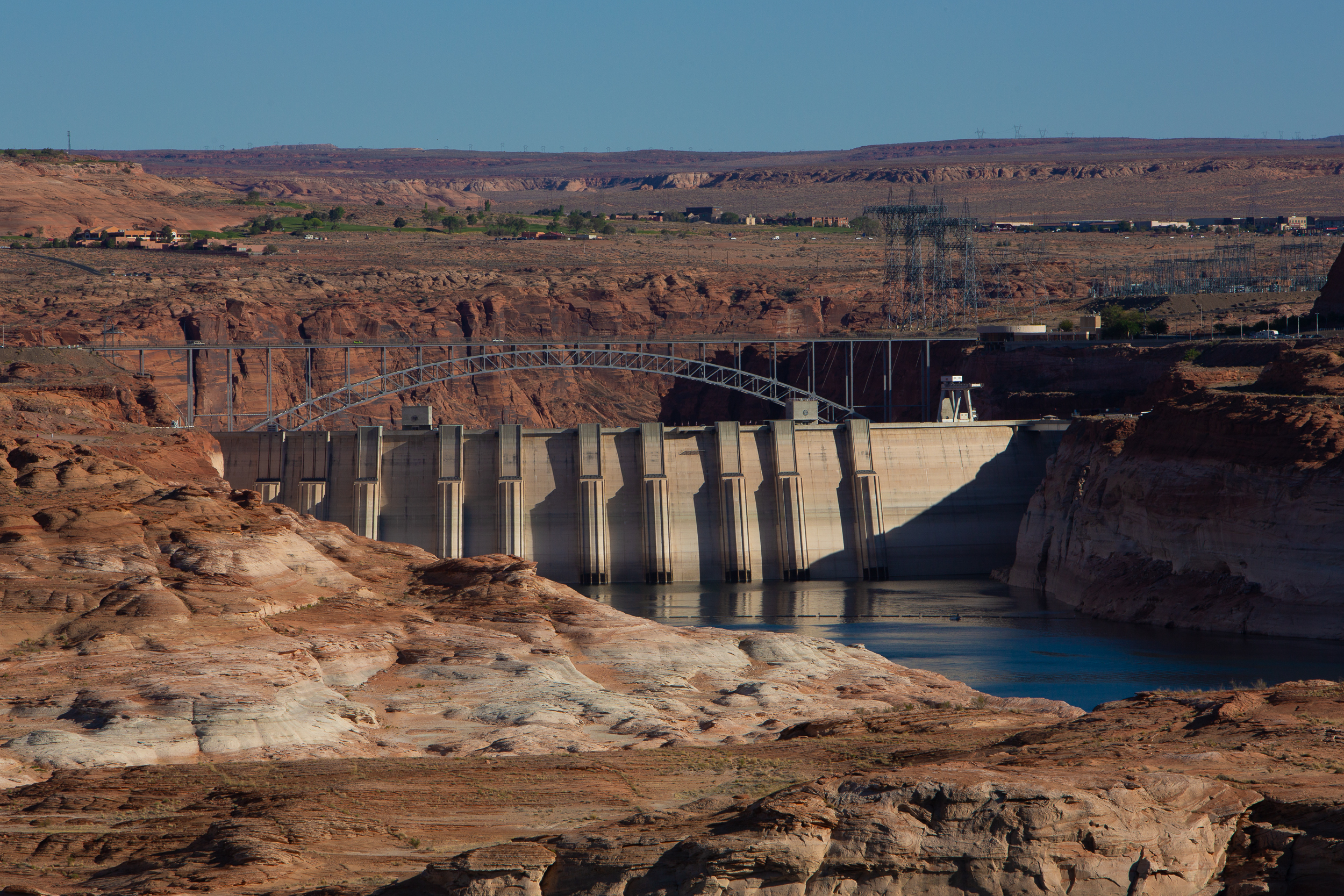
The physical infrastructure designed to manage the Colorado River’s water is now approaching its own critical and potentially catastrophic failure point. The Bureau of Reclamation has acknowledged this only indirectly, with a brief mention in a technical memorandum from 2024. The declining water levels in Lake Powell are exposing deeper issues within Glen Canyon Dam, the structure that impounds the river and forms the vast reservoir. Completed in 1963, the 710-foot-tall dam was engineered for a more stable climate, overlooking the Colorado River’s well-documented volatility, characterized by extreme floods and extended droughts. The Bureau, driven by Cold War confidence or perhaps hubris, downplayed these risks. During the record-breaking El Niño winter of 1983, the dam narrowly avoided overtopping due to a combination of mismanagement and its limited spillway capacity for handling major flood events. Only the temporary installation of plywood sheets across the spillway crest and a fortunate cooler spell that slowed snowmelt prevented a disaster.
Currently, the dam faces a threat not from excess water, but from its scarcity. In March 2023, Lake Powell’s water level dropped to within 30 feet of the "minimum power pool," the lowest level at which the dam’s generators can operate. At 3,490 feet above sea level, minimum power pool is just 20 feet above the generators’ intakes, known as penstocks. However, operating the dam’s eight turbines below this level risks cavitation, a phenomenon where air is drawn into the penstocks, creating explosive bubbles that can cause severe damage to the dam’s internal components.
The consequences of reaching minimum power pool are dire. Once the penstocks must be shut down, the only remaining method for releasing water through the dam is via the river outlet works (ROWs). These consist of two intakes on the dam’s rear face feeding four 96-inch-diameter steel pipes, capable of discharging a maximum of 15,000 cubic feet per second. However, these bypass tubes suffer from a significant design flaw: they are not intended for prolonged use and begin to erode when reservoir levels are low.
In 2023, during a high-flow release into the Grand Canyon at low reservoir levels, damaging cavitation occurred in the ROWs, and the Bureau has warned of further issues with extended operation. In practice, safe releases downstream may be substantially less than the stated capacity, and any signs of cavitation could necessitate a complete shutdown of the tubes. Such a scenario would render the dam incapable of meeting its legal downstream delivery obligations, imperiling the water supply for the 25 million people and billions of dollars in agriculture that rely on the Colorado River. This places Lake Powell, and by extension the entire Colorado River system, perilously close to operational failure.

Should reservoir levels fall to the elevation of the ROWs, 3,370 feet above sea level, Lake Powell would reach "dead pool." At this point, water would only pass through the dam when the river’s inflow exceeds the reservoir’s evaporative losses. No intakes or spillways exist below the ROWs, meaning there is no mechanism to release the substantial volume of water still held within the dam’s structure. Approximately 1.7 million acre-feet of water would become trapped, stagnant, and prone to algal blooms and anoxia. The lake’s surface level would fluctuate dramatically, potentially by as much as 100 feet in a single season, due to the reservoir’s unique martini-glass shape.
The cessation or severe reduction of water flow through Glen Canyon Dam would trigger an unprecedented crisis, impacting major population centers, some of the world’s largest economies, and delicate ecosystems extending to the Gulf of California in Mexico. The Lower Basin states—California, Arizona, and Nevada—highlighted these concerns in a recent letter to Interior Secretary Doug Burgum, arguing that the Bureau’s omission of the dam’s plumbing issues in its current environmental impact statement for post-2026 operations violates federal law. The letter asserted that addressing these infrastructure limitations might be the most effective long-term measure to improve the operation and management of Glen Canyon Dam. To date, the Bureau has not issued a formal response.
It is increasingly evident that Glen Canyon Dam requires modifications to meet its legal and operational mandates, with careful consideration for the health of the ecosystems within Glen Canyon and the Grand Canyon. The most effective strategy to avert operational failure and the associated economic and ecological devastation involves re-engineering the dam to allow for the passage of the river at its natural level, enabling the transport of sediment into the Grand Canyon.
Remarkably, Floyd Dominy himself proposed a straightforward solution. In 1997, he sketched on a cocktail napkin a concept for new bypass tunnels drilled through the soft sandstone surrounding the dam, equipped with waterproof valves to regulate water and sediment flow. This approach, akin to open-heart surgery for the Colorado River, which is currently on life support, offers a pathway to a healthier future. Dominy’s signed napkin, now in the possession of Richard Ingebretsen, founder of the Glen Canyon Institute, serves as a conceptual blueprint for a sustainable Colorado River system.

However, the window for action to avoid dead pool is rapidly narrowing, especially considering the extensive time required for government study, design, and implementation of any remedial measures. The erosion of federal agency expertise and capacity during the Trump administration further amplifies the urgency of this issue. Regardless of any decisions made on February 14, federal authorities and basin states must move beyond water disputes and focus on constructing a lasting and sustainable future for the Colorado River.