Roger Danuarta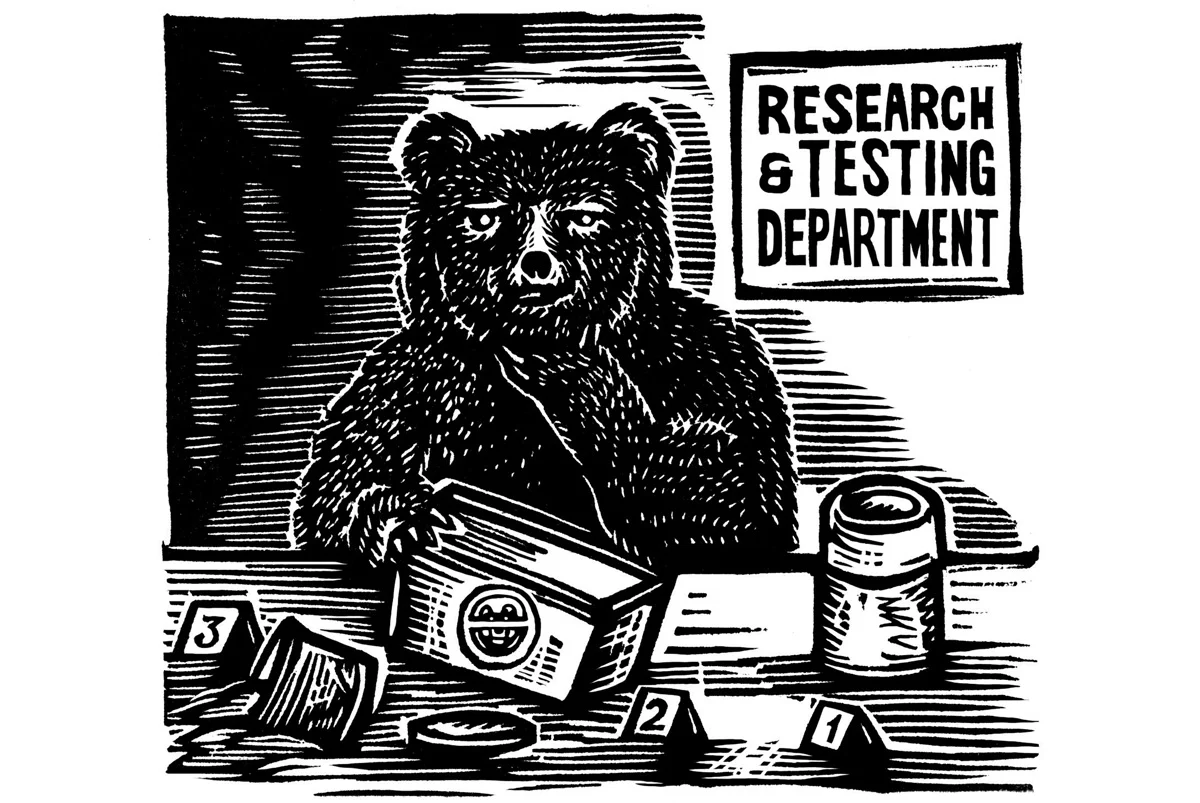
In a modern-day echo of an iconic 1970s commercial featuring a tenacious gorilla challenging luggage durability, scientists at the Washington State University (WSU) Bear Research, Education and Conservation Center are employing a far more formidable panel of product testers: grizzly bears. This unique facility, established in 1986 and recognized as the sole grizzly bear research center of its kind in the United States, is leveraging its captive bear population not for mere spectacle, but for crucial conservation and public safety initiatives. While initially founded to gather invaluable data on bear physiology, behavior, and genetics to inform the management of wild grizzly populations, its mission has expanded to include rigorously evaluating the "bear-resistant" qualities of outdoor equipment. This shift acknowledges the growing interface between human recreation and wildlife habitats, where poorly secured food and scented items can lead to dangerous human-bear encounters and, often, fatal outcomes for the bears involved.
The center’s specialized evaluation program, which began testing food containers for various companies in 2022 and has now broadened its scope to a wider array of camping equipment, addresses a critical need in outdoor safety. Unlike the fictional gorilla, these grizzlies bring instinctual power and intelligence to their task, providing real-world insights into product vulnerabilities. Chelsea Davis, a four-year veteran at the center, meticulously prepares each test, strategically placing "something smelly, something noisy, and something oozy" inside products to maximize the bears’ motivation. This multi-sensory approach ensures a comprehensive challenge, mimicking the varied attractants that might draw a bear in the wilderness.
Each of the center’s grizzly residents exhibits a distinct problem-solving methodology, offering a diverse testing panel. Kio, for instance, demonstrates a remarkable ability to exploit structural weaknesses, gaining entry into any cooler with thin plastic walls. Zuri, a younger and perhaps more direct bear, prefers a forceful approach, often flinging items against enclosure walls until they yield. Luna, meanwhile, employs a technique Davis describes as "CPR," using her immense weight and strength to compress and smash products. Intriguingly, observations reveal a notable difference in persistence between the sexes: female bears at the center tend to exhibit greater tenacity in breaking into containers, often working for longer periods to find a solution, while their male counterparts, if unsuccessful within approximately five minutes, typically lose interest and move on. These behavioral nuances provide manufacturers with invaluable feedback, allowing them to design equipment that can withstand not just brute force, but also sustained, intelligent effort. The research is vital for equipping outdoor enthusiasts with reliable gear, reducing the risk of accidental food conditioning in bears, and ultimately fostering coexistence in shared landscapes. It underscores a global imperative to mitigate human-wildlife conflict, ensuring both human safety and the long-term survival of iconic species like the grizzly bear, which continues to face pressures from habitat fragmentation and human encroachment across North America.
Meanwhile, a deeply rooted community landmark in Washington state has yielded to the march of progress. The venerable Graffiti Rock, a 100-ton boulder that served as an informal public message board for six decades along Interstate 5 near Bellingham’s Samish Way exit, was recently broken into fragments and removed by the Washington State Department of Transportation (WSDOT). The decision, though met with considerable local dismay, underscores the often-conflicting demands of infrastructure development and community sentiment. Keith Cook, the manager of the boulder’s dedicated Facebook page and a passionate advocate for its preservation, articulated the community’s profound sense of loss, comparing the rock’s destruction to "a murder" and emphasizing that "the value of it was in its entirety."

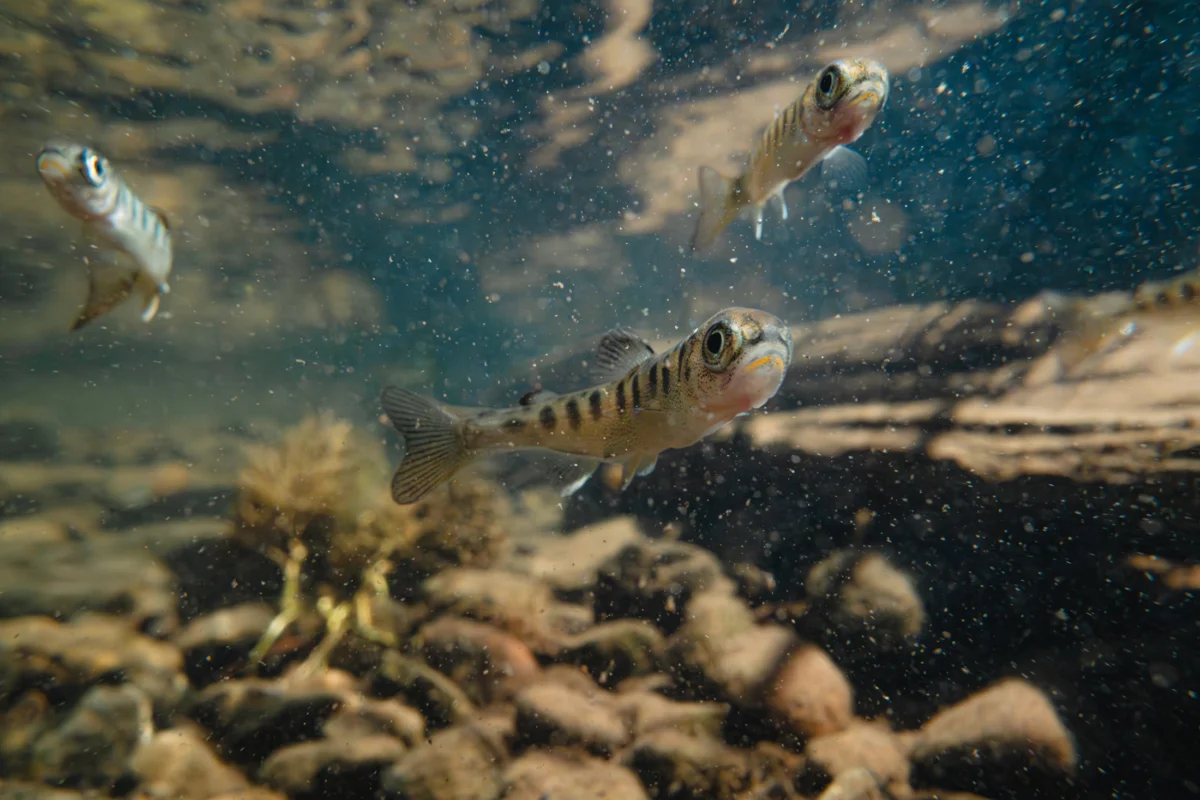
WSDOT’s action was necessitated by a critical $160 million project aimed at widening three vital salmon-bearing streams that flow beneath the freeway. This ambitious environmental mitigation effort is crucial for the health of the region’s aquatic ecosystems, supporting species that are both ecologically significant and economically vital to the Pacific Northwest. Salmon populations, facing numerous threats from climate change to habitat degradation, rely on healthy, unobstructed waterways for spawning and migration. The boulder itself had a storied history, having been blasted out of the surrounding Chuckanut sandstone during the initial construction of I-5 in 1966. Its first recorded inscription, "Sealth ’70," honored a Seattle high school graduating class, setting a precedent for its future as a canvas for public expression. Over the decades, it became a repository of local history, bearing everything from heartfelt memorials and enthusiastic cheers for sports teams to celebratory congratulations for graduates and even romantic marriage proposals. The rock’s removal highlights the complex balancing act that governments worldwide face between preserving cultural heritage and implementing essential infrastructure projects designed for public safety and environmental protection. As a final tribute, Cook has urged community members to share their photographs of the cherished landmark, creating a digital archive of its six decades as a silent, yet expressive, witness to local life.
Further south in Idaho, an enduring agricultural tradition unfolded with captivating grace, drawing hundreds of spectators to the annual Boise Sheep Crossing. This venerable migration, a practice spanning over a century, saw more than 2,600 ewes and their lambs traverse roadways along Highway 55 through Eagle, a spectacle that embodies the spirit of rural Idaho. The journey, meticulously orchestrated by Wilder, Idaho, rancher Frank Shirts and his team of skilled human shepherds and trusty shepherd dogs, guides the flock from the fertile alfalfa fields of Western Canyon County to the verdant, high-elevation pastures managed by the Bureau of Land Management (BLM) and the Forest Service. This seasonal movement, known as transhumance, is a time-honored practice globally, reflecting an ancient symbiotic relationship between livestock, land, and the rhythms of nature.
Steve Stuebner, who works with the Idaho Rangeland Resource Commission, vividly described the procession: "There’s the herder and then the lead ewe with the cowbell in front. And then all the sheep fall in behind." This structured yet organic movement allows the vast flock to navigate challenging terrain and public thoroughfares safely and efficiently. The event transcends its agricultural function, transforming into a beloved community gathering. Gabe Garcia, who brought his children to witness the "tufts of fluff" make their annual trek, articulated its broader significance: "It keeps rural Idaho still alive, essentially. And I think everyone gets to be a part of it, that’s what’s really cool about it." The Boise Sheep Crossing is a poignant reminder of the cultural and economic bedrock that ranching represents in the American West, a sector that continues to face evolving pressures from land use changes, wildlife management, and market fluctuations. It also highlights the vital role of public lands in sustaining traditional grazing practices, fostering biodiversity, and maintaining the unique cultural landscapes of the region.
Across state lines in California, a galaxy far, far away recently descended upon civil ceremonies. Embracing the global cultural phenomenon of Star Wars, the San Diego County Clerk’s Office offered a unique opportunity for couples to solemnize their vows in a truly intergalactic fashion, honoring "Star Wars Day" on May 4th. This imaginative initiative demonstrates a growing trend among public service offices to blend traditional civic duties with contemporary pop culture, making bureaucratic processes more engaging and memorable for citizens. County Clerk Jordan Z. Marks, who playfully embraced the moniker "Yoda of Love" for the occasion, captured the essence of the themed nuptials, declaring, "In every great love story, there’s a spark that brings two people together — call it destiny, or call it the Force."
This creative approach to civil ceremonies speaks to the enduring appeal of franchises like Star Wars, which have woven themselves deeply into the fabric of global culture, influencing generations. While the office provided the thematic backdrop, couples were encouraged to bring their own lightsabers, adding a personal touch to their special day. A humorous, yet practical, caveat was issued: to "keep the Wookiees out of the Champagne," presumably to ensure that the celebratory bubbly remained untainted and the proceedings orderly. This innovative offering from San Diego not only provided a whimsical option for fans but also showcased how government entities can adapt to modern sensibilities, connect with diverse communities, and celebrate shared cultural touchstones, transforming what might otherwise be a routine administrative task into an unforgettable life event. It reflects a broader societal trend towards personalization and experience, even in official capacities.