Johny Prima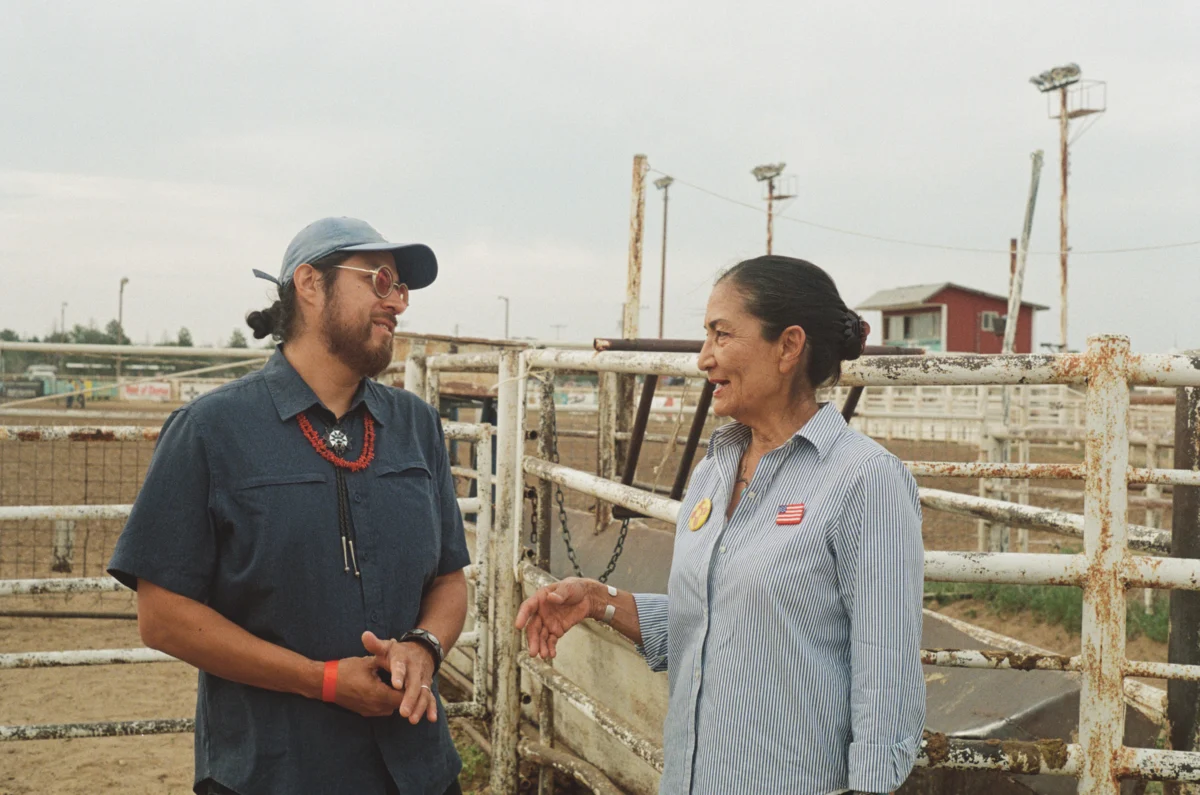
In the pre-dawn quiet of the American Southwest, a profound ritual unfolds, rooted in millennia of tradition. With corn pollen held sacredly in the right hand, an individual offers prayers, facing east towards the majestic Sandia Mountains. This deeply personal practice, passed down through generations of Pueblo relatives from the Zuni Mountains, embodies a land-based belief system central to Indigenous cultures worldwide. It is a daily reaffirmation of one’s place in the cosmos, a declaration of gratitude for the morning, and a peaceful intention for the day ahead, acknowledging ancestors and setting a deliberate path forward. This sacred offering, tossing corn pollen at one’s feet, connects individuals to an unbroken chain of existence, a practice sustained "since, well, forever," highlighting the enduring resilience and wisdom of Indigenous peoples.
This very spiritual foundation underpins the remarkable journey of Deb Haaland, a Laguna and Jemez Pueblo relative who, like the author, begins her days by reaffirming ancestral teachings. "I wake up every morning, and I recommit myself to the things that I was taught by my grandparents," Haaland stated in April outside a Santa Fe energy summit, a sentiment resonating deeply with the shared Pueblo heritage. Her grandparents, contemporaries of many elder Pueblo leaders, instilled in her the lifeways and knowledge that have propelled her to a pivotal moment in American politics. Having served with distinction as the first Indigenous Secretary of the Interior during the Biden administration, a historic appointment that redefined federal land management and tribal relations, Haaland has been relentlessly crisscrossing New Mexico since 2025. From the rural communities of Gallup and Shiprock to the political heart of Santa Fe, before returning to her Albuquerque home, her campaign for governor has been a testament to her profound commitment and the enduring strength drawn from her heritage. She credits the resilience of her ancestors for her current position as the frontrunner in New Mexico’s gubernatorial race, poised to lead the state through the complex landscape of post-Trump reconstruction, a period demanding innovative leadership and a renewed focus on community and environmental stewardship.

Should Haaland secure the governorship, she would not only mark a significant milestone as New Mexico’s third consecutive female governor but would also become the very first Native American to hold the state’s highest office. Her resounding victory in the Democratic primary, where she triumphed by a commanding 45 percentage points, demonstrated a broad and powerful mandate from the electorate, overcoming what many observers considered her toughest political hurdle. Haaland’s campaign platform is a comprehensive blueprint for progress, advocating for the expansion of public health care, a critical need in a state with diverse populations and often limited access to services. She champions strengthening state environmental regulations, an imperative given New Mexico’s unique ecological vulnerabilities and the accelerating climate crisis. Her agenda also includes increasing the state minimum wage to foster economic equity, leveraging energy profits to fund progressive policies, and, perhaps most significantly, advancing tribal sovereignty—a cornerstone of her political identity and a crucial aspect of New Mexico’s social and economic fabric.
The prospect of a Native American governor, while historic and empowering, also presents a profound paradox. The position of state governor, inherently tied to a system that has historically perpetrated violence and disenfranchisement against Indigenous communities, requires an Indigenous leader to operate within the very structures that have challenged tribal self-determination. Yet, this contradiction also offers a unique opportunity for transformative change. If elected, Haaland would assume the critical responsibility of managing relationships with New Mexico’s 23 tribal nations, navigating a complex web of sovereignty and shared governance. She would wield instruments like the New Mexico State-Tribal Collaboration Act of 2009, a landmark piece of legislation that mandates state agencies to forge working partnerships and negotiate policies with tribes. This act, in many ways, mirrors the federal government’s trust and treaty obligations to tribes, a dynamic Haaland understands intimately, not only as a Pueblo woman but also from her tenure as Interior Secretary, where she demonstrated how deep land-based beliefs could inform and guide federal land management practices.
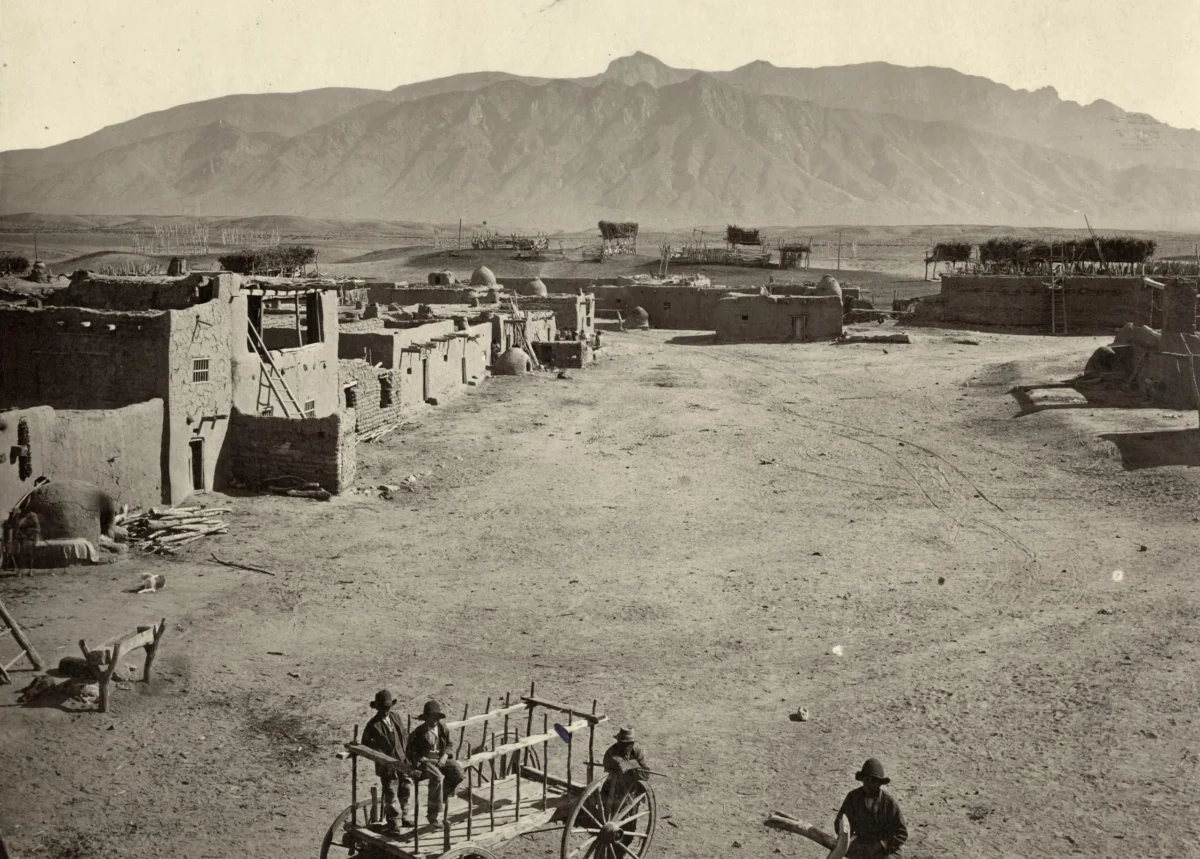
Her unique background and experience position her ideally to significantly advance tribal sovereignty within the United States. As the potential first Native American woman elected governor, Haaland would continue a legacy of Pueblo leadership that predates multiple colonial governments, embodying a continuum of governance and cultural resilience that stretches back centuries. This continuity offers a powerful vision for how traditional Indigenous wisdom can inform modern statecraft.

During her extensive campaign, Haaland has consistently engaged with voters on the critical importance of this election, particularly in the context of the national political landscape. She articulated her vision, emphasizing the need to refocus on the issues that directly impact New Mexicans. "Donald Trump took 3% of our voters in the last election, and I’m going to get those back," Haaland asserted, highlighting the necessity of reclaiming voter trust. She criticized the previous administration’s focus on "terrorizing our neighborhoods and creating chaos," arguing that such distractions divert attention from the tangible concerns of rising costs and economic instability that directly affect everyday citizens. This perspective underscores a broader national sentiment for leadership that prioritizes practical governance over political divisiveness.
A key aspect of Haaland’s agenda involves fostering understanding of tribal sovereignty among non-Native populations. She emphasizes the deep historical presence of Pueblo Indians in the Rio Grande Valley since the late 1200s, explaining that their ancestral homelands are vast, even if current tribal boundaries are not. Many tribes have actively bought back land, underscoring their enduring connection to their territories. Haaland stresses that "any corporation, project developer or emerging leader needs to know and understand that history." Acknowledging that tribes have been "taken advantage of through the many decades" and are consequently skeptical, she places the onus on external entities to "develop that relationship, make sure they are being transparent and upfront about all of the information, so that a relationship of trust can develop." This proactive approach to engagement, she argues, is essential for tribes to embrace new opportunities, even if a project merely impacts their ancestral viewshed rather than their direct land.
This call for respectful engagement resonates increasingly with business leaders. Haaland notes a growing recognition of "tribal capital" – the economic, cultural, and social value that tribes bring to the state. Industry leaders on the campaign trail frequently highlight their efforts to collaborate with tribes, a testament to the effectiveness of the State-Tribal Collaboration Act. This legislation formally acknowledges "the value that tribes bring to our state, and we also recognize the responsibility of our state to ensure that we are respecting tribes — their sovereignty, their land base, what they bring to our economy, all of those things." This shift reflects a maturing understanding of the mutual benefits derived from respectful, sovereign-to-sovereign relationships.

Addressing New Mexico’s perennial water challenges is another critical component of Haaland’s vision. In a state perpetually grappling with drought conditions exacerbated by climate change, she asserts that "water should be prioritized for people," advocating for sustainable industry practices. This perspective aligns with broader global concerns about water scarcity and the increasing urgency to implement equitable and sustainable water management strategies. New Mexico, located in the arid American West, faces unique pressures on its water resources, making Haaland’s commitment to prioritizing human needs and fostering sustainable development crucial for the state’s future.
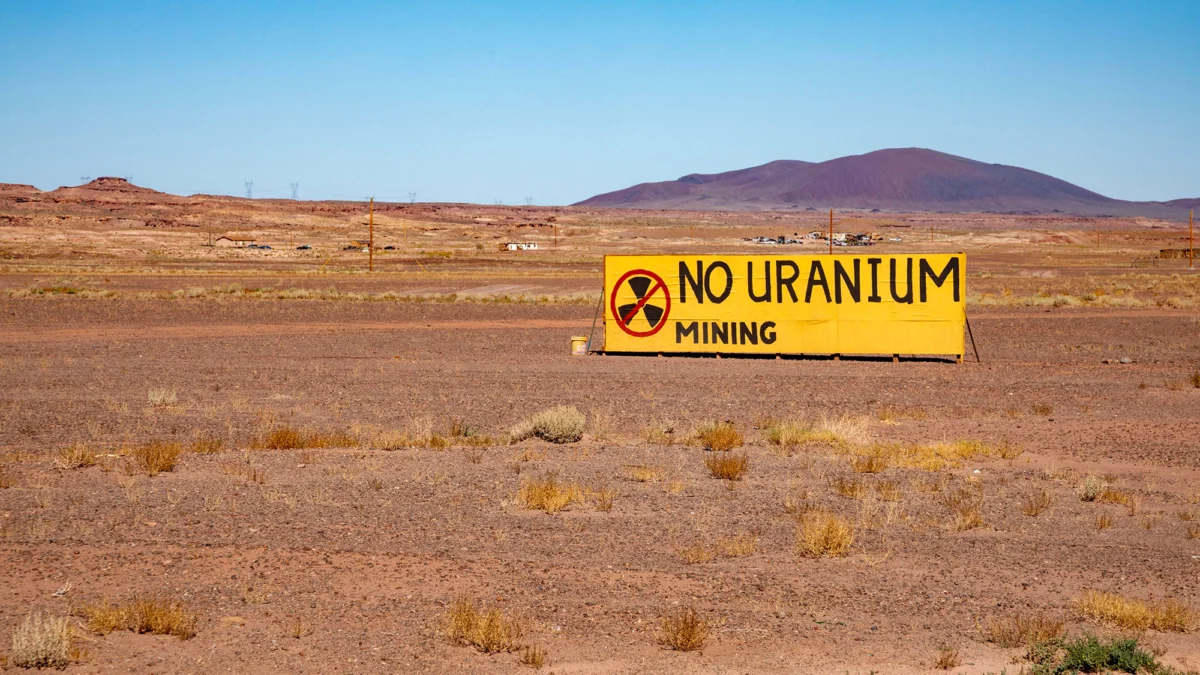
Haaland also positions New Mexico as a bulwark against federal environmental deregulation. With significant federal rollbacks to the Environmental Protection Act, she argues that states "absolutely have to fill the gap. We don’t have a choice." This stance highlights the critical role state governments can play in protecting natural resources and public health when federal oversight wanes. She advocates for hiring more lawyers to challenge the federal government when it "needs to be sued for encroaching on our state sovereignty, or ruining our environment," or for "taking funds away from people who are promised benefits." This aggressive legal strategy underscores a commitment to defending New Mexico’s interests and ensuring federal accountability.
Perhaps one of the most poignant aspects of Haaland’s platform is her unwavering commitment to ensuring that the history of the federal Indian Boarding School era is comprehensively taught in New Mexico public schools. "Native American History is American history. Every single American in this country owns that history — that terrible, violent, horrible federal Indian Boarding School history," she declared, emphasizing the collective responsibility to confront this painful past. She connects this imperative directly to her own family’s experience, sharing that her grandparents were sent to St. Catherine’s in Santa Fe, with her great-grandfather only able to visit his separated daughter twice in five years due to the immense travel difficulties. She also recounted how Fort Union, a way station north of Las Vegas, served as a site where Native children were forcibly assimilated – their heads shaved, clothes burned, and identities stripped before being sent to boarding schools. "New Mexico has a deep history when it comes to federal Indian boarding schools," Haaland stressed, asserting that "it’s a history that every New Mexican should know about. We all have an obligation to that." Her commitment to this educational initiative is not merely about historical accuracy but about fostering understanding, healing, and reconciliation, acknowledging the enduring intergenerational trauma caused by these policies and ensuring that future generations learn from the mistakes of the past. This initiative aligns with a growing global movement for truth and reconciliation regarding Indigenous historical injustices, signaling a profound shift in how nations confront their colonial legacies.