Roger Danuarta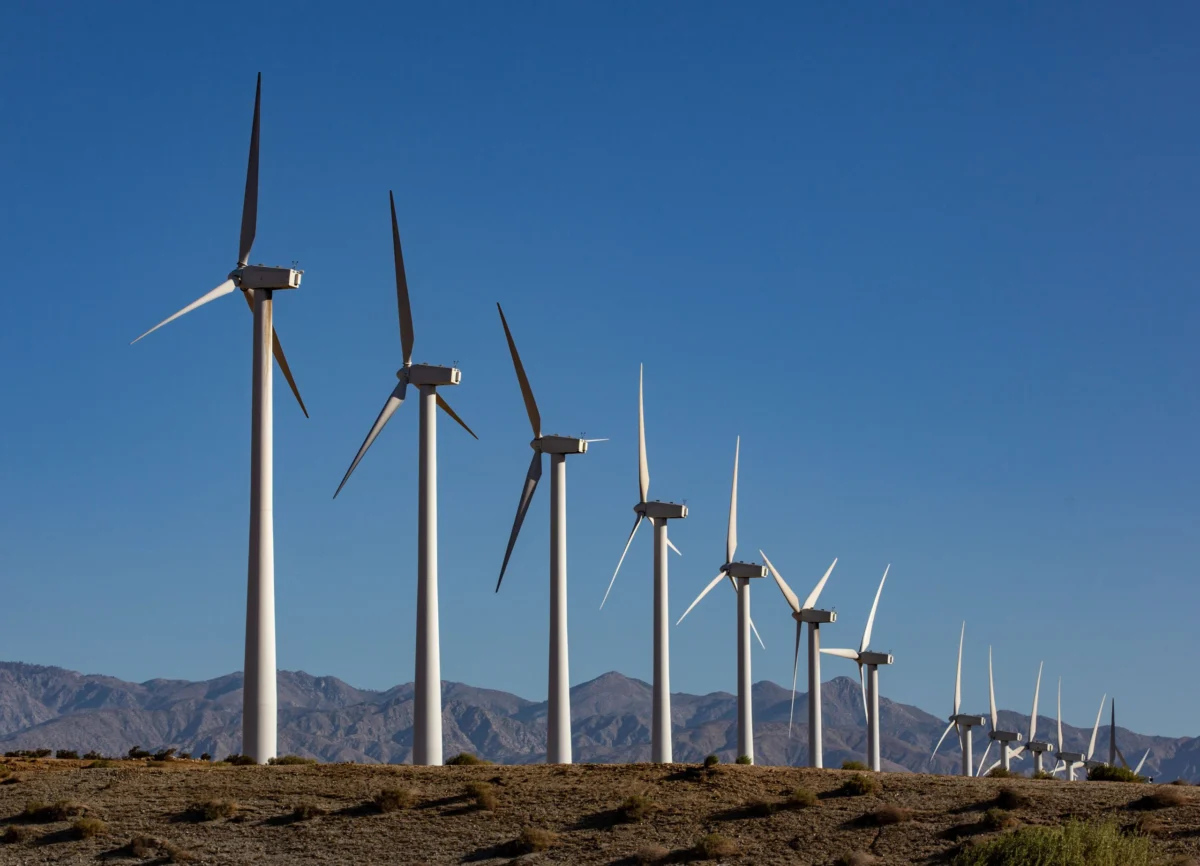
In a stark reversal of prior policy, the current administration, under President Donald Trump, dramatically canceled two crucial high-voltage transmission line projects on August 12, 2025, alongside a third initiative in the Northeast. This decision, made during what registered as the nation’s hottest summer on record, dismantles efforts initiated by the previous Biden administration in December 2024, which sought to modernize the grid, lower energy costs, and extend vital power access to underserved communities across the Western United States. The proposed infrastructure included a significant corridor designed to deliver enhanced grid access to several tribal nations in the Dakotas and Nebraska, addressing long-standing energy equity issues. Even more ambitious was the Southwest Grid Connector, a nationally significant endeavor poised to forge a long-awaited link between the Western and Eastern electricity grids, enabling the efficient shuttling of power between the Midwest, Colorado, and New Mexico, thereby enhancing grid stability and resilience across vast swathes of the country.
Energy Secretary Chris Wright articulated the administration’s rationale, asserting that "transmission policy must serve the American people — not special interests or a climate-alarmist agenda." He further characterized the Biden administration’s proposals as a means "to advance their Green New Scam agenda and ‘accelerate decarbonization.’" This rhetoric, deeply entrenched in a conservative political narrative often broadcast across partisan media channels, signals a renewed federal assault on cleaner energy sources, particularly wind and solar power. The cancellation of these projects is not an isolated incident but rather a cornerstone of a broader policy agenda pursued by the Trump administration since taking office in 2024.

The administration’s comprehensive strategy has systematically undermined the burgeoning renewable energy sector through a series of sweeping measures. These include significant reductions in federal tax credits for both utility-scale and rooftop solar installations, which had previously spurred substantial investment and growth. Furthermore, directives were issued to keep economically uncompetitive coal plants operational, shifting the financial burden onto utility ratepayers already grappling with escalating energy costs. Simultaneously, the administration implemented a de facto freeze on solar and wind permitting across vast public lands, stifling new project development in resource-rich areas. Billions of dollars in federal funding earmarked for clean energy manufacturing and rooftop solar programs, particularly those benefiting tribal nations and low-income households, were clawed back. In an unprecedented move, nearly $4 billion in taxpayer funds have been expended to compensate firms for abandoning their offshore wind leases, effectively halting the development of a promising new clean energy frontier. This extensive list of actions paints a clear picture of a federal government actively working to impede the transition to a sustainable energy future.
These aggressive policies have undeniably inflicted damage upon the renewable energy industry, resulting in job losses, project delays, and even forcing some non-profits and businesses to cease operations. Moreover, by stifling the growth of more cost-effective renewable alternatives and artificially propping up legacy fossil fuel infrastructure, these actions are likely contributing to higher electricity costs for millions of consumers at a time when energy demand is soaring due to extreme weather and increased electrification. Critics suggest that such economic pain, particularly for sectors perceived as aligned with environmental agendas, might even be an intentional outcome for an administration keen on demonstrating its opposition to climate-focused policies. However, despite these concerted efforts, the underlying momentum of the clean energy transition, driven by market forces, technological advancements, and state-level initiatives, continues to defy federal obstruction.
A significant factor in this resilience has been the intervention of the judiciary. Courts have consistently pushed back against the administration’s initiatives, acting as a crucial check on executive power. For instance, a recent judicial order compelled the Pentagon to lift its de facto freeze on onshore wind facility reviews, thereby unblocking numerous projects previously held in limbo. More importantly, the sheer scale and speed of major solar, wind, and battery storage projects coming online are outpacing the administration’s capacity to cancel or impede them. Many of these projects were already in advanced stages of development when the current administration took office, while others have been fast-tracked to capitalize on existing federal incentives before their potential expiration. This surge in new clean power generation is fundamentally reshaping the energy landscape, particularly in the Western United States.

The shifting energy mix in the West provides compelling evidence of this transformation. In May 2025, over 51% of the power generated by utility-scale facilities in California originated from solar energy, with natural gas contributing a mere 15% and coal generating zero. Nevada similarly saw 44% of its power mix derived from solar. (It is important to note that these figures represent power generated within each state and do not account for interstate energy flows or the significant contribution of rooftop solar installations.) California, a pioneer in renewable integration, has even experienced periods of solar oversupply, where generation exceeded grid demand, necessitating either the export of surplus energy to neighboring states or the curtailment of output. The dramatic increase in battery storage capacity over the past few years has been instrumental in mitigating California’s notorious "duck curve"—a phenomenon where high midday solar generation dips sharply as the sun sets, traditionally requiring a rapid ramp-up of natural gas peaker plants. Now, abundant afternoon sun can charge batteries, allowing them to discharge stored energy during evening peak demand, reducing waste and the reliance on fossil fuels.
Even traditionally fossil fuel-dependent states are experiencing a profound shift. New Mexico, the nation’s second-largest oil and gas producer, saw wind and solar collectively provide an impressive 63% of its electricity generation in May. Colorado, where coal dominated the grid a decade ago, recorded only 16% of its output from coal in May 2025, with solar and wind together supplying more than half. Even in Utah, a state whose lawmakers often echo the administration’s skepticism towards renewable energy, solar power frequently surpasses both natural gas and coal in its energy contribution. While May’s data, the most recent available, offers a favorable snapshot—characterized by ample sunshine, long days, clear skies before wildfire season, and lower air-conditioning demand—the broader annual trends confirm a sustained transition.
Looking at the entirety of 2025 across the 11 Western states, natural gas still constituted the largest share of the energy mix at 31% of total generation, followed by hydropower at 20%. Solar power secured a distant third at 14%, with wind and coal tying for fourth at 12% each. However, stepping back further reveals a dramatic long-term decline in fossil fuel reliance, especially coal. In 2007, coal plants in the West generated over 225 million megawatt-hours of electricity. By 2025, this figure had plummeted to just 90 million megawatt-hours. Crucially, nearly all of this lost coal generation was offset by increases in solar and wind power, rather than natural gas, signifying a substantial net decrease in fossil fuel-derived electricity over the past two decades.

The trajectory for clean energy remains firmly upward. New projects continue to come online, even as coal plants are permanently retired or undergo long-term repairs. Pattern Energy’s colossal SunZia wind power facility in eastern New Mexico, for example, added a massive 3.65 gigawatts to the grid upon its completion in June 2025. Similarly, the 800-megawatt Green River solar-plus-storage project in Emery County, Utah, finished construction this summer, instantly becoming one of the nation’s largest facilities of its kind. Despite federal land permitting slowdowns, developers are increasingly turning to private and state lands, including fallowed agricultural fields, for new projects, particularly in Southern California, where land availability and strong solar resources are abundant.
The pipeline of planned solar, wind, and battery projects in the West vastly overshadows proposed natural gas facilities. A standout example is the Westlands Water District in California, which is spearheading the development of a monumental 20-gigawatt solar and battery storage project across more than 100,000 acres of water-constrained agricultural land in the Central Valley. This innovative approach highlights a critical adaptation strategy: as climate change-exacerbated aridification diminishes water supplies for farmers, many are finding new economic viability by leasing their land to solar developers, effectively "farming electrons" in addition to traditional crops. This trend underscores how sustainable energy solutions are intertwining with broader challenges of climate resilience and economic diversification.
President Trump’s administration could have strategically leveraged the rapidly expanding, cost-effective clean energy sector to bolster grid reliability, address rising energy demand, and even appeal to a broader base by adopting an "all-of-the-above" energy strategy that embraces diverse sources. Instead, by picking an ideological fight with the fastest-growing and most economically viable energy sources, simply because they are perceived as "green," the administration has transformed a potential ally into an adversary. In doing so, it has embarked on yet another battle that the relentless march of technological innovation and market forces suggests it cannot ultimately win, leaving the United States at a crossroads in its global energy leadership.