Johny Prima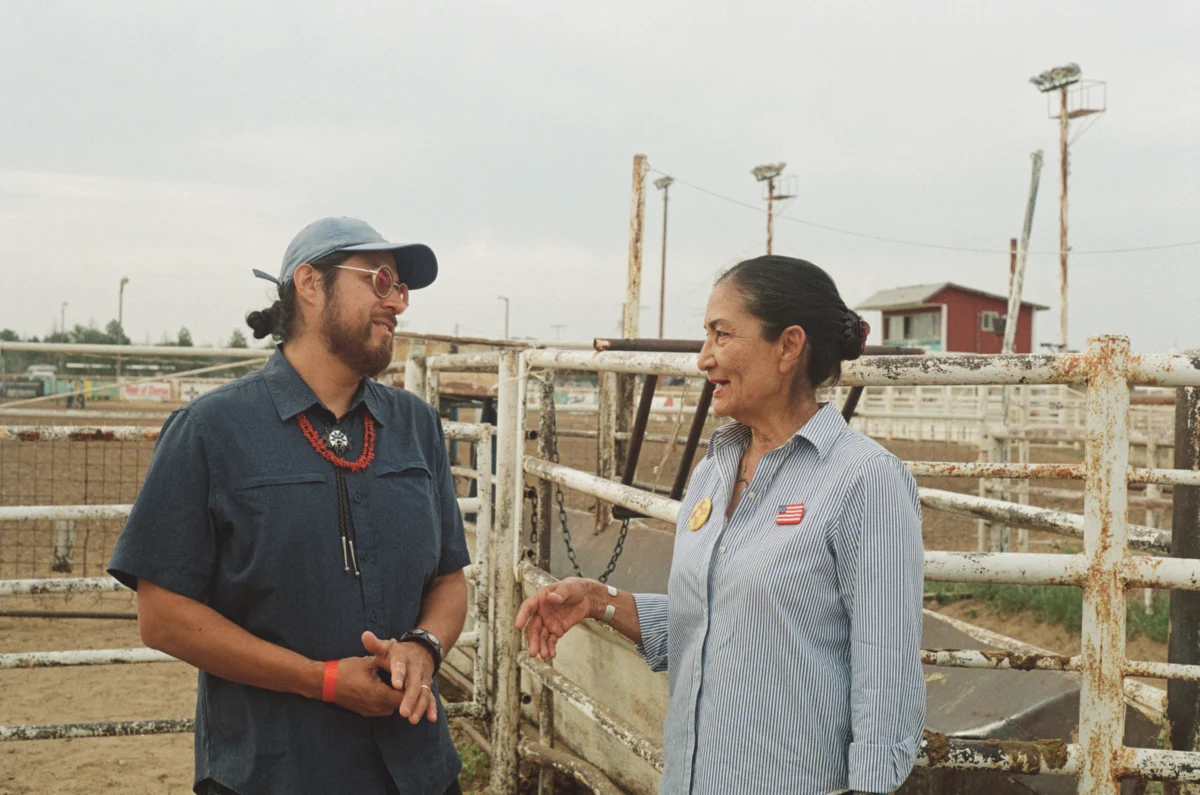
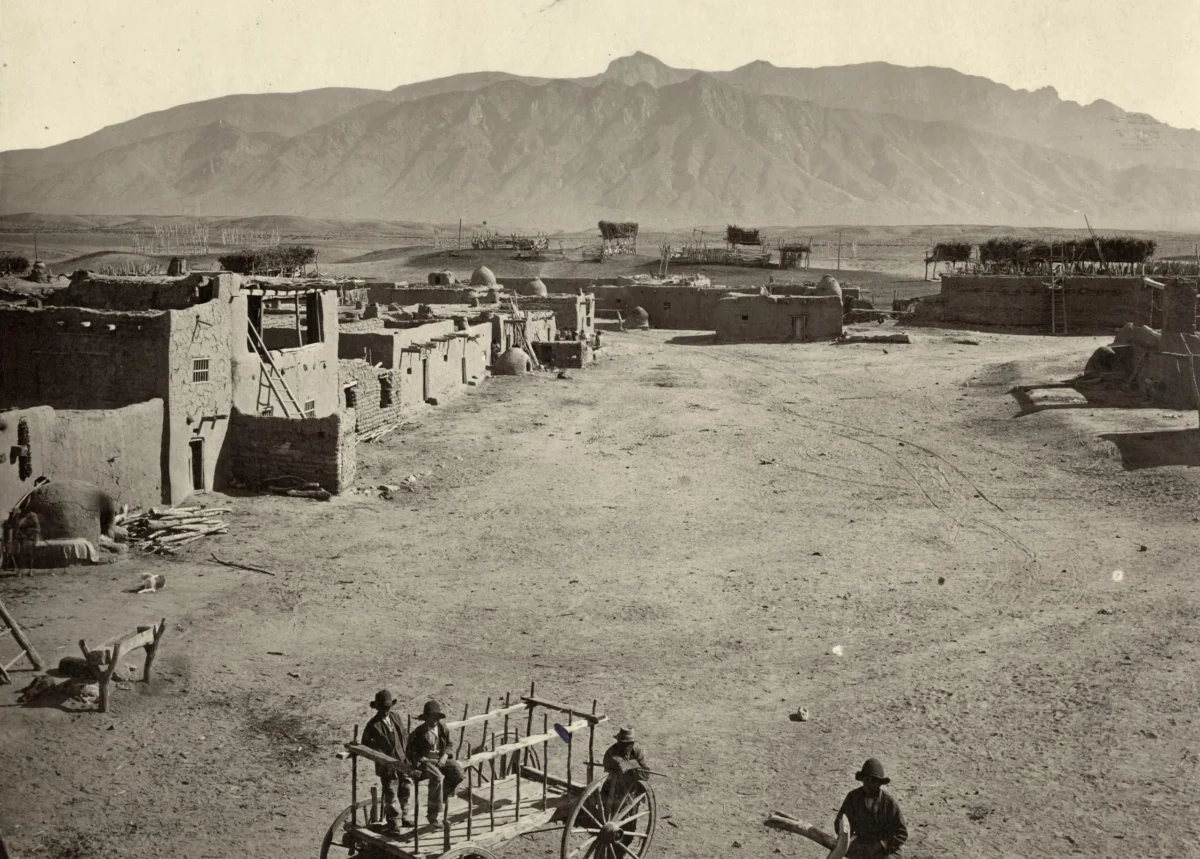
In the pre-dawn quiet, a ritual deeply rooted in the American Southwest unfolds, a sacred offering of corn pollen toward the rising sun and the majestic Sandia Mountains. This practice, mirroring the ancient ways of Pueblo relatives in the Zuni Mountains, embodies a profound land-based belief system, one that asserts a person’s inherent place in the tapestry of existence and dictates a mindful, forward-moving life path. It is a moment of gratitude, acknowledging ancestors and setting peaceful intentions for the day, a timeless tradition passed down through generations, connecting past, present, and future in a continuous, unbroken line. This spiritual grounding, which emphasizes an intimate connection to land and heritage, provides a unique lens through which to understand the formidable political journey of Deb Haaland, a Laguna and Jemez Pueblo relative who shares these foundational traditions.
Haaland, a figure of immense historical significance, begins her days with a similar recommitment to the teachings of her grandparents, who were contemporaries of the current generation’s elders, sharing the same invaluable knowledge and lifeways. Her journey from these deeply personal roots to the national and now state political stage is a testament to the resilience and enduring wisdom of Indigenous peoples. Having already made history as the first Indigenous Secretary of the Interior during the Biden administration, Haaland has been a tireless presence across New Mexico since 2025. Her campaign trail winds through diverse communities, from rural hubs like Gallup and Shiprock to the political heart of Santa Fe, before returning to her Albuquerque home. She credits the unwavering strength of her ancestors for her current position as a leading contender in the gubernatorial race, poised to potentially guide New Mexico through a critical period of post-Trump reconstruction, a phase characterized by the imperative to rebuild democratic institutions, restore environmental protections, and foster social cohesion after a turbulent national era.

Should Haaland secure the governorship, she would not only mark New Mexico’s third consecutive female governor but also become the first Native American to hold the state’s highest office. Her impressive victory in the Democratic primary, where she garnered a decisive 45 percent lead, underscored her broad appeal and strong mandate. Her progressive platform resonates deeply with voters, championing expanded public health care access, robust state environmental regulations, an increase in the state minimum wage to uplift working families, strategic leveraging of energy profits for vital social programs, and the steadfast advancement of tribal sovereignty. These policy stances reflect a comprehensive vision for a more equitable and sustainable New Mexico, addressing issues that resonate from local communities to global dialogues on climate action and social justice.
The prospect of a Native American governor presents a compelling, albeit complex, narrative. Such a position inherently owes its power to the tribal self-determination movement, a historical struggle against systemic state violence and oppression. Yet, an Indigenous leader stepping into this role also becomes an integral part of the very system that historically perpetuated such violence. This duality highlights the intricate challenges and profound opportunities for transformation from within. As governor, Haaland would bear the critical responsibility of managing relationships with New Mexico’s 23 tribal nations, a role she is uniquely prepared for given her extensive experience. She would utilize existing legislative frameworks, such as the New Mexico State-Tribal Collaboration Act of 2009, to foster meaningful partnerships with tribal leaders on government policy. This landmark legislation mandates state agencies to forge working partnerships and negotiate practices and policies with the state’s tribes, serving as a state-level analogue to the federal government’s trust and treaty obligations with Indigenous nations. Haaland’s tenure as Interior Secretary provided invaluable experience in navigating these complex government-to-government relationships, demonstrating how deeply rooted land-based beliefs can inform and elevate federal land management and tribal affairs. Her potential election would represent a continuation of Pueblo leadership that predates multiple colonial governments, embedding an ancient perspective within modern governance structures.
During her extensive campaign, Haaland has articulated a clear vision for New Mexico, often connecting her policy goals to the foundational principles of tribal sovereignty and environmental stewardship. When discussing the national political climate, particularly the aftermath of the previous presidential administration, Haaland acknowledges the pervasive sense of chaos and the public’s desire for leaders focused on tangible issues. She points to the erosion of trust and the economic burdens imposed by past policies, affirming her commitment to restoring focus on the needs of everyday New Mexicans. This approach is critical in a state grappling with the broader implications of national political shifts, emphasizing state-level resilience and proactive governance.

Addressing how to engage non-Native populations on the complex principles of tribal sovereignty, Haaland underscores the deep historical presence of Pueblo Indians in the Rio Grande Valley, with ancestral homelands extending far beyond current tribal boundaries. She emphasizes the historical injustices, where tribes were often exploited, leading to a natural skepticism towards external entities. The onus, she states, is on outsiders – whether corporations, project developers, or emerging leaders – to cultivate relationships built on transparency and trust. This requires a thorough understanding of tribal history, a willingness to engage in genuine consultation, and a commitment to shared benefits, fostering a collaborative environment where opportunities can be mutually pursued.
Haaland also highlights the importance of recognizing tribal interests even when projects do not physically touch reservation lands but are visible from them. This perspective aligns with a broader understanding of cultural landscapes, where sacred sites, traditional practices, and quality of life are deeply intertwined with the surrounding environment. True respect for tribal sovereignty, she argues, necessitates bringing tribes into the conversation early and meaningfully, acknowledging their inherent right to participate in decisions affecting their ancestral territories and cultural heritage, a principle echoed in international declarations on Indigenous rights.
The increasing recognition of "tribal capital" among business leaders marks a significant shift. Haaland notes that industry leaders on the campaign trail now frequently discuss their efforts to engage and collaborate with tribes. This evolving understanding acknowledges not only the financial contributions of tribal economies but also the invaluable cultural, social, and environmental capital that tribes bring to the state. New Mexico’s State-Tribal Collaboration Act serves as a vital framework, institutionalizing the state’s responsibility to respect tribal sovereignty, land bases, and economic contributions, thereby fostering stable and mutually beneficial partnerships.

On critical issues like water management, particularly in a drought-stricken state like New Mexico, Haaland’s vision is unequivocal: water must be prioritized for people. She insists that any industry seeking to relocate to New Mexico must operate sustainably, recognizing the severe ecological challenges posed by climate change and the imperative to conserve this precious resource. This approach balances economic development with environmental responsibility, ensuring that growth does not come at the expense of the state’s long-term ecological health and the well-being of its residents, especially in an arid region where water rights are historically complex and often contested.
Responding to the dismantling of federal environmental protections, Haaland asserts New Mexico’s unwavering commitment to fill the regulatory gaps left by federal actions. She views this as a non-negotiable obligation, especially in the face of federal program cuts and deregulation. New Mexico, she pledges, will assert its state sovereignty and environmental stewardship, pursuing legal avenues to challenge federal overreach or neglect. This includes empowering state agencies, the attorney general, and the legislature to pursue litigation against major companies or even the federal government itself, seeking accountability for environmental harm or the reneging on promised benefits. By strengthening its legal capacity, New Mexico aims to vigorously defend its residents and natural resources through the courts.
Furthermore, Haaland is a vocal proponent for integrating the history of the federal Indian Boarding School era into New Mexico’s public school curriculum. She powerfully states that "Native American History is American history," emphasizing that every American shares ownership of this painful chapter. Her own family’s story, with grandparents forcibly sent to St. Catherine’s in Santa Fe and a great-grandfather struggling to visit them, personalizes the profound intergenerational trauma inflicted by these institutions. She highlights New Mexico’s deep connection to this history, with sites like Fort Union serving as grim way stations for Native children stripped of their identities. Teaching this history is not just about remembrance, but about fostering a more informed citizenry, promoting healing, and ensuring that such policies of cultural genocide are never repeated, both within New Mexico and globally where similar colonial educational systems have left lasting scars. Haaland’s leadership embodies a powerful convergence of ancestral wisdom, contemporary political acumen, and an unwavering commitment to justice and equity, poised to redefine governance in New Mexico.