Joko Susilo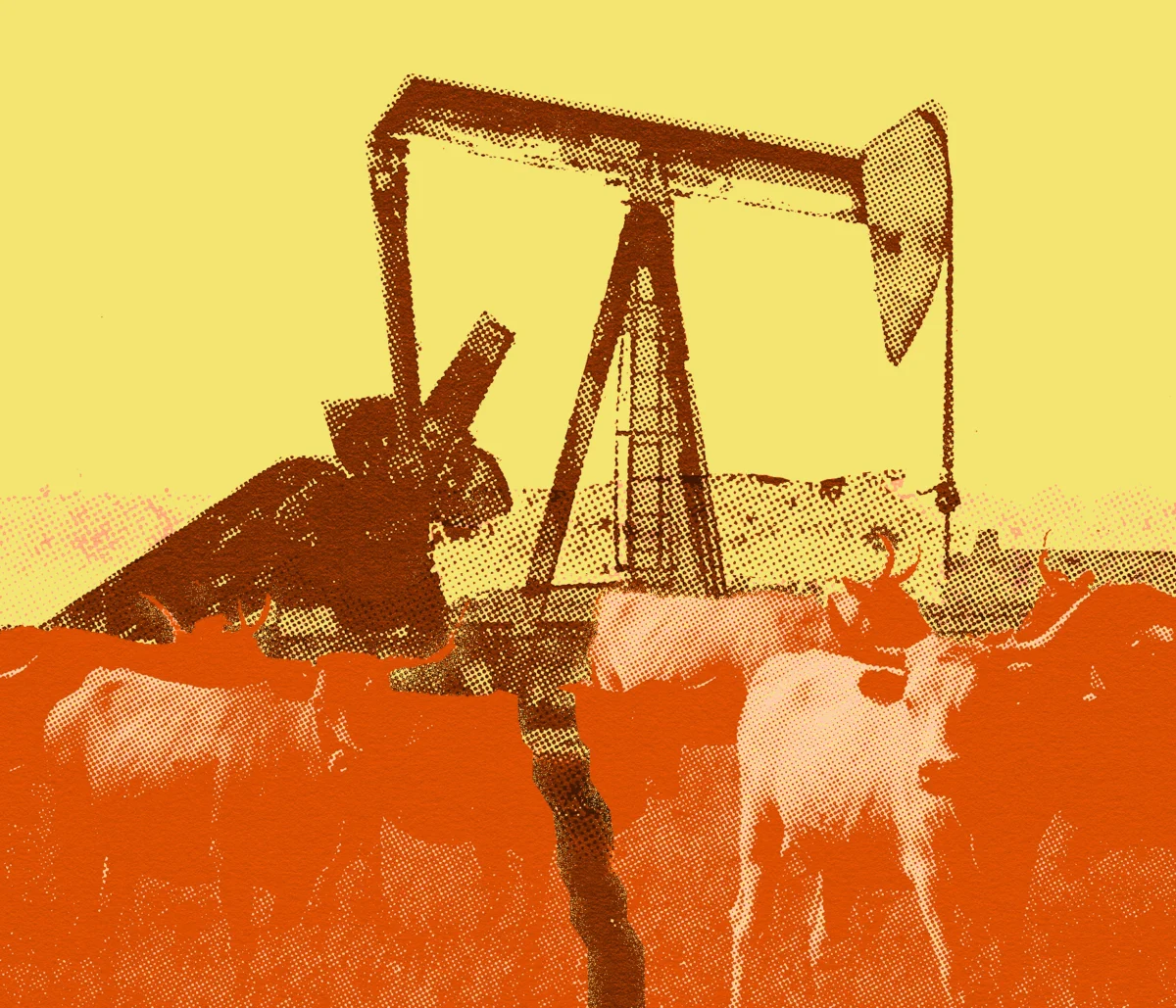
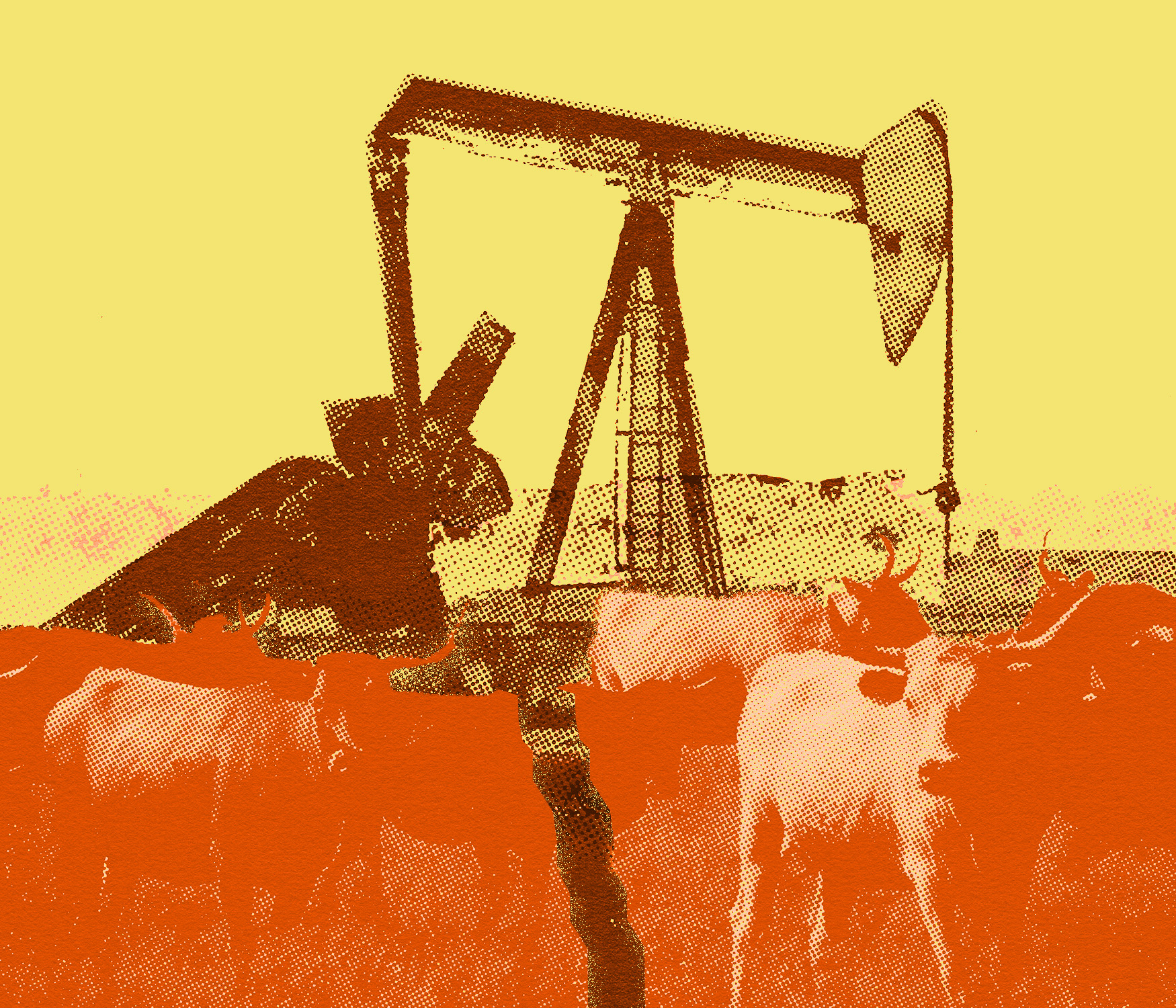
For Joe and Karen Rankin, whose ranch north of Douglas, Wyoming, has been a family legacy for eight decades, the ramifications of such federal policy are not abstract; they are a daily reality. Rankin dedicates considerable effort to monitoring the extensive oil drilling activities beneath his land, a necessity born from the complex "split estate" arrangement common across the region. Under this system, the surface land, including the Rankins’ pasture, soil, and buildings, belongs to them, but the mineral rights beneath – often owned by the federal government and leased to energy companies – grant drillers dominant access, even over the objections of surface owners. "Some spots in my area right now look like a spaghetti bowl from all the pipelines that are going through," Rankin observes, painting a vivid picture of the industrial footprint encroaching on his agricultural landscape.
The environmental and logistical challenges for the Rankins are substantial. Leaks from abandoned, or "orphaned," wells have historically posed serious health risks to their cattle, a direct threat to their livelihood. Rankin recalls a harrowing incident during a blizzard when his herd became stranded in a ditch created by pipeline developers. On another occasion, he encountered BLM officials driving across his private pasture, necessitating a direct intervention to assert his property rights. These experiences underscore the delicate and often adversarial balance between agricultural operations and the demands of the energy sector, a tension now poised to escalate dramatically under the proposed federal rule.
Historically, the public has been afforded a 90-day window to provide input on the leasing of BLM-managed minerals. Crucially, oil and gas companies were also mandated to identify surface owners whose properties might be affected by proposed underground development, with the BLM then required to issue notifications. The new BLM proposal seeks to drastically alter this established process, reducing the general public comment period to a mere 10 days and entirely eliminating the landowner notification requirement for split-estate lands. Furthermore, the agency intends to reduce the minimum bonds that companies are required to pay, a financial guarantee meant to cover the costs of environmental cleanup should drilling operations be abandoned. These proposed changes would apply not only to oil and gas but also to other subterranean natural resources managed by the agency, casting a long shadow over vast swathes of the American West. The public comment period for these significant amendments is set to conclude on August 23, 2024, amplifying the urgency of the debate.
Industry stakeholders have largely lauded the proposal, framing it as a vital step to reduce bureaucratic hurdles and foster growth, particularly for smaller and medium-sized energy companies. They argue that streamlining the permitting process is essential for maintaining America’s energy independence and supporting economic activity in resource-rich regions. However, this perspective stands in stark contrast to the concerns voiced by a broad coalition of landowners, local government officials, and conservation groups. Critics contend that the proposed changes would effectively silence public input, erode fundamental landowner rights, and jeopardize the environmental health and safety of rural communities. The influential Wyoming ranching lobby has unequivocally opposed the reduction in public comment periods, while Douglas Mayor Kim Pexton, Montana State Representative Shelly Fyant, and New Mexico rancher Don Schreiber have collectively penned an op-ed criticizing the split-estate proposal and its associated changes.
The scale of the "split estate" issue is immense, encompassing nearly 58 million acres across the United States—an area roughly the size of Wyoming itself. Montana and Wyoming bear the brunt of this arrangement, with each state accounting for over 11 million acres, a combined expanse five times larger than Yellowstone National Park and the Wind River Reservation. This unique division of land rights is a historical artifact, largely stemming from early 20th-century federal policies, such as the Homestead Act and subsequent mineral leasing acts, designed to encourage westward expansion while simultaneously reserving valuable subsurface minerals for national development. For decades, Westerners have engaged in protracted legal and legislative battles, striving to clarify whose rights take precedence: those of the energy companies holding mineral leases or the landowners stewarding the surface.
The current BLM proposal, emanating from the Department of the Interior, aligns with a broader, long-standing push from certain political factions and industry groups to deregulate the energy sector and expedite resource extraction on federal lands. Proponents argue that such measures are crucial for boosting domestic energy production and stimulating local economies. The BLM itself asserts that the reduced comment period is intended to eliminate repetitive review cycles, suggesting that concerns raised by the public can be addressed through other, larger-scale land-use planning processes. "Shortening the protest period from 30 to 10 days streamlines the lease-sale process while preserving opportunities for public input at other stages," a BLM spokesperson affirmed, defending the agency’s approach.
However, many, like Gwen Lachelt, founder of the Western Leaders Network, an organization advocating for conservation and democratic principles, view these changes as a significant departure from the BLM’s traditional values. Lachelt argues that the agency, despite its complexities, has historically respected public input and landowner rights. The proposed shifts, she fears, disproportionately impact rural communities that lack the resources to monitor rapid-fire federal policy changes. Jim Magagna, executive vice president of the Wyoming Stock Growers Association and a rancher from Rock Springs, echoed this sentiment, calling the 10-day comment period "unreasonable." He emphasized the demanding schedules of ranchers, who are often occupied with vital tasks such as "haying, or they’re feeding cows, or they’re calving, or they’re shipping." For them, a brief window for federal comment is practically an impossibility, effectively stripping them of their right to be heard. Magagna stressed that, at a minimum, surface owners should unequivocally be notified before mineral leases affecting their land are offered. The BLM, in its defense, states that the Mineral Leasing Act does not explicitly require landowner notification and that such mandates "impose undue burdens on the oil and gas industry." Yet, Lachelt counters that public comment benefits not just landowners, but also companies, as local knowledge can significantly improve drilling plans. "No one knows their land better than those people who are being directly drilled on," she stated.
Beyond public input, the June proposal also seeks to revise bond levels—financial safeguards crucial for ensuring environmental cleanup after drilling operations cease. Bonds act as collateral, guaranteeing that if a company abandons a drilling site, the funds are available to plug orphaned wells and remediate any environmental damage. The need for robust bonding is underscored by a 2023 U.S. Geological Survey analysis, which documented over 1,000 orphaned wells in Wyoming alone, with thousands more scattered across the Western states. These wells, often leaking methane and contaminating groundwater, represent a significant environmental liability and a potential financial burden on taxpayers. While the study noted a decline in "orphaning" rates for newer wells, the legacy problem persists. The BLM’s federal documents candidly acknowledge that reducing bond amounts could potentially delay the reclamation of orphaned wells.
Historically, federal bond levels were set at $25,000 for statewide leases from 1951 until 2024. Recognizing the inadequacy of this amount, especially with inflation and escalating cleanup costs, the Biden administration in 2024 raised this figure substantially to $500,000. This increase was widely reported, reflecting a policy shift towards greater accountability for environmental remediation. A 2019 report by the U.S. Government Accountability Office (GAO) had estimated that, adjusted for inflation alone, statewide bond amounts should be closer to $198,000. Joe Rankin strongly supports higher bond levels, believing they "give them more incentive to care" about proper site reclamation. Conversely, Aaron Johnson, vice president of public and legislative affairs with the Western Energy Alliance, criticized the Biden-era increase as "punitive," arguing that the half-million-dollar sum sits idle, hindering smaller and medium-sized companies. The BLM, in its current proposal, appears to align with this industry perspective, stating that "returning minimum bond levels to $10,000 for leases and $25,000 statewide reduces barriers for smaller operators while continuing to ensure adequate reclamation coverage."
This debate over federal land management, energy extraction, and property rights in the West is a microcosm of broader national and global challenges surrounding resource development and environmental stewardship. The proposed changes, if implemented, could fundamentally reshape the relationship between federal agencies, the energy industry, and private citizens, with profound implications for the future of America’s public lands and the communities that depend on them. As the August 23 deadline for public comments approaches, stakeholders across the spectrum are mobilizing, recognizing that the outcome will define the balance between economic development and environmental protection for generations to come.