Rocky Gerung
The resonance of Peacock’s three-part docuseries, High Horse: The Black Cowboy, struck deeply, mirroring the profound lessons learned from the demanding physical rigor of horsemanship. Earlier that same day, an introduction to a new mustang mare, met with a potent blend of trepidation, joy, tenderness, and profound respect, offered a tangible connection to the very essence of this documentary. The mare stood with a quiet, curious, and steady demeanor, exuding an aura of infinite patience, a trait that immediately captivated the observer and fostered a deep admiration for her intelligence and inquisitive nature. These fundamental interactions with horses underscore the series’ central theme: the undeniable presence and significant contributions of Black individuals in the narrative of the American West, a narrative too often obscured by historical selective memory.
The rigorous training involved, focusing on the critical fundamentals of "steady low hands, a deep seat, and quiet legs" during a brisk lope, may not appear dramatic from the sidelines, yet these subtle techniques fundamentally alter the relationship and efficacy between rider and horse. Years of dedicated lessons at the practice barn have revealed an immutable truth: genuine confidence cannot be feigned, as a thousand-pound animal will invariably perceive and respond to any lack of sincerity. This unwavering honesty inherent in equine partnership is precisely why High Horse landed with such visceral impact, serving as a powerful reminder that Black hands have been integral to the West’s development, actively involved in breaking horses, herding cattle, riding fences, participating in races, and mastering the art of training. The series powerfully argues that the issue is not the inclusion of Black cowboys into the familiar Western tapestry, but rather the nation’s persistent, perplexing surprise at their very existence.
Executive produced by Jordan Peele’s Monkeypaw Productions and expertly directed by Jason Perez, an independent filmmaker mentored by the iconic Spike Lee, High Horse masterfully weaves together compelling archival footage and photographs with vivid contemporary scenes of Black cowboy life. The documentary journeys through film, music, and marketing history, demonstrating how the widely disseminated story of the West often diverges from its lived reality. This historical narrative, it suggests, has been subject to a gradual, almost imperceptible airbrushing, a slow narrowing of who is recognized as authentically embodying the Western spirit, rather than a single, dramatic act of omission.
High Horse resolutely rejects the notion of Black cowboys as a mere footnote to history, instead tracing an unbroken lineage from the skilled labor of formerly enslaved people who managed horses and cattle to the Black jockeys who dominated early racing circuits, and onward to the contemporary riders, ranchers, and entrepreneurs. The series artfully preserves history without resorting to didacticism, ensuring that the past remains relevant and present. A particularly compelling aspect of the documentary is its deliberate focus on the tangible realities of horsemanship – the rider’s posture, the delicate nuances of their hands, and the sheer volume of hours dedicated to practice. For anyone who has experienced riding, these elements are instantly recognizable and deeply understood. Horses, it emphasizes, are indifferent to personal narratives; their responses are dictated by consistency and fairness, a principle that illuminates how frequently the romanticized aesthetic of the cowboy is celebrated while the arduous, skilled labor inherent in the craft remains largely unacknowledged.
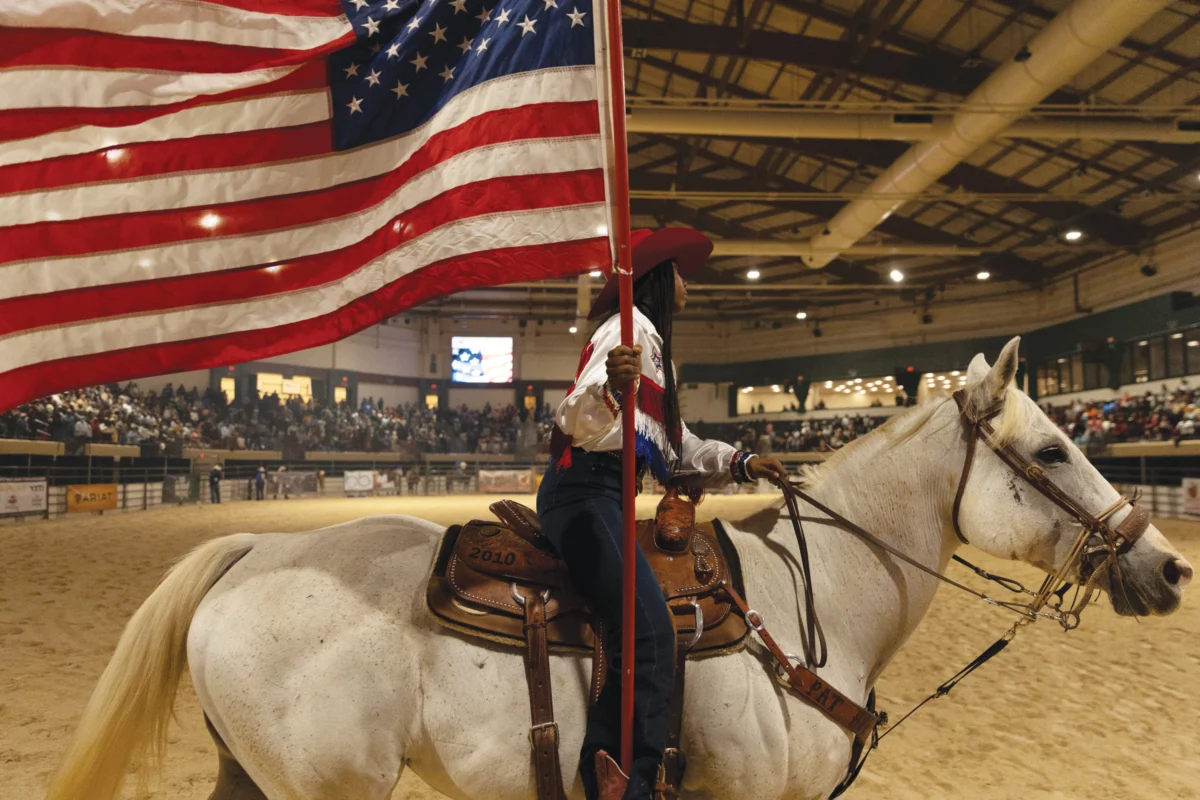
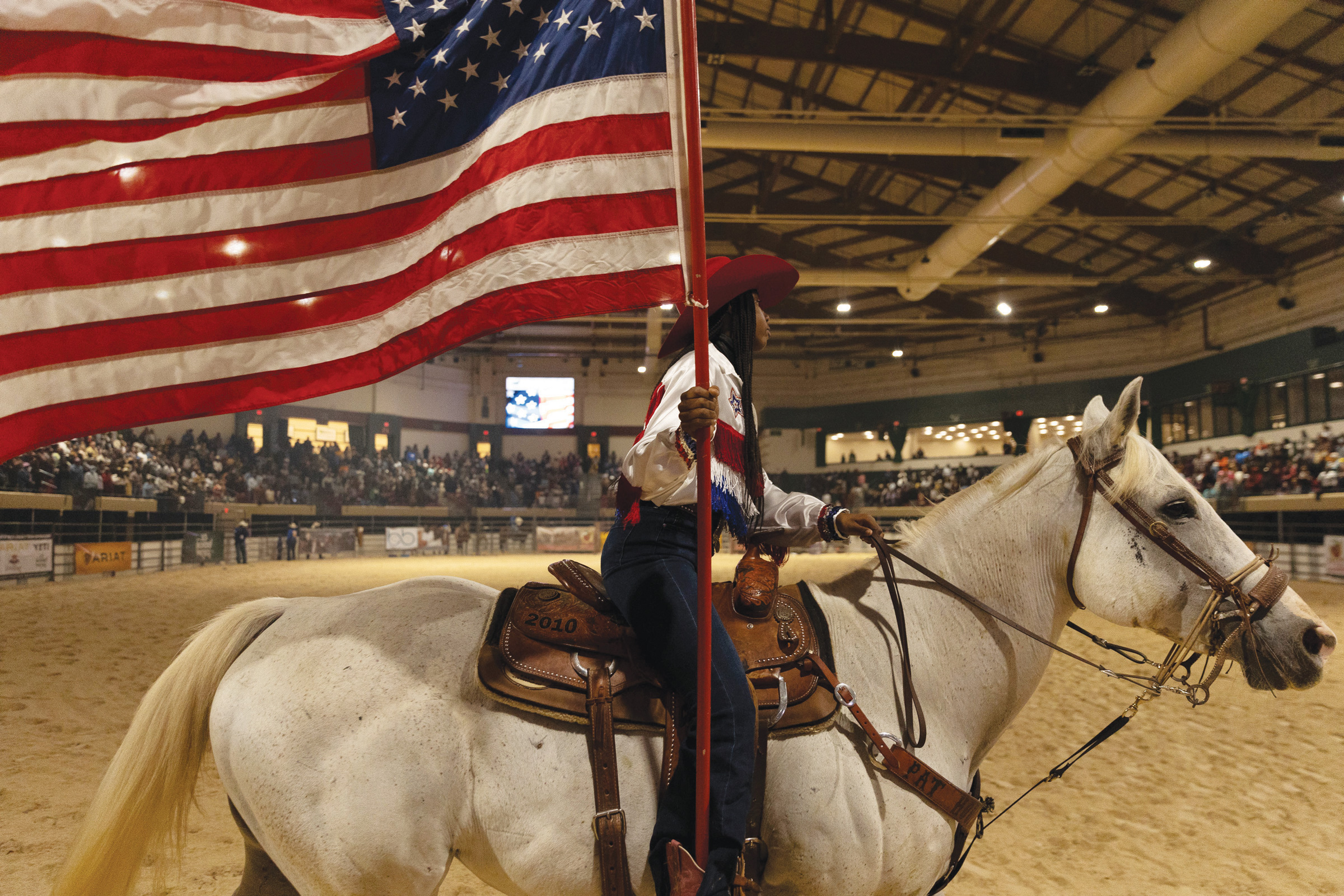
Throughout High Horse, the camera frequently lingers on Black riders, depicted in positions of steady poise, surveying vast open landscapes or navigating urban peripheries shaped by the very history the series explores. These images, though often simple and understated, carry a potent emotional charge. For Black Americans, land transcends mere scenery; it represents a complex tapestry of inheritance and loss, of promises made and subsequently broken, and crucially, the distinction between being a transient visitor and a dedicated steward.
This intricate connection between Black identity, land, and the West holds profound personal significance. The author’s own father, a lifelong rancher raised in Texas, later managed land and livestock in California, his experiences serving as the foundational inspiration for the creation of Outdoor Afro in 2009. Initially launched as a blog and a heartfelt tribute to his legacy, Outdoor Afro has since evolved into a national organization dedicated to reconnecting thousands of Black families with the outdoors annually, not as a fleeting trend, but as a profound reunion with nature and heritage.
Now, in midlife, the author has returned to horsemanship with a renewed and surprising intensity. The practice of riding has cultivated greater patience and honesty, while simultaneously fostering a more nuanced perspective on land and a heightened sense of responsibility for personal lifestyle choices and their broader environmental and societal impacts. The author’s current mare, a mustang named True Haven, hails from the Twin Peaks Herd Management Area in the high desert straddling California and Nevada. Her name, "True Haven," serves as a constant reminder of spiritual refuge and the inherent peace that can be cultivated through consistent practice in all aspects of life. Horses, by their very nature, demand fairness and consistency, immediately signaling whether one is a trustworthy leader.

While owning a wild horse does not confer expertise on public lands and wildlife policy, it undeniably fosters an intimate engagement with critical questions of stewardship and deepens a commitment to preserving the nation’s public lands and wild spaces. The abstract nature of policy slogans fades when one is holding a lead rope, wholly focused on the immediate needs of another living creature to ensure its sense of safety and clarity.
High Horse astutely recognizes that the narrative of Black cowboys is inextricably linked to the broader story of Black land ownership and connection. It moves beyond the romanticized imagery of wide-open spaces to confront the practical realities of acreage, access, property titles, taxation, and the systemic power dynamics that dictate who can remain on the land. While avoiding excessive policy jargon, the series boldly states a truth too often avoided by those in the West: the region’s celebrated freedom was never equitably distributed, and violence, both legal and extralegal, is an intrinsic part of its geographical and historical fabric.
However, High Horse is far from a somber lament; at its core, it is a vibrant celebration of freedom. The series showcases young riders in training and competition, elders passing down invaluable knowledge, and the enduring strength of family traditions, all set against the backdrop of communal gatherings centered around horses, reminiscent of church potlucks or family reunions. In a society where Black history is too frequently framed solely through the lens of trauma, this documentary offers a refreshing counter-narrative, highlighting excellence, craft, humor, pride, discipline, and profound joy.
If a weakness exists within the series, it lies in the inherent limitations of its scope. While three episodes can effectively raise awareness and champion a cause, they cannot encompass every nuance and complexity. The author expresses a desire for more extensive coverage of Black women riders, a deeper exploration of the everyday economics of horse ownership, and a more thorough acknowledgment of the intertwined histories of Black and Indigenous peoples on Western lands. Furthermore, the series could have benefited from a greater trust in the voices of its working riders. While the contributions of well-known celebrities and scholars provide valuable reach and context, their commentary occasionally risks overshadowing the firsthand accounts of Black cowboys and ranchers, whose generational stories of working the land and their horses possess an inherent power that could stand compellingly on its own.

Arguably, the most significant achievement of High Horse is its unwavering refusal to portray the Black cowboy as an anomaly. It boldly challenges viewers to broaden their understanding of what it means to be "Western," urging a re-evaluation that extends far beyond the confines of traditional Hollywood portrayals. For anyone who cherishes the spirit of the West, this timely re-examination is both necessary and profoundly impactful.
The documentary’s profound impact resonates with the author’s initial moments with her mare: the mare’s attentive gaze, her patient waiting, and the unspoken questions about the kind of partnership that would be forged. This reciprocal introspection mirrors the author’s own self-inquiry. Just as a horse responds with clarity, consistency, and care, so too should society approach its history. To foster an honest West with a resilient future, the complete narrative must be plainly told, and the land that underpins it must be vigilantly protected.
High Horse: The Black Cowboy is not, and should not be, the definitive statement on Black cowboys, but it represents a significant stride towards a vision of the West where Black riders are not perceived as outsiders, but as an integral foundation of the region’s heritage and a vital component of its future conservation efforts.