Roger Danuarta
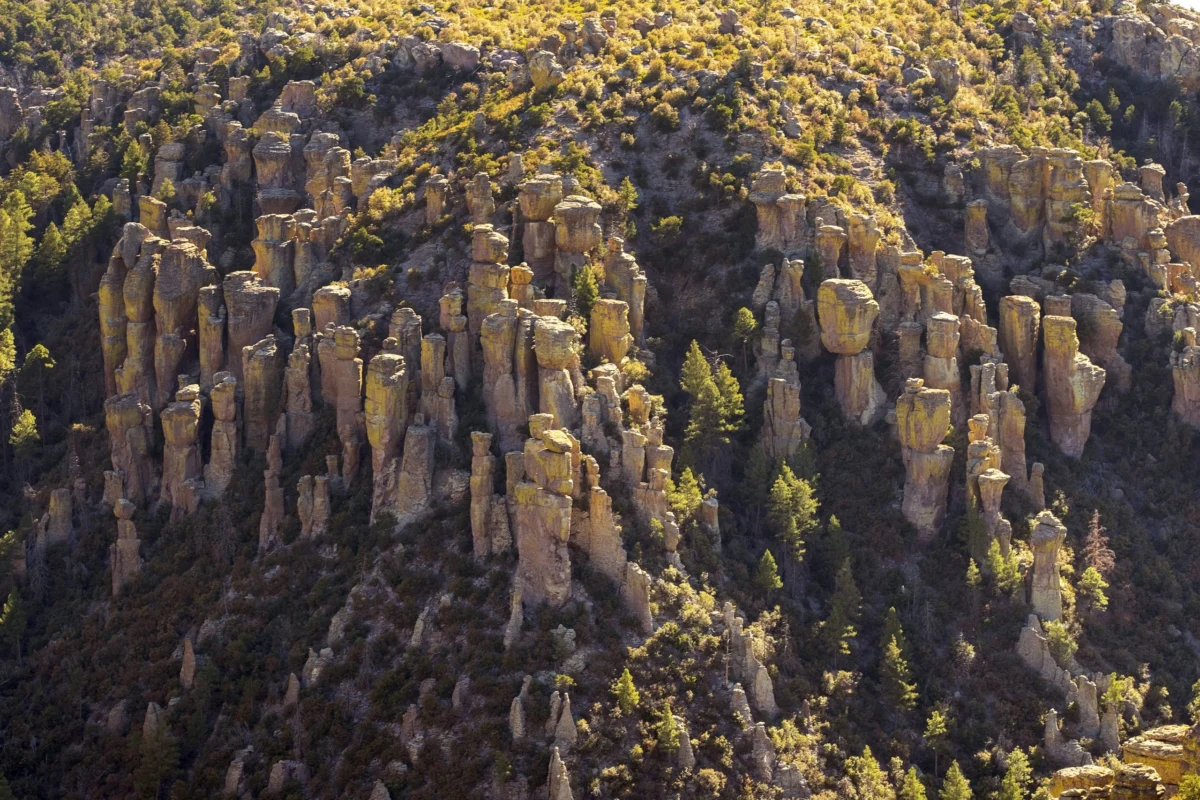
The Chiricahua Mountains in southeastern Arizona, long revered as one of North America’s premier biodiversity hotspots, have officially transitioned from a national monument to a national park, a move poised to dramatically reshape its future. This significant redesignation, enacted on October 20, 2026, by President Donald Trump through a bipartisan bill, marks the first new national park established during his second term, signaling a renewed focus on conservation in the American West. This remote yet ecologically crucial region, often described as a "sky island," draws both human enthusiasts and a spectacular array of wildlife, including the vibrant Elegant Trogon, elusive ring-tailed cats, and the rare jaguar, creating a unique nexus where tropical and temperate ecosystems converge.
These "sky islands" are isolated mountain ranges rising abruptly from arid desert floors, functioning as biological refugia that harbor distinct communities of flora and fauna. The Chiricahuas, part of the Madrean Archipelago, serve as vital stepping stones for species migrating between the Sierra Madre Occidental in Mexico and the Rocky Mountains further north. This ecological phenomenon supports an astonishing diversity, allowing species like the trogon, a chunky tropical bird, and jaguars, apex predators requiring vast territories, to extend their ranges far beyond typical habitats. The animals navigate vast stretches of open desert, agricultural fields, and the international border, relying on these elevated, cooler, and wetter mountain environments as critical sanctuaries and migratory corridors. However, this cross-border movement increasingly faces threats from habitat fragmentation, climate change-induced droughts, and the physical barriers of border infrastructure, which can sever these ancient pathways.

Approaching the Chiricahuas from the north, travelers pass through a dramatic geological formation near the aptly named town of Portal. The landscape abruptly transforms from expansive, dusty plains, often traversed by Border Patrol vehicles, into a narrow, tree-lined canyon. This verdant gorge, carved by the south fork of Cave Creek, is dotted with rustic cabins and forms a striking interface where vastly different ecosystems and human lifestyles meet. The microclimate within the canyon sustains a unique riparian habitat, offering a stark contrast to the surrounding desert and providing essential water resources for local communities and wildlife alike. This distinctive blend of natural beauty and human presence underscores the region’s complex ecological and socio-cultural tapestry.
The redesignation of Chiricahua National Monument to a National Park elevates its profile significantly. While national monuments protect areas of historic or scientific interest, national parks are generally larger, more diverse, and managed to preserve natural and scenic values for public enjoyment, often implying a higher level of federal protection and increased operational funding. This change is expected to attract a substantially larger influx of visitors than these relatively quiet mountains have experienced in generations. The bipartisan support for this legislation reflects a broad recognition of the Chiricahuas’ unique natural heritage and the growing imperative to protect such irreplaceable landscapes. Advocates hope the new status will unlock greater resources for conservation, infrastructure development, and educational programs, bolstering the park’s capacity to manage its delicate ecosystems.
However, the promise of increased tourism also brings inherent challenges. Enhanced visitor numbers necessitate expanded infrastructure, including improved roads, larger visitor centers, and more extensive trail networks, all of which must be carefully planned to minimize environmental impact. The delicate balance between public access and ecological preservation becomes paramount, requiring robust management strategies to prevent overcrowding, habitat degradation, and disruptions to wildlife. Local communities, like Portal, anticipate economic benefits from increased visitor spending but also grapple with potential strains on resources, such as water, and the transformation of their tranquil way of life.

The Chiricahuas’ journey to national park status mirrors broader trends in conservation across the United States and globally. As climate change intensifies and human development encroaches on natural spaces, the establishment and enhancement of protected areas become increasingly vital. These sanctuaries not only safeguard biodiversity but also offer critical services like clean water, carbon sequestration, and opportunities for scientific research and public recreation. The ongoing challenges of managing these areas, from combating invasive species to mitigating the effects of extreme weather events, underscore the complex realities of modern conservation.
Recent reports from the Chiricahua region highlight a pervasive sense of change, with observers noting rumors of significant land sales hundreds of miles away, sparking broader conversations about the future of arid landscapes and resource allocation across the American Southwest. Such anecdotal observations underscore the constant flux in land ownership and management that defines much of the Western United States, necessitating a vigilant network of sources and environmental monitors. The interconnectedness of these vast lands means that environmental shifts in one region inevitably resonate across distances, emphasizing the importance of collaborative efforts in conservation. Journalists and conservationists often function as vital conduits, bridging geographically disparate communities by disseminating critical information about land-use changes, climate impacts, and policy shifts. This exchange of knowledge is crucial for preparing communities for impending environmental transformations, whether anticipated through scientific modeling or emerging unexpectedly from local observations.
As Chiricahua National Park embarks on this new chapter, its future hinges on a delicate balance: honoring its ecological integrity while welcoming a new generation of visitors. The success of this endeavor will depend on sustainable management practices, community engagement, and a continued commitment to understanding and protecting its extraordinary natural and cultural heritage. The Chiricahuas stand as a testament to the enduring value of wilderness and a beacon for the interconnectedness of life across borders and landscapes.