Johny Prima

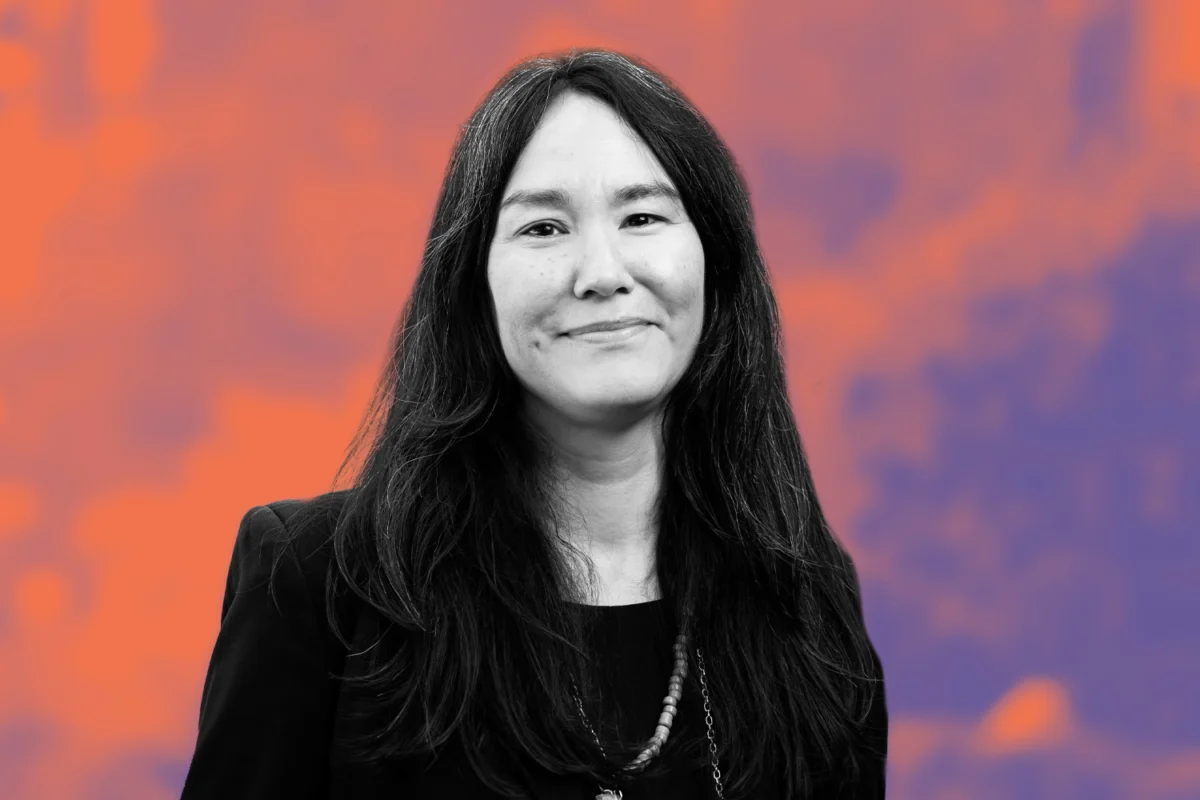
The political landscape of the United States witnessed a transformative moment on Tuesday, November 3, as New Mexicans overwhelmingly elected Deb Haaland, a proud member of the Laguna Pueblo, as their new governor, marking a profound first in U.S. history for a Native woman to hold such a distinguished executive office. This victory, celebrated at a vibrant election-night rally attended by figures like Idalia Lechuga-Tena, former legislator and current president of the New Mexico Federation of Democratic Women, underscores a growing momentum for Indigenous representation in public service, particularly among women. Haaland’s ascension to the governorship follows a remarkable career defined by breaking barriers and advocating for marginalized communities, cementing her status as a pivotal figure in American governance.
Her journey to the governor’s mansion is one of sustained pioneering effort. In 2018, Haaland made history alongside Sharice Davids (Ho-Chunk Nation) when they became the first two Native women ever elected to the U.S. Congress, representing New Mexico’s First Congressional District. During her time in the House of Representatives, Haaland distinguished herself as a vocal proponent for environmental protection, Indigenous rights, and social justice. She served on crucial committees, including the House Natural Resources Committee, where her insights as an Indigenous woman provided invaluable perspectives on land management, resource allocation, and tribal sovereignty. Her legislative efforts focused on issues ranging from climate change to the protection of sacred sites, demonstrating a deep commitment to the welfare of both the environment and Indigenous communities.

This congressional tenure paved the way for another groundbreaking appointment when President Joe Biden nominated her to lead the Department of the Interior. Her confirmation as the first Indigenous woman to oversee this powerful federal agency was a landmark event, placing a Native person at the helm of the department that manages vast swaths of federal lands and holds a unique trust responsibility to the nation’s 574 federally recognized tribes. As Secretary, Haaland embarked on ambitious initiatives, including the "Road to Healing" tour, which investigated the dark legacy of federal Indian boarding schools and sought to address the intergenerational trauma inflicted upon Indigenous families. She championed renewable energy projects on public lands, worked to restore tribal co-management of national parks and monuments, and prioritized efforts to address the crisis of missing and murdered Indigenous people (MMIP), bringing a long-overdue focus to these critical issues. Her leadership at Interior was characterized by a commitment to fostering meaningful consultation with tribal nations, ensuring Indigenous voices were central to policy decisions affecting their lands, cultures, and futures.
Haaland’s successful gubernatorial campaign resonated deeply with New Mexicans, centering on a platform directly addressing the daily struggles faced by residents across the diverse state. Her agenda prioritized affordability, aiming to alleviate the economic pressures on working families through targeted tax relief, investment in local businesses, and initiatives to lower the cost of living. On safety, she advocated for community-based policing reforms, enhanced support for first responders, and comprehensive strategies to combat crime, recognizing the need for both robust law enforcement and preventative social programs. Healthcare access and affordability were cornerstones of her platform, with pledges to expand Medicaid, reduce prescription drug costs, and bolster rural healthcare infrastructure, particularly critical in a state with significant rural and Indigenous populations. Furthermore, her commitment to education sought to improve public schools, increase teacher pay, expand early childhood education programs, and ensure equitable access to quality learning opportunities for all students, from diverse urban centers to remote tribal communities.
New Mexico, with its rich tapestry of Indigenous, Hispanic, and Anglo cultures, provides a uniquely symbolic setting for Haaland’s historic governorship. The state boasts the highest percentage of Native Americans in its population, making her victory particularly resonant for communities that have historically been underrepresented and marginalized in state leadership. Her election not only signifies a profound shift in political power but also offers a beacon of hope for greater self-determination and recognition of Indigenous sovereignty within the state’s governance. The state’s diverse energy economy, significant public lands, and ongoing environmental challenges mean Haaland’s experience at the Department of the Interior will be invaluable in guiding New Mexico toward a sustainable and equitable future.

Haaland’s groundbreaking achievement is also part of a broader, accelerating trend of Indigenous women stepping into positions of power across the United States and globally. The November 3 elections themselves saw several other Native women elevated to public office at various levels, from state legislatures to local councils, further diversifying the nation’s political landscape. This surge in representation reflects decades of tireless activism and community organizing by Indigenous women, who have long been at the forefront of movements for environmental justice, tribal rights, and social equity. Figures like Peggy Flanagan, the Lieutenant Governor of Minnesota, and Mary Peltola, the first Alaska Native elected to Congress, exemplify this growing political force. Their successes are dismantling historical barriers and challenging entrenched systems that have historically excluded Indigenous voices from mainstream political discourse.
Globally, the rise of Indigenous women in leadership mirrors a worldwide movement for Indigenous rights and self-determination. In nations like Canada, New Zealand, and various Latin American countries, Indigenous women are increasingly occupying prominent political roles, advocating for their communities, and shaping national policies. From the legislative halls of Ottawa to the Māori Parliament in New Zealand, these leaders are bringing unique perspectives rooted in ancestral knowledge, communal values, and a deep connection to the land. Their efforts often intersect with broader global challenges such as climate change, biodiversity loss, and human rights, offering innovative solutions grounded in traditional ecological knowledge and sustainable practices. The United Nations Declaration on the Rights of Indigenous Peoples (UNDRIP) provides a global framework for these advancements, affirming the rights of Indigenous peoples to self-determination and participation in decision-making processes, principles that Haaland’s governorship in New Mexico is poised to champion at a state level.
The election of Deb Haaland as governor of New Mexico is more than just a local political victory; it is a powerful affirmation of the enduring strength, resilience, and political agency of Indigenous peoples, particularly Indigenous women, in shaping the future of democratic governance. Her leadership offers a compelling model for inclusive governance, demonstrating that diverse voices are not only essential for equitable representation but also critical for crafting effective solutions to the complex challenges facing societies worldwide. As New Mexico embarks on this new chapter under her leadership, the eyes of the nation and the world will be watching, recognizing the profound significance of this moment for Indigenous communities and for the future of progressive leadership.