Johny Prima
Across the verdant landscapes of the Pacific Northwest, where the Skagit River carves its path through ancestral territories, a crucial battle for ecological preservation and indigenous sovereignty is unfolding. At its heart lies the ambitious Smokehouse Tidal Marsh project, launched in 2022 on the Swinomish Indian Reservation, a visionary endeavor set to transform 250 acres of former agricultural land into thriving estuaries and wetlands. This project represents a cornerstone of broader tribal efforts aimed at reversing decades of environmental degradation and restoring the severely depleted populations of Puget Sound chinook salmon, Puget Sound steelhead, bull trout, and the iconic southern resident killer whales within the vital Skagit River Watershed. These species, inextricably linked to the region’s ecological health and tribal cultures, face existential threats primarily due to habitat loss and degradation, a direct consequence of historical development and agricultural expansion.
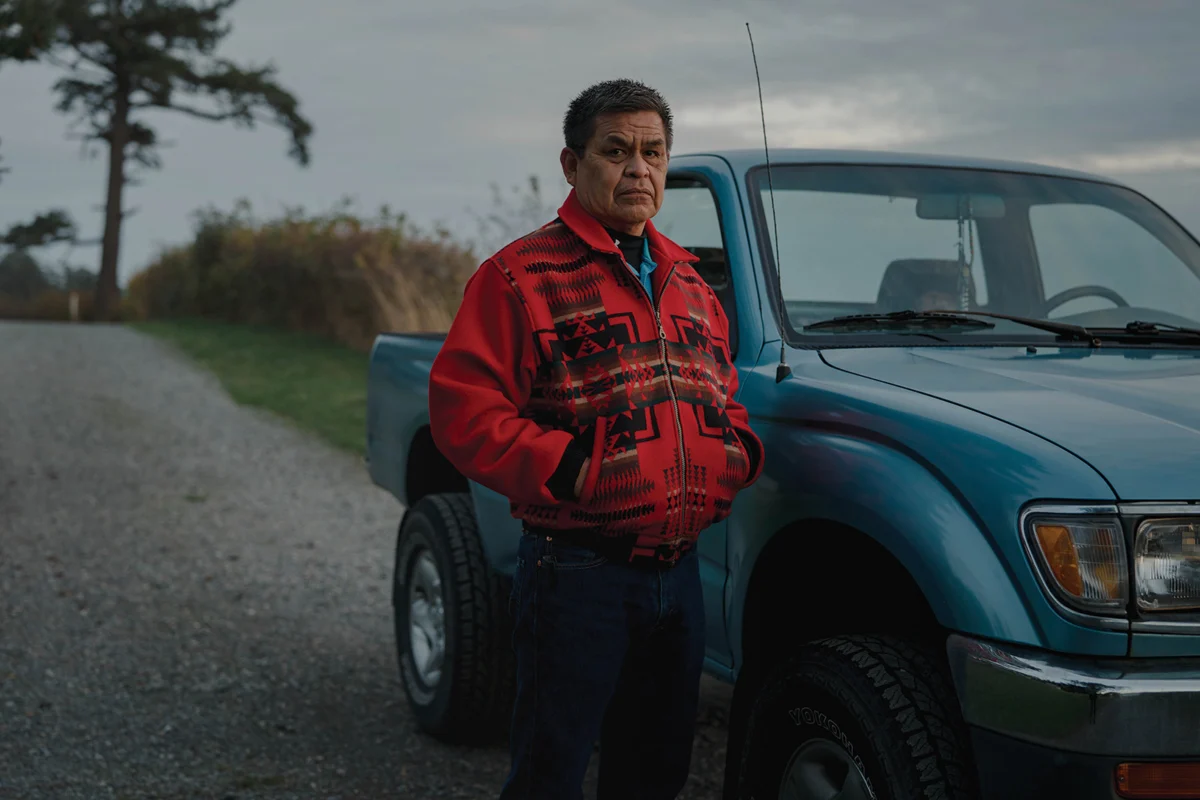
"Over the past 150 years or so, there’s been significant damage to the habitat, and the habitat is what salmon needs," observed Swinomish Tribal Indian Community Chairman Steve Edwards, a lifelong fisherman with over five decades of intimate knowledge of these waters. His words underscore the profound connection between the land, the water, and the very survival of these cherished species, a connection that indigenous communities have honored for millennia.
However, these crucial restoration efforts, driven by deep cultural imperatives and scientific understanding, face an unprecedented challenge. In July 2020, the Trump administration enacted a significant reinterpretation of the 1973 Endangered Species Act (ESA), a landmark piece of environmental legislation that has served as a critical safeguard for imperiled species across the United States. Historically, the ESA’s definition of "harm" to a species encompassed not only direct physical injury but also the destruction or adverse modification of the essential habitat and resources necessary for its survival, thus providing broad, ecosystem-wide protection. The revised interpretation, however, dramatically narrowed this scope, limiting "harm" to the intentional killing or direct physical injury of an individual animal. This radical shift effectively dismantled the long-standing emphasis on habitat protection, which conservationists and tribal nations argue is the very foundation of species recovery.
The same day the rule change was finalized, July 14, 2020, the Swinomish and Squaxin Island tribes swiftly filed a lawsuit against the federal government, condemning what they termed a "radical reinterpretation" of the law. Their legal challenge asserted that the Trump administration’s revisions flagrantly disregarded over 50 years of congressional intent and established Supreme Court case law that consistently upheld a holistic view of species protection. The lawsuit articulated the profound stakes for tribal communities, stating, "Squaxin’s cultural and economic well-being depend upon the health and sustainability of Pacific Salmon and other freshwater and marine resources, which play a central role in the daily lives of Tribal members." This statement highlights the intricate web of cultural identity, spiritual practice, and economic sustenance woven into the health of these ecosystems.
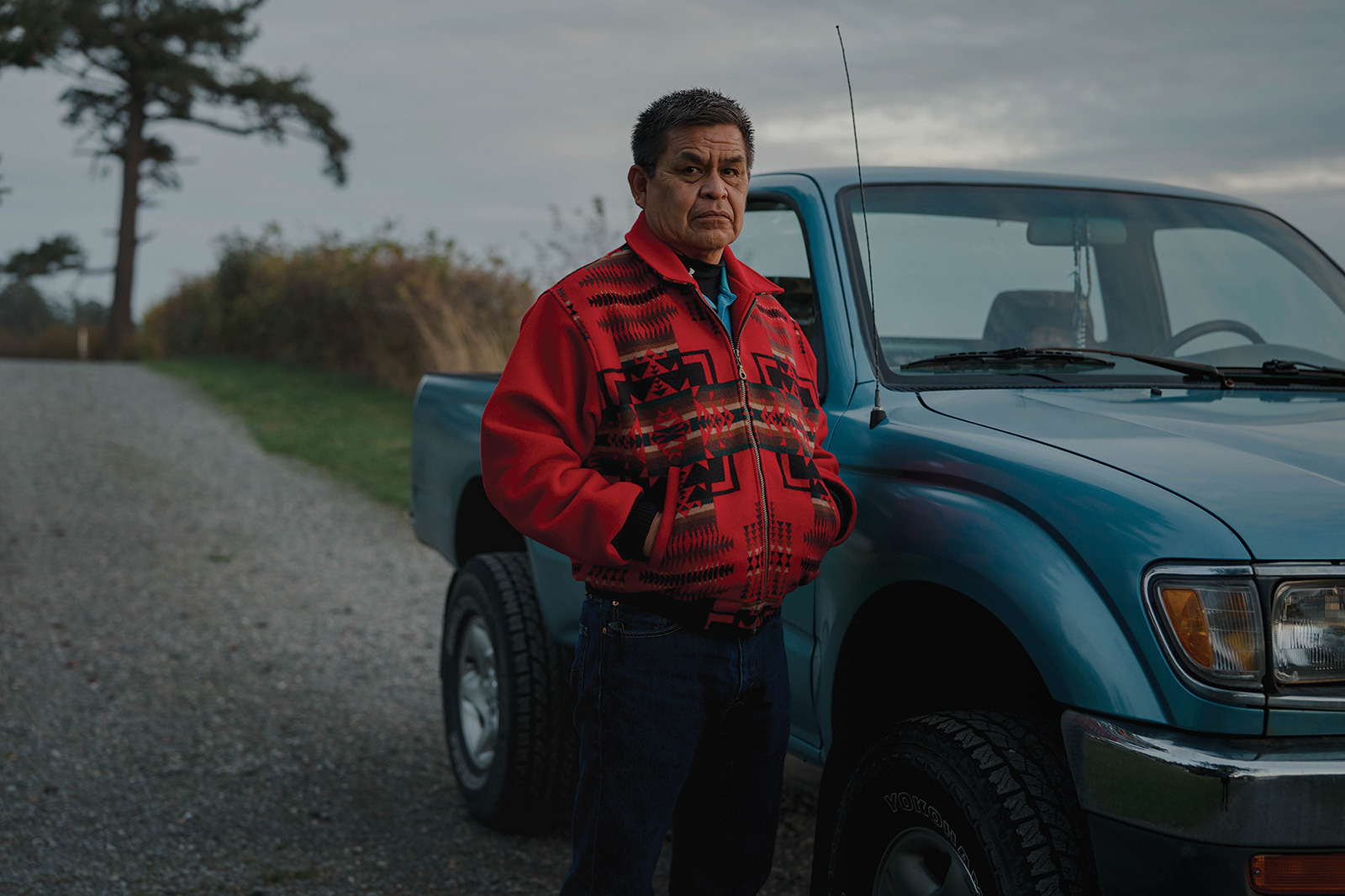
Chairman Edwards voiced profound disappointment, noting that federal agencies failed to respond to the Swinomish Tribe’s requests for government-to-government consultation, a fundamental obligation stemming from the United States’ trust responsibility to Native nations. "It feels almost like we’ve been betrayed by our federal trustees," Edwards stated, emphasizing how the change diminishes their inherent treaty rights. "It’s super disturbing that we had to fight this fight." This sentiment of betrayal resonated widely among Native nations, many of whom had voiced strong opposition during the public comment period when the changes were initially proposed. They consistently highlighted the critical absence of meaningful tribal consultation, alongside the potentially devastating impacts the new interpretation would have on the recovery trajectories of imperiled species, many of which hold profound cultural, spiritual, and relational significance for tribal citizens.
The ramifications of this regulatory shift extend far beyond ecological concerns, threatening to destabilize the economies of fishing communities and undermine the subsistence practices of those who rely on salmon for their survival. The salmon, an anadromous species that migrates from freshwater rivers to the ocean and back to spawn, is a keystone species whose health is indicative of the broader aquatic ecosystem. Their decline has cascading effects, notably impacting the critically endangered Southern Resident Killer Whales of Puget Sound, whose primary diet consists of Chinook salmon. Without robust salmon populations, the future of these iconic marine mammals remains bleak.
The opposition to these changes is not confined to the Pacific Northwest. Tribes across the nation raised concerns for a diverse array of species. The Pueblo of San Felipe, for instance, cited potential impacts on the monarch butterfly, a vital pollinator facing its own challenges, and Suckley’s cuckoo bumblebee. The Fallon Paiute-Shoshone Tribe voiced deep concern for the Dixie Valley toad, a species they regard as a relative. Chairwoman Cathi Williams-Tuni articulated the tribe’s concerns regarding a nearby proposed geothermal project, which had been halted in 2022 after the toad was listed as endangered. She powerfully stated in public comments, "It is obvious that removing water from a species that needs water to survive harms both individual members of the species and the species’ population." Williams-Tuni warned that should the geothermal project resume under the new ESA interpretation, "These harms in Dixie Valley would be catastrophic, permanently ruining the Tribe’s sacred site and ending the ability to use the springs for medicine and ceremonies."
The tribes’ lawsuit urged the court to prevent the regulatory changes, which formally took effect on September 14, 2020, from moving forward. They sought a judicial decision declaring the revisions unlawful and mandating a reversion to the previous, more expansive definitions of "harm." While hopeful for a swift resolution, the tribes are prepared for a protracted legal battle that could span many months.
From the perspective of developers and various industries, the revised definition of "harm" offers significant advantages. It could potentially alleviate the need to consider or mitigate the broader habitat impacts of their operations. Previously, activities threatening to destroy critical habitat for a protected species typically triggered a rigorous permit process, which often necessitated tribal consultation. Under the new rules, such permits would be required far less frequently, effectively sidelining tribal voices and concerns from crucial decision-making processes. Furthermore, the amended definition places the burden of proof on demonstrating intentional harm, a notoriously difficult standard to meet in legal proceedings, as noted by Bob Anderson, an esteemed Oneida Indian Nation visiting professor of law at Harvard Law School and a member of the Bois Forte Band of the Minnesota Chippewa Tribe. "Companies won’t have any incentives to negotiate with the government or environmental groups or tribes about how their activities are going to affect the listed species," Anderson cautioned, highlighting the potential for unchecked industrial expansion at the expense of vulnerable ecosystems.

The implications of this policy shift could also destabilize large-scale agreements governing river systems that host ESA-listed species. Major rivers like the Klamath, Elwha, and Columbia currently operate under mandates requiring specific water releases from dams at certain times of the year to support the migration and spawning cycles of endangered or threatened salmon. The new interpretation casts a shadow of uncertainty over these existing agreements and legal frameworks, threatening to make salmon recovery efforts exponentially more arduous. Kayeloni Scott, a Nez Perce and Spokane citizen and executive director of the Columbia River Snake Campaign, a coalition dedicated to conservation, businesses, and tribal rights, emphasized the immense challenge ahead. "We’re not even close to delisting these species," Scott stated. "Our goal is abundance – healthy and abundant populations – that’s a whole other level, a whole other tier. Even getting to delisting, we’re pretty far off."
Anderson also underscored the significant political risk involved in challenging a powerful federal administration, noting its reputation for retaliation. He cited a striking example from 2020 involving the Miccosukee Tribe of Indians of Florida, which joined a lawsuit against the administration over the construction of an immigration detention center in the Everglades. Later that year, President Donald Trump vetoed an unrelated bipartisan bill that would have returned land to the tribe, explicitly citing the tribe’s opposition to the detention center as his reasoning, asserting the Miccosukee Tribe was "unaligned with my Administration’s policy of removing violent criminal illegal aliens from the country." "That’s a real message there to plaintiffs that they’re going to retaliate against you," Anderson warned, "You’re locking horns with the federal government."
Despite these daunting legal and political hurdles, Chairman Edwards remains steadfast in his commitment to upholding the sovereign rights of the Swinomish nation for future generations. He affirmed that the tribe’s vital restoration work will continue unabated, regardless of the outcome of the lawsuit. "It does impact our sovereignty," Edwards reiterated, referring to the change in species protections. "Generations down the road, I want (Swinomish citizens) to be able to exercise their treaty rights like I have done in the past." The legal battle represents not merely a fight for environmental policy but a profound assertion of self-determination and the enduring responsibility to protect the natural world that sustains their people and heritage.