Johny Prima
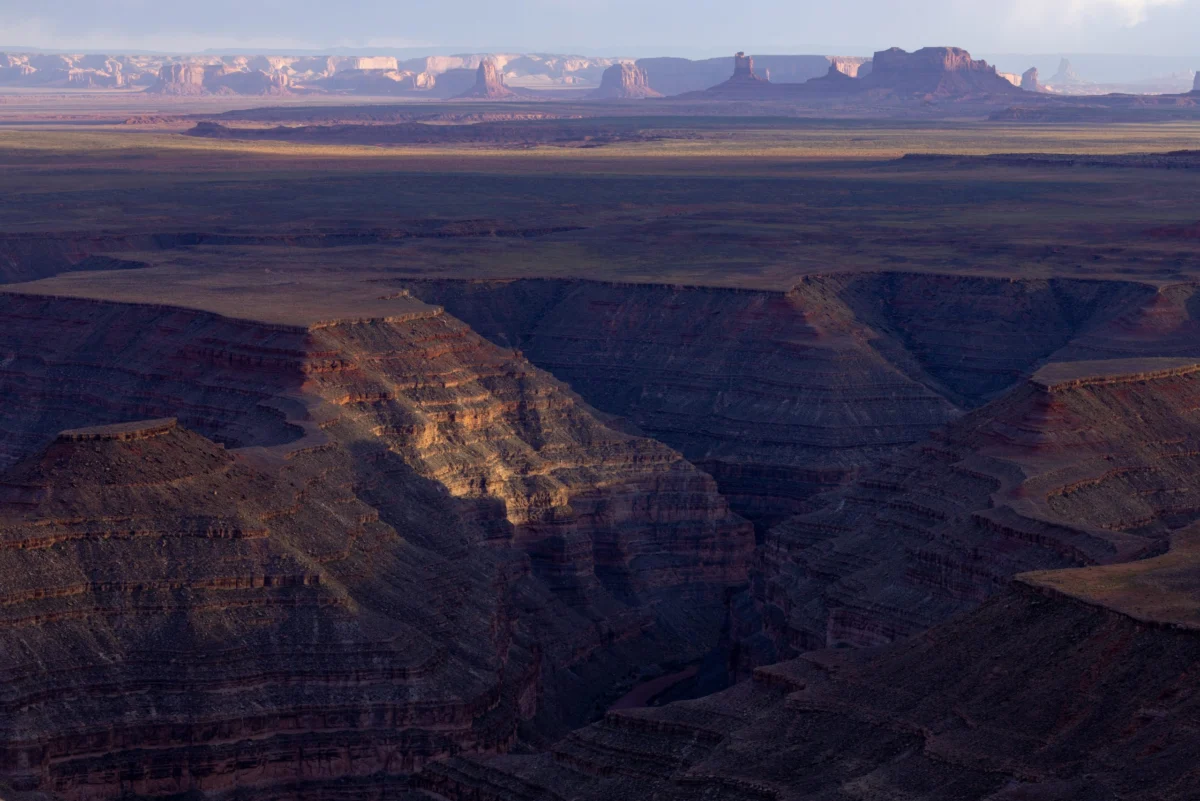
The original 2016 proclamation establishing Bears Ears National Monument, a landmark decision, was lauded for its inclusion of Native languages and its profound recognition of the landscape’s spiritual and historical significance, often described as a "love letter" to the land. In stark contrast, the subsequent 2026 proclamation sought to diminish this inherent value, portraying the area as merely "unremarkable" and common across the Southwest, thereby implying it warranted no special protection. This narrative, critics argue, framed land protection as an act of theft, echoing a pattern of fearmongering and disrespect for established traditions. The Antiquities Act of 1906, the very legislative tool used to create the monument, explicitly identifies such lands as worthy of preservation due to their deep historical, archaeological, and cultural importance, a fact the subsequent proclamation conspicuously downplayed.
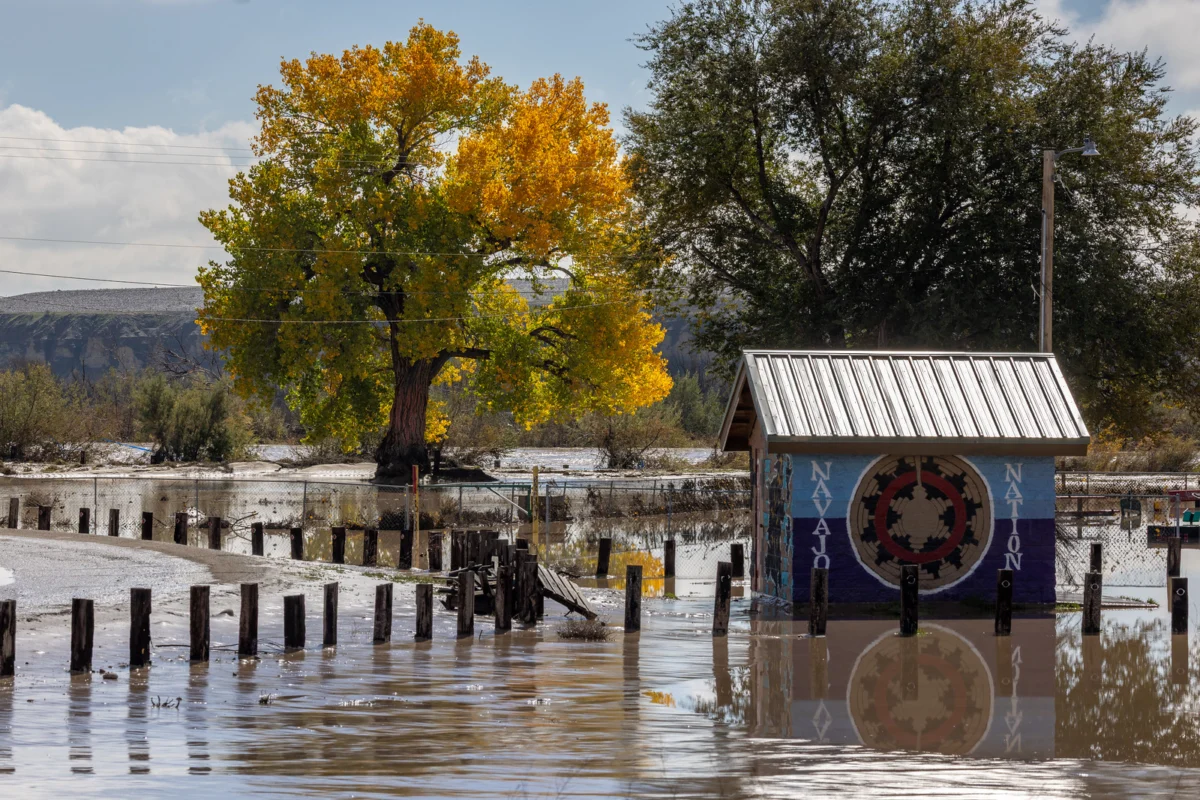
The widespread rejection of the 2026 proclamation extends not only to Bears Ears but also to Grand Staircase-Escalante National Monument, another Utah landscape targeted by the same administration and equally cherished by numerous tribal nations. Indigenous leaders and their allies emphatically state that no sitting president holds the unilateral authority to disregard the voices, leadership, and time-honored land-management practices of sovereign tribal nations, including the five tribes comprising the Bears Ears Commission: the Hopi Tribe, Navajo Nation, Ute Mountain Ute Tribe, Ute Indian Tribe of the Uintah and Ouray Reservation, and Zuni Tribe. These tribes, whose indelible ties to these ancestral lands span thousands of years, assert their right to meaningful consultation, a right deeply enshrined in federal law and policy that the administration largely ignored. The United States, with its relatively brief 250-year history, stands in stark temporal contrast to the millennia of Indigenous presence and stewardship across these lands.
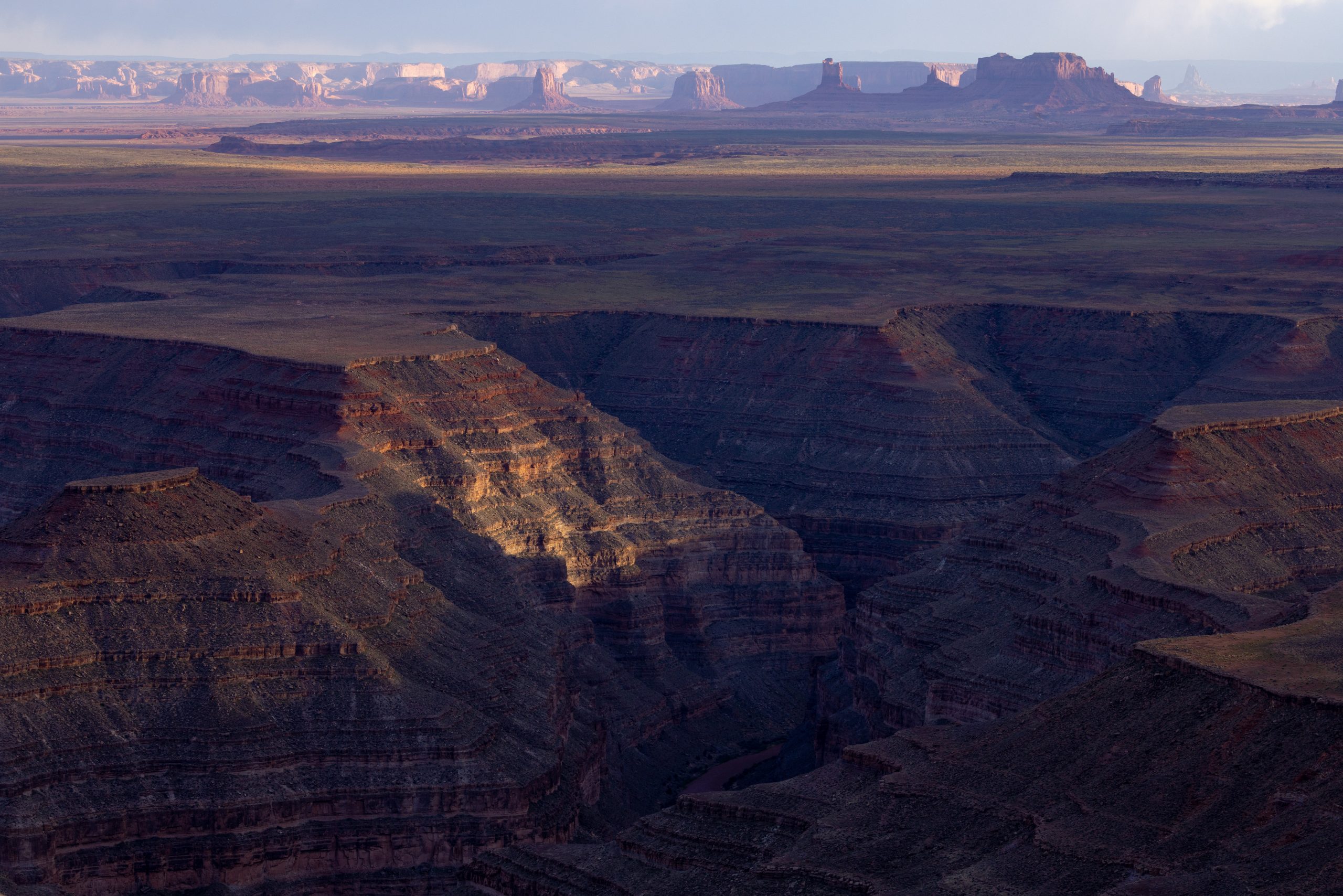
The urgency surrounding this issue is not theoretical; it carries tangible, immediate consequences. Reports indicate that mining claims were swiftly filed within the boundaries of what should have remained protected monument land following the reduction. This aggressive posture reflects a broader administration agenda to open public lands to industrial development, particularly for resource extraction. Each passing month that the challenged order stands brings the region closer to the irreversible damage that drill rigs and bulldozers could inflict upon places meticulously preserved for generations. This is not merely a policy disagreement amenable to passive waiting; once these sacred and ecologically vital lands are disturbed, their unique character and ancient integrity can never be fully restored.
Beyond the staggering loss of protection for the monument’s unique attributes—its priceless petroglyphs, ancient ancestral dwellings, and other irreplaceable cultural sites—the strategy employed by monument opponents raises significant concerns. Critics highlight the deliberate use of fearmongering tactics and the propagation of a false zero-sum narrative, suggesting that land protection inevitably entails economic loss for local communities. This approach systematically sowed uncertainty and distrust, undermining the decade-long efforts by tribes to build a collaborative, good-faith vision for land management with federal agencies like the Bureau of Land Management. The tribal nations’ proposals for co-management, deeply rooted in traditional ecological knowledge, offered a holistic approach to conservation that respected both cultural heritage and ecological health.
Native peoples continue to stand resolute, committed to holding the federal government accountable for its actions. They are vigilant guardians, observing the impacts on these lands with profound concern. Their stand is not solitary; a powerful, diverse coalition representing millions of Americans joins them in demanding the full and immediate restoration of these protected areas. This coalition underscores the broad public support for preserving national monuments, recognizing their value not only as cultural and historical treasures but also as economic drivers through responsible tourism and recreation.

The fight has progressed beyond rhetoric to decisive legal action. Tribal nations, alongside prominent conservation partners, have formally initiated litigation challenging the proclamations that drastically reduced both Bears Ears and Grand Staircase-Escalante National Monuments. This legal battle represents a fervent defense of these living, sacred places, signaling a steadfast refusal to allow their desecration without a formidable challenge. The legal position articulated by the plaintiffs is straightforward and compelling: the Antiquities Act of 1906 grants presidents the authority to designate national monuments for the protection of significant natural, cultural, or scientific features, but it confers no explicit power to revoke or substantially shrink such designations. This fundamental legal argument will be vigorously pursued in court for as long as necessary, with the ultimate objective of restoring Bears Ears National Monument to its original, fully intact status, and enabling the Bears Ears Inter-Tribal Coalition and the Bears Ears Commission to continue their vital work of stewardship and co-management.
Yet, litigation alone, however crucial, may not suffice to safeguard these invaluable landscapes. The sustained protection of Bears Ears and other threatened public lands necessitates a broader, collective effort from all Americans. It requires active public engagement, vocal advocacy, and a shared commitment to resisting any attempts to diminish or exploit these beloved national treasures. The future of Bears Ears National Monument, with its profound cultural significance, unparalleled archaeological sites, and unique ecological systems, hangs in the balance, representing a critical test of America’s commitment to conservation, tribal sovereignty, and the preservation of its natural and cultural heritage for generations to come.