Rocky Gerung
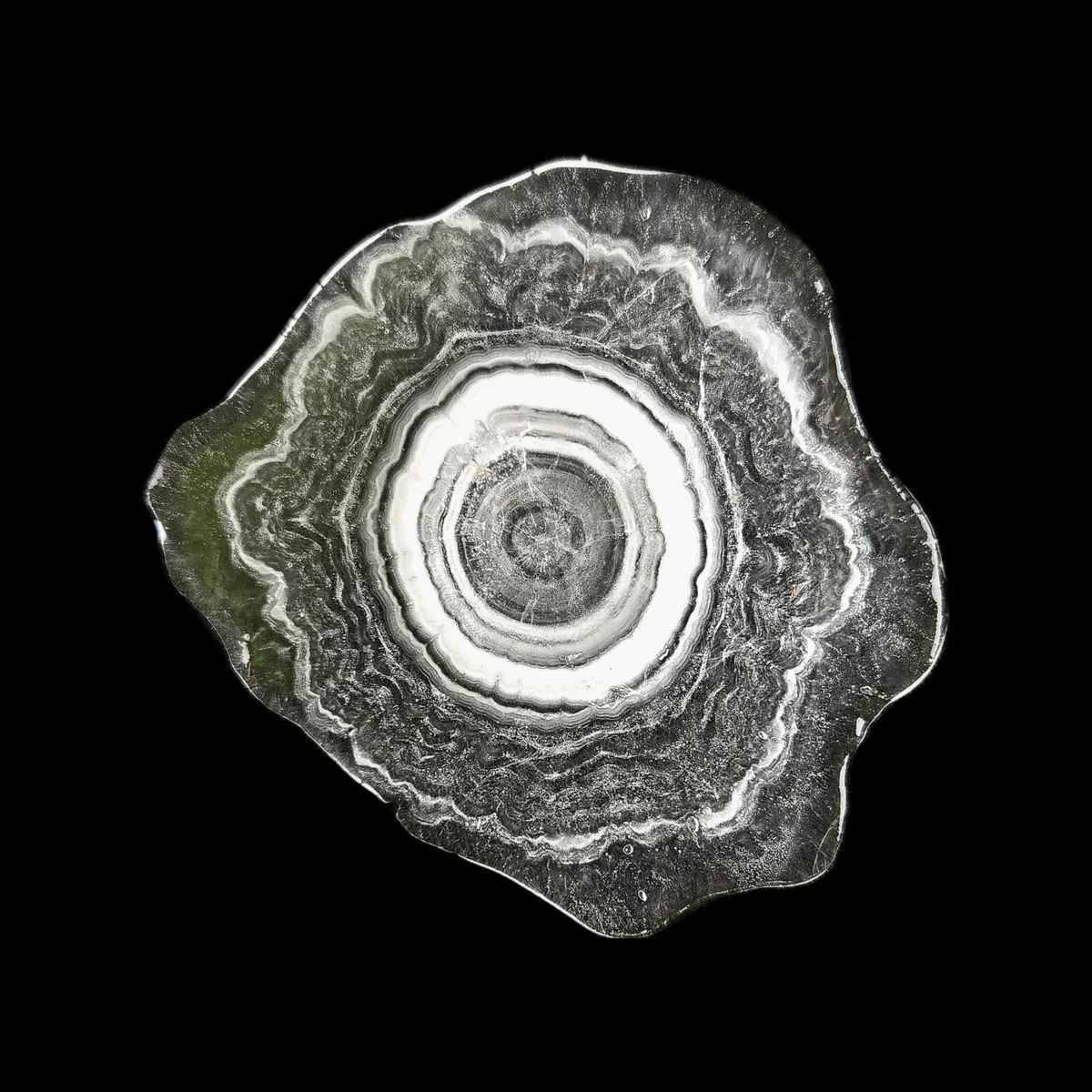
Atmospheric researcher Anthony Bernal Ayala meticulously slices hailstones in a specialized cold laboratory in Boulder, Colorado, where temperatures are maintained at a frigid minus 4 degrees Fahrenheit (minus 20 degrees Celsius). These frozen specimens, much like the rings of a tree, reveal layers of icy growth—clear or cloudy, thick or thin—each narrating a unique story of the conditions under which the hail formed. A clear layer signifies slow freezing, allowing ice crystals to form with fewer trapped air bubbles, while a cloudy layer indicates rapid freezing, trapping air and creating a more opaque appearance. Bernal Ayala then delves deeper, analyzing the crystalline structures, embedded particles, and isotopic signatures preserved within these layers. "All that information can tell you a wonderful story of how the hailstone was growing, but nobody—not until now—was able to tap into that history," stated Bernal Ayala, affiliated with Atmospheric and Environmental Research, part of the JANUS Research Group.
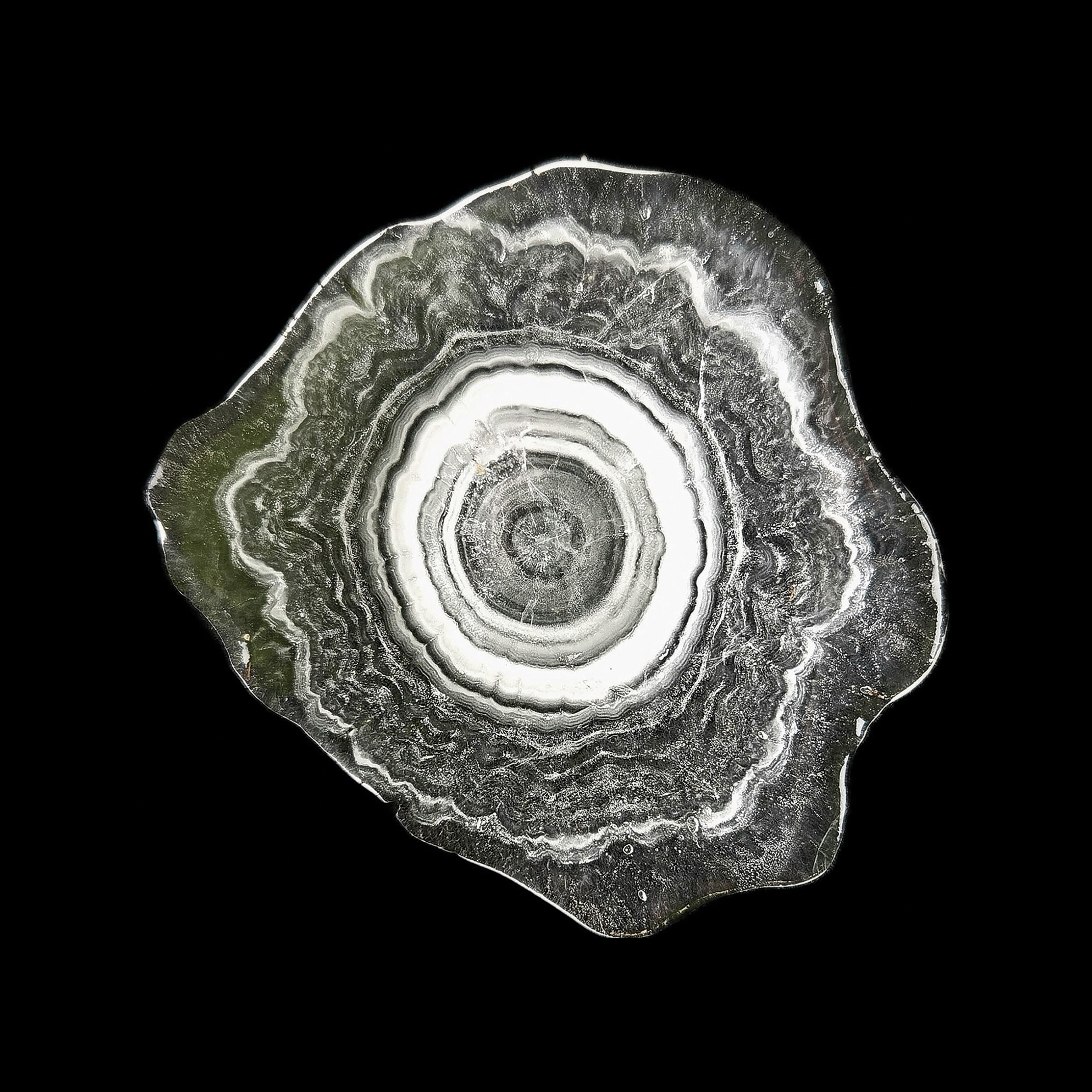
This groundbreaking research, conducted at the National Center for Atmospheric Research (NCAR), is a pivotal component of a significant, long-term initiative dedicated to understanding one of the most economically damaging weather phenomena. The ultimate goal of these investigations is to enhance protective measures for lives and property against the destructive force of hailstones, which can inflict severe damage on infrastructure, decimate agricultural yields, and cause extensive damage to vehicles.
The economic toll of severe thunderstorms, with hail being a primary contributor, has escalated dramatically. According to the Insurance Institute for Business and Home Safety, annual losses from these events exceeded $50 billion nationwide between 2023 and 2025, more than doubling the figures from just a decade prior. Hail alone is responsible for an alarming 60 to 80% of this damage. In Colorado, a state particularly susceptible to severe hail events, rising insurance premiums are driven more by hail than by wildfire. Projections indicate that larger, more damaging hailstones will become increasingly prevalent as the climate continues to warm. "It’s going to just keep getting costlier and costlier," Bernal Ayala observed, underscoring the urgency of this research.

Even fundamental questions surrounding hail formation and behavior have historically proven difficult to answer, but a renewed focus on hail research, including the first major U.S. field campaign dedicated to hail in over four decades, promises to change this landscape. The ICECHIP (In-situ Collaborative Experiment for the Collection of Hail In the Plains) initiative aims to significantly improve weather forecasting accuracy, refine warning systems, and empower communities to better prepare for and mitigate hail-related risks. This ambitious project received $11 million in funding from the National Science Foundation in 2024, a crucial investment preceding subsequent budgetary constraints on the foundation.
During a concentrated six-week period in the spring of 2025, approximately 100 scientists and university students embarked on a mission to track and study hailstorms across the Central Plains and Front Range, extending their reach from the Canadian to the Mexican borders. They deployed advanced technologies, including radar-equipped trucks for storm tracking and drones for aerial reconnaissance. Researchers meticulously documented hail characteristics by photographing them with high-speed cameras, measuring their impact velocity with a specialized instrument called a disdrometer, and recording their distribution and size by analyzing imprints left on foam pads. Hail samples were collected in specially designed funnels, and their physical properties, such as strength, were assessed by crushing them. Adding an international dimension to the effort, scientists from the Australian Bureau of Meteorology utilized balloons to deploy golf ball-sized sensors into storm systems. These airborne probes gathered crucial data on their velocity, the rate of ice accretion, and even recorded the impact of water droplets and hailstones through an integrated microphone. "This has really been the first time where we’ve been able to do a real comprehensive look at hail on the ground, hail aloft, the storm itself, the environment around the storm—just everything all at once," commented Becky Adams-Selin, the lead investigator for ICECHIP and a principal scientist at Atmospheric and Environmental Research, part of the JANUS Research Group.

The collected ICECHIP samples, meticulously documented and preserved, were transported to NCAR in 26 cooler-sized containers. NCAR, a globally recognized center for atmospheric and climate research, has a long history of studying hail. Notably, in the 1970s, the center was involved in investigating Soviet claims regarding the feasibility of hail suppression techniques. Researchers highlight that the specialized facilities at NCAR are unique in the United States, with a contingency plan for sample storage involving a walk-in freezer from a fast-food restaurant underscoring the project’s resourcefulness.
However, the future of NCAR itself has become uncertain. In late 2025, the Trump administration announced its intention to dissolve the center and relocate its operations out of state. The University Corporation for Atmospheric Research (UCAR), which manages NCAR, initiated legal proceedings in March, alleging that the administration’s actions constitute a targeted reprisal against NCAR due to Colorado’s adherence to its mail-in voting system and a perceived political dispute involving Governor Jared Polis and a former election official. A federal judge has since issued a temporary injunction, blocking the administration’s efforts to dismantle NCAR, with the government mandated to respond to the lawsuit by September 30. "I can’t even quantify the impact that it would have to our community if we lost NCAR. They are the beating heart," stated Victor Gensini, a professor of meteorology at Northern Illinois University, emphasizing the profound significance of NCAR to the scientific community.

Previous scientific research has consistently pointed towards the intensifying effects of climate change on hail phenomena. While warmer global temperatures might lead to the melting of smaller hailstones before they reach the ground, they also fuel more powerful updrafts within thunderstorms. These stronger updrafts can suspend hailstones in the atmosphere for extended periods, allowing them to grow larger and more destructive, thereby increasing the frequency of the most damaging hail events. A testament to this trend, a record-breaking hailstone measuring over 5 inches in diameter was recovered in Yuma County, Colorado, in 2023. That same year, Colorado recorded 176 reports of hail measuring 2 inches or greater, significantly surpassing the previous record of 91 reports in 2018, according to data from the Colorado Climate Center.
Scientists acknowledge the complexity in attributing the rise in damage solely to an increase in large hail versus the proliferation of development in hail-prone regions. The phenomenon of the "expanding bull’s-eye effect" describes the heightened insured losses resulting from the convergence of a rapidly growing human footprint and increased severe weather activity. Gensini, a principal investigator for ICECHIP, cites the rapid development east of the Front Range, particularly along Colorado’s Interstate 25 corridor, as a prime example. This region has experienced explosive population growth in recent decades; the Fort Collins metropolitan area alone has seen its population double since 1990 to approximately 375,000 residents, according to U.S. Census Bureau data. This pattern of urbanization is occurring across the Western United States, transforming previously rural or open areas into densely populated, and increasingly valuable, targets for hail damage. "Colorado is the poster child for what I expect the next 25 years to look like for hail," Gensini predicted.

In response to the escalating threat, Fort Collins became one of the first cities to implement hail-specific roofing requirements for new construction and renovations in 2019. Marcus Coldiron, the city’s chief building official, indicated that these measures were partly a reaction to the substantial volume of damaged roofing materials sent to landfills following a severe hailstorm in 2018. The effectiveness of these requirements is still under evaluation; Coldiron noted a decrease in permits issued for roof replacements and a corresponding reduction in discarded shingles. However, Fort Collins has not yet experienced another hailstorm of the same magnitude as the 2018 event. Consequently, a growing number of communities along the Front Range have incorporated impact-resistant shingles into their building codes. Furthermore, Colorado legislators recently enacted a law establishing grant programs to assist residents in the installation of more resilient roofing materials.
The researchers involved in the ICECHIP project are also actively exploring avenues to enhance building materials, particularly as the frequency of billion-dollar losses from single weather events continues to rise. "The dollars are simply piling up so fast," observed Ian Giammanco, a lead research meteorologist at the Insurance Institute for Business and Home Safety, a key partner in the ICECHIP initiative. "We’re still trying to understand how do we get the best materials onto roofs, onto people’s homes, onto businesses to actually start shaving off these losses." This comprehensive research effort promises to equip communities with the knowledge and tools necessary to better withstand the growing threat posed by increasingly severe hail events.