Rocky Gerung
What began as a seemingly ordinary film shoot in the quiet streets of Livingston, Montana, rapidly escalated into a national controversy, igniting debates about immigration, free speech, and the adequacy of local governance. In late September, residents of a normally tranquil neighborhood east of Livingston’s charming downtown awoke to find their street transformed by orange-and-white traffic barricades. The air soon filled with the simulated sounds of conflict as actors portraying Antifa rioters and U.S. Immigration and Customs Enforcement (ICE) officers engaged in staged gunfire, culminating in the on-set explosion of a car.
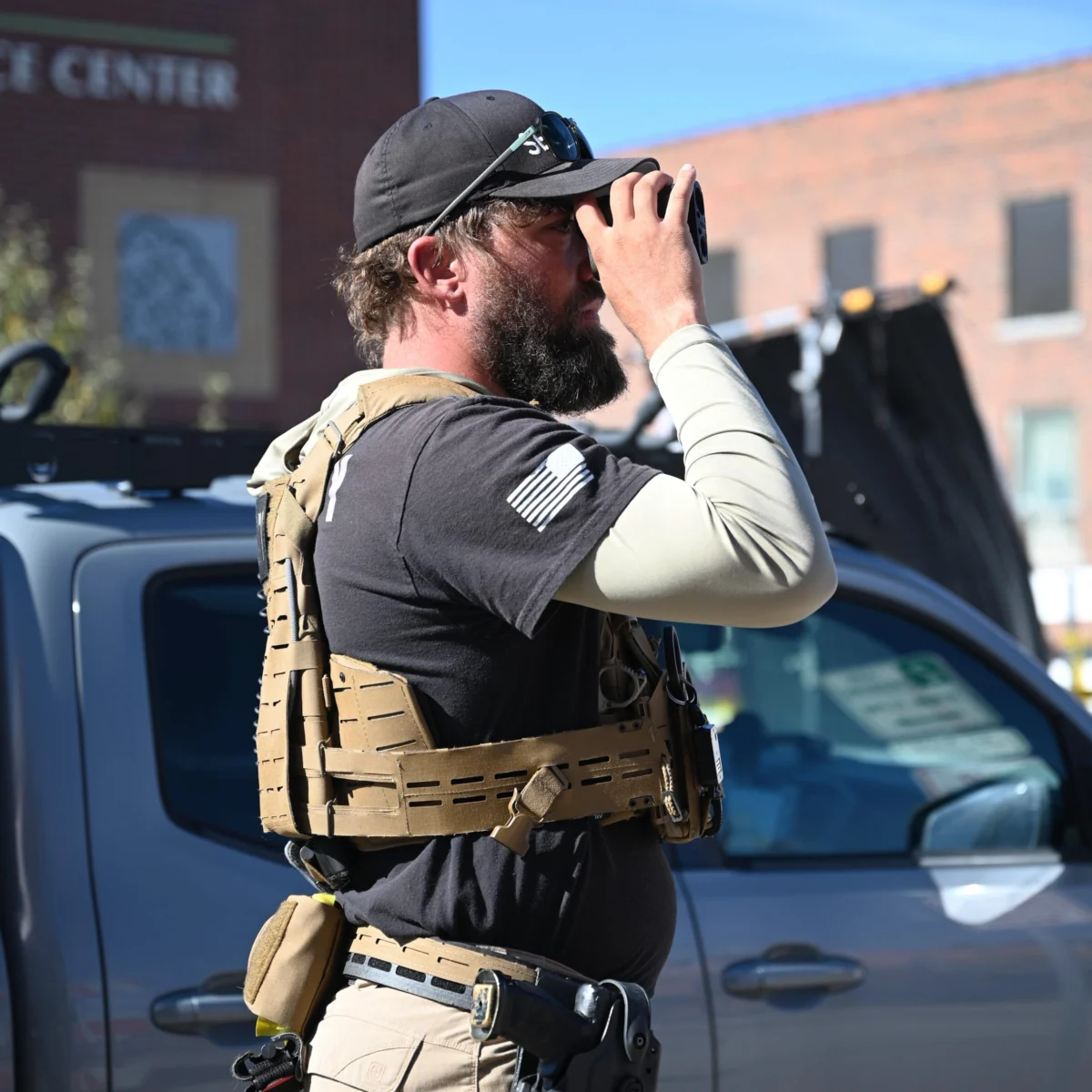
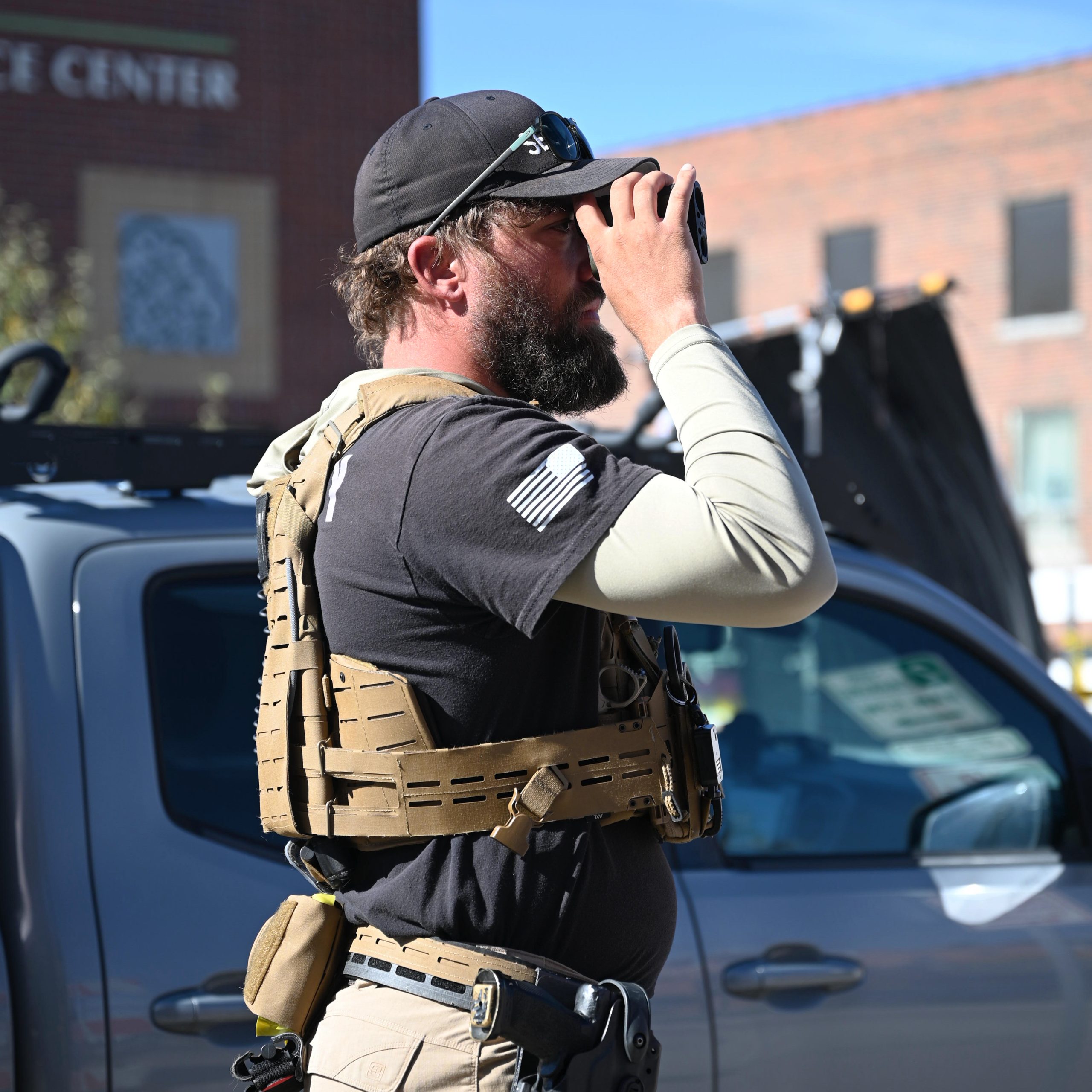
The reverberations of these cinematic explosions extended far beyond the closed-off streets, rippling across the nation and resonating deeply within the small, picturesque town of approximately 9,000 people, situated just north of Yellowstone National Park. Real-world protesters emerged to voice their opposition to the film, while extras embodying activists participated in staged riots on set. Adding to the charged atmosphere, a private security team armed with functional weapons patrolled the perimeter, casting a palpable tension over the proceedings. Onlookers, observing the filming through the barricades, often appeared perplexed by the unfolding spectacle.
The film, operating under the working title "Pawn Shop," quickly became a focal point for global political discourse. Both proponents and detractors of the movie took to social media to voice their strong opinions, fueling a passionate online debate. The production boasts a cast featuring well-known Hollywood figures, including Danny Trejo and Harvey Keitel. Notably, The Daily Wire, a conservative media outlet founded by commentator Ben Shapiro, is slated to distribute the film on its streaming platform, which it explicitly markets as being "free of corporate influence and Leftist ideology."
The dispute rapidly evolved into a proxy battleground for deeply entrenched national issues, including immigration policy and the fundamental principles of free speech, mirroring the broader political polarization gripping the United States. Even in this unassuming southwestern Montana town, the division manifested acutely. More than a month after the cameras ceased rolling and the online fervor began to subside, Livingston residents and their elected officials continue to grapple with the implications of the controversial production. The weeks of street closures, simulated gunfire, and staged explosions exposed what many perceive as a significant oversight in the city’s planning and regulatory framework.
"There’s a lot of checks and balances that were missed here," stated protester Brooklyn Wilde, whose viral social media content significantly amplified awareness of the film’s production across the country. This sentiment has led many officials and community members to conclude that Livingston’s film regulations are in urgent need of an overhaul, raising broader questions about how local governments can effectively balance economic development opportunities with their responsibility to protect the well-being and rights of their residents. Interviews with over a dozen community members, city officials, producers not associated with the "Pawn Shop" project, and permitting experts revealed a city government and a permitting process that appeared ill-equipped to handle the scale and complexity of the production. However, producers of "Pawn Shop" have maintained that the city’s process was not lax.
Lead producer Dallas Sonnier asserted in an email, "The culture vultures protesting our movie are hiding behind a permitting regulatory process as a way to bludgeon their city commissioners into submission. This protest was 1,000% political from the start."
Soon after filming commenced, Keegan Nashan, a vocal protester in her early thirties, actively encouraged residents via social media to disrupt the shoot. Her call to action resonated with some, leading to instances of car horns blaring and car alarms being set off along the affected roads. Other residents reportedly resorted to operating power saws and playing loud music from their garages in an attempt to interfere. Small, often vocal, groups of protesters began gathering near the set.
Nashan and others expressed deep concern over the film’s perceived pro-ICE stance. In the subsequent weeks, a broader segment of the community would voice different objections, focusing on issues of planning and regulation. However, in the initial hours of filming, Nashan and fellow protesters had obtained a leaked script, which also came into the possession of investigative journalists. The script reportedly portrayed undocumented immigrants in a largely negative light, depicting them as criminals, rapists, and gang members, while presenting immigrants who had entered the country legally as protagonists. One particular scene drew significant ire from detractors: a scenario where the film’s protagonist, an ICE agent, shoots and kills a protester through her windshield, with the movie justifying the agent’s actions. This scene struck a chord with protesters, echoing the real-life killing of Renee Good by ICE agents who shot her through her windshield in early 2026, an incident that garnered national attention.
Ben Shapiro acknowledged the film’s stance in a YouTube video discussing the controversy, stating, "The movie is pro-ICE for sure." Shapiro did not respond to requests for an interview, and the producers declined to comment on the film’s plot, citing a desire to avoid spoiling the cinematic experience for audiences.
The production’s arrival in Livingston was facilitated in part by real estate developer and filmmaker Carter Boehm. Boehm, who serves as an executive producer on "Pawn Shop," co-owns the Yellowstone Film Ranch located in Paradise Valley, approximately thirty minutes south of Livingston. He explained that producers approached him about utilizing a building he owns in downtown Livingston as the film’s "hero location." Boehm stated that his personal political views did not influence his decision and that he had not anticipated the controversy that might arise from filming a movie that appeared to glorify ICE operatives in a public space within the city. "I really didn’t give a shit," Boehm remarked, adding, "We’re bringing money into this town."
Tina Kilborn, a property manager who provided catering services and assisted with housing for the "Pawn Shop" cast and crew, expressed surprise at the backlash. She viewed the production as a welcome economic boost. "This is all pretend," Kilborn commented. "It’s just a movie. You guys know that Darryl Hannah isn’t really a mermaid, right? You know that Leonardo DiCaprio wasn’t on the Titanic. Where is all this anger coming from?"

In the early stages of filming, Nashan confronted the production crew on set, speaking loudly into a microphone. Video footage of the incident shows Nashan chanting and using profanity, some of which she stated was intended to mirror remarks allegedly made by an ICE agent following the killing of Renee Good. In the video, Nashan’s amplified voice drowned out a stunt coordinator attempting to issue directions through a megaphone. Producers later contended that this created hazardous conditions and disrupted critical safety instructions.
Nashan maintained that she was exercising her freedom of speech and was unaware at the time that she was endangering workers. From her perspective, while producers had the right to film their movie, she also possessed the right to express her opposition to it. "I came in hot and I was mad," Nashan admitted. "Maybe not my best moment, honestly."
In response to these initial protests, and an incident where a vehicle reportedly drove onto the set (though the driver claimed it was accidental), producers requested expanded street closures and hired six private security guards. The city approved these changes. The guards wore bulletproof vests and were equipped with ammunition clips, handguns, and pepper spray. Both protesters and some residents observed that the presence of armed security heightened the community’s tension. "They resemble paramilitary," stated protester Quenby Iandiorio, a Livingston-based musician. "And what’s more, they exactly resemble ICE patrol." When questioned about this resemblance, lead producer Sonnier responded, "No idea." Iandiorio, in turn, wore a neon orange vest that read "Peaceful Observer Do Not Shoot," which she had acquired while protesting in the Twin Cities the previous winter following the deaths of Renee Good and Alex Pretti at the hands of ICE agents.
"We increased security because protecting the people working for us is our responsibility," producer Amanda Presmyk told the Livingston City Commission during one of two contentious hearings concerning the production’s permit. "That is very different than bringing armed security personnel into town to intimidate the public." Online, commentators on all sides amplified the conflict. Millions of people viewed social media posts and news reports about the movie, contributing to a volatile digital environment. In Livingston, a local coffee shop faced a barrage of one-star Google reviews after a white nationalist group targeted it on Twitter for displaying an anti-ICE sign in its window. Producers, security personnel, and protesters alike reported receiving death threats, experiencing doxxing, and living in constant fear due to the hostile online discourse. By the time filming concluded on October 10, Nashan and at least five other individuals had received criminal citations, primarily for charges such as disturbing the peace and disorderly conduct.
From her office at the Livingston Food Resource Center, Executive Director Kaya Patten-Fusselman observed the construction of the film’s titular pawn shop facade across the street before the filming and protests began in late September. Her organization, a nonprofit food pantry, serves one in eight residents of Park County. Patten-Fusselman stated she had to contact the city to ascertain the nature of the activity and learned that her building was situated within the designated set closure area. She reported first hearing from the producers themselves on September 22, shortly before filming commenced. Ordinarily, her organization requests at least a month’s notice to prepare for any event that might affect client access to the pantry, which serves some of the area’s most vulnerable populations. In this instance, she noted, she had only days to react and no opportunity for input on subsequent decisions. "I had no way of saying, ‘No, you can’t do this,’" Patten-Fusselman expressed. "I wasn’t part of that conversation." Producers, however, assert they adhered to the city’s directives, stating in commission testimony that they were in daily contact with the food pantry regarding any disruptions to service.
When the production shifted from a residential street to the neighborhood surrounding the food pantry in the downtown area, armed security guards reportedly stopped vehicles en route to the pantry. Additional street closures further compounded confusion regarding patron access to pantry services. Patten-Fusselman stated that some patrons turned away upon witnessing the scene, and attendance at the food pantry saw an eight-week low during the filming period. Instead of protesting the film’s political content, Patten-Fusselman, alongside hundreds of other community members, attended two lengthy city commission meetings in October to discuss the movie’s impact on those directly affected by its presence. She and others argued that Livingston had not adequately prepared for the community disruption and that the regulatory process was insufficient for a production that closed city streets for two and a half weeks. "We have clients who live in their cars in the valley who we didn’t see for three weeks, who don’t have access to housing, who were too scared to come," she said. "In the absence of policy, where does human decency come in?"

Patten-Fusselman and other residents who had not participated in the protests began to raise a more fundamental question: How had a production of this magnitude been approved in the first place? During the two packed public meetings, commissioners heard from both concerned residents and supporters of the film. Nashan and other protesters stood alongside a different group of community members, such as Patten-Fusselman, who voiced new concerns regarding city planning and community safeguards, entirely separate from the film’s subject matter. "Ryan Gosling could be riding a unicorn in the streets," community member Bex Frucht told commissioners. "If one child missed their macaroni and cheese or one grandma couldn’t get to her groceries, I would say the same thing: Shut it down, revoke the permit."
In the initial meeting, the commission voted to temporarily halt the permit. Subsequently, the filmmakers’ attorney, Bozeman-based Matthew Monforton, issued a legal threat, alleging that Livingston residents who disapproved of the movie’s subject matter had initiated a "sustained, escalating campaign of intimidation and sabotage." Monforton argued that the production pause constituted a violation of the First Amendment. Faced with this legal challenge, city commissioners reversed their decision, and filming resumed under more stringent conditions, including directives for security guards to focus on cast and crew rather than residents, ensuring continued access to the food pantry, and prohibiting the public display of simulated violence.
The Livingston City Commission was not involved in the initial permitting process. City Manager Grant Gager reviewed and approved the permit. He did not respond to multiple requests for interviews via phone, text, and email. According to public records, "Pawn Shop" producers submitted Livingston’s three-page filming questionnaire to Gager on September 9, less than two weeks before the shoot’s scheduled commencement. Filmmakers sent an urgent follow-up email the afternoon before filming began, and Gager responded approximately fifteen minutes later, approving the project with a set of conditions. The following day, Livingston’s Public Works Director Shannon Holmes advised producers to notify area businesses and residents of the closures, specifically encouraging the film team to communicate with the food pantry.
The producers’ application did not mention a security team, with their response to the question "What are your security plans?" being "N/A." The city’s application form does not specify how film crews must notify neighbors, instead posing the question, "Have local neighborhood groups/businesses been notified of your event concept?" Producers answered "Yes" to both inquiries, stating that notification was ongoing. Nevertheless, Patten-Fusselman contended that Livingston’s planning process failed the city because residents were not adequately informed, and the process itself was too compressed. In Livingston, a single-day street closure for a special event typically requires at least six weeks’ notice; "Pawn Shop" provided less than two. The food pantry, she maintained, was an afterthought. "Sometimes, we don’t know that we’re missing something until something goes wrong," Patten-Fusselman stated. "The green-lighting of a permit that blocks access to an essential service went wrong."
Across the United States, cities regulate filmmaking through a variety of mechanisms. Some municipalities boast dedicated film offices, boards, or commissions, as noted by FilmUSA. Smaller municipalities often operate with less staff and less formal processes. Livingston and Bozeman are the only cities in Montana with established film permitting processes. Conversely, some areas actively promote their lack of stringent regulations, with the Idaho Department of Commerce’s film website stating, "Most of our cities don’t require film permits, saving you time and money." However, where regulations are in place, local codes are typically designed to safeguard the public. In Bozeman, filmmakers require written permission from the police department for shoots depicting violence and similar sign-offs from local businesses affected by street closures. In Boise, Idaho, producers are obligated to notify all residents within a 300-foot radius of the production. Atlanta, Georgia, implements even more protective regulations, requiring producers to notify everyone within three blocks of the shoot and obtain signatures in "sensitive areas." Some cities also employ tiered regulatory systems based on the duration and impact of shoots. For instance, "high-impact" shoots in Everett, Washington, necessitate advance approval from affected neighbors at least 72 hours prior to filming. FilmUSA representatives indicate that public comment on film permits is not commonplace but does occur on occasion. In Pasadena, California, any resident can request a public hearing for "long-term" shoots exceeding six days in a residential neighborhood.
Despite these concerns, "Pawn Shop" producers maintain that the permitting process was not mishandled and was not unusually lenient. "Don’t overestimate the permitting process here as a factor for why anyone shoots a movie in Livingston," Sonnier stated via email. "That process is relatively standard in all places except major cities like Los Angeles where they are over-regulated and politically hostile."

Ultimately, Patten-Fusselman felt that the producers exploited the city’s lack of preparedness. She argued that the escalating political discourse surrounding the movie’s content obscured deeper concerns about governmental process oversights and their implications for affected individuals. In response to this sentiment, Sonnier retorted, "Anyone hiding behind the ‘permitting process gone awry’ excuse is a liar." "Inflammatory rhetoric is easier than nuance," Patten-Fusselman observed, adding that after filming concluded, the food pantry saw its daily client numbers increase from approximately 80 households to over 100. "The impact was poignant."
Livingston is no stranger to Hollywood productions; the acclaimed film "A River Runs Through It" was filmed there in the early 1990s, sparking significant cinematic interest in Montana’s scenic landscapes. More recently, the television series "Yellowstone" premiered in 2018, further boosting the region’s profile as a filming destination. However, prior to "Pawn Shop," the city was accustomed to productions that lasted a few hours, not several weeks. In his four years in Livingston, City Manager Grant Gager informed commissioners during testimony that he had handled only a handful of film permits, most of which had gone largely unnoticed. Before "Pawn Shop," the most significant shoot he had managed involved a car commercial that required a two-and-a-half-hour intermittent road closure on a Saturday morning. The city possessed limited experience with a production of this magnitude and duration, let alone one that would provoke such intense public backlash. The ramifications of such an event were, perhaps, difficult to fully anticipate.
"When something goes wrong, one side always wants to blame the other side," commented Tony Armer, co-director of FilmUSA, an advocacy group for film commissions. He suggested that critics could fault the production company for not acting as considerate neighbors or city officials for insufficient due diligence and a lack of transparent public communication. "But there’s more than enough blame to always go to both parties," Armer added. Gager described a "gray area" in Livingston’s city code concerning the administration of film permits, stating he took the lead and that his decisions aligned with past permitting practices. He acknowledged that the "Pawn Shop" production was at times "out of compliance" with its permit, citing one instance involving profanity-laden graffiti on set, which he addressed by working with the production team to rectify the situation.
In at least one instance highlighted during public discussions, Gager’s decisions may have conflicted with Livingston ordinance, which prohibits the firing of any firearm within city limits. While the city’s film application does not inquire about the use of blank ammunition, Gager implicitly granted permission for the "Pawn Shop" crew to do so by requiring them to notify the Livingston Police Department beforehand. Livingston Police Chief Wayne Hard confirmed to investigative journalists, "To my knowledge, that was done every time they used blanks." However, allowing the firing of blank rounds likely should have necessitated approval from the city commission, according to Dan Clark, director of Montana State University’s Local Government Center. Clark explained that similar to ordinary events like waiving restrictions on open alcohol containers for a music festival, the firing of guns, even on a film set, should require review from the city’s legislative branch if it otherwise contravenes city law. Chief Hard declined to comment when asked if he had been consulted on the legality of firing blanks, and City Attorney Jon Hesse did not respond to a similar request. If Gager erred in his decision regarding blank rounds, Clark suggested, it would further underscore the ambiguity the city manager pointed out regarding responsibility for film permitting. The question remains: should staff handle such permits without public input, or should commissioners deliberate aspects of permits in public meetings? Clark noted that friction between branches of local government is a relatively common occurrence, stating, "Life changes, things evolve."
Now, Livingston commissioners have indicated a need to update their regulations. In an October 3 meeting, Commissioner James Willich characterized "Pawn Shop" as a large-scale production that demanded a comprehensive policy that Livingston currently lacks. "I think we need to take a real hard look as a community and as the city entity. How do we move forward?" he stated. "We’ve got a spotlight on the holes we’re missing, our loopholes. They were pointed out to us glaringly." Approximately two weeks later, the city commission moved to overhaul the city’s film-permitting process as swiftly as possible. However, officials and residents have not reached a consensus on the nature of these perceived loopholes. Commissioners have been hesitant to discuss their specific concerns with the press, but many residents interviewed expressed a desire for greater public notification, particularly for events that could disrupt daily life. In a brief interview, Commissioner Jessica Wilcox stated that Livingston requires a more robust public engagement process for regulating movies but declined to comment further until the public policymaking process concluded. Other commissioners declined repeated interview requests, instead directing inquiries to the public record.
The political fallout from the shoot continues. In early November, commissioners requested the resignation of City Manager Grant Gager, which he submitted less than a week later. During a public meeting concerning his resignation, commissioners offered vague reasons, citing breakdowns in communication and accountability, as well as differing long-term visions for the city. In the absence of concrete information, community members publicly debated whether his decisions concerning "Pawn Shop" were the primary cause. Gager did not respond to requests for comment regarding his resignation.

More than a month after filming concluded, the pawn shop facade, set barricades, and armed security guards are gone. Boehm stated that "Pawn Shop" is scheduled to premiere in February 2027, and unlike other productions filmed near Livingston, it is unlikely to debut in the town itself. Nevertheless, he argued that the producers emerged successful in the attention economy. "It’s the best thing that could happen," Boehm said, noting that the extensive coverage and public outcry brought the movie to the attention of millions who might otherwise have remained unaware of its existence. Boehm mentioned that The Daily Wire reported that new subscriptions had already covered the film’s $1.5 million budget. "I guess I should thank Keegan [Nashan] for that," Boehm added, with a caveat, "I won’t."
Nashan expressed mixed feelings about her role in the protests and is currently contesting her criminal charges. She felt a moral imperative to hold both the movie and the security team accountable. "If you say nothing, then you are complicit, and I refuse to be complicit," she stated. However, she also regretted inadvertently drawing attention to the production. "Shame is maybe too strong. But I feel sort of upset by doing that inadvertently, and wish I’d had a bit more forethought on how to go about doing what I’d wanted to do." She sighed, concluding, "But it’s all done." At least, until the next time.
When asked by investigative journalists if he would consider shooting in Livingston again following the recent controversy involving protesters and the city, lead producer Sonnier responded via email, "You bet we will!" He referenced filmmaker Sam Peckinpah, known for his graphic depictions of violence, who spent the final years of his life in a Livingston hotel, adding, "Peckinpah wouldn’t have it any other way."