Johny Prima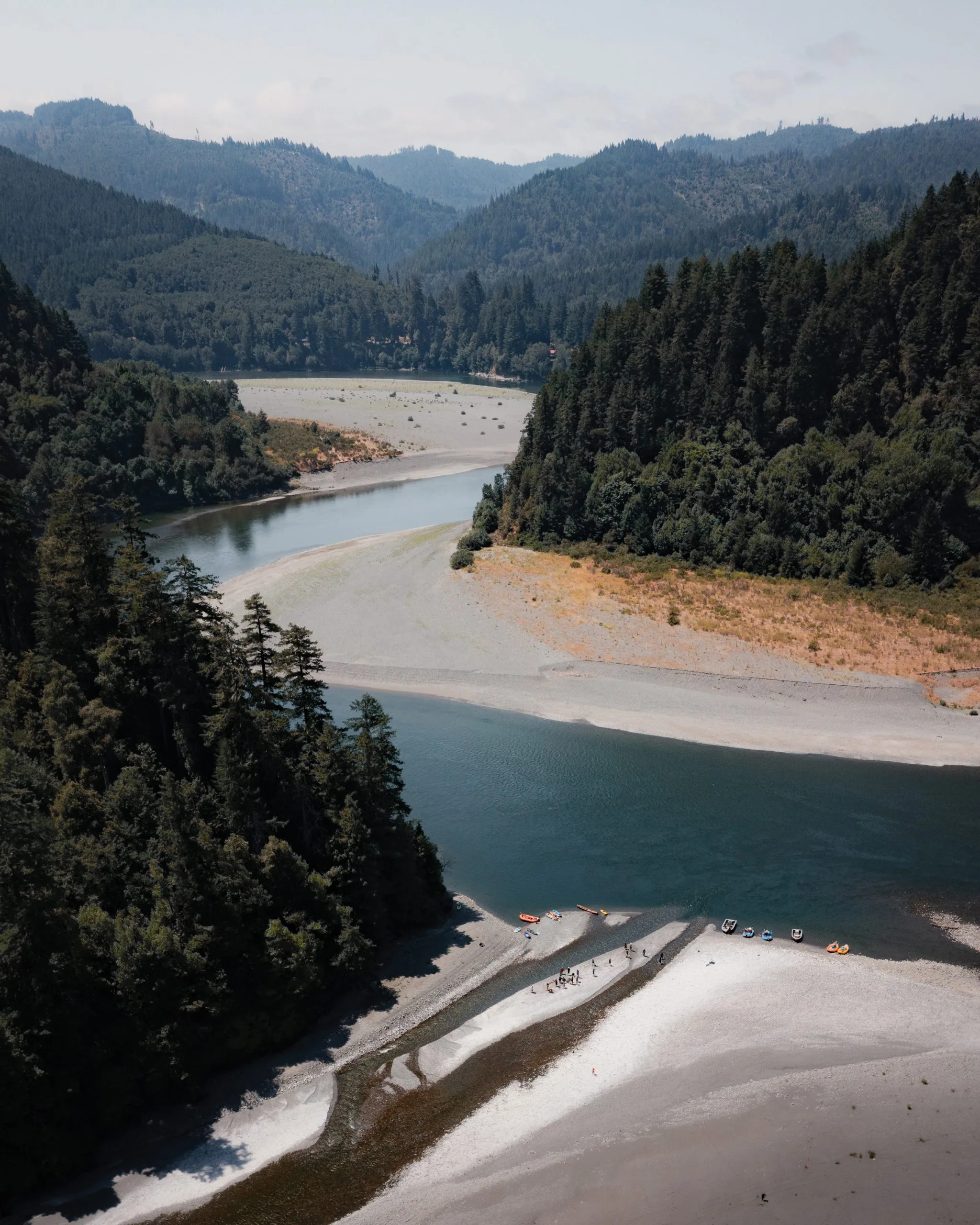
“The impact of this project is enormous, far-reaching beyond our immediate community,” stated Yurok Tribal Chairman Joseph L. James, underscoring the profound implications of the return. “We are actively forging a sustainable future for the fish, the forests, and our people, a future that meticulously honors both the essential ecological integrity of these lands and our cherished cultural heritage.” This sentiment resonates deeply with the broader LandBack movement, an evolving paradigm that seeks not only the physical return of ancestral territories but also the restoration of Indigenous stewardship and sovereignty over these lands. The Blue Creek land return exemplifies a growing trend across the Western United States, where tribal nations are actively pursuing the reacquisition of their ancestral domains, driven by a renewed focus on environmental justice and cultural preservation.
Recent shifts in the political landscape at the federal level have underscored the indispensable role of state-level initiatives in advancing the LandBack movement’s ambitious goals. In California, for instance, the state government has emerged as a pivotal partner, providing crucial funding and policy support for the return of approximately 32,000 acres of land to four distinct tribal nations across the state within the past year alone, with the Blue Creek project being a cornerstone of these efforts. This proactive engagement from the state signifies a notable departure from historical precedents, reflecting a growing recognition of past injustices and a commitment to restorative justice.
California Governor Gavin Newsom articulated this commitment succinctly, emphasizing the moral imperative behind these actions. “Restoring tribal lands is not merely a transaction; it is a profound acknowledgment of a harmful history of dispossession, a tangible demonstration of accountability, and an unwavering commitment to building a better future,” Governor Newsom affirmed in a statement, highlighting the ethical foundation of California’s land return policies. He continued, “While we will never forget our dark past, we possess the power to write a brighter future by healing deep wounds and diligently rebuilding trust across California’s diverse communities.” This proactive stance from California’s leadership stems directly from Governor Newsom’s groundbreaking acknowledgement and apology in 2019 for the state’s historical wrongdoings against tribal nations, a pivotal moment that set the stage for these ongoing land return initiatives. Furthermore, these efforts align strategically with California’s ambitious climate goals and its commitment to protecting 30% of its land for conservation purposes by 2030, recognizing that Indigenous land management practices often offer superior ecological outcomes.

Beyond the Yurok’s success, California has played an instrumental role in facilitating several other significant land returns across the state. In a poignant moment in December, nearly 900 acres bordering the iconic Yosemite National Park were returned to the Southern Sierra Miwuk Tribe, a move that reinforces the tribe’s ancestral ties to this globally recognized natural wonder. October witnessed another substantial transfer as the Tule River Indian Tribe reclaimed 17,030 acres in the Central Valley, where the tribe is now actively collaborating with the state to reintroduce the magnificent tule elk, an emblematic species of the region, symbolizing a broader effort to restore ecological balance. In November, the state further demonstrated its commitment by approving crucial financial support to assist the Washoe Tribe of Nevada and California in reacquiring 10,274 acres of former ranchland nestled within the breathtaking Northern Sierra Nevada. “The Wá•šiw people were once forcefully removed from these lands, severing our connection to our heritage,” recounted Tribal Chairman Serrell Smokey, his words imbued with profound historical weight. “Now, the land itself is calling the Washoe people home, and we are unequivocally answering that call, eager to resume our role as stewards.”
The momentum of the LandBack movement extends far beyond California’s borders, with significant land returns occurring throughout the broader Western United States. In North Dakota, the Spirit Lake Nation celebrated the return of 680 acres located within the White Horse Hill National Game Preserve. Since the 1950s, the U.S. Fish and Wildlife Service had utilized this property primarily for hay production to sustain the buffalo populations at White Horse Hill, although this practice had ceased over the past decade. The returned land, situated entirely within the reservation’s original boundaries, is home to a rich array of native plants that the tribe is dedicated to preserving, while also exploring the property’s considerable potential for sustainable economic development initiatives that align with their cultural values.
Further north, in the vast expanse of Alaska, the NANA Regional Corporation, an Alaska Native corporation representing 11 villages in Northwest Alaska, received nearly 28,000 acres from the Department of the Interior. While Interior Secretary Doug Burgum suggested this transfer would foster resource development in Alaska, the underlying legal framework for this land transfer traces back to the landmark Alaska Native Claims Settlement Act (ANCSA) of 1971. ANCSA, a complex piece of legislation, sought to resolve long-standing land claims by Alaska Natives, leading to the creation of regional and village corporations and the transfer of substantial land and monetary resources. Since its enactment, over 700,000 acres have been returned to Alaska Natives through various mechanisms. President Donald Trump’s administration also contributed to these efforts by signing the Alaska Native Village Municipal Lands Restoration Act, which removed a previous requirement that some land be held in trust by the state government for future village corporations. Given that no new village corporations have been established in decades, this legislation now allows previously unallocated land to be utilized by existing village corporations, offering greater flexibility and autonomy.
However, the LandBack movement encompasses more than just the physical return of land; it is fundamentally about the preservation of places imbued with immense historical, cultural, and spiritual significance for Indigenous communities. In the Southwest, a region rich in ancestral heritage, some tribes and environmental advocates are locked in ongoing struggles to protect vital areas from the relentless pressures of resource extraction, even amidst shifts in federal policy that have, at times, prioritized domestic energy and resource development.

Oak Flat, an area held profoundly sacred by the San Carlos Apache Tribe of southern Arizona, continues to face an existential threat from a proposed large-scale copper-mining operation. Newly elected Representative Adelita Grijalva, following in her late father Raúl Grijalva’s footsteps, introduced the Save Oak Flat from Foreign Mining Act as her inaugural piece of legislation. This proposed bill seeks to repeal a controversial land swap orchestrated years prior, which would facilitate the extraction of copper and other valuable materials by foreign mining corporations from this hallowed ground. Earlier this year, the U.S. Supreme Court delivered a setback to tribal advocates by declining to hear a case brought by the nonprofit advocacy group Apache Stronghold, which argued vociferously that the land transfer violated Indigenous religious rights and solemn treaty obligations, underscoring the arduous legal battles often faced by tribal nations.
Concurrently, New Mexico Pueblo tribal leaders are steadfast in their efforts to preserve Chaco Canyon, a UNESCO World Heritage site and a nexus of ancient Pueblo civilization, from further encroachment by gas and oil development. The Biden administration had previously enacted a 10-mile buffer zone around Chaco Culture National Historical Park, prohibiting new development within this critical area. However, the Navajo Nation subsequently filed a lawsuit against the federal government earlier this year, asserting that the Biden administration failed to conduct proper and thorough consultation with the tribe and arguing that the buffer zone should be revoked due to its negative economic impact on local residents who depend on oil and gas royalties from the surrounding area. Despite this challenge, New Mexico federal legislators, urging the Interior Secretary to prioritize proper tribal consultation and community outreach, reintroduced legislation aimed at making the buffer zone around Chaco Canyon permanent. Yet, in a troubling development, the federal government is now reportedly considering a full revocation of the existing protections, highlighting the persistent fragility of conservation efforts in the face of competing economic interests and complex inter-tribal dynamics. These ongoing battles illustrate the multifaceted nature of the LandBack movement, a global call for justice, sovereignty, and the enduring recognition of Indigenous peoples as essential stewards of the earth.