Roger Danuarta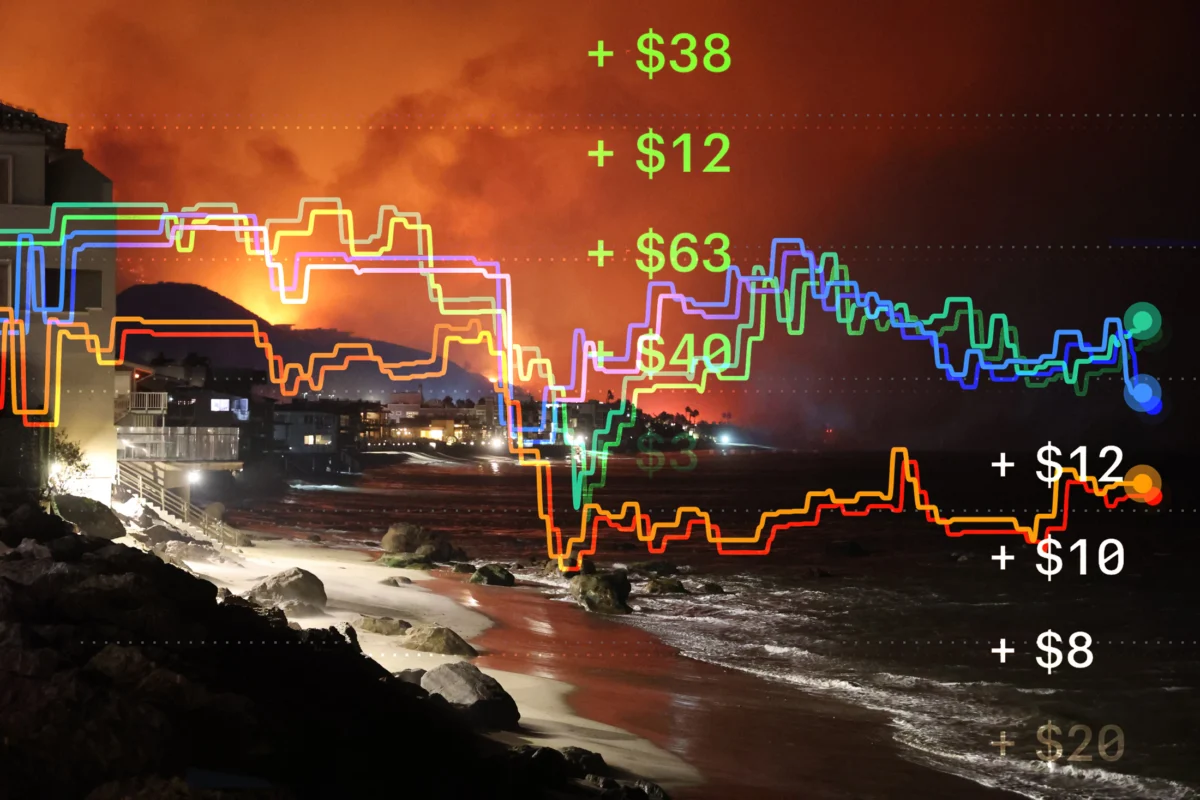
A previously niche corner of the financial world, dominated by so-called "prediction markets," has increasingly blurred the lines between speculative finance and grave environmental disaster, sparking widespread ethical alarm and regulatory scrutiny. These online platforms, exemplified by prominent players like Polymarket and Kalshi, traditionally allowed users to wager on outcomes ranging from sporting events and political elections to the minutiae of celebrity lives. However, a stark revelation emerged when these speculative instruments began to host markets centered on the devastating impacts of wildfires, transforming human suffering and environmental destruction into opportunities for financial gain.
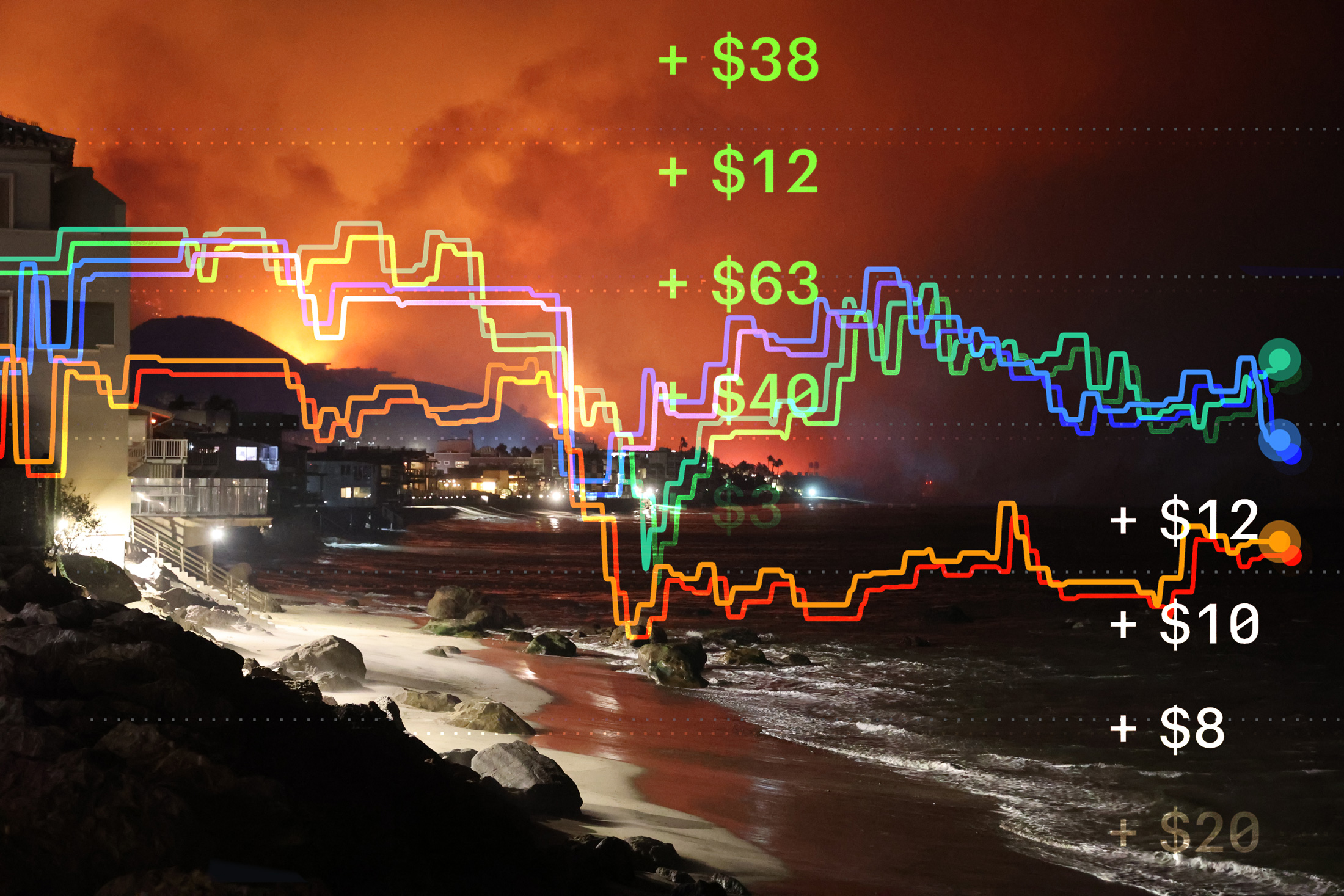
The profound ethical implications of this practice first came to light nearly two years ago, when an essay by Bill Shaikin, a sportswriter for the Los Angeles Times, drew attention to Polymarket’s facilitation of bets on the calamitous Los Angeles firestorm. This discovery shocked many who were unfamiliar with the burgeoning world of prediction markets, which had largely flown under the radar of mainstream public discourse regarding environmental issues. Further reporting in Aeon Magazine underscored the scale of this unsettling trend, revealing that a staggering $1.2 million was wagered on Polymarket during the Los Angeles fires, with users betting on specific questions related to the conflagrations’ spread, intensity, and ultimate impact.
This phenomenon ignited a deep dive into the burgeoning intersection of catastrophic environmental events and speculative finance. The initial investigation involved extensive outreach to those directly affected by these infernos. Wildfire survivors, grappling with unimaginable loss and trauma, expressed profound disgust at the notion that their lived nightmares were being commodified for profit. For many, the memory of the Los Angeles fires remained fresh and agonizing; these blazes claimed 31 lives and obliterated over 16,000 structures, leaving communities scarred and displaced. One survivor articulated the sentiment shared by many, stating that prediction market betting felt like "salt in the wound," particularly given that utility companies, such as Southern California Edison—whose infrastructure was implicated in sparking the Eaton Fire—had already, in her view, "gambled with her life."
Ethicists consulted during the investigation unequivocally condemned the practice, arguing that allowing gambling on fatal disasters fundamentally devalues human life and suffering. More disturbingly, they warned of the potential, however remote, for such markets to incentivize malicious acts like arson, presenting a grave public safety concern. Despite extensive efforts, locating individuals willing to openly discuss their participation in wildfire betting proved challenging, highlighting the sensitive and controversial nature of the activity.
During this investigative period, a California-specific wildfire prediction market site named Wyldfyre was uncovered. Following public exposure, the platform briefly went offline, only to reappear with revised terms of service, updated contact information, and a prominent disclaimer asserting that it was "not an emergency information source." Crucially, Wyldfyre transitioned from using real money to virtual points, effectively removing the direct monetary incentive, though the underlying mechanism for prediction remained.
The story quickly gained significant traction, resonating across numerous media outlets. Major publications including WIRED, Slate, the Durango Herald, and Mother Jones republished the findings, with the latter featuring it as the headline for its Climate Desk Weekly newsletter. The topic also sparked widespread discussion on public radio, with interviews on Oregon Public Broadcasting’s Think Out Loud and KJZZ Phoenix’s The Show, which was subsequently syndicated across the Mountain West News Bureau, reaching audiences in Colorado, Idaho, Nevada, New Mexico, Utah, and Wyoming. A dedicated segment on the City Cast Seattle podcast further broadened the discussion, signaling a growing public and media awareness of this contentious issue.
These subsequent conversations and public engagements yielded critical new insights. A direct inquiry to Cal Fire, California’s state fire agency, revealed that state employees, including Cal Fire personnel, are expressly prohibited from betting on prediction markets. This disclosure aimed to alleviate concerns about potential insider trading, at least within California’s state apparatus, regarding wildfire outcomes.

Further examination illuminated the notoriously fragmented and inconsistent regulatory landscape governing prediction markets across the United States. Access to these platforms varies dramatically depending on geographical location. In Arizona, for instance, efforts to ban Kalshi were thwarted by federal court intervention, leaving the platform accessible to residents. Conversely, a judge in Washington state recently ruled that Kalshi likely violates state gambling laws, potentially paving the way for a halt to its operations there for an undetermined period. Nevada, a state synonymous with gambling, paradoxically blocks most Kalshi markets, illustrating the complex and often contradictory legal interpretations. These inconsistencies stem from a broader debate over whether prediction markets constitute legitimate financial instruments for information aggregation, as their proponents argue, or simply a form of unregulated gambling, as many regulators contend. The Commodity Futures Trading Commission (CFTC) has intermittently overseen certain aspects of these markets, but their classification as "event contracts" or "swaps" remains a grey area, leaving significant room for state-level intervention and conflicting legal precedents.
The escalating global wildfire crisis provides a sobering backdrop to this ethical debate. Fueled by climate change, altered land management practices, and urban expansion into wildland areas, wildfires are becoming more frequent, more intense, and more destructive across the planet. From the vast boreal forests of Canada and Siberia to the Mediterranean coastlines of Europe, the Amazon rainforest, and the bushlands of Australia, these fires represent a profound and ongoing environmental catastrophe. They not only decimate ecosystems and biodiversity but also release massive amounts of carbon, exacerbate air quality issues, and displace millions, creating a humanitarian crisis alongside the ecological one. The sheer scale of human and environmental suffering makes the commodification of these events particularly egregious.
This complex interplay of emerging financial technology, environmental catastrophe, and human ethics underscores a critical juncture. The commercialization of such devastating events—transforming profound human and ecological tragedies into speculative entertainment or profit vehicles—raises fundamental questions about societal values and the appropriate boundaries of market activity. The growing public and media scrutiny suggests a mounting discomfort with this trend. Whether industry platforms will self-regulate, or if state and federal governments will ultimately decide that the inherent risks to public safety and ethical integrity outweigh any perceived rewards, remains an open and pressing question as the world braces for an era of intensified climate-driven disasters. The debate over wildfire betting is not merely about financial markets; it is a reflection of how societies choose to confront, or profit from, their most profound environmental challenges.