Roger Danuarta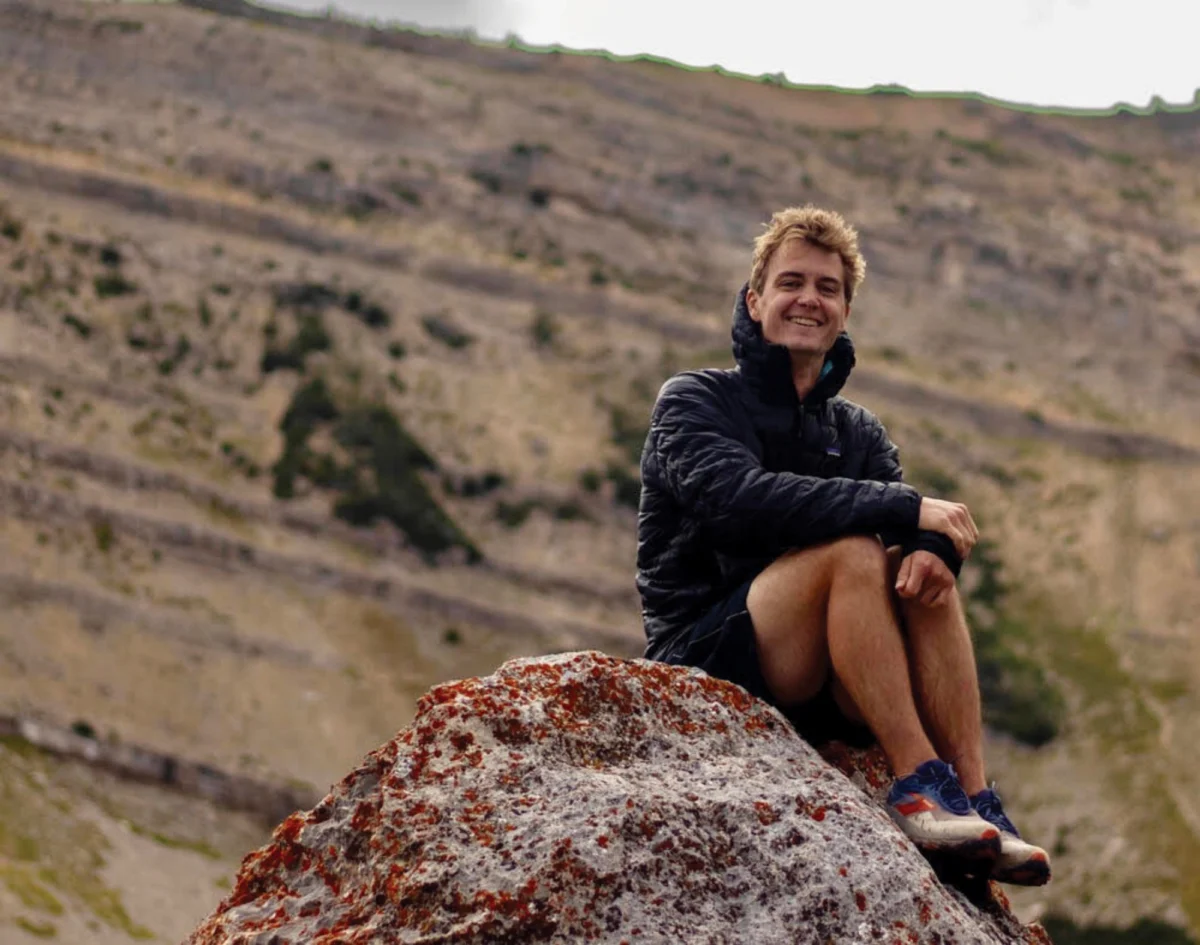
In an era of evolving media landscapes, High Country News (HCN) continues to carve a pivotal and expanding niche within the Western United States’ news ecosystem, delivering critical insights while actively nurturing a broader network of journalistic collaboration. As an indispensable source for its readership, HCN empowers informed participation in crucial regional discussions and decision-making processes, viewing the support and elevation of fellow news organizations across the vast Western terrain as an integral part of its core mission. This commitment to fostering a vibrant and interconnected information flow underscores its dedication to sustaining vital public conversations.
The challenges confronting journalism in the American West are multifaceted, ranging from the immense geographical scale and diverse ecological systems to the complex interplay of resource management, indigenous rights, and rapid demographic shifts. Local newsrooms, often grappling with diminishing resources, face an uphill battle in covering these intricate issues with the depth and consistency they demand. Recognizing this critical gap, HCN’s journalists consistently engage in robust partnerships with a diverse array of organizations, spanning local newspapers, statewide nonprofits, and prominent national investigative bodies. Esteemed collaborators include ProPublica, known for its impactful investigative journalism; Type Investigations, which champions in-depth reporting on social justice and human rights; and the Food & Environment Reporting Network, dedicated to exploring the intersection of these vital topics. This collaborative ethos extends to a generous content-sharing model, through which HCN makes its meticulously researched stories freely available, bolstering the capacity of other outlets to deliver high-quality, regionally relevant news. Over the past year alone, nearly 200 distinct news organizations, from the community-focused Big Bend Sentinel and the Alaskan Chilkat Valley News to influential national platforms like Grist, Mother Jones, and Native News Online, have republished HCN’s work, amplifying its reach and impact across diverse communities and subject matters. This widespread syndication not only ensures broader access to crucial information but also reinforces the collective strength of independent journalism in addressing complex regional narratives.
Further cementing its commitment to enhancing environmental coverage across the West, HCN dramatically expanded its role this year with the launch of the Western Environmental Reporting Collaborative (WERC). This ambitious initiative is designed to embed dedicated environmental reporters directly into local newsrooms across 12 Western states, beginning with targeted placements in Arizona, Colorado, Wyoming, and Montana. The establishment of WERC directly addresses the escalating environmental challenges faced by the region—from intensifying droughts and wildfires exacerbated by climate change to contentious land use debates, biodiversity loss, and the intricate politics of water rights. By placing specialized reporters within community news organizations, WERC aims to empower these outlets to provide more in-depth, localized, and sustained coverage of environmental issues, which are often inextricably linked to the economic, social, and cultural fabric of Western communities. This model of collaborative journalism not only provides invaluable resources to under-resourced local media but also fosters a more cohesive and comprehensive regional understanding of environmental threats and solutions, ultimately enriching public discourse and facilitating more informed policymaking at all levels.

To spearhead this significant expansion and cultivate its growing network of collaborators, HCN has welcomed Billy Arnold as its new Partnerships Editor, a strategic appointment made in July. Arnold brings a wealth of hands-on experience and a profound understanding of community journalism, honed over eight years at the Jackson Hole News & Guide. His journey into journalism is as unconventional as it is illustrative: initially freelancing arts and culture stories while balancing work as a ski instructor and bussing tables at the iconic Mangy Moose Restaurant & Saloon. This foundational experience quickly paved the way for a full-time role at the News & Guide, where he ascended through various editorial positions, including arts and culture editor, government reporter, environmental reporter, and eventually managing editor. This diverse professional trajectory equipped Arnold with a unique perspective on the intricate balance required in local reporting—the necessity of holding institutions accountable while simultaneously capturing the authentic character and broader connections of a community.
Arnold’s insights into the interconnectedness of local issues with regional and global contexts are particularly pertinent to his new role. He vividly recalls covering the dramatic collapse of a section of Wyoming Highway 22 in June 2024, an event that severed travel over Teton Pass. His reporting highlighted the profound impact on residents who faced three-hour commutes to jobs in Jackson from more affordable communities in Idaho, underscoring the delicate balance between infrastructure, economic disparity, and regional planning. Similarly, his environmental reporting took him into neighboring Sublette and Lincoln counties, where he meticulously documented the migratory patterns of iconic Western species like pronghorn and mule deer. These experiences solidified his belief in the West as a profoundly interconnected system. "It’s amazing how many people and animals come in and out of the Greater Yellowstone Ecosystem," Arnold observed, encapsulating his evolving understanding. "I started to see this as one interconnected region rather than Jackson, Bozeman, Cody." This holistic perspective, coupled with his proven track record in community news, distinguished him among more than 140 applicants for the position. His new role at HCN provides him with an unparalleled opportunity to leverage this experience, guiding local newsrooms in deepening their environmental coverage, which, particularly in the ecologically rich and complex Western landscape, inherently intertwines with nearly every other aspect of community life.
Beyond its external collaborations, High Country News has also significantly strengthened its internal foundation through a landmark agreement with its employees. The management team at HCN and the HCN Union have successfully signed their first collective bargaining agreement, a significant milestone achieved after more than 18 months of dedicated negotiations. This agreement follows a decisive vote in 2024 by a dozen HCN employees to affiliate with the Denver Newspaper Guild, reflecting a broader national trend of unionization sweeping through news organizations and nonprofit sectors across the country. This movement is often driven by a desire for greater transparency, equitable compensation, improved working conditions, and a stronger voice for employees in the strategic direction of their organizations amidst an often turbulent industry.
The newly ratified contract not only formally enshrines many of the staff’s existing, highly competitive benefits but also introduces new provisions that further enhance employee well-being and job security. Crucially, HCN continues to cover 100% of employees’ health insurance premiums, a rare and invaluable benefit in today’s employment landscape, alongside robust contributions to their 401k retirement plans. The agreement also solidifies a generous paid leave policy, offering up to 12 weeks for employees welcoming a new child, caring for a loved one, or navigating personal medical issues or emergencies. For members of the union’s bargaining unit, the contract delivers a substantial 4.5% pay increase, a recognition of their contributions and the rising cost of living. Additionally, it provides a $25 increase in their monthly work-from-home allowance, acknowledging that most HCN employees now operate remotely from locations outside its traditional Paonia, Colorado, office—a shift reflecting contemporary work models accelerated by global events. The agreement also grants union members greater input into health insurance options and the industry salary surveys used to determine pay rates, fostering a more collaborative approach to compensation and benefits. Furthermore, the contract establishes clear guidelines and structured processes for resolving grievances and disputes, ensuring fairness and transparency in workplace relations. Concurrently, the agreement affirms management’s prerogative to continue steering the organization in a manner that best advances HCN’s vital mission. While the path to a final agreement occasionally presented challenges, the eventual outcome is a contract widely regarded as clear, balanced, and durable, poised to serve as a robust framework for years to come. This arduous but ultimately successful negotiation process has undeniably fortified both High Country News and its dedicated team, positioning the organization for continued success in its critical role.